

Yes, in certain circumstances, it is possible to shoot drones, but doing so comes with significant legal and safety considerations. The rise of drone technology has brought about both convenience and challenges, leading some individuals to contemplate the extreme measure of using firearms against these unmanned aerial vehicles. This article will explore the various factors surrounding the use of force against drones, including legality, safety risks, and alternatives.
Understanding Drone Regulations
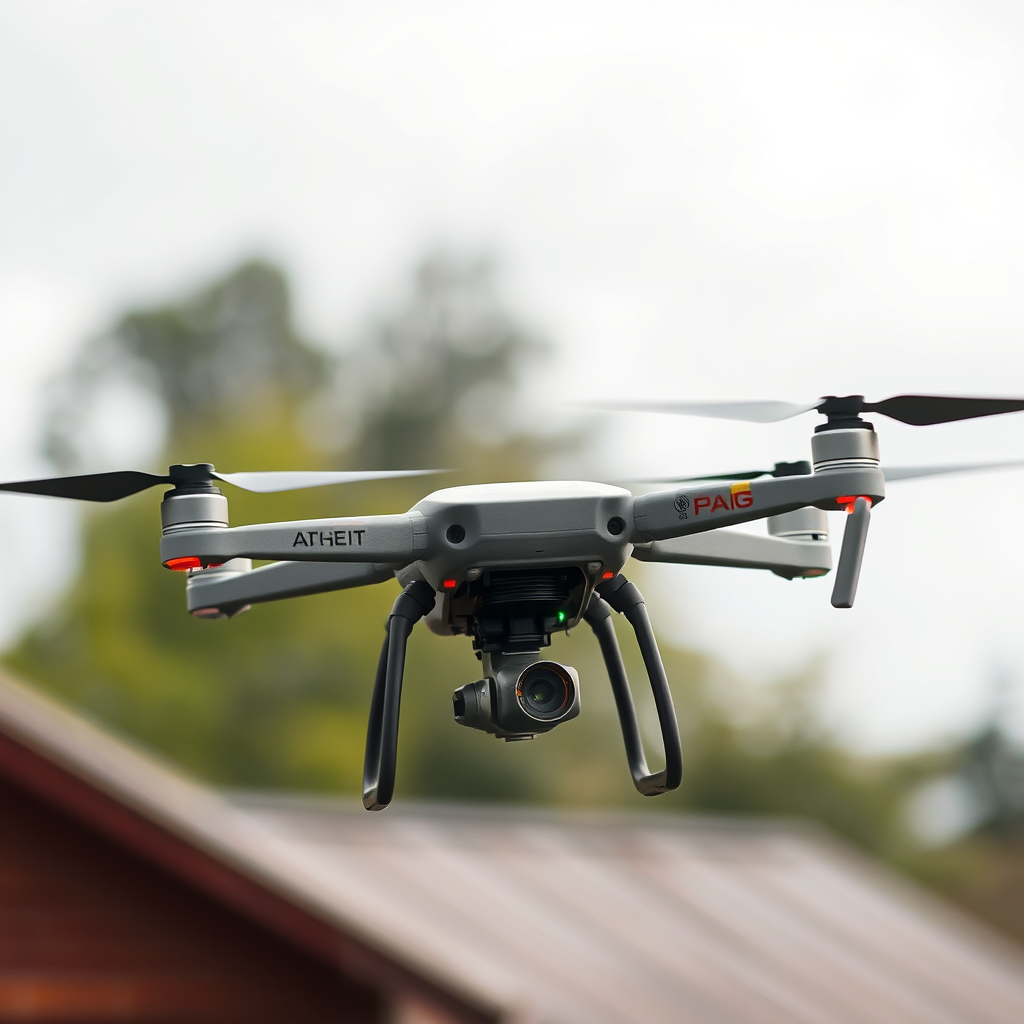
The operation of drones is governed by a complex web of federal and state laws that aim to ensure safety and privacy in the airspace. At the federal level, the Federal Aviation Administration (FAA) oversees all aviation activities in the United States, which includes the operation of drones. The FAA has established rules for commercial and recreational drone users, including registration requirements, altitude restrictions, and guidelines on flying in populated areas. Additionally, many states have enacted their own drone regulations to address specific concerns such as privacy and trespassing.
No-fly zones and restricted airspace are critical components of drone regulations. These areas include airports, military bases, and other sensitive locations where drone flights are prohibited or heavily restricted. Violating these regulations can lead to severe penalties, including fines and criminal charges. Understanding these laws is paramount for anyone considering taking action against a drone, as the legal landscape is continually evolving to accommodate advancements in drone technology.
Situations That May Justify Shooting a Drone
While the act of shooting down a drone may seem justifiable in certain contexts, such as protecting personal property and privacy, it is essential to approach such situations with caution. For instance, if a drone is hovering over a private property and capturing images without consent, the owner may feel threatened and consider taking action. Similarly, instances of harassment—such as following an individual or intruding into private spaces—may provoke a strong response.
However, it is important to note that these justifications do not necessarily provide legal immunity for shooting a drone. The perception of threat must be balanced against the legal implications of using force. An individual who shoots a drone may still face legal repercussions, especially if the drone is operating within the bounds of the law or if the response is deemed excessive.
Legal Consequences of Shooting a Drone
The legal ramifications of shooting a drone can be severe, encompassing potential criminal charges and civil liability. Depending on the circumstances, individuals may be charged with crimes ranging from reckless endangerment to destruction of property. Furthermore, drone operators whose equipment is damaged may pursue civil lawsuits for compensation, leading to significant financial repercussions for the shooter.
Case studies highlight the serious consequences that can arise from such actions. For example, in 2015, a Colorado man was charged with criminal offenses after he shot down a neighbor’s drone that he claimed was invading his privacy. The court ruled in favor of the drone operator, establishing that the drone was not trespassing and that the shooter acted recklessly. This case serves as a cautionary tale about the potential legal pitfalls of taking matters into one’s own hands when it comes to drone interference.
Safety Risks Involved
Utilizing firearms to shoot down drones poses significant safety risks, particularly in populated areas. The use of a gun can lead to unintended consequences, including injury to bystanders, damage to property, and even fatalities. Bullets fired into the air can travel long distances, creating a dangerous situation for people and structures below.
Moreover, the act of shooting a drone may provoke further escalation, possibly resulting in retaliation from the drone operator or creating a hazardous environment for law enforcement responding to the incident. It is crucial to consider these safety risks before resorting to extreme measures, as the outcomes can be unpredictable and dire.
Alternatives to Shooting a Drone
Rather than resorting to shooting a drone, there are several non-lethal methods for addressing concerns about unwanted drone activity. One option is to use signal jammers or drone disruptors, which can temporarily disable a drone’s controls, forcing it to land or return to its operator. However, the legality of these devices varies by jurisdiction, and they may also have unintended consequences on other devices operating in the vicinity.
Another effective approach is to report the drone to the relevant authorities, such as local law enforcement or the FAA. Documenting the drone’s activity, including photos or videos, can provide valuable evidence to support your case. Additionally, individuals concerned about privacy violations can seek legal recourse by consulting with an attorney familiar with drone law.
Engaging in community discussions and advocating for stronger drone regulations can also be beneficial. By raising awareness and working collectively, communities can address drone-related issues more effectively.
The Future of Drone Regulation
As drone technology continues to advance, so too does the landscape of drone legislation. Trends in recent years indicate an increasing focus on public safety, privacy protection, and the harmonization of regulations across different states. Governments are also exploring the implementation of remote identification systems, which would allow authorities to track drone flights and identify operators easily.
Additionally, technology plays a vital role in managing drone threats. Innovations in drone detection systems and anti-drone technologies are being developed to help mitigate potential risks associated with unauthorized or malicious drone activity. As these technologies mature, the potential for safer and more effective responses to drone-related issues will increase.
In summary, while it may be possible to shoot drones in certain scenarios, it is crucial to understand the legal ramifications and potential risks involved. Exploring safer and more lawful alternatives is often the best course of action. Always stay informed about local regulations and consider reporting any concerns to the appropriate authorities. As drone technology and regulations continue to evolve, fostering a proactive and informed approach will be essential in navigating this complex landscape.
Frequently Asked Questions
Can we legally shoot down drones that invade our privacy?
Legally shooting down drones that invade your privacy is generally not permitted. In many jurisdictions, using firearms to disable a drone can lead to serious legal consequences, including criminal charges. Instead, if you believe a drone is violating your privacy, it is advisable to contact local law enforcement or report the incident to relevant authorities, as they can handle the situation within the framework of existing laws regarding privacy and airspace.
What should I do if I see a drone hovering over my property?
If you see a drone hovering over your property, it’s important to remain calm. First, try to identify if the drone is operated by a known entity, such as a neighbor or a professional service. If you feel uncomfortable or suspect that the drone is being used unlawfully, document the situation and contact local law enforcement. They can investigate the drone’s presence and determine if any laws are being violated, ensuring your safety and privacy.
Why are drones allowed to fly in residential areas?
Drones are allowed to fly in residential areas primarily because they are classified as “unmanned aircraft” under federal aviation regulations. However, operators must adhere to specific guidelines, such as maintaining visual line-of-sight and flying below 400 feet. These regulations aim to balance the interests of drone operators with public safety and privacy concerns, allowing for recreational and commercial use while minimizing disturbances.
How can I protect my property from unwanted drone surveillance?
To protect your property from unwanted drone surveillance, consider installing privacy screens or barriers that obstruct aerial views. Additionally, you can invest in drone detection systems that alert you when a drone enters your airspace. Engaging with local communities to raise awareness about drone regulations can also be beneficial, as it encourages responsible drone usage and promotes privacy rights among residents.
What are the best ways to report a drone that is flying dangerously?
If you encounter a drone flying dangerously, the best course of action is to report it to local authorities or law enforcement, especially if it poses a threat to public safety. You can also file a report with the Federal Aviation Administration (FAA) if you believe the drone is violating aviation regulations. Providing detailed information, such as the drone’s location, behavior, and any identifying features, will assist authorities in addressing the situation effectively.
References
- https://en.wikipedia.org/wiki/Drone#Regulation_and_law_enforcement
- https://www.theguardian.com/us-news/2020/jan/06/us-drone-regulations
- https://www.bbc.com/news/technology-50940561
- https://www.reuters.com/technology/us-air-force-issues-guidance-shooting-down-drones-2020-07-16/
- https://www.nytimes.com/2020/06/25/us/politics/drone-regulations.html
- https://www.faa.gov/uas/
- https://www.nap.edu/catalog/25480/drones-in-urban-environments
- https://www.ncbi.nlm.nih.gov/pmc/articles/PMC7287026/
- https://www.aclu.org/news/privacy-technology/can-you-shoot-down-a-drone-over-your-property-its-complicated
- https://www.rand.org/pubs/research_reports/RR1940.html
