
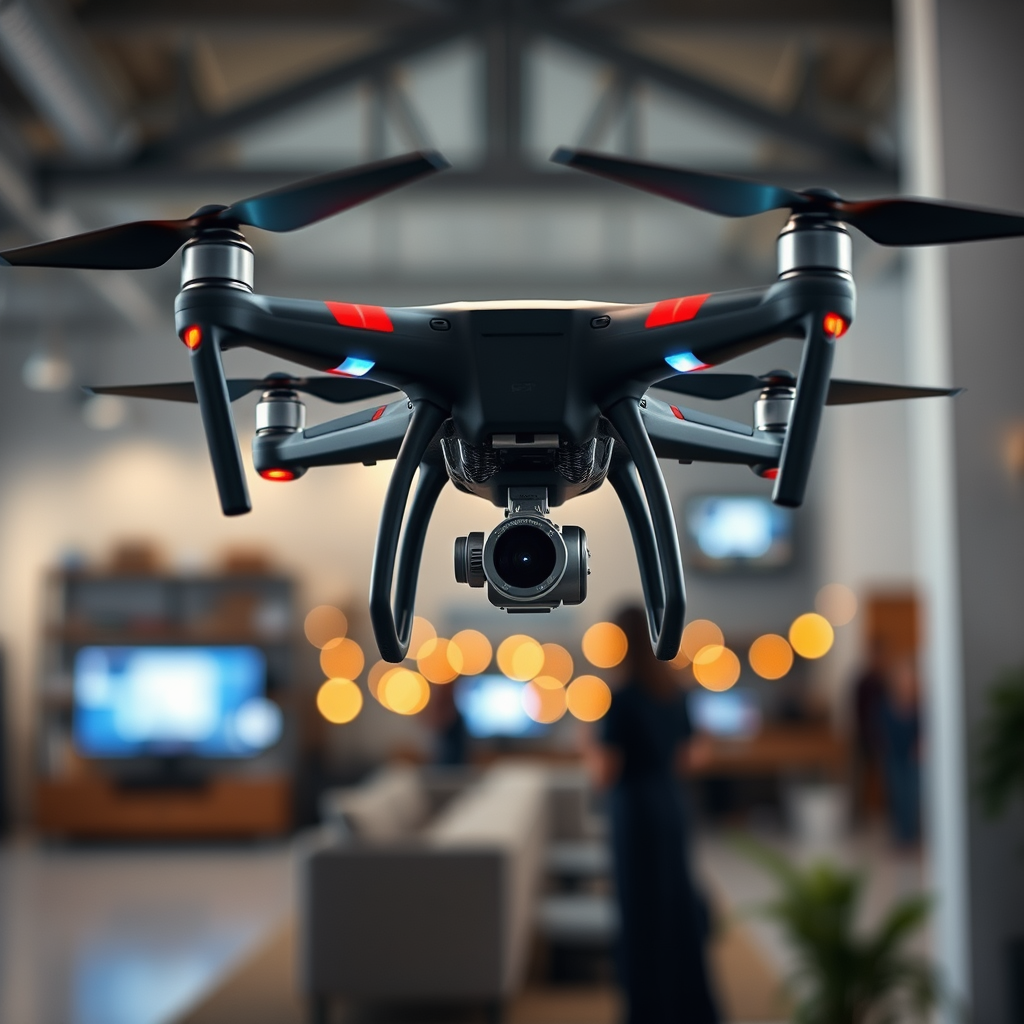
Yes, you can fly drones over people, but there are strict regulations and guidelines that need to be followed. Understanding these rules is essential for safe and legal drone operation, especially as drone technology continues to evolve and become more integrated into various industries. As drones become more popular for recreational and commercial use, knowing how to navigate the regulatory landscape is crucial for operators to avoid penalties and ensure public safety.
Understanding FAA Regulations
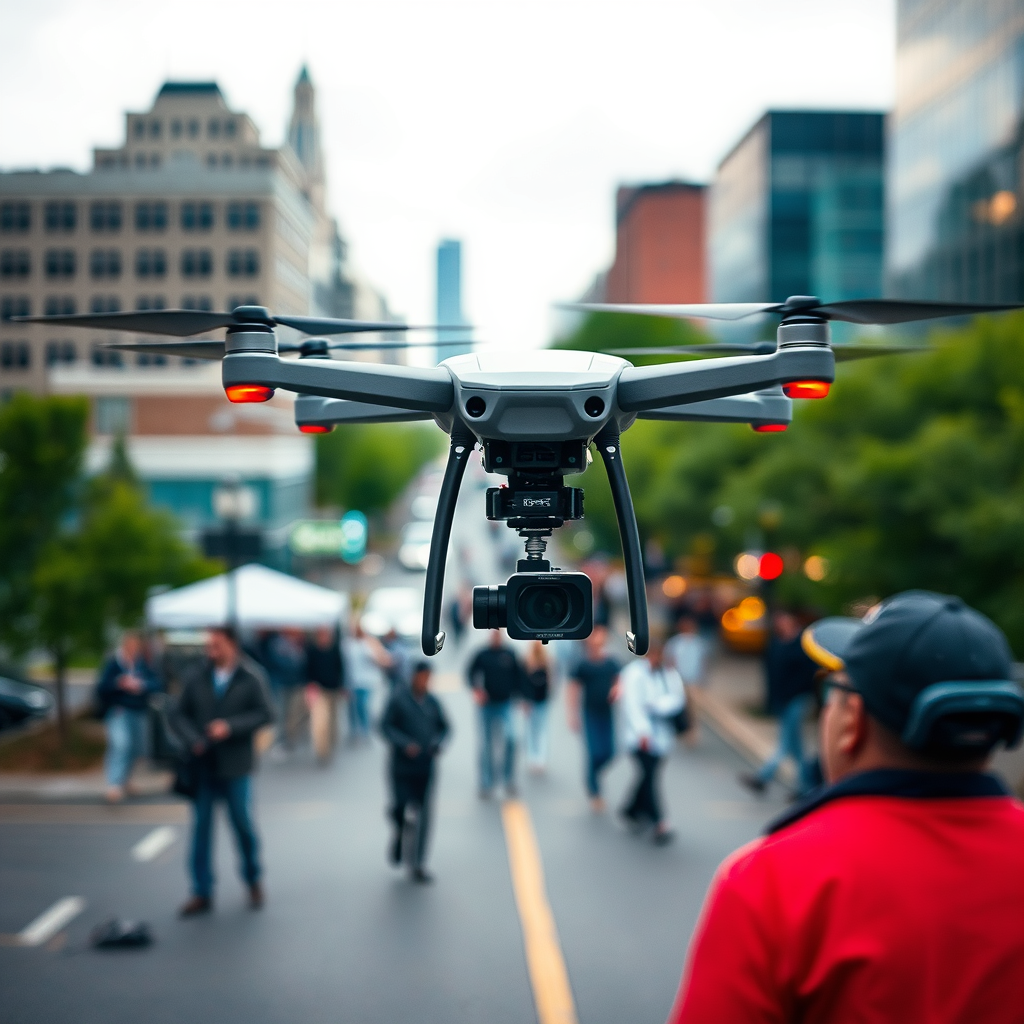
The Federal Aviation Administration (FAA) is the governing body responsible for regulating all aspects of civil aviation in the U.S., including the operation of drones. To facilitate the safe integration of drones into the national airspace, the FAA has established a set of guidelines under Part 107 of the Federal Aviation Regulations. These regulations specifically address various aspects of drone operation, including the conditions under which a drone may be flown over people.
Under Part 107, flying over people is permissible if the drone meets certain criteria. Notably, the drone must be classified as “Category 1,” which means it weighs less than 0.55 pounds (250 grams) and does not pose a significant risk of injury in the event of a crash. For heavier drones, operators may need to obtain a waiver by demonstrating that they can mitigate risks to people on the ground effectively. Understanding these regulations not only helps operators comply with the law but also enhances public trust in drone technology.
Categories of People Under FAA Rules
The FAA categorizes individuals based on their involvement in the drone operation to determine the conditions under which drones can be flown over people.
1. Open Category: This category allows drone operators to fly over individuals not directly participating in the operation, provided that the drone is under the weight limit and meets safety requirements. For instance, if a drone is used for recreational purposes in a park, operators can fly over bystanders as long as they comply with the operational limitations set forth by the FAA.
2. Specific Category: This category is designed for commercial operators who may need to conduct flights over people for business purposes. However, flying over people in this category requires a waiver from the FAA, which entails a detailed application process. Applicants must demonstrate that they have implemented safety measures to minimize risks to individuals on the ground, such as using drones equipped with parachute systems or other safety technologies.
Understanding these categories is essential for drone operators, as it dictates the necessary precautions and compliance requirements for flying over people.
Safety Guidelines for Flying Over People
When flying drones over people, safety should always be the top priority. Adhering to safety guidelines can help mitigate risks associated with drone operation.
– Maintain a Safe Altitude: Operators should fly at a minimum altitude that allows for adequate reaction time in case of a malfunction. Generally, a height of at least 400 feet is recommended to minimize risks to individuals below while ensuring compliance with FAA regulations.
– Use Drones Equipped with Safety Features: Investing in drones that come with advanced safety features, such as propeller guards and automatic return-to-home functions, can significantly reduce the likelihood of accidents. For example, DJI’s Mavic series includes obstacle detection systems that can help prevent crashes, thereby enhancing safety during operations that involve flying over people.
– Conduct Risk Assessments: Before each flight, operators should assess the environment for potential hazards, such as crowds or obstacles. Understanding the location and the people nearby can influence flight decisions and operational strategies.
By following these safety guidelines, drone operators can help ensure that their flights over people are as secure as possible.
Local Laws and Restrictions
While the FAA provides a framework for flying drones, state and local governments may impose additional regulations that could affect drone operations. It is imperative for drone operators to familiarize themselves with these local laws, as they can vary significantly from one jurisdiction to another.
– State Laws: Some states have enacted laws that restrict or prohibit drone flights over certain areas, such as schools, prisons, or other sensitive locations. For instance, California has laws that prevent drone flights over private property without the owner’s consent, which could limit operations in densely populated areas.
– Local No-Fly Zones: Certain municipalities may designate no-fly zones, particularly during events like concerts, festivals, or public gatherings. Operators should always check for temporary flight restrictions (TFRs) that may be in effect during these events. Websites like the FAA’s B4UFLY app can provide real-time information about local airspace restrictions.
By staying informed about local laws and restrictions, drone operators can ensure they operate within legal boundaries while respecting the rights and safety of the communities they fly in.
Insurance and Liability Considerations
As drone operations increase, so do the potential risks associated with them. It is crucial for operators to consider insurance and liability implications when flying over people.
– Liability Insurance: Obtaining liability insurance is a prudent step for drone operators, especially for those who plan to fly over people regularly. Insurance can provide coverage for damages or injuries that may occur during flights, protecting operators from significant financial liabilities. Various insurance providers offer policies tailored to drone operations, which can include coverage for both recreational and commercial use.
– Understanding Liability Implications: In the event of an incident, liability can be a complex issue. If a drone causes injury while flying over people, the operator may be held liable for damages. Understanding the nuances of liability laws in your state and having a solid insurance plan can help mitigate the financial risks associated with drone operations.
Being proactive about insurance and liability considerations is an essential part of responsible drone operation, especially in scenarios where flights involve flying over people.
Best Practices for Responsible Drone Operation
Adhering to best practices for drone operation not only enhances safety but also fosters responsible usage of drone technology in the community.
– Pre-flight Checks: Before each flight, operators should conduct thorough pre-flight checks to ensure that their drones are in good working condition. This includes checking battery levels, inspecting propellers, and ensuring that software is up to date. A well-maintained drone is less likely to experience malfunctions during flight.
– Maintain Visual Line of Sight: Operators are required to keep their drones within their visual line of sight at all times during operation. This ensures that they can effectively monitor the drone’s flight path and respond to any unexpected situations immediately.
– Be Aware of Surroundings: Operators should remain vigilant and aware of their surroundings while flying. This includes being mindful of changing weather conditions, potential obstacles, and the presence of people below. Engaging in situational awareness can help prevent accidents and ensure a safer flying experience.
By implementing these best practices, drone operators can contribute to a culture of safety and responsibility within the drone community.
In summary, while flying drones over people is permissible under certain conditions, it is crucial to adhere to FAA regulations and prioritize safety. Operators should familiarize themselves with the specific categories of people defined by the FAA, follow safety guidelines, and stay informed about local laws and insurance considerations. By embracing best practices for responsible drone operation, drone enthusiasts and professionals can ensure safe and compliant flights that benefit both the operators and the communities they serve.
Frequently Asked Questions
Can you fly drones over people in the United States?
Yes, flying drones over people is permitted in the United States, but there are specific regulations you must follow under the Federal Aviation Administration (FAA) Part 107 rules. Drones can be flown over people if they meet certain criteria, such as being classified as “Category 1” drones, which have a maximum weight of 0.55 pounds and pose minimal risk in case of an accident. Additionally, operators should ensure they maintain a safe distance and avoid flying over large crowds or vulnerable individuals.
What are the risks of flying drones over people?
Flying drones over people presents several risks, including potential injury from a falling or crashing drone and privacy concerns. If a drone malfunctions or loses control, it could cause harm to individuals below. Furthermore, operating a drone in populated areas can lead to violations of privacy, which may result in legal repercussions. It’s essential to assess these risks carefully and follow local regulations.
How can I legally fly my drone over people?
To legally fly your drone over people, you must adhere to the FAA’s Part 107 guidelines, which include obtaining a Remote Pilot Certificate and ensuring your drone is registered. You also need to understand the specific categories of operation, as some drones are restricted from flying over people unless they meet certain safety requirements. Before flying, check local laws and regulations, as they may impose additional restrictions.
Why is flying drones over people regulated?
The regulation of flying drones over people is primarily focused on safety and privacy concerns. The FAA aims to minimize the risk of injury from drone accidents and protect the public from potential hazards associated with drone operations. These regulations also address privacy issues, ensuring that drone operators do not infringe upon the rights of individuals by capturing images or videos without consent.
What is the best practice for flying drones near people?
The best practice for flying drones near people is to maintain a safe distance and ensure that you are flying in compliance with all applicable regulations. Always conduct a risk assessment of the area, avoid flying over large crowds, and choose times when fewer people are present. Additionally, communicate with any individuals nearby to ensure they are aware of the drone operation, which can help minimize anxiety and ensure a safer environment for everyone involved.
References
- https://www.faa.gov/uas/getting_started/registration
- https://www.faa.gov/uas/resources/policies_regulations/
- https://www.faa.gov/uas/media/Part_107_Summary.pdf
- https://www.nationalgeographic.com/science/article/drones-flying-over-people-safety-rules
- https://www.reuters.com/technology/us-drone-regulations-2021-01-15/
- https://www.nytimes.com/2021/01/15/technology/drones-faa-rules.html
- https://www.wired.com/story/drone-faa-rules-over-people/
- https://www.abcnews.go.com/Technology/faa-issue-new-drone-rules-flying-people/story?id=74836569
