
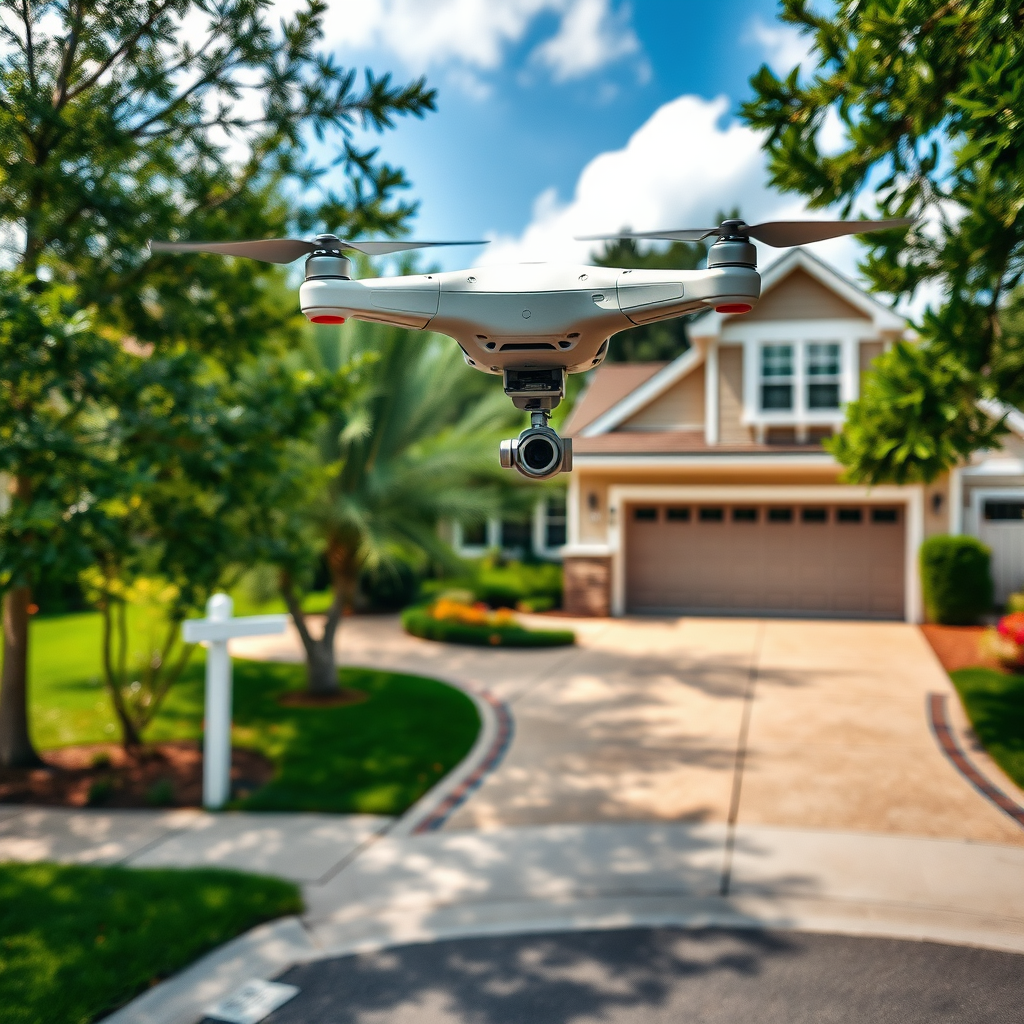
Yes, you can hit a drone over private property under certain circumstances, but it raises significant legal and ethical concerns. As a property owner, it is essential to understand your rights, as well as the regulations governing drone usage, before considering any drastic action. The increasing prevalence of drones in both commercial and recreational capacities makes familiarity with these rules crucial for effective property management and privacy protection.
Understanding Drone Regulations
Drones are subject to regulations set forth by the Federal Aviation Administration (FAA), which outline where and how they can operate. According to FAA guidelines, drones must be flown within the operator’s line of sight and cannot exceed an altitude of 400 feet above ground level. Additionally, drones are prohibited from flying over certain sensitive areas, such as airports and military bases. However, the definition of “airspace” complicates matters; while drones can legally operate in public airspace, they often overlap with private property.
Many states have enacted specific laws addressing drone use, particularly concerning privacy and trespassing. For example, some states have restrictions on capturing images or video of individuals without their consent, which can create legal ramifications for drone operators if they infringe on a property owner’s privacy rights. Familiarizing yourself with both federal and state regulations is essential to understanding the context of your situation.
Property Rights and Airspace
Property owners typically have control over their land and the airspace directly above it, but this control is not absolute. The law generally recognizes the concept of “navigable airspace,” which is defined as the airspace above a certain altitude that is open for public use. This means that while you may have rights to the space above your property, those rights diminish as the altitude increases. The FAA asserts that air traffic at higher altitudes, including drone flights, is permissible as long as operators adhere to safety guidelines.
In practical terms, this creates a challenging landscape for property owners who feel threatened or invaded by drones flying over their homes. While you may technically own the airspace above your property, enforcing that ownership can lead to complex legal disputes, especially when the drone is operating within legal FAA guidelines.
Legal Consequences of Hitting a Drone
Intentionally damaging or hitting a drone can lead to serious legal consequences. Depending on the circumstances, such actions could result in criminal charges, including vandalism or destruction of property. Additionally, the operator of the drone may pursue civil lawsuits for damages, which can lead to costly legal battles.
For instance, in several noted cases, property owners who have taken matters into their own hands by damaging a drone have been met with legal repercussions, including fines and court orders. It is essential to recognize that even if you perceive the drone’s presence as a violation of your rights, resorting to physical damage can complicate the matter significantly and leave you vulnerable to legal action.
Alternatives to Hitting a Drone
Instead of resorting to hitting a drone, consider exploring more constructive alternatives. One option is to contact local authorities or report the drone activity to law enforcement. Many jurisdictions have specific protocols for addressing drone-related complaints, and law enforcement can intervene if the drone operator is violating local laws.
Another effective approach is to communicate directly with the drone operator. Often, drone users are unaware that their flight paths may infringe on private property or cause concern. A polite conversation can sometimes lead to a resolution without conflict. For example, if you know the operator is a neighbor, a friendly discussion can foster understanding and encourage them to adjust their flying habits.
Privacy Considerations
Privacy is a significant concern when it comes to drone usage, especially for drones equipped with cameras. The ability of drones to capture images or videos from a height raises questions about surveillance and consent. If a drone is invading your privacy by recording or photographing you without permission, it may violate local privacy laws.
Many states have enacted legislation to protect citizens from unauthorized surveillance. For instance, in California, the law prohibits using drones to invade someone’s privacy by capturing images of private property without consent. Understanding your local privacy laws can empower you to take action if you believe your rights are being infringed upon.
Safety Measures to Protect Your Property
To protect your property from unwanted drone activity, consider implementing safety measures. Security systems equipped with cameras can deter drone operators from flying over your property, as they may be less inclined to invade a space that is actively monitored. Additionally, some technologies are specifically designed to detect and mitigate unwanted drone presence, such as drone jammers or anti-drone systems that can safely redirect drones away from your property.
Before investing in such technology, it is wise to research the legal implications of using anti-drone devices in your area, as their usage may be restricted or regulated.
Seeking Legal Advice
If you are facing persistent issues with drone activity over your property, consulting with a legal professional can be a prudent course of action. A lawyer experienced in aviation law or property rights can help you understand the nuances of your situation, assess your rights, and provide guidance on the best steps to take. This can be particularly valuable if you are considering any actions that could have legal ramifications.
Understanding your rights as a property owner, both in terms of airspace and privacy, can empower you to make informed decisions regarding drone-related issues.
In conclusion, while hitting a drone over private property may be legally questionable and fraught with risks, it is crucial to explore alternative solutions first. By understanding drone regulations, property rights, and privacy considerations, you can navigate the complexities of drone interactions more effectively. Always consider seeking legal advice to ensure that your rights are protected while addressing drone-related concerns in a responsible manner.
Frequently Asked Questions
What are the laws regarding hitting a drone over private property?
The legality of hitting a drone over private property varies by jurisdiction, but generally, individuals do not have the right to intentionally damage or destroy a drone, even if it is flying over their property. Most countries have aviation laws that protect drone operators, and damaging a drone could lead to legal consequences, including civil liability. It’s important to consult local regulations and consider alternative actions, such as filing a complaint with the authorities if a drone is invading your privacy.
How can I protect my property from unauthorized drone flights?
To protect your property from unauthorized drone flights, you can utilize various strategies such as installing physical barriers, using drone detection technology, or employing anti-drone systems. Additionally, displaying clear signage indicating that drone operations are not allowed can deter operators. If privacy concerns persist, consider discussing the issue with local law enforcement or consulting a lawyer for potential legal remedies.
Why do drones fly over private property, and can I stop them?
Drones may fly over private property for various reasons, including recreational use, aerial photography, or surveying land. While you cannot physically stop a drone from flying overhead, especially if it is operating in compliance with local laws, you can report the activity to authorities if it feels invasive or poses a safety risk. Understanding your rights and local drone regulations can help you address the situation more effectively.
What should I do if a drone is constantly hovering over my property?
If a drone is consistently hovering over your property, the first step is to document the incidents, including the time and frequency of the flights. You can then attempt to identify the operator, if possible, and address your concerns directly. If this does not resolve the issue, consider contacting local law enforcement or a legal expert to explore your options for addressing potential violations of privacy or trespassing laws.
Which laws govern drone usage over private property?
Drone usage over private property is primarily governed by federal aviation regulations, such as those set by the Federal Aviation Administration (FAA) in the United States, as well as state and local laws. These regulations often stipulate that drone operators must maintain a certain altitude and avoid flying over private property without permission. Understanding these laws can help property owners navigate their rights and address any concerns regarding unauthorized drone activity effectively.
References
- https://en.wikipedia.org/wiki/Drone#Legal_issues
- https://www.faa.gov/uas/getting_started/remote_id
- https://www.theguardian.com/technology/2021/jun/01/drone-law-uk-what-to-know
- https://www.nolo.com/legal-encyclopedia/drone-law-what-you-need-know-29764.html
- https://www.law.cornell.edu/wex/drone
- https://www.faa.gov/uas/resources/policy_library/
- https://www.aclu.org/news/privacy-technology/what-you-need-to-know-about-drones-and-privacy
- https://www.wired.com/story/drones-law-privacy/
- https://www.techrepublic.com/article/what-you-need-to-know-about-drone-laws-in-the-us/
