
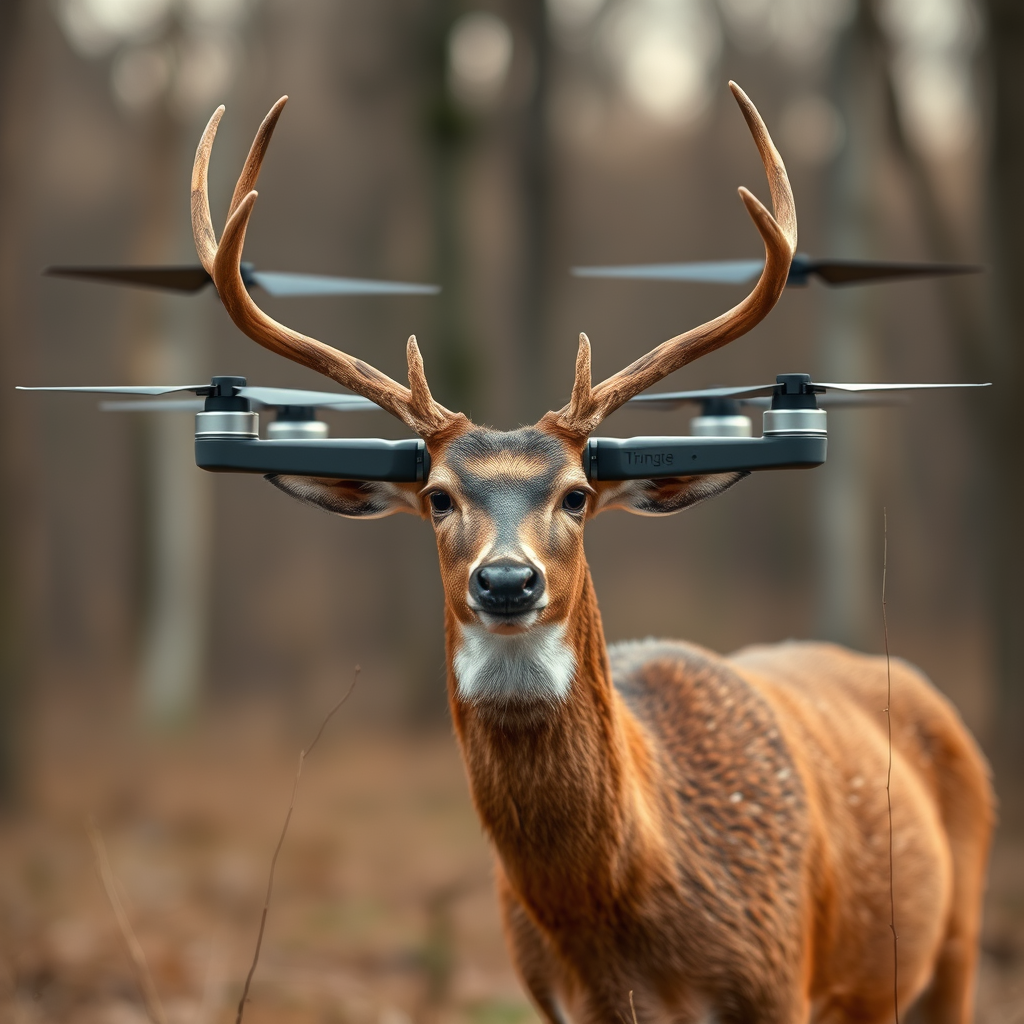
Yes, you can hunt deer with a drone, but it is often illegal and unethical in many regions. While drones can be a valuable tool for scouting and tracking wildlife, the use of drones for actual hunting raises significant legal and ethical concerns. Understanding the regulations in your area and adhering to best practices is crucial for responsible hunting.
Understanding Drone Regulations in Hunting
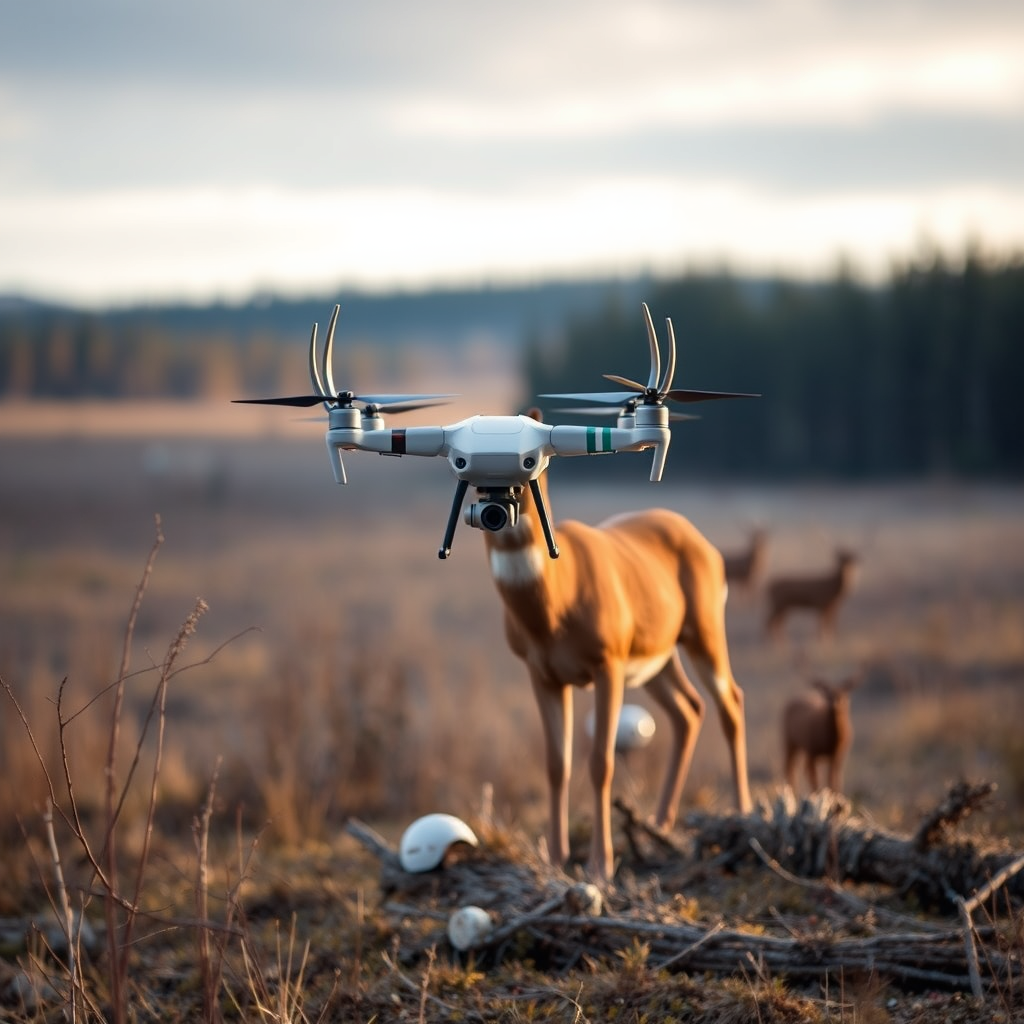
The legal landscape surrounding the use of drones in hunting is complex and varies significantly across different states and countries. Many jurisdictions have enacted strict laws prohibiting the use of drones for hunting purposes, considering it a form of unfair advantage. For instance, in states like California and New York, using drones to locate or track game animals is illegal, while other states may permit their use for scouting but not for hunting directly.
It is essential for hunters to familiarize themselves with local wildlife regulations before considering using a drone. Violating these regulations can lead to hefty fines, loss of hunting privileges, and even criminal charges. Always consult your state’s wildlife agency or relevant authorities to ensure compliance with current laws regarding drone usage in hunting contexts.
The Advantages of Using Drones for Scouting
One of the primary benefits of utilizing drones in a hunting context is their ability to provide a bird’s-eye view of expansive hunting areas. This aerial perspective allows hunters to efficiently locate deer and other wildlife without disturbing their natural habitat. Drones equipped with high-resolution cameras can capture detailed images and videos, giving hunters valuable insights into deer movements, feeding patterns, and habitat preferences.
Moreover, drones can traverse large areas in a short amount of time, significantly reducing the time and energy spent on scouting. For example, a hunter can cover several hundred acres in a matter of minutes, identifying potential hotspots for deer activity. This efficiency can be particularly advantageous in competitive hunting environments or in areas where deer populations are sparse. By leveraging drone technology, hunters can make more informed decisions regarding their hunting strategies.
Ethical Considerations of Drone Hunting
The use of drones in hunting raises profound ethical questions regarding the fairness of the chase. Many hunters adhere to the principle of fair chase, which emphasizes the importance of skill, knowledge, and respect for the animal being hunted. Employing a drone to locate or track deer can be seen as undermining these principles, as it shifts the balance of the hunt toward technology rather than traditional skills.
Critics argue that using drones detracts from the essence of hunting, which has historically relied on a hunter’s ability to observe, track, and engage with wildlife. For many enthusiasts, the challenge of the hunt is what makes the experience rewarding. As technology continues to evolve, it is vital for hunters to reflect on their values and how they align with the use of drones, ensuring that they uphold the integrity of the sport.
Best Practices for Using Drones in Hunting
To navigate the complexities of drone use in hunting while adhering to ethical standards, it is advisable to limit drone applications to scouting rather than the actual hunt. By using drones primarily for pre-hunt reconnaissance, hunters can gather essential information without compromising the hunting experience.
When utilizing drones for scouting, it is also crucial to ensure that they are equipped with high-quality cameras and sensors. This can enhance tracking capabilities, allowing hunters to capture real-time data about deer movements and behavior. Additionally, drone operators should be mindful of noise levels and the potential for startling wildlife, as excessive noise can disrupt animal activity and diminish the effectiveness of the scouting process.
Furthermore, maintaining a respectful distance from wildlife is paramount. Avoid flying drones too close to deer or other animals, as this can create unnecessary stress and alter their natural behavior. Always prioritize ethical considerations and the well-being of wildlife when integrating drone technology into hunting practices.
Alternatives to Drone Hunting
For hunters seeking effective scouting methods without the use of drones, trail cameras represent a viable alternative. These devices can be strategically placed in areas frequented by deer to capture images and videos of their movements. Trail cameras provide invaluable data on deer activity patterns, helping hunters identify the best times and locations for hunting.
Engaging in traditional scouting methods, such as tracking and observing deer behavior on foot, is also highly effective. This approach not only fosters a deeper connection with the natural environment but also enhances a hunter’s skills and knowledge of wildlife. By developing an understanding of deer habits and habitats, hunters can improve their chances of a successful hunt while adhering to ethical hunting practices.
Future of Drone Technology in Hunting
As drone technology continues to advance, the potential applications in hunting may expand, leading to new regulations and practices. Innovations such as thermal imaging sensors and enhanced GPS capabilities could further revolutionize the way hunters scout and track game. However, with these advancements comes the responsibility to remain informed about changing regulations and the ethical implications of new technologies.
It is essential for hunters to stay updated on the latest developments in drone technology and how they might impact hunting practices. Engaging with local hunting organizations and wildlife agencies can provide valuable insight into emerging trends and best practices. As the hunting community navigates the integration of technology, an emphasis on responsible and ethical use will be critical to maintaining the integrity of the sport.
In conclusion, while hunting deer with a drone is technically possible, it often conflicts with legal and ethical standards. Responsible hunters should focus on using drones for scouting purposes, adhering to local regulations, and promoting ethical hunting practices. By staying informed about the laws in their area and considering the implications of technology in hunting, individuals can contribute to the preservation of the sport’s integrity and respect for wildlife.
Frequently Asked Questions
Can you legally hunt deer using a drone in the United States?
The legality of hunting deer with a drone varies by state and local laws. In many places, using drones to scout or locate deer is allowed, but actively hunting or shooting from a drone is typically prohibited. It’s crucial to check your state’s wildlife regulations to ensure compliance and avoid potential legal issues.
How can drones be used effectively for deer hunting?
Drones can be effectively used for deer hunting by scouting hunting areas, locating deer, and monitoring their movements from a safe distance. They provide an aerial view of the landscape, making it easier to identify trails, bedding areas, and food sources. However, hunters should use drones responsibly to avoid disturbing wildlife and adhere to local regulations.
Why are drones becoming popular among deer hunters?
Drones are gaining popularity among deer hunters due to their ability to cover large areas quickly and provide real-time aerial footage. This technology enhances scouting efforts, allowing hunters to plan their strategies more effectively. Additionally, drones can help reduce the time spent searching for deer, improving overall hunting efficiency.
What are the best drones for deer hunting?
The best drones for deer hunting typically offer features like long battery life, high-resolution cameras, and GPS capabilities. Popular choices include the DJI Phantom 4 Pro and the DJI Mavic Air 2, which provide excellent stability and image quality. When selecting a drone, consider factors such as range, ease of use, and durability to ensure it meets your hunting needs.
Which safety precautions should be taken when using a drone for hunting?
When using a drone for hunting, it’s essential to follow safety precautions to protect both wildlife and fellow hunters. Always check and comply with local laws regarding drone usage, avoid flying in restricted areas, and maintain a safe distance from other hunters and wildlife. Additionally, practice flying your drone in a controlled environment to ensure you can operate it safely during a hunting trip.
References
- https://en.wikipedia.org/wiki/Drone_hunting
- https://www.nytimes.com/2021/11/29/us/drone-hunting-deer.html
- https://www.ncbi.nlm.nih.gov/pmc/articles/PMC5866353/
- https://www.fws.gov/news/2021-10/us-fish-and-wildlife-service-issues-guidance-drone-use-hunting-fishing-and-wildlife
- https://www.theguardian.com/environment/2021/dec/01/hunting-with-drones-debate-ethics
- https://www.wildlife.state.nm.us/hunting/hunting-with-drones/
- https://www.americanhunter.org/articles/2021/12/3/hunting-with-drones-is-it-legal/
