
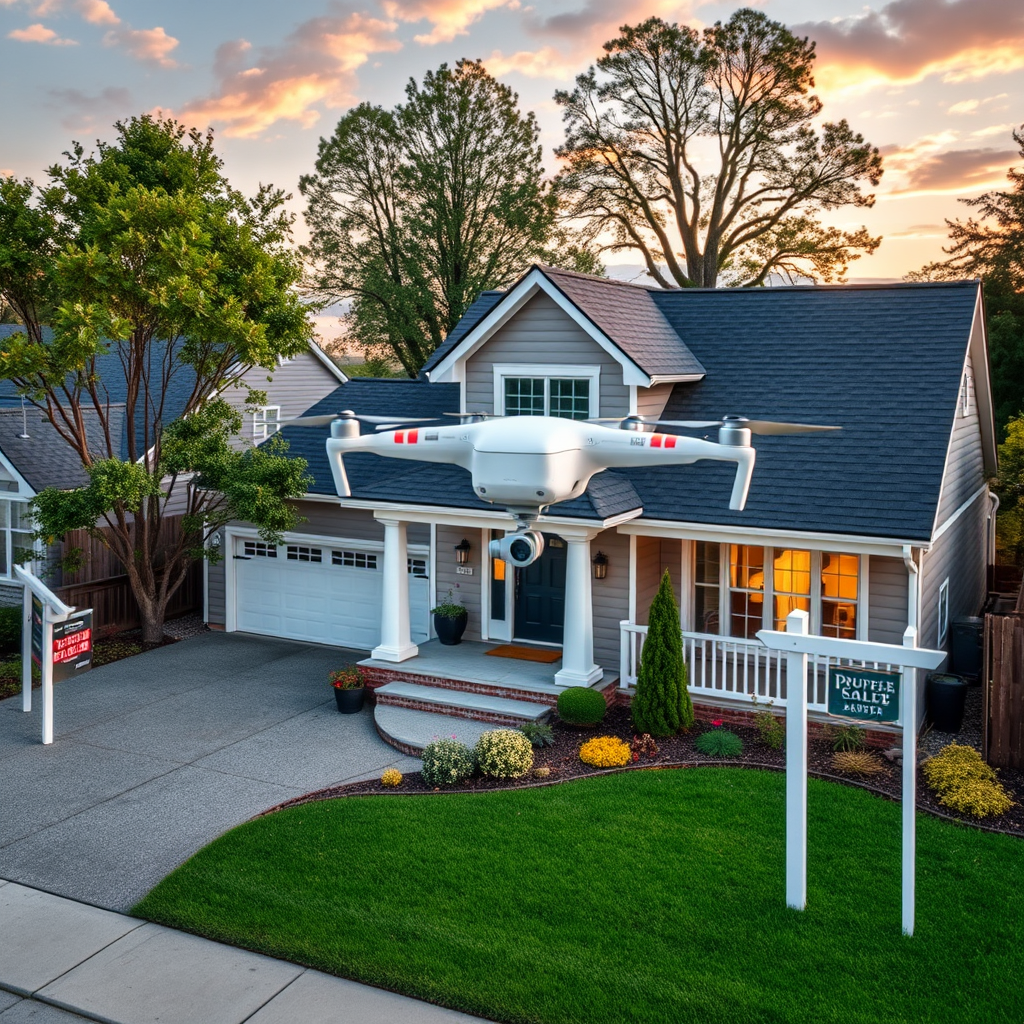
Yes, you can take drone footage of private property, but there are important legal considerations to keep in mind. Understanding privacy laws, property rights, and local regulations is crucial before flying your drone over someone else’s land. As drone technology becomes more accessible and popular, the legal landscape surrounding drone usage is also evolving. It is essential for drone operators to familiarize themselves with these laws to avoid potential legal issues.
Understanding Privacy Laws
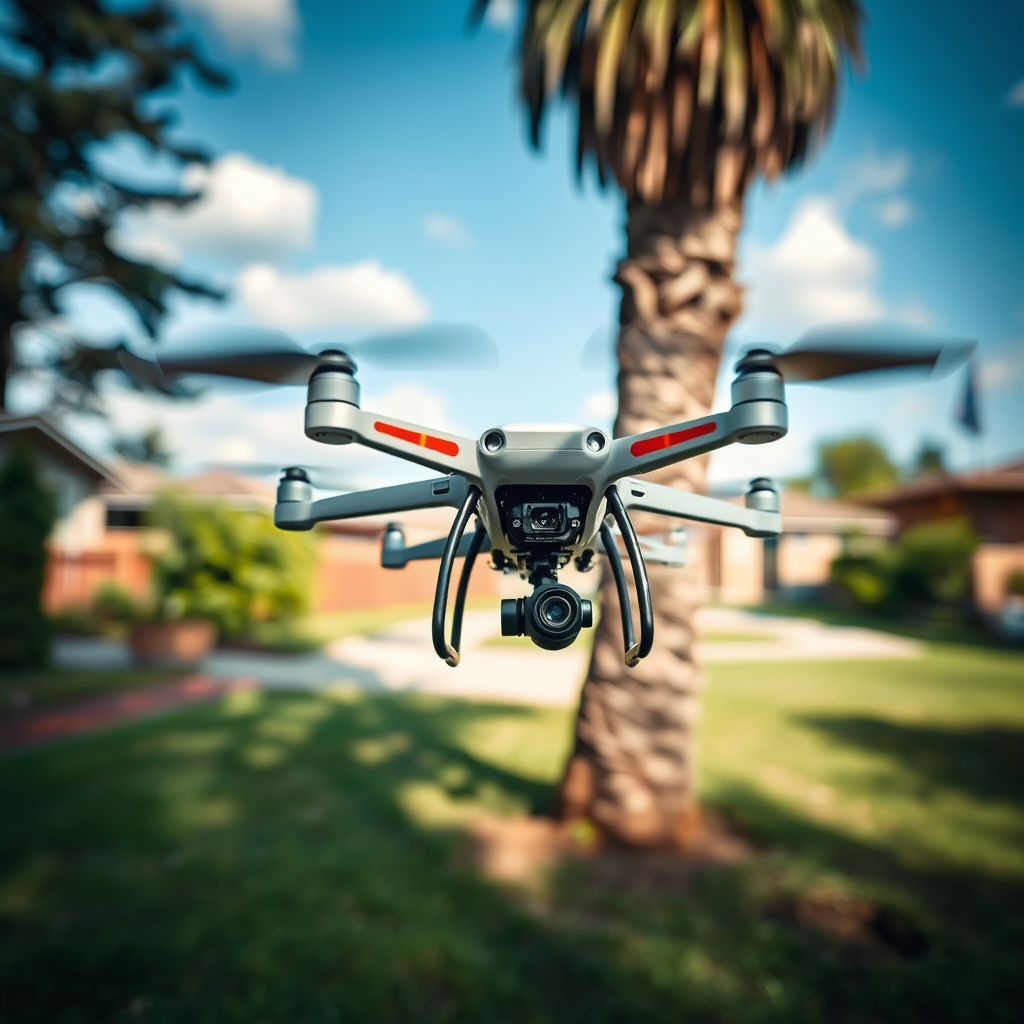
Privacy rights vary significantly by jurisdiction and can profoundly affect drone usage. In many regions, privacy laws protect individuals from being filmed in situations where they have a reasonable expectation of privacy, such as in their homes or backyards. For example, states like California have strong privacy laws that may classify unauthorized aerial filming as an invasion of privacy, particularly if it involves capturing intimate or private moments.
Moreover, the Federal Aviation Administration (FAA) does not regulate privacy; thus, drone operators must research local laws that may govern privacy standards. In some cases, simply flying over private property may be considered intrusive, especially if the footage captures activities that the property owner has not consented to share. It’s essential to be aware that even if you are legally allowed to fly your drone, you may still be infringing on someone’s privacy rights.
Property Rights and Airspace
Property owners possess rights to the airspace above their land, but this can vary by state and local jurisdiction. Generally, the legal principle known as “navigable airspace” allows drone operators to fly at certain altitudes—typically above 400 feet—without infringing on property rights. However, some states have enacted laws that give property owners control over the airspace directly above their land, potentially complicating matters for drone operators.
For instance, in some areas, flying your drone at lower altitudes to capture footage could be viewed as an encroachment on a property owner’s rights. This means that while you can technically operate your drone over private property, you must avoid filming in a manner that could be considered invasive or intrusive. When in doubt, it’s advisable to fly higher than the legal minimum height and respect the boundaries of private property to mitigate any potential legal ramifications.
Local Regulations and Restrictions
Drone regulations are often specific to geographic areas and can impose restrictions that vary widely between cities, counties, and states. Many municipalities have enacted drone laws that may limit where you can fly and what you can film. For example, some cities have designated no-fly zones around schools, hospitals, and other sensitive areas, while others may require drone operators to obtain permits for commercial use.
Additionally, certain regions may have restrictions on flying drones near private property without explicit permission. Therefore, it’s crucial for drone operators to conduct thorough research on local laws and regulations before embarking on a filming project. Consulting local government websites or contacting authorities can provide clarity on any necessary permits or restrictions. Failing to adhere to these regulations can result in fines, confiscation of equipment, or even criminal charges, making it imperative to stay informed.
Seeking Permission and Best Practices
One of the best practices for drone operators is to seek permission from property owners before capturing footage. While not legally required in all circumstances, obtaining consent can help avoid disputes and create goodwill within the community. A simple approach is to reach out to the property owner directly, explain your intentions, and request their approval to film.
In addition to fostering positive relationships, seeking permission can also serve as a safeguard against potential legal issues. If a property owner is aware of your intentions and gives their consent, you significantly reduce the risk of being accused of invading their privacy or trespassing. This approach not only demonstrates respect for others’ rights but can also be a valuable networking opportunity, especially for commercial drone operators looking for future projects.
Potential Legal Consequences
Violating privacy or property laws while operating a drone can lead to a range of legal consequences, including fines, civil lawsuits, and even criminal charges. For instance, some jurisdictions may impose substantial fines for unauthorized filming or for flying in restricted airspace. Additionally, property owners may pursue legal action against drone operators if they believe their rights have been infringed.
Understanding the potential consequences of your actions is vital for making informed decisions when operating a drone. Legal battles can be costly and time-consuming, and the damage to your reputation as a drone operator can be significant. Therefore, staying informed about the legal landscape and adhering to best practices can help you avoid pitfalls and ensure a positive experience while capturing aerial footage.
Ethical Considerations in Drone Footage
Beyond the legal implications, ethical considerations play a crucial role in drone operations. Capturing footage without consent can raise significant ethical dilemmas, particularly when the subjects are unaware they are being filmed. Respecting individuals’ privacy is not just a legal obligation; it is also a moral one that contributes to a positive community atmosphere.
Drone operators should always reflect on the ethical implications of their actions. For instance, filming individuals in vulnerable situations, such as in their backyards or during private gatherings, without their consent may not only be unethical but can also damage public perception of drone users as a whole. Respecting privacy and boundaries fosters responsible drone use and promotes better relations with neighbors and the community.
In conclusion, while you can take drone footage of private property, it’s essential to be aware of the legal and ethical implications involved. Understanding privacy laws, property rights, and local regulations is critical to operating within the law. Additionally, seeking permission from property owners and considering the ethical dimensions of your actions can help you maintain positive relationships and avoid legal issues. By conducting thorough research and adhering to best practices, you can ensure a responsible and enjoyable drone flying experience.
Frequently Asked Questions
Can you legally take drone footage of private property without permission?
No, you generally cannot take drone footage of private property without the owner’s permission. In many jurisdictions, flying a drone over someone’s private property can violate privacy laws and trespassing regulations. It’s crucial to seek explicit consent from the property owner to avoid potential legal issues, and always familiarize yourself with local laws regarding drone usage.
What are the consequences of taking drone footage over private property?
Taking drone footage over private property without permission can result in various legal consequences, including civil lawsuits for invasion of privacy or trespassing. Additionally, you could face fines or penalties from aviation authorities if you violate drone regulations. Understanding the legal implications is vital for responsible drone operation.
How can I request permission to film drone footage of someone’s property?
To request permission to film drone footage of someone’s property, start by contacting the property owner directly, either in person or through a formal written request. Clearly explain your intentions, how the footage will be used, and reassure them about privacy concerns. Having a respectful and transparent approach increases your chances of obtaining the necessary consent.
Why is it important to respect private property when using a drone?
Respecting private property when using a drone is essential to uphold privacy rights and avoid legal repercussions. Unauthorized drone footage can lead to feelings of invasion and distrust among property owners, resulting in complaints and potential litigation. By seeking permission, you foster goodwill and promote responsible drone flying practices within the community.
What are the best practices for filming drone footage near private property?
The best practices for filming drone footage near private property include maintaining a safe distance from homes and structures, flying at a legal altitude, and being aware of local laws regarding drone flights. Always prioritize obtaining permission from property owners whenever possible, and consider using software tools to check for restricted areas. Responsible flying not only ensures compliance with regulations but also respects the privacy and rights of others.
References
- https://en.wikipedia.org/wiki/Drone_flight_law
- https://www.faa.gov/uas/getting_started/registration
- https://www.nolo.com/legal-encyclopedia/drone-laws-private-property-29799.html
- https://www.thebalance.com/drone-laws-and-regulations-5079020
- https://www.abc.net.au/news/2021-05-05/drones-private-property-what-you-need-to-know/100073064
- https://www.nytimes.com/2020/07/26/us/drone-laws-privacy.html
- https://www.lawfareblog.com/drone-privacy-and-american-law
