
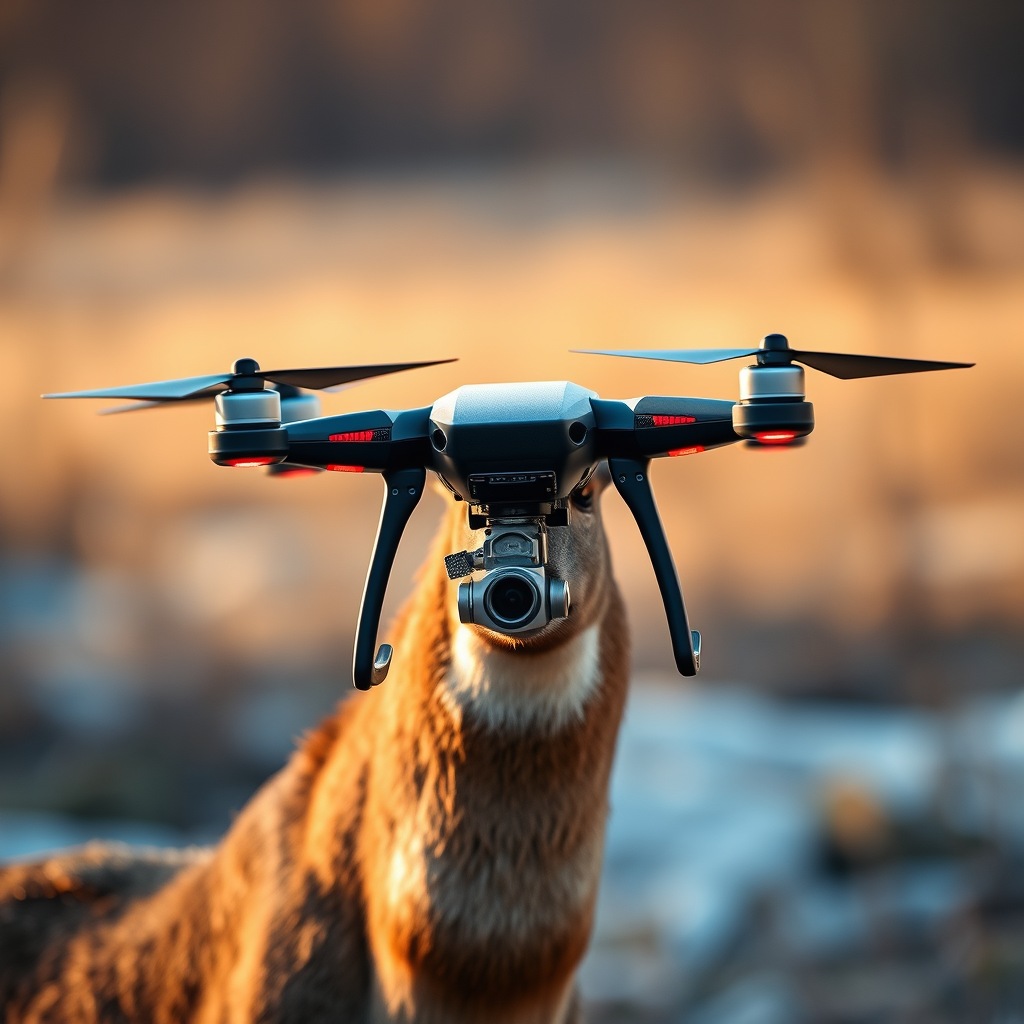
Yes, you can use drones for deer hunting, but there are important regulations and ethical considerations to keep in mind. Drones can assist hunters in scouting and tracking deer, providing a high vantage point and enhancing visibility. However, their usage varies by state, and it’s crucial to be aware of local laws before incorporating them into your hunting strategy. As drone technology continues to evolve, so too does its application in the hunting community, prompting both excitement and concern among hunters and wildlife enthusiasts alike.
Understanding Drone Regulations for Hunting
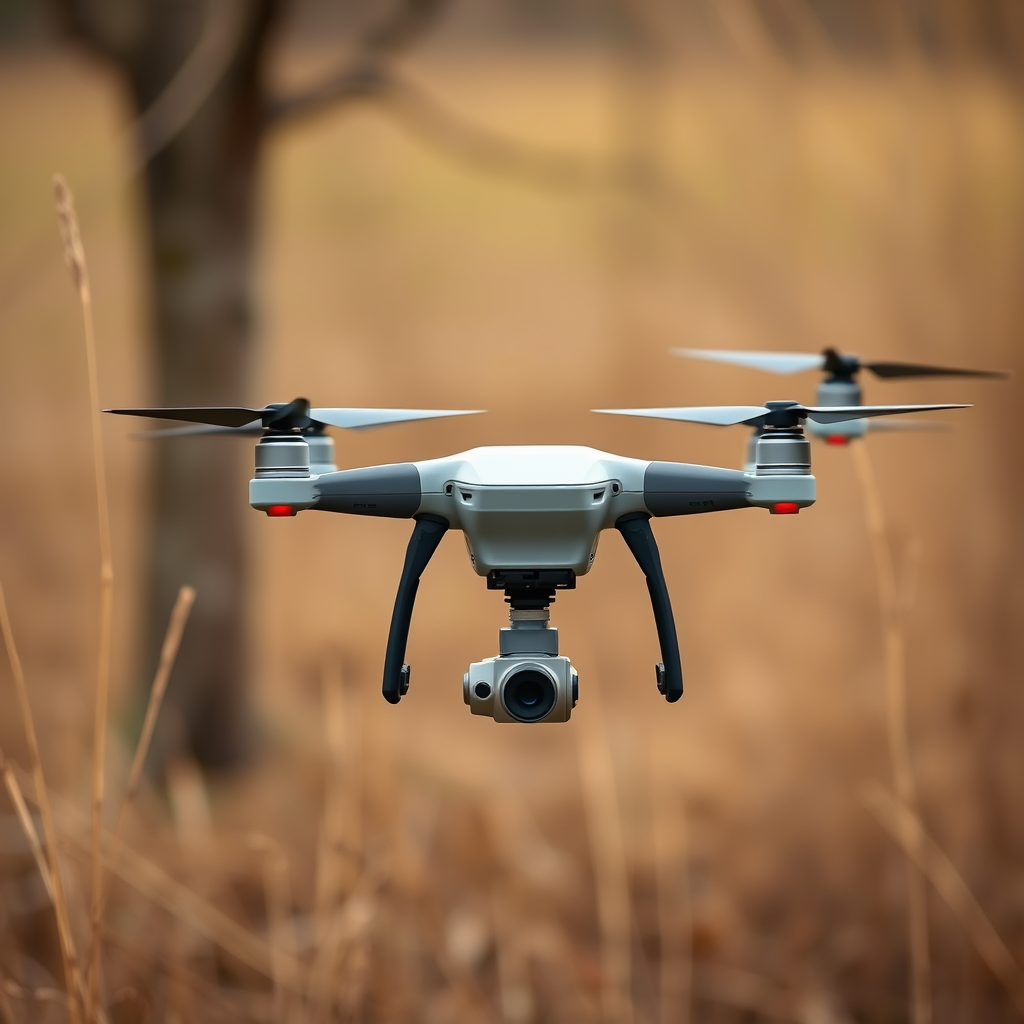
The legality of using drones for hunting is not uniform across the United States; it varies significantly by state. Many states have specific regulations governing the use of drones, particularly in the context of hunting. For instance, some states like Alaska and Utah allow the use of drones for scouting purposes, while others, such as California, have outright bans on using drones for both scouting and hunting. It is essential for hunters to check local regulations before using drones in their hunting practices to ensure compliance.
In addition to state regulations, hunters must also consider the ethical implications of using drones, which often emphasize the principle of fair chase. Fair chase is a cornerstone of ethical hunting, advocating for a level playing field between the hunter and the hunted. Some wildlife management agencies argue that utilizing drones can provide an unfair advantage, disrupting the natural behavior of wildlife and undermining the spirit of the hunt. Therefore, understanding and respecting these regulations is crucial for anyone considering the use of drones in deer hunting.
Benefits of Using Drones in Deer Hunting
Drones offer several advantages that can significantly enhance the deer hunting experience. One of the most notable benefits is their ability to provide an aerial view of the hunting terrain. This perspective allows hunters to locate deer more efficiently than traditional scouting methods. By observing the landscape from above, hunters can identify trails, bedding areas, and food sources that may not be visible from the ground.
Moreover, drones can cover vast areas quickly, which is particularly beneficial for hunters scouting large properties or public lands. For instance, a drone can easily survey hundreds of acres in a fraction of the time it would take a hunter to walk the same distance. This efficiency not only saves time but also helps hunters strategize their approach by pinpointing the most promising locations for deer activity.
Additionally, modern drones are equipped with advanced imaging technology, including thermal and night vision capabilities. These features allow hunters to detect deer in low-light conditions, further enhancing their scouting efforts. By utilizing drones, hunters can gain valuable insights into deer movements and behaviors, ultimately improving their chances of a successful hunt.
Ethical Considerations in Drone Usage
While the technological benefits of drones are intriguing, their use in hunting raises significant ethical questions. One major concern is the potential disruption to wildlife. The presence of a drone can induce stress in deer and other wildlife, altering their natural behaviors and movements. For example, deer may become skittish or change their feeding patterns in response to drone activity, making it more challenging for hunters to predict where they will be at any given time.
Moreover, the ethical implications of fair chase come into play when discussing drone usage. Many hunting communities advocate for practices that allow animals a reasonable chance to escape. The aerial advantage provided by drones can be seen as compromising this principle, sparking debate among hunters about what constitutes ethical hunting practices. Hunters are encouraged to reflect on these considerations and evaluate whether their use of drones aligns with their values and principles regarding hunting ethics.
Types of Drones Suitable for Hunting
When selecting a drone for hunting purposes, it is essential to understand the different types available and their respective advantages. Multirotor drones are among the most popular choices due to their stability and ease of use. These drones are equipped with multiple rotors, allowing for precise hovering and maneuverability. This makes them ideal for scouting and observing deer without disturbing the environment.
On the other hand, fixed-wing drones can cover larger areas and have longer flight times, which is advantageous for extensive scouting missions. However, they typically require more expertise to operate effectively. Fixed-wing drones can be particularly useful for hunters who need to survey vast landscapes quickly, making them a valuable tool in areas where deer populations are dispersed.
Ultimately, the choice between multirotor and fixed-wing drones depends on the specific needs of the hunter and the terrain in which they plan to operate. Understanding the features and capabilities of each type can help hunters make an informed decision that aligns with their hunting strategy.
Tips for Effectively Using Drones in Deer Hunting
To maximize the benefits of drones in deer hunting, hunters should consider several practical tips. First, planning drone flights during optimal times for deer movement, such as early morning or late evening, can enhance the chances of spotting deer. These times coincide with deer being most active, making it more likely to see them while scouting.
Hunters should also use drones primarily for scouting and observation rather than attempting to hunt directly from the air. This approach preserves the integrity of the hunt and aligns more closely with ethical hunting practices. By utilizing drones for their intended purpose, hunters can maintain a fair chase while still benefiting from the technology.
Additionally, it is advisable to familiarize oneself with the drone’s controls and features before heading into the field. This preparation can help avoid mishaps and ensure a smooth operation during critical scouting missions. Practicing drone maneuvers in various conditions can build confidence and skill, enabling hunters to use the technology to its fullest potential.
Maintenance and Safety Tips for Drones
Regular maintenance of drones is crucial to ensure their reliability and performance in the field. Hunters should regularly check the drone’s battery levels, propellers, and camera functionality to avoid any technical issues during crucial scouting missions. Keeping the drone clean and free from debris can also enhance its performance and longevity.
Safety protocols must also be prioritized when operating drones during hunting trips. For instance, hunters should always be aware of their surroundings and avoid flying drones near other hunters, wildlife, or private property without permission. Understanding and adhering to local regulations regarding drone usage is essential to prevent any legal complications.
Furthermore, hunters should be mindful of inclement weather conditions, as flying drones in high winds or rain can lead to accidents or malfunctions. By following safety guidelines and maintaining their drones properly, hunters can create a safer and more enjoyable hunting experience.
In conclusion, while drones can be a valuable tool in deer hunting for scouting and tracking, it’s essential to understand and adhere to regulations and ethical considerations. By using drones responsibly, hunters can enhance their experience while maintaining respect for wildlife and fair hunting practices. Always stay informed about local laws and prioritize the well-being of deer and their habitats. As technology continues to advance, the relationship between drones and hunting will undoubtedly evolve, presenting new opportunities and challenges for hunters in the years to come.
Frequently Asked Questions
Can you legally use drones for deer hunting in the United States?
The legality of using drones for deer hunting varies by state. Some states allow the use of drones for scouting and tracking, while others prohibit their use for any hunting-related activities, including locating or tracking game. It’s essential to check the specific regulations in your state or consult local wildlife authorities to ensure compliance and avoid potential legal issues.
How can drones enhance deer hunting experiences?
Drones can significantly enhance deer hunting experiences by providing aerial views of hunting grounds, allowing hunters to identify deer trails, bedding areas, and food sources that are otherwise difficult to see from the ground. Additionally, drones equipped with thermal imaging can help hunters locate deer during low-light conditions, increasing their chances of a successful hunt and improving overall scouting efficiency.
What features should I look for in a drone for deer hunting?
When selecting a drone for deer hunting, consider features such as high-resolution cameras for clear imagery, GPS capabilities for precise navigation, and flight time of at least 20-30 minutes to cover larger areas. Thermal imaging capabilities can also be beneficial for spotting deer in dense cover or low-light conditions. Additionally, ensure the drone has a durable build to withstand outdoor environments.
Why should I consider using a drone for scouting deer before the hunting season?
Using a drone for scouting deer before the hunting season allows hunters to gather valuable information about deer patterns, habitat preferences, and population density without disturbing the area. This technology provides a less invasive way to observe wildlife, enabling hunters to plan their strategies more effectively based on real-time data, ultimately leading to a more successful hunting season.
Which drones are best suited for deer hunting and scouting?
Some of the best drones for deer hunting include the DJI Mavic Air 2, which offers excellent camera quality and flight time, and the DJI Phantom 4 Pro, known for its robust features and stability. Other options include the Autel Robotics EVO Lite+ for its impressive imaging capabilities and extended flight range. When choosing a drone, prioritize factors like camera quality, battery life, and ease of use to enhance your hunting experience.
References
- https://www.nass.usda.gov/Newsroom/News_Releases/2021/2021-05-05-Drone-Use-in-Agriculture.pdf
- https://www.wildlife.state.nm.us/hunting/hunting-ethics-and-safety/
- https://www.dnr.state.mn.us/hunting/deer/index.html
- https://www.nass.usda.gov/Newsroom/News_Releases/2021/2021-05-05-Drone-Use-in-Agriculture.pdf
- https://www.wisconsin.gov/Pages/AllTopics/DeerHunting.aspx
- https://www.njfishing.com/hunting/faq.php
- https://www.fws.gov/hunting/
- https://www.nature.com/articles/s41598-020-67982-3
