
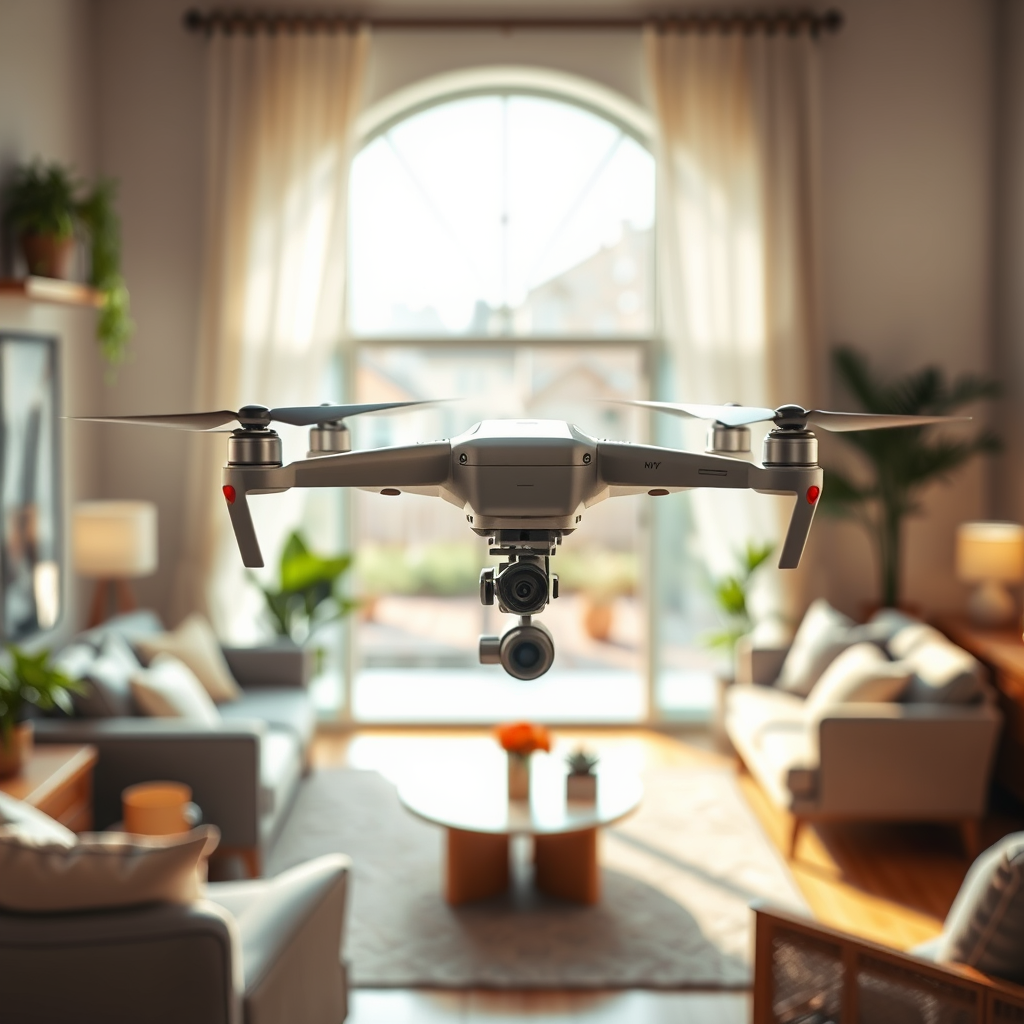
Drones can typically fly as close as 50 to 100 feet from residential buildings, but specific regulations vary by location. Understanding the rules and safety measures is crucial for drone operators to avoid legal issues and ensure the privacy of homeowners. This article will delve into the intricate web of regulations, privacy concerns, safety guidelines, best practices, and future developments in drone laws, providing a comprehensive resource for drone enthusiasts and operators.
Understanding Drone Regulations
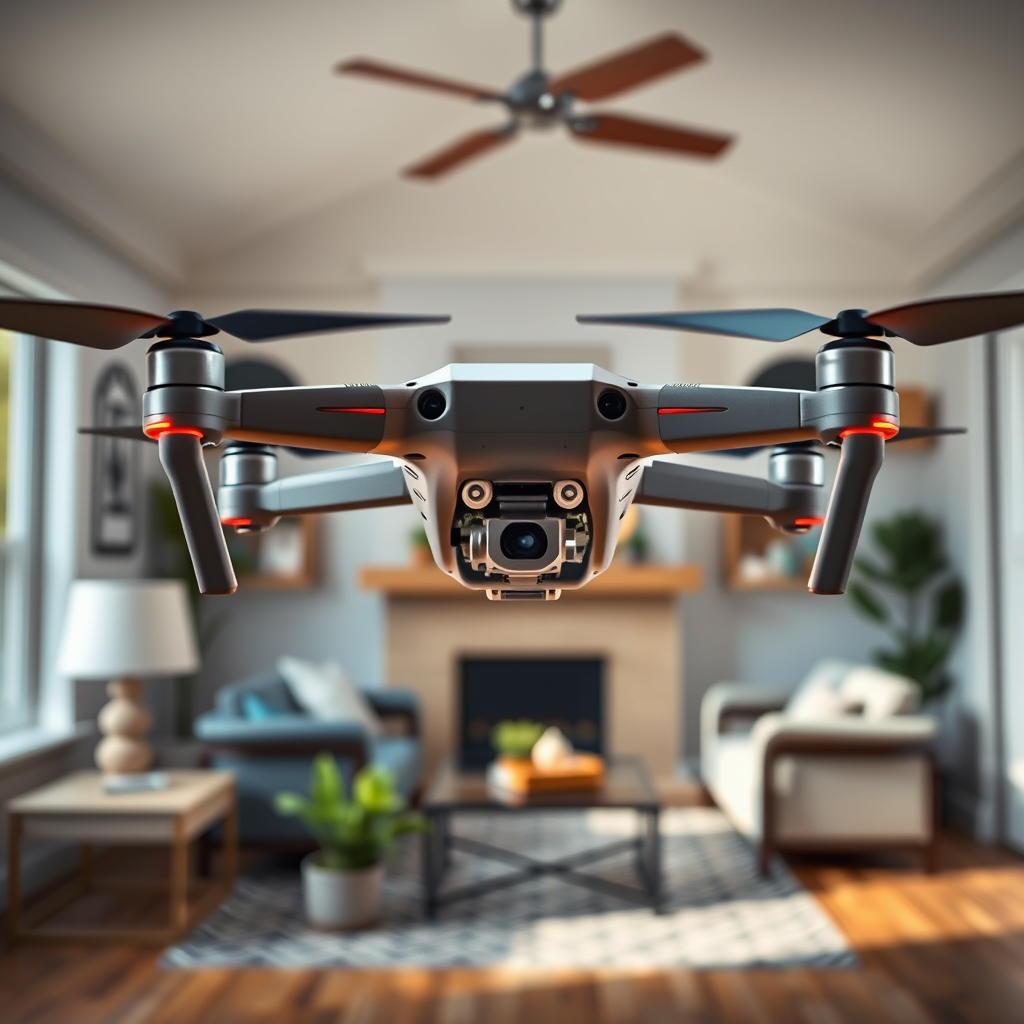
The Federal Aviation Administration (FAA) regulates drone operations across the United States, establishing a framework that governs flight altitudes and operational boundaries. According to the FAA, drone operators must maintain a minimum distance from people and structures to ensure safety. Generally, this means that drones should fly at least 50 to 100 feet away from residential buildings, but the specifics can vary based on local laws.
Local jurisdictions may impose additional restrictions beyond federal mandates, often driven by community concerns regarding noise, privacy, and safety. For example, cities may have ordinances that restrict drone flights in densely populated areas or near schools and parks. Moreover, many homeowners’ associations (HOAs) have their own rules regarding the use of drones in residential neighborhoods. It is essential for drone operators to familiarize themselves with both federal and local regulations to avoid potential fines or legal consequences.
Privacy Concerns and Legal Implications
As drone technology becomes more accessible, privacy concerns have surged among homeowners. Many individuals feel uneasy about drones flying over their properties, fearing invasions of privacy. In some cases, homeowners may have legal recourse if a drone operator captures images or video footage without consent, as this could be deemed an infringement of privacy rights.
Understanding the legal boundaries surrounding drone use is vital for operators. For instance, laws regarding trespassing and privacy vary significantly from state to state. Some regions may have stringent drone laws that protect citizens from unwanted surveillance, while others may be more lenient. Operators can protect themselves from lawsuits by adhering to local privacy laws and being transparent about their drone activities. Obtaining permission from homeowners when flying close to residences can go a long way in fostering goodwill and avoiding conflicts.
Safety Guidelines for Drone Operators
Safety should be a top priority for drone operators, especially when flying near residential areas. Maintaining a safe distance from houses is not only a regulatory requirement but also a best practice to prevent accidents and potential property damage. Operators should be particularly cautious of obstacles such as power lines, trees, and other structures that can pose hazards during flight.
Drone operators should also stay informed about the specific capabilities of their drones, including flight range, battery life, and responsiveness. A well-maintained drone is less likely to experience technical malfunctions that could lead to crashes. Additionally, operators should be aware of their surroundings, keeping an eye out for pedestrians, pets, and other potential hazards. Using a spotter to assist with monitoring the drone’s flight path can further enhance safety.
Best Practices for Flying Drones Near Residential Areas
Implementing best practices can significantly improve the experience for both drone operators and nearby residents. One effective strategy is to utilize technology to track and manage flight paths. Many modern drones come equipped with GPS capabilities that allow operators to set predetermined flight paths, helping to ensure that they avoid flying too close to homes.
Obtaining permission from homeowners before flying in their vicinity is another best practice that can foster goodwill and minimize friction. This simple gesture can help build trust and demonstrate respect for the privacy of others. If a homeowner expresses concerns about drone activity, operators should be willing to adjust their flight plans accordingly.
Additionally, operators should proactively communicate their intentions. Posting on local community boards or forums about planned drone flights can help alleviate any concerns residents may have. Transparency is key to ensuring a harmonious relationship between drone operators and the community.
Impact of Drone Noise and Disturbance
The sound produced by drones can be a significant source of disturbance in residential areas. Many drones emit a noticeable buzzing sound that can be disruptive, particularly in quiet neighborhoods. Therefore, operators should consider the noise level of their drones and its potential impact on residents.
Scheduling flights during reasonable hours is essential for minimizing disturbances. Flying early in the morning or late in the evening can lead to complaints from homeowners who value their peace and quiet. By adhering to a sensible flight schedule, operators can demonstrate courtesy and consideration for the community.
Additionally, operators can choose quieter drone models designed to minimize noise pollution. These models are often equipped with advanced technology that reduces the sound produced during flight, making them a more considerate choice for residential areas.
The Role of Local Authorities
Local authorities play a crucial role in regulating drone operations within their jurisdictions. Given the variability of local ordinances, it is imperative for drone operators to check with city or county regulations before flying. Local governments may have specific guidelines that dictate where and when drones can be flown, as well as any necessary permits or licenses required for operation.
Local authorities can also provide valuable guidance to drone operators regarding permissible flight zones. Understanding these designated areas can help operators avoid conflicts with local regulations and ensure that they are flying in safe and legal environments. Engaging with local authorities can also pave the way for productive discussions about drone use in the community, fostering collaboration and understanding.
Future of Drone Regulations
As drone technology continues to evolve, so too will the regulations governing their use. The rapid advancement of drone capabilities, including the potential for autonomous flights and delivery services, will likely prompt significant changes in legislation. Operators should remain informed about updates to regulations that could affect their flying practices.
Emerging technologies such as drone traffic management systems and advanced air traffic control solutions may also influence future regulations. These innovations could pave the way for more streamlined operations and improved safety measures, ultimately benefiting both operators and the communities they serve.
Staying abreast of industry news, joining professional organizations, and participating in community discussions can help drone operators remain compliant with evolving regulations. By being proactive, operators can adapt to changes and continue to enjoy their passion for flying drones responsibly.
In conclusion, understanding how close drones can fly to houses involves a combination of federal and local regulations, privacy concerns, and safety practices. By adhering to these guidelines, drone operators can enjoy their hobby while respecting the rights of homeowners. Continuous education and awareness of the regulations are imperative for responsible flying, ensuring that drone use remains a positive addition to the community.
Frequently Asked Questions
What are the legal restrictions on how close drones can fly to houses?
Legal restrictions regarding how close drones can fly to houses vary by country and local jurisdiction. In the United States, the Federal Aviation Administration (FAA) regulates drone use, stating that drones should not fly over private property without permission. Additionally, many states have laws that prohibit flying drones at low altitudes over residences, often defined as within 500 feet. Always check local regulations and seek permission to avoid legal issues.
How can I prevent drones from flying too close to my house?
To prevent drones from flying too close to your house, you can install privacy measures such as fencing and landscaping, which can act as a physical barrier. Additionally, you might consider posting signs indicating that drone surveillance is prohibited, which can deter operators. Engaging with local authorities to report frequent intrusions can also help enforce regulations and protect your privacy.
Why do some drones fly close to residential areas?
Drones may fly close to residential areas for various reasons, including recreational use, aerial photography, or surveying properties for real estate purposes. Some operators may be unaware of the legal restrictions or privacy concerns associated with flying near homes. Understanding these motivations can help homeowners address their concerns and engage with drone pilots constructively.
What should I do if a drone is flying too close to my house?
If a drone is flying too close to your house and you feel uncomfortable, the first step is to document the incident by taking photos or videos of the drone and noting the time and date. You can then attempt to identify the operator and discuss your concerns directly. If the situation persists or escalates, consider reporting the drone to local law enforcement or the FAA, especially if you believe it is violating privacy laws.
Which drone models are commonly used for flying close to residential areas?
Many consumer drones are designed for close-range flying, particularly those used for photography and videography, such as the DJI Mavic series or the Parrot Anafi. These drones are often compact and equipped with high-quality cameras, making them popular choices for hobbyists and professionals alike. It’s important to be aware that while these drones can operate near homes, their pilots must still adhere to local regulations to ensure they respect privacy and safety.
References
- https://en.wikipedia.org/wiki/Drone_regulations
- https://www.faa.gov/uas/resources/policies_regulations/
- https://www.faa.gov/uas/getting_started/
- https://www.nytimes.com/2021/06/18/technology/drones-regulations.html
- https://www.reuters.com/business/aerospace-defense/faa-issues-new-drone-rules-aimed-increasing-safety-2021-12-23/
- https://www.npr.org/2020/12/29/951413073/faa-issues-new-rules-for-drones-in-us
- https://www.techrepublic.com/article/the-faa-issues-new-guidance-on-drone-flying-near-houses/
- https://www.bbc.com/news/technology-54526474
