

Civilian drones can typically fly anywhere from 1 to 7 miles, depending on various factors such as the drone model, battery life, and environmental conditions. Understanding these parameters can help users maximize their drone’s capabilities and ensure safe operations. In this blog post, we will delve into the specifications of different drone models, the impact of environmental conditions, legal regulations, tips for maximizing flight range, safety considerations, and a comparison of popular civilian drone models. Each of these elements plays a crucial role in determining how far a drone can effectively and safely fly.
Understanding Drone Specifications
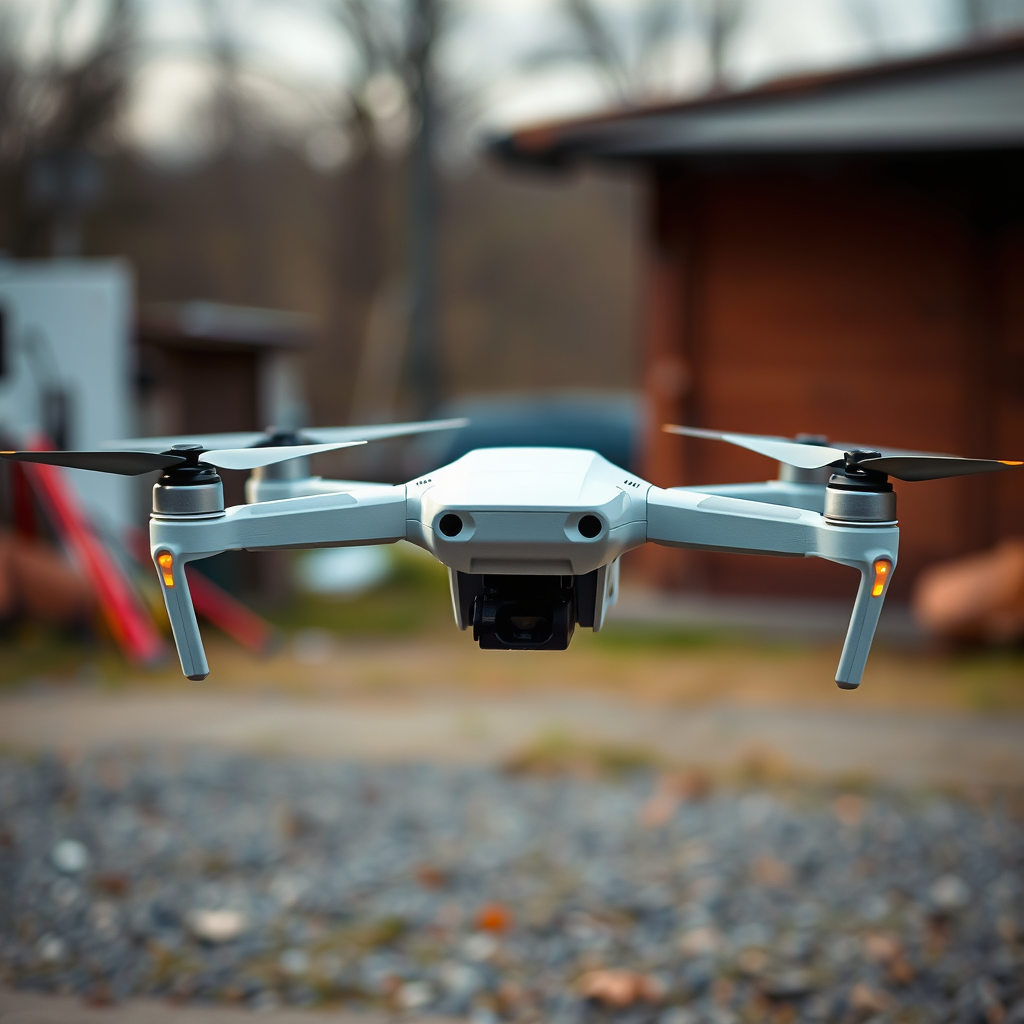
Different drone models have varying maximum ranges, influenced significantly by their specifications and design. High-end drones, such as the DJI Mavic 3 and the Autel EVO Lite+, can achieve impressive flight distances of up to 7 miles under optimal conditions. These advanced models often include superior GPS systems, high-capacity batteries, and enhanced signal transmission technologies that allow for greater control and range. Conversely, entry-level drones typically have shorter ranges, often between 1 to 3 miles, due to less powerful batteries and simpler technology.
Battery capacity plays a crucial role in determining flight distance. Most civilian drones are equipped with lithium-polymer (LiPo) batteries, which vary in mAh (milliamp hours) rating. A higher mAh rating typically translates to longer flight times and distances. For instance, a drone with a 4,000 mAh battery may fly longer than one with a 2,500 mAh battery, assuming all other factors remain constant. Therefore, when selecting a drone, it’s essential to consider both its battery capacity and the efficiency of its motors and electronics.
Environmental Factors Affecting Flight Range
Weather conditions can significantly influence a drone’s flight range. For example, strong winds can reduce stability and control, making it challenging to maintain a straight path, which can limit effective distance. Rain, fog, and extreme temperatures can also affect flight performance by interfering with battery efficiency and sensor accuracy. Pilots should always check the weather forecast before flying and avoid operating drones in adverse conditions to ensure safety and optimal performance.
Urban environments present additional challenges for drone flight. Buildings, trees, and other obstructions can interfere with the drone’s signal, causing it to lose connection with the remote control or GPS. This interference can drastically reduce the maximum range and flight stability. Pilots flying in urban settings should be especially cautious and may want to conduct test flights in open areas to gauge their drone’s performance before venturing into more populated locations.
Legal Regulations Impacting Flight Distance
Legal regulations play a vital role in determining how far a civilian drone can fly. In the United States, the Federal Aviation Administration (FAA) mandates that drones must remain within the visual line of sight of the operator. This regulation inherently limits the distance a drone can be flown, as pilots must be able to visually monitor their aircraft at all times. Additionally, there are restrictions on flying drones over populated areas or near airports, which can further limit operational range.
Local laws may impose additional restrictions that affect range, often varying by state or municipality. Some areas may have designated no-fly zones, including parks, schools, and government buildings, where drone flight is prohibited. It is crucial for drone operators to familiarize themselves with both federal and local regulations before planning a flight to ensure compliance and avoid legal repercussions.
Tips for Maximizing Your Drone’s Flight Range
To maximize a drone’s flight range, consider investing in a high-capacity battery. Upgrading to a battery with a larger mAh rating can significantly extend flight times and distances. Additionally, using external signal boosters or antennas can enhance the communication range between the drone and the remote control, allowing for more extensive operations without signal loss.
Ensuring that the drone’s firmware is updated is another critical step for optimal performance. Manufacturers frequently release updates that improve flight stability, GPS accuracy, and battery management. Regularly checking for and installing these updates can help ensure that the drone operates at its best, which can ultimately extend flight range.
Moreover, planning the flight path in advance can help maximize distance. Utilizing features such as waypoints can allow the drone to fly autonomously, conserving battery life and reducing the need for constant manual control, which can sometimes lead to inefficient flying patterns.
Safety Considerations for Long-Distance Flights
Safety should always be a top priority when conducting long-distance drone flights. Before takeoff, pilots should conduct a thorough pre-flight check to ensure that all systems, including GPS, battery levels, and control systems, are fully operational. This assessment helps identify any potential issues that could arise during flight, minimizing risks.
Keeping a close eye on battery levels is essential when flying at long distances. Many drones come equipped with a battery monitoring system that alerts pilots when levels are low. However, it is wise to set a predetermined return point or time to ensure the drone is brought back safely before the battery runs out. Planning a return route that allows for enough reserve power to make it back is a crucial consideration for any drone operator engaged in long-distance flights.
Popular Civilian Drone Models and Their Ranges
Several civilian drone models stand out for their impressive flight ranges, catering to various needs and budgets. The DJI Mavic 3, for instance, boasts a maximum flight distance of up to 7 miles, thanks to its high-capacity battery and advanced transmission technology. It is ideal for professional photographers and videographers who require extended range and stability.
Another popular model, the Autel EVO Lite+, offers a range of approximately 6 miles and is known for its excellent camera quality and superior performance in windy conditions. For those on a budget, the DJI Mini SE provides a more manageable range of 3 miles but is highly regarded for its user-friendly interface and lightweight design.
When comparing these models, features such as GPS accuracy, camera systems, and battery life must be considered, as they all impact the overall flight experience and range capabilities.
In conclusion, while civilian drones can fly impressive distances, understanding the limitations and factors affecting their range is essential. From specifications and environmental conditions to legal regulations and safety considerations, a comprehensive understanding will help drone operators make informed decisions and maximize their flying experience. With the right knowledge and preparation, you can confidently explore the skies while ensuring safe and compliant operations.
Frequently Asked Questions
How far can a civilian drone typically fly?
The flight range of a civilian drone can vary significantly based on its design and purpose. Most consumer drones have a maximum range of about 1 to 5 miles (1.6 to 8 kilometers) from the pilot, depending on battery life and transmission technology. Advanced drones, especially those used for commercial purposes, can achieve ranges of up to 10 miles (16 kilometers) or more, particularly when equipped with enhanced antennas and GPS capabilities.
What factors affect a civilian drone’s flight distance?
Several factors can influence how far a civilian drone can fly, including battery capacity, weight, environmental conditions, and transmission technology. Drones with larger batteries can fly farther, while heavy payloads can reduce flight range. Additionally, obstacles like buildings and trees can interfere with signal transmission, limiting the effective distance a drone can operate safely.
Why do some civilian drones have limited range compared to others?
The range of civilian drones is often limited by design choices, including battery size, motor efficiency, and the type of communication technology used. Entry-level drones typically prioritize affordability and ease of use, which can lead to shorter flight ranges. In contrast, high-end models designed for professional use incorporate advanced systems that enhance range and stability, allowing for greater operational distances.
Which civilian drones are known for having the longest flight range?
Drones like the DJI Mavic 3 and the Autel Robotics EVO Lite+ are renowned for their impressive flight ranges, often exceeding 8 miles (12.9 kilometers) under optimal conditions. These drones feature advanced transmission systems, robust batteries, and efficient aerodynamics, making them suitable for professional photography, surveying, and other applications that require extended flight distances.
How can I extend the flight distance of my civilian drone?
To extend the flight distance of your civilian drone, consider upgrading to a higher-capacity battery or using extended-range antennas. Additionally, flying in open areas with fewer obstacles can enhance signal strength and reception. Regular maintenance, such as ensuring that propellers are clean and properly calibrated, can also help optimize flight performance and distance.
References
- https://en.wikipedia.org/wiki/Drone#Civilian_drones
- https://www.faa.gov/uas/getting_started/remote_id
- https://www.nist.gov/news-events/news/2021/01/what-you-need-know-about-drones
- https://www.theguardian.com/technology/2021/sep/28/drone-flight-range-civilian-use
- https://www.nrcan.gc.ca/science-data/science-research/earth-sciences/geography/land-use/land-use-planning-why-it-matters/19570
- https://www.faa.gov/uas/media/Part_107_Summary.pdf
- https://www.aa.usda.gov/sites/default/files/documents/USDA_UAS_Use.pdf
- https://www.cnbc.com/2021/06/22/drones-can-fly-farther-than-you-think.html
