
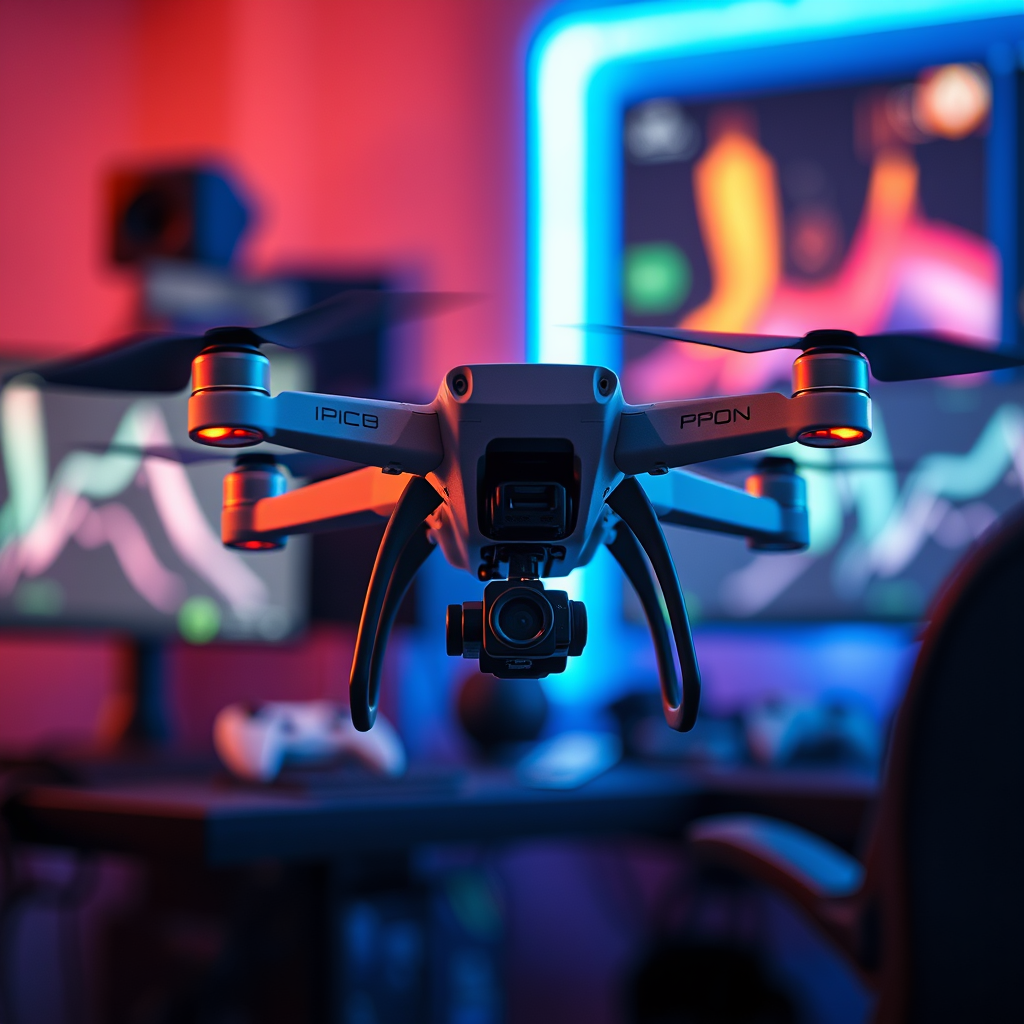
Drones can typically fly up to several miles away from their controllers, depending on the model and conditions. High-end consumer drones can reach distances of 4 to 7 miles, while racing drones may have shorter ranges but higher speeds. Understanding the distance limitations and factors affecting range is crucial for safe and effective drone operation. This article delves into the various aspects that influence how far a drone can fly from its controller, equipping enthusiasts and operators with the knowledge necessary for optimal performance.
Understanding Drone Transmission Technology
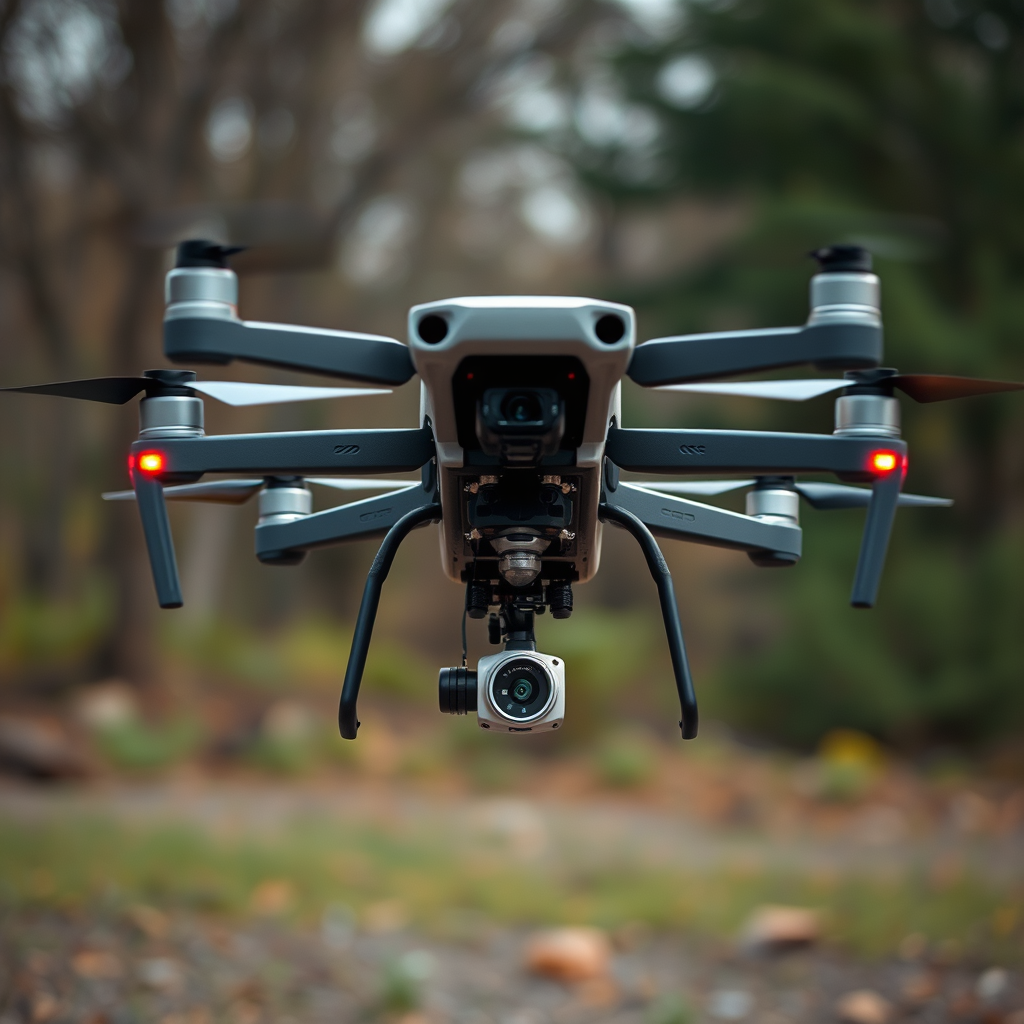
The distance a drone can fly from its controller is heavily influenced by the type of transmission technology used. The most common transmission methods are Wi-Fi and radio frequency (RF) communication. Wi-Fi drones typically operate in the 2.4 GHz or 5.8 GHz bands, which allow for high data transmission rates but can be susceptible to interference from other devices, such as routers and microwaves. On the other hand, RF communication, often used in more advanced models, can provide a more stable connection over longer distances.
The frequency of the signal is another critical factor. For instance, drones operating at 2.4 GHz can achieve longer ranges but may experience more interference, while those at 5.8 GHz may have a shorter range but can transmit clearer signals in crowded environments. Understanding these transmission technologies enables drone operators to choose the right model for their intended application, whether for leisure, photography, or racing.
Factors Affecting Drone Range
Several environmental factors can significantly impact a drone’s operational range. Terrain plays a vital role; flying over open fields allows for greater distances compared to urban landscapes filled with buildings and other obstacles. Similarly, natural barriers such as trees and hills can obstruct signals, resulting in reduced range. Weather conditions also play a pivotal role; wind, rain, and temperature can affect battery performance and signal stability, potentially limiting how far a drone can fly.
Battery life and power output are additional factors that directly influence range. Drones with higher-capacity batteries can sustain longer flights, while those with weaker batteries may require a return to the controller sooner. Furthermore, a drone’s power output affects its ability to maintain a consistent signal over distance. Operators should be aware of these limitations and plan their flights accordingly to avoid potential disconnection or loss of control.
Types of Drones and Their Ranges
The type of drone being used greatly affects the distance it can fly from its controller. Consumer drones, such as those made by DJI and Autel, typically feature advanced technology that allows for impressive ranges — often between 4 to 7 miles under optimal conditions. These drones are equipped with powerful antennas and sophisticated software that enhance their signal strength, making them suitable for aerial photography and videography.
In contrast, racing drones, designed for high-speed performance and agility, often prioritize speed over distance. Their ranges are generally shorter, averaging about 1 to 2 miles due to their reliance on more lightweight components and the need for quick responsiveness. However, racing drones can cover this distance rapidly, which is ideal for competitive environments where speed is paramount.
Specialized drones, such as those used for surveying or agricultural purposes, often have unique range capabilities tailored to their specific functions. These drones may utilize enhanced transmission technologies or larger batteries to cover extensive areas, allowing for efficient data collection and monitoring.
Legal Regulations on Drone Flight Distance
Operating a drone is not solely a matter of technical capabilities; legal regulations also play a crucial role in determining how far a drone can fly from its controller. In the United States, the Federal Aviation Administration (FAA) imposes regulations that limit flight distances to maintain safety in the airspace. Drones must remain within the visual line of sight of the operator, typically translating to a maximum distance of about 3 to 4 miles, depending on the operator’s eyesight and the drone’s capabilities.
Moreover, no-fly zones and airspace restrictions further limit operational range. Areas such as airports, military bases, and crowded urban regions are often designated as no-fly zones, prohibiting drone flights to ensure public safety. Operators need to be cognizant of these regulations and check local laws before embarking on flights, as violations can lead to legal repercussions and fines.
Enhancing Drone Range
For those looking to maximize their drone’s range, there are several strategies to consider. One effective method is to utilize signal boosters or aftermarket antennas designed to enhance transmission strength. These can help extend the operational distance by improving the signal quality, especially in environments where interference is prevalent.
Additionally, optimizing battery life is crucial for extending flight distance. Operators can ensure their drones are fully charged and maintain them properly to avoid power loss. Flying in optimal weather conditions, avoiding aggressive maneuvers, and reducing payload weight can also contribute to better battery performance. Furthermore, utilizing flight planning apps can help operators chart efficient flight paths, ensuring that their drones can cover the required distances effectively.
Safety Considerations When Flying Drones
Maintaining safety is paramount when operating drones, particularly regarding range limitations. It is essential for operators to keep their drones within visual line of sight at all times. Not only does this help in navigating and avoiding obstacles, but it also complies with legal regulations and ensures the operator can respond promptly in case of emergencies.
Risks associated with losing connection to a drone can lead to potential crash scenarios. If a drone exceeds its range and loses signal, it may enter failsafe mode, attempting to return to its takeoff point. However, if the battery is low or obstacles are encountered, this return may not be successful. Therefore, operators should establish clear flight plans, adhere to range limitations, and remain vigilant throughout their flights.
In conclusion, the distance a drone can fly from its controller varies greatly depending on several factors, including technology, model, and regulations. Understanding these aspects is essential for drone enthusiasts and operators to ensure a safe and enjoyable flying experience. By considering transmission technology, environmental factors, and legal regulations, operators can maximize their drone’s potential while adhering to safety protocols. Always consult your drone’s manual and local laws to stay informed, ensuring responsible and effective drone operation.
Frequently Asked Questions
How far can a consumer drone fly from its controller?
The distance a consumer drone can fly from its controller varies significantly depending on the model, frequency of the remote control, and environmental factors. Typically, most consumer drones have a range of about 1 to 7 kilometers (0.6 to 4.3 miles). However, high-end models, like those from DJI, can reach distances up to 10 kilometers (6.2 miles) under optimal conditions, such as clear skies and minimal interference.
What factors affect the maximum range of a drone from its controller?
Several factors influence the maximum range of a drone from its controller, including the type of communication technology used (Wi-Fi, RF, etc.), battery life, transmitter power, and the drone’s antenna design. Environmental factors like obstacles (trees, buildings), weather conditions (rain, fog), and electromagnetic interference from other devices can also significantly affect range, potentially reducing the distance the drone can effectively fly from the controller.
Why does the range of a drone matter for users?
Understanding the range of a drone is crucial for users as it directly impacts flight planning, safety, and the overall user experience. Knowing the limitations of a drone’s range helps prevent losing connection, which can result in the drone becoming unresponsive or crashing. Additionally, knowing the range allows users to effectively capture aerial footage or perform inspections without exceeding the control limits.
Which drones have the longest range capabilities?
Drones with the longest range capabilities are typically found in the higher-end consumer and professional markets. For example, the DJI Mavic 3 can reach up to 15 kilometers (9.3 miles) in optimal conditions, while the DJI Phantom 4 Pro has a range of approximately 7 kilometers (4.3 miles). Other notable mentions include the Autel Robotics EVO Lite+ and the Skydio 2, which also offer impressive range performance for various applications.
How can I maximize the range of my drone from its controller?
To maximize the range of your drone from its controller, ensure you are flying in an open area free from obstacles and interference. Use the latest firmware updates for both the drone and the controller, as manufacturers often improve range with updates. Additionally, consider using an external antenna or signal booster, and maintain a clear line of sight with the drone to enhance the connection quality and extend its operational range.
References
- https://en.wikipedia.org/wiki/Drone
- https://www.faa.gov/uas/getting_started/remote_id
- https://www.cnbc.com/2021/06/10/how-far-can-drones-fly-what-to-know-about-drone-range.html
- https://www.researchgate.net/publication/327569267_Analysis_of_the_Communication_Range_of_a_Drone
- https://www.nytimes.com/2020/02/19/technology/drones-distance-control.html
- https://www.sciencedirect.com/science/article/abs/pii/S2213138819300171
