
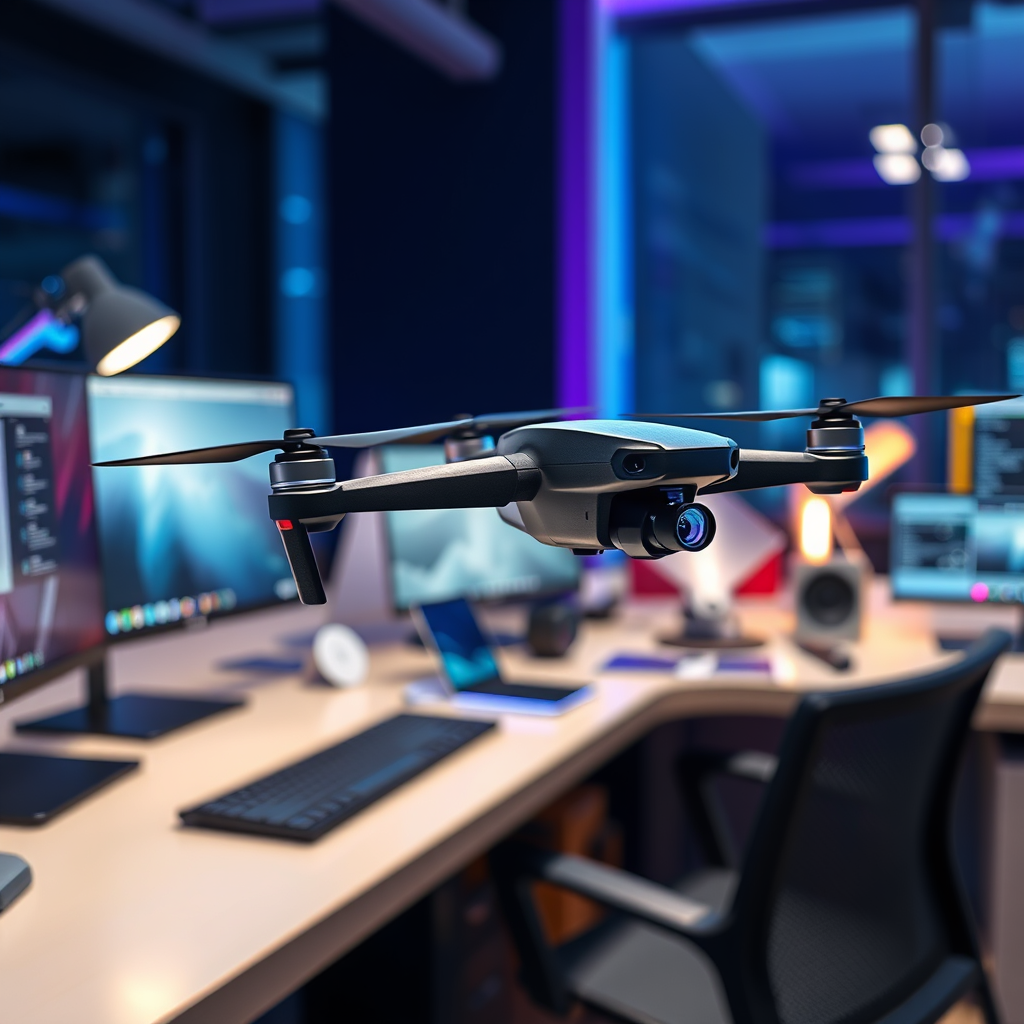
Mini drones can typically fly anywhere from 100 to 1000 meters, depending on various factors such as battery life, design, and environmental conditions. Understanding these elements can help you maximize your drone’s flight distance and performance, ensuring you get the most out of your investment. This blog post delves into the intricacies of mini drone flight capabilities, exploring the key factors that influence how far these agile devices can travel.
Understanding Mini Drone Flight Range
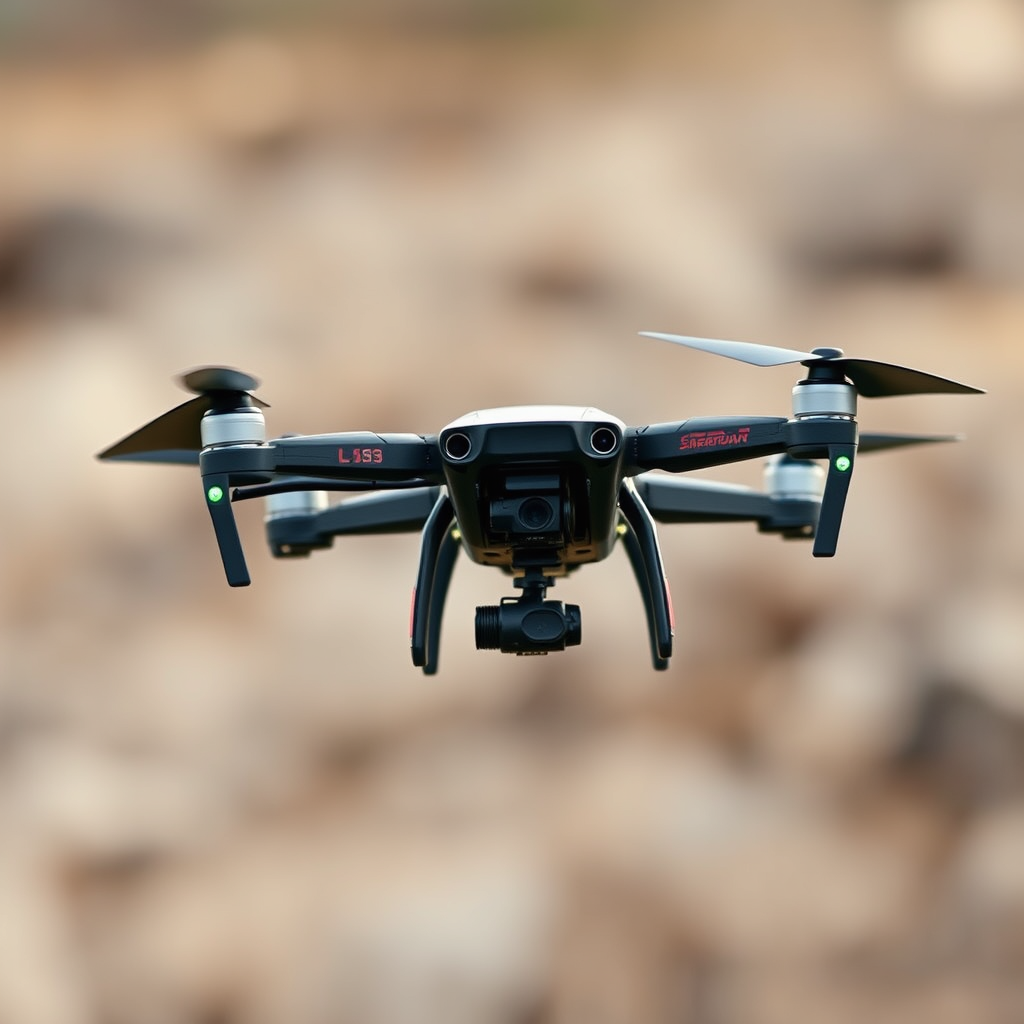
Mini drones have varying flight ranges based on their specifications, which can significantly affect their usability for different applications. Typical consumer-grade mini drones have a maximum flight distance of 300 to 500 meters, although some high-end models can push this boundary to 1000 meters or more under ideal conditions. For instance, models like the DJI Mini 2 offer impressive ranges of approximately 10 kilometers, but such distances are generally achieved in open landscapes without interference. The flight range is a critical aspect for users looking to capture aerial photography, conduct inspections, or enjoy recreational flying. Understanding the specifications of your mini drone and its intended use will help set realistic expectations regarding its performance.
Factors Affecting Flight Distance
Several factors significantly influence the distance a mini drone can fly, with battery capacity being one of the most critical. Drones are generally powered by lithium-polymer (LiPo) batteries, which come in various capacities measured in milliamp hours (mAh). A drone with a higher mAh rating can sustain longer flights, but it also tends to be heavier, which can offset some of the benefits. For example, a mini drone with a 1500 mAh battery might fly for 25 minutes, while a drone with a 3000 mAh battery could extend that time to 40 minutes under optimal conditions.
Additionally, the drone’s weight and aerodynamics play a crucial role in determining its flight range. Lighter drones with streamlined designs can achieve greater distances as they require less energy to remain airborne. On the other hand, a heavier drone may struggle against gravity, resulting in reduced range and battery life. Manufacturers often aim to strike a balance between weight and battery capacity, which is why understanding your drone’s design is essential when considering its flight capabilities.
Environmental Influences
The environment in which a mini drone operates can significantly impact its effective flight distance. Wind conditions, for example, can reduce a drone’s range as the aircraft must expend additional energy to maintain stability and altitude in strong gusts. A drone flying against a headwind may experience a considerable decrease in distance, while tailwinds can help extend its range. Therefore, pilots should always check weather conditions before flying and avoid operating during high winds or inclement weather to ensure optimal performance.
Obstacles such as buildings, trees, and hills can also interfere with signal transmission and flight range. Mini drones rely on radio signals to communicate with their remote controllers, and physical barriers can weaken this connection. For instance, a drone flying in a dense urban environment may face signal loss or reduced range compared to one flying in an open field. To maximize flight distance, it’s advisable to choose open spaces for flying and maintain a direct line of sight with the drone whenever possible.
Technology and Features
Advancements in technology have led to the development of mini drones featuring GPS capabilities, which enhance their ability to maintain distance and return to the starting point. Drones equipped with GPS can autonomously navigate to waypoints, making them ideal for complex flight paths and longer distances. This technology is particularly useful for applications such as surveying, mapping, or monitoring wildlife, where precise positioning is crucial.
Moreover, the presence of obstacle avoidance technology can significantly affect flight patterns and range. Drones equipped with sensors can detect obstacles in real-time and alter their flight path to avoid collisions. While this feature enhances safety, it may also lead to reduced range if the drone frequently recalibrates its course to navigate around obstacles. Understanding how these technologies interact can help pilots better plan their flights and achieve the desired results.
User Experience and Skills
A pilot’s skill level can profoundly influence how effectively a drone can be flown at maximum distance. Experienced operators who understand the nuances of drone control can often achieve greater distances than novices, as they are better equipped to manage the drone’s flight dynamics and respond to changing conditions. For instance, seasoned pilots are adept at using throttle management to conserve battery life, allowing for longer flights.
Regular practice can enhance a pilot’s understanding of the drone’s controls and capabilities, enabling them to maximize flight range effectively. Engaging in simulations or practicing in a controlled environment can build confidence and improve skills. Additionally, participating in flying clubs or online forums can provide valuable insights and techniques to help pilots extend their range and enhance their overall flying experience.
Safety Regulations and Limitations
Many regions have regulations that limit how far drones can fly from the operator, primarily for safety and privacy reasons. In the United States, the Federal Aviation Administration (FAA) mandates that drones must remain within the visual line of sight of the operator, which typically limits their effective range. Similar regulations exist in other countries, with specific guidelines on altitude, proximity to populated areas, and restricted airspaces.
Awareness of local laws is crucial to ensure safe and legal operation. Operators should familiarize themselves with regulations governing drone use in their region to avoid fines or legal repercussions. Additionally, those wishing to fly beyond the visual line of sight may need to obtain special permissions or certifications, which can involve additional training and compliance with more stringent safety measures.
In conclusion, while mini drones can fly significant distances, understanding the various influencing factors is essential for optimizing their performance. From battery capacity and environmental conditions to technological advancements and user skills, each element plays a crucial role in determining how far a mini drone can fly. Whether you’re a novice or an experienced pilot, being aware of these factors will enhance your flying experience, ensure compliance with regulations, and help you achieve the best results for your aerial endeavors.
Frequently Asked Questions
How far can a mini drone typically fly on a single charge?
The flight range of a mini drone varies significantly based on the model and battery capacity, but most mini drones can fly between 100 to 300 meters (328 to 984 feet) on a single charge. High-end mini drones with powerful batteries may reach distances of up to 4 kilometers (2.5 miles), while budget options usually have shorter ranges. It’s important to check the specifications of your specific mini drone to understand its maximum flight distance.
What factors affect the flying distance of a mini drone?
Several factors can influence a mini drone’s flying distance, including battery life, environmental conditions, and the presence of obstacles. Wind speed can reduce flight range, as can interference from buildings or trees that block the drone’s signal. Additionally, the weight of the drone and any payload it carries can also impact its flight performance and distance.
Why is the maximum flight distance of mini drones often limited?
The maximum flight distance of mini drones is often limited due to the constraints of battery technology and radio signal transmission. Mini drones prioritize lightweight design for better maneuverability and battery life, which can restrict their range. Furthermore, regulatory restrictions regarding drone operation in certain areas can also limit how far a drone can legally fly from its operator.
Which mini drones offer the best flight range?
Some of the best mini drones for flight range include models like the DJI Mini 2, which boasts a maximum range of up to 10 kilometers (6.2 miles) under optimal conditions, and the Holy Stone HS720, known for its impressive 1 kilometer (0.62 miles) range. When selecting a mini drone, consider both the advertised range and user reviews to ensure it meets your needs for distance flying.
How can I extend the flight range of my mini drone?
To extend the flight range of your mini drone, consider upgrading to high-capacity batteries designed for your model, as they provide longer flight times and distances. Additionally, flying in open areas away from obstacles and interference can help maximize your drone’s range. Keeping the drone at an optimal altitude and maintaining a direct line of sight with the controller also enhances the signal strength, which can further increase flying distance.
References
- https://en.wikipedia.org/wiki/Drone
- https://www.faa.gov/uas/getting_started/part_107/
- https://www.nytimes.com/2021/03/04/technology/drone-regulations.html
- https://www.sciencedirect.com/science/article/pii/S2352864817300479
- https://www.reuters.com/technology/drone-delivery-service-aims-take-off-uk-2021-06-30/
- https://www.sans.org/white-papers/40209/
- https://www.nasa.gov/feature/nasa-s-drones-take-to-the-skies-for-science
- https://www.nationalgeographic.com/science/article/how-drones-are-changing-the-world
- https://www.techrepublic.com/article/what-you-need-to-know-about-drone-flight-ranges-and-limits/
