

You cannot legally shoot a drone over your property in Alabama, as it violates both state and federal laws regarding the use of firearms and airspace rights. This prohibition underscores the importance of understanding the legal implications and potential consequences for property owners who may wish to manage drone activity encroaching upon their airspace. With the rapid increase in drone usage for recreational and commercial purposes, it is essential for property owners to be informed about the laws that govern drone operations and their rights regarding airspace.
Understanding Drone Regulations in Alabama
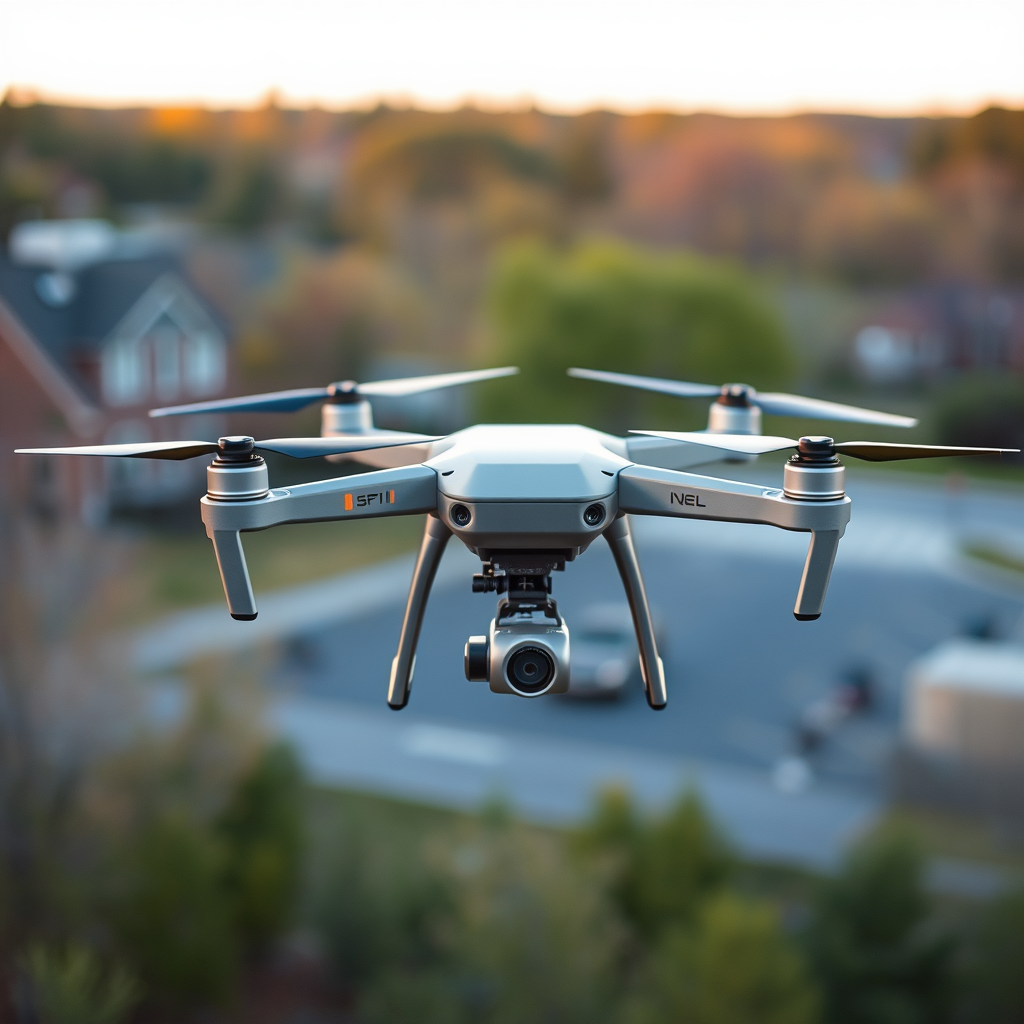
Alabama’s drone regulations are primarily governed by both state laws and federal regulations established by the Federal Aviation Administration (FAA). The Alabama Law Enforcement Agency (ALEA) oversees state laws that relate to the operation of unmanned aerial vehicles (UAVs), ensuring they comply with safety and privacy standards. Under Alabama Code Title 13A, drone operators must adhere to specific guidelines, such as not flying drones over private property without consent.
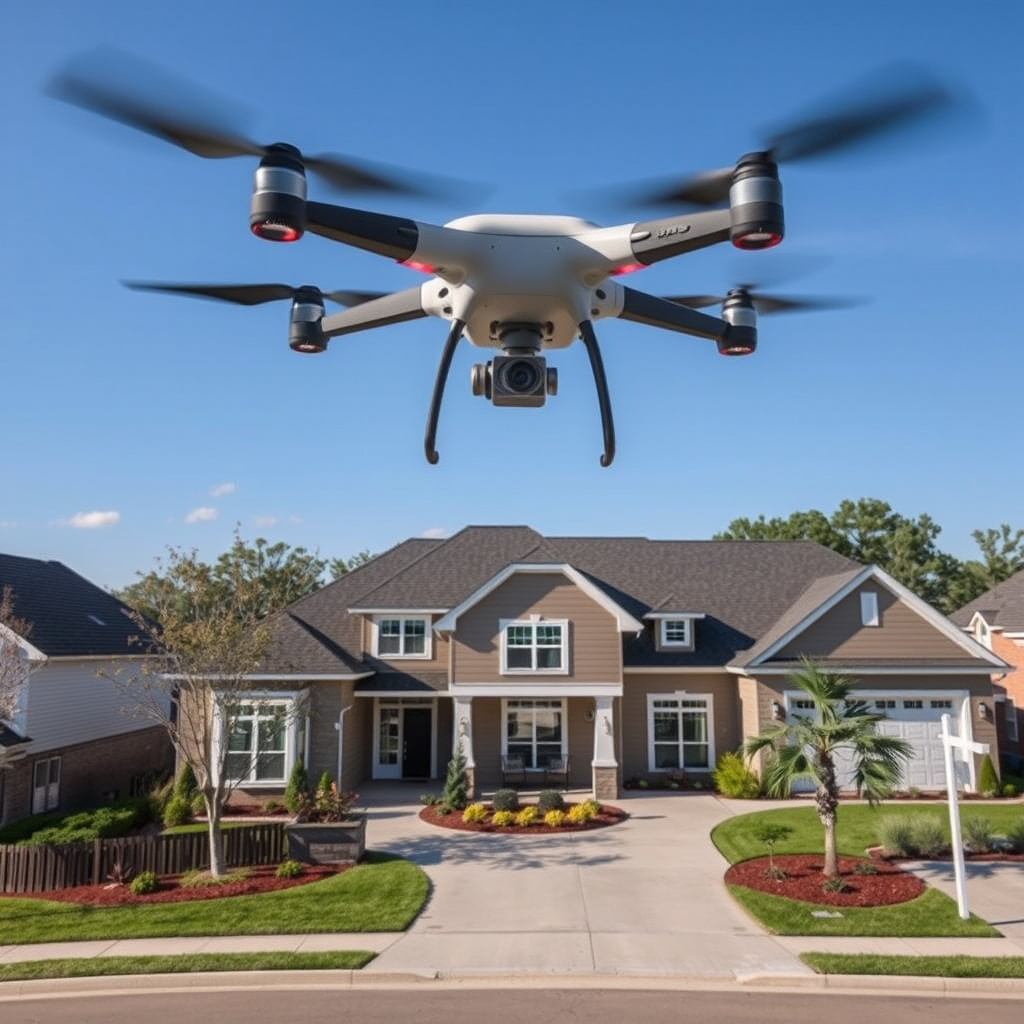
On a federal level, the FAA regulates all airspace in the United States, including that above Alabama. FAA regulations stipulate that drones cannot be flown above 400 feet and must remain within the operator’s visual line of sight. Additionally, the FAA has established a framework that allows for the safe integration of drones into the national airspace system. Violating these FAA regulations can lead to severe consequences, including fines and the revocation of a drone operator’s license.
Airspace Rights and Ownership
When discussing airspace rights, the concept of “navigable airspace” is critical. According to federal law, property owners generally own the airspace directly above their land only to a certain altitude. The FAA defines navigable airspace as that which is necessary for the flight of aircraft, meaning that operators of drones must comply with regulations governing this airspace.
Legal precedents have established that while property owners have rights to the use and enjoyment of their land, these rights do not extend indefinitely into the sky. For instance, the 1946 case of United States v. Causby established that landowners have rights to the airspace directly above their property, but only to the extent that it is necessary for the use and enjoyment of their land. This means that while you can claim ownership of the airspace to a certain height, you cannot take physical action against drones flying within navigable airspace, as such actions could lead to legal repercussions.
Legal Consequences of Shooting a Drone
Discharging a firearm in Alabama, particularly in a manner that targets a drone, can lead to severe legal consequences. Under Alabama law, it is illegal to fire a gun recklessly or negligently. If a property owner were to shoot down a drone, they could face criminal charges, including unlawful discharge of a firearm, which could result in fines, probation, or even imprisonment.
Moreover, there are civil liabilities to consider. If a drone is shot down, the operator may pursue damages against the property owner for loss of the drone, potential injury, or disruption of business operations if the drone was being used for commercial purposes. Such civil suits can lead to significant financial repercussions, including damages, legal fees, and other costs associated with the incident.
Alternative Measures to Address Drone Concerns
Instead of resorting to extreme measures such as shooting a drone, property owners have several non-violent options to address concerns about unwanted drone activity. One of the most effective approaches is to contact local authorities or law enforcement agencies and report the drone’s presence, especially if it appears to be invading privacy or operating in a dangerous manner.
Additionally, property owners may consider investing in drone detection and monitoring systems that can help identify unauthorized drone activity in their vicinity. These systems can provide peace of mind and enable owners to collect evidence in case they need to report the drone operator to authorities. Furthermore, some companies offer technology that can disrupt drone signals, thereby preventing drones from flying over private property without resorting to illegal actions.
The Role of Local Law Enforcement
Local law enforcement plays an essential role in addressing drone-related complaints. When property owners report a drone nuisance, law enforcement agencies can investigate the situation and assess whether the drone is violating any laws or regulations. Officers are trained to handle drone-related incidents and can provide guidance on the best courses of action, including mediation between the property owner and the drone operator.
It is crucial for property owners to understand the importance of reporting drone nuisances or suspicious activity rather than attempting to take matters into their own hands. By working with local law enforcement, property owners can ensure that their concerns are addressed legally and effectively, potentially avoiding legal repercussions associated with unlawful actions.
Understanding Drone Use and Privacy Issues
Drones can pose significant privacy concerns for property owners, especially if they are used for surveillance or intrusive purposes. This has raised questions about individual privacy rights in the face of advancing technology. Alabama law does provide some protection against invasion of privacy, but it can be challenging to navigate the legal landscape surrounding drone usage.
Property owners concerned about their privacy can take proactive steps to protect themselves without resorting to extreme measures. For instance, they can install privacy fences, strategically plant trees or shrubs, or use window treatments to minimize exposure to potential surveillance. Additionally, being aware of state and federal privacy laws regarding drone use can empower property owners to take appropriate action if they believe their rights are being violated.
In conclusion, while it may be frustrating to have drones flying over your property, shooting one down is not a legal solution in Alabama. Instead, consider exploring legal avenues to address your concerns and ensure your rights are protected. Understanding the regulations surrounding drone use, the implications of airspace rights, and alternative methods for addressing unwanted drone activity will equip property owners with the knowledge they need to navigate this complex issue. Always stay informed about local laws and regulations regarding drone use, as these can evolve alongside advancements in technology.
Frequently Asked Questions
Can I legally fly a drone over my own property in Alabama?
Yes, you can legally fly a drone over your own property in Alabama, provided you adhere to the Federal Aviation Administration (FAA) regulations. This includes flying below 400 feet, keeping your drone within visual line-of-sight, and not flying near airports or other restricted airspaces. Additionally, it’s important to respect the privacy of your neighbors and avoid capturing images or videos that may invade their privacy.
What are the FAA regulations I need to follow when flying a drone in Alabama?
When flying a drone in Alabama, you must comply with FAA regulations that apply nationwide. These include registering your drone if it weighs over 0.55 pounds, avoiding flying over people, maintaining a distance of at least 5 miles from airports without prior notification, and only flying during daylight hours. Familiarizing yourself with these regulations will help ensure that your drone usage is both safe and legal.
Are there any local laws in Alabama that restrict drone flying over private property?
While Alabama does not have specific statewide laws prohibiting drone flights over private property, local municipalities may have their own regulations. It’s essential to check with your local city or county ordinances, as some areas may have restrictions regarding drone use, especially in residential zones or near sensitive locations. Always ensure you are informed about both state and local laws to avoid potential legal issues.
Why should I consider insurance for my drone when flying over my property?
Having insurance for your drone is a wise decision, even when flying over your own property. Drone insurance can protect you from liability in case of accidents that result in property damage or personal injury. Additionally, if your drone is lost or damaged, insurance can help cover repair or replacement costs, giving you peace of mind while you enjoy your aerial activities.
What are the best practices for flying a drone over my property in Alabama?
To ensure safe and responsible drone flying over your property in Alabama, follow these best practices: always check the weather conditions before flying, keep your drone within visual line-of-sight, and avoid flying near people or animals. Additionally, respect your neighbors’ privacy by avoiding capturing their property without consent and be mindful of noise levels. Following these practices will enhance your experience and foster good relations within your community.
References
- https://www.faa.gov/uas/getting_started/remote_id
- https://www.faa.gov/uas/
- https://www.nolo.com/legal-encyclopedia/drone-laws-alabama-327201.html
- https://www.alabamapublicradio.org/post/alabama-regulations-drones
- https://www.legis.state.al.us/alison/codeofalabama/1975/13A-6-92.htm
- https://www.brookings.edu/research/drone-regulation-in-the-united-states/
- https://www.npr.org/2020/01/07/794107562/states-are-enacting-drone-laws-as-faa-regulations-lag
