
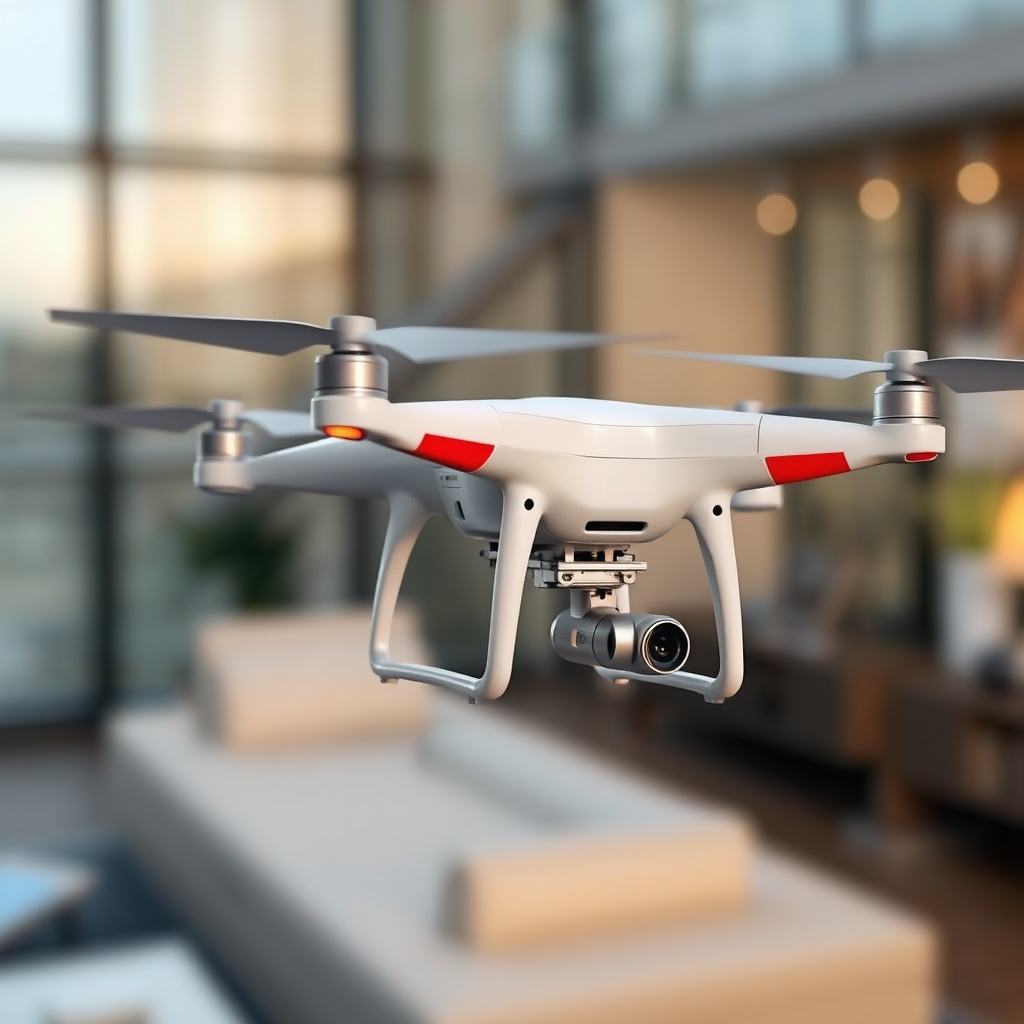
The DJI Phantom 3 drone can fly up to approximately 3.1 miles (5 kilometers) under optimal conditions. This impressive range is contingent upon various factors, including battery life, environmental conditions, and potential obstacles in the flight path. Understanding these dynamics is crucial for drone enthusiasts and professionals alike who aim to maximize their flight experiences. In this article, we will delve into the specifics of the Phantom 3’s capabilities, the factors that influence its range, and best practices for achieving the most out of your flights.
Understanding the Phantom 3’s Specifications
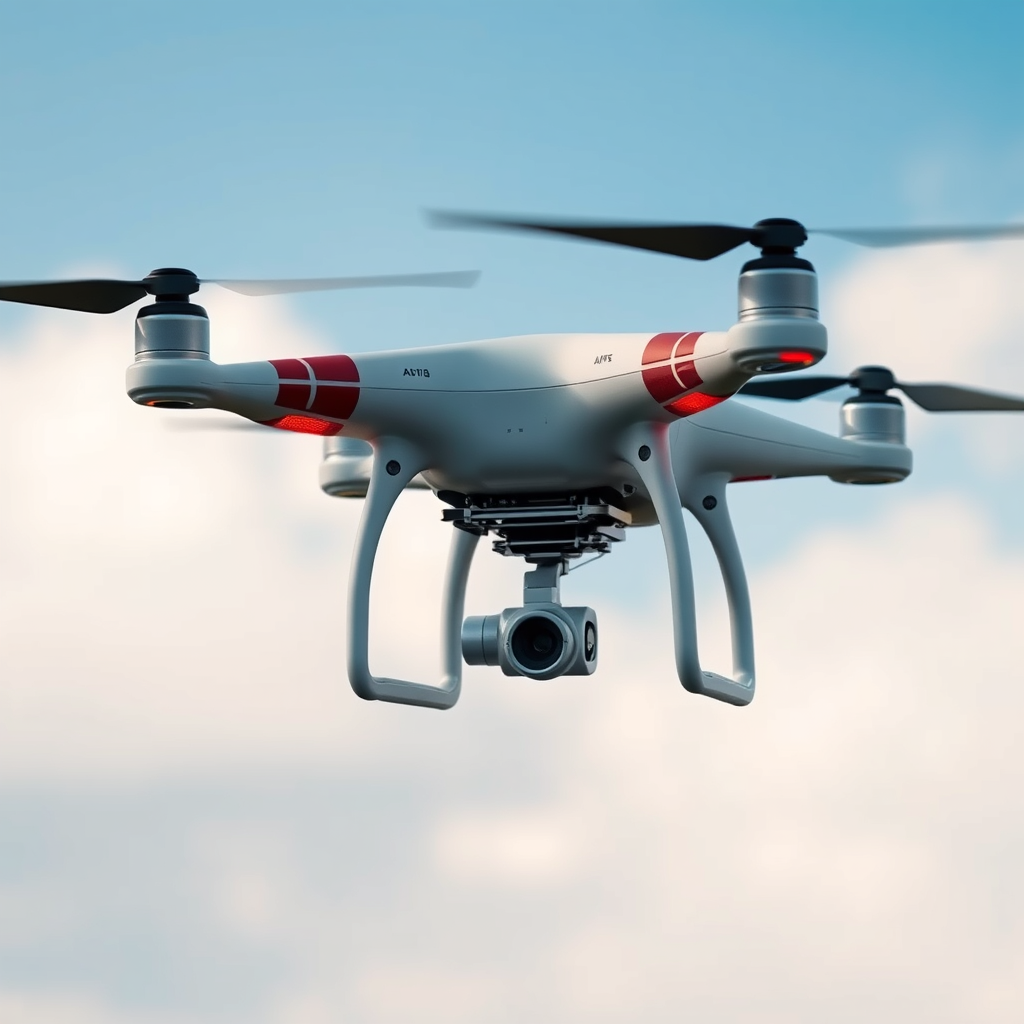
The DJI Phantom 3 is a robust and versatile consumer drone that integrates advanced technology to enhance user experience. With a maximum range of 3.1 miles (5 kilometers), it is designed for both recreational and professional use, making it a popular choice among aerial photographers and videographers. The drone is powered by a high-performance lithium polymer battery, which is engineered to support its extended flight capabilities. This battery allows for a balance between weight and energy efficiency, enabling users to capture stunning aerial footage while enjoying a generous flight range.
The Phantom 3 also boasts several features that enhance its usability, including GPS-assisted flight, intelligent flight modes, and a high-definition camera capable of recording 4K video. These specifications not only contribute to its maximum range but also ensure that users can achieve high-quality results during their flights.
Factors Affecting Flight Range
While the maximum range of the Phantom 3 is impressive, several factors can influence its actual performance during flight.
– Weather Conditions: Adverse weather conditions can significantly impact flight distance. High wind speeds can make it challenging for the drone to maintain stability and direction, potentially leading to a decrease in effective range. Furthermore, rain or snow can disrupt signal transmission and affect battery performance, reducing overall flight time.
– Obstacles: Physical barriers such as buildings, trees, and other structures can interfere with the drone’s communication with its controller. This interference can result in signal loss, which not only limits the operational range but also poses a risk to safe flying. For optimal performance, pilots should always consider the layout of their surroundings before launching the drone.
Battery Life and Performance
Battery life is another critical component affecting the Phantom 3’s range. On a full charge, the drone typically offers a flight time of around 20 to 25 minutes, depending on various factors such as payload and flying conditions. As the battery depletes, the drone’s performance may diminish, leading to reduced flight capabilities.
Additionally, the age and health of the battery can significantly impact both range and flight time. Lithium polymer batteries can lose capacity over time, which may result in shorter flights and decreased reliability. Regular maintenance and timely replacement of the battery will help maintain optimal performance, allowing users to enjoy the full potential of their Phantom 3.
Signal and Transmission Technology
The DJI Phantom 3 employs Wi-Fi technology for video transmission, which is a double-edged sword. While it facilitates high-quality video streaming to the user’s device, it can also be susceptible to interference from various sources. For instance, crowded urban areas with numerous electronic devices can cause signal disruption, limiting the effective range of the drone.
To maximize flight range and maintain a strong connection, it is advisable to keep a clear line of sight between the drone and its controller. This practice not only enhances signal strength but also ensures that the pilot can maintain visual control over the drone, which is paramount for safe operation.
Best Practices for Maximizing Range
To fully leverage the capabilities of the Phantom 3, drone operators should adopt several best practices:
– Fly in Open Areas: Choosing wide-open spaces for flights minimizes potential signal disruptions caused by obstacles. Parks, fields, or remote locations are ideal environments for maximizing flight distance while ensuring safety.
– Regular Maintenance: Routine checks of both hardware and software are essential for optimal performance. Keeping the firmware up to date and ensuring that all components are in good working condition can significantly enhance flight efficiency.
– Pre-Flight Planning: Before launching, pilots should assess weather conditions and potential obstacles in the area. Utilizing drone-specific applications can provide real-time data on wind speed and environmental factors, aiding in informed decision-making.
Legal Restrictions and Considerations
When operating a drone, it is vital to be aware of legal restrictions that may affect flight distance. Many jurisdictions have specific regulations regarding the maximum altitude and distance a drone can fly from its operator. Familiarizing yourself with local laws is essential for compliance and safety.
Moreover, adhering to the requirement of maintaining visual line of sight (VLOS) during flight is not only a legal obligation but also a best practice for ensuring the safety of both the drone and its surroundings. Operators should always prioritize safety and legality when planning their flights, as failure to do so can result in penalties or dangerous situations.
In conclusion, while the Phantom 3 drone can soar up to 3.1 miles under ideal conditions, various factors—including weather, obstacles, battery health, and legal considerations—can affect this range. By understanding these elements and implementing best practices, drone enthusiasts can enhance their flying experience and ensure safe operations. For further insights into drone flying techniques and tips, we invite you to continue exploring our blog.
Frequently Asked Questions
What is the maximum flight range of a Phantom 3 drone?
The maximum flight range of a Phantom 3 drone typically extends to about 3.1 miles (5 kilometers) under optimal conditions. This range can be affected by various factors such as interference from buildings, trees, and weather conditions. Always ensure you are flying within the visual line of sight and adhere to local regulations for drone flight.
How can I extend the flight distance of my Phantom 3 drone?
To extend the flight distance of your Phantom 3 drone, you can take several steps: ensure your drone’s firmware is up-to-date, fly in open areas free from interference, and use a high-gain antenna. Additionally, reducing the weight on the drone by removing unnecessary accessories and optimizing battery performance can help maximize your range.
Why does my Phantom 3 drone lose signal during flight?
Your Phantom 3 drone may lose signal due to several reasons, including flying out of the controller’s range, interference from other electronic devices, or physical obstacles obstructing the signal. To mitigate this issue, try to maintain a direct line of sight with the drone and avoid flying near tall structures or crowded areas with high electromagnetic interference.
What are the best practices for flying a Phantom 3 drone to maximize distance?
To maximize the distance when flying your Phantom 3 drone, follow these best practices: always fly in areas with minimal obstacles, avoid flying in high wind conditions, keep the drone’s battery fully charged, and utilize GPS mode for stable flight. Additionally, consider flying during the early morning or late afternoon when atmospheric conditions are generally more stable.
Which Phantom 3 model has the longest flight range?
Among the Phantom 3 series, the Phantom 3 Professional is recognized for having the longest flight range, capable of reaching up to 3.1 miles (5 kilometers). The Professional model also features enhanced camera capabilities and better battery performance, making it a popular choice for drone enthusiasts looking for extended flight capabilities and superior image quality.
References
- https://en.wikipedia.org/wiki/Phantom_3
- https://www.faa.gov/uas/getting_started/
- https://www.nytimes.com/2015/10/20/science/drones.html
- https://www.techrepublic.com/article/how-far-can-drones-fly/
- https://www.nasa.gov/centers/dryden/pdf/87289main_Dryden_Flight_Research_Annual_Report_2006.pdf
- https://www.dronepilotgroundschool.com/drone-flight-ranges/
- https://www.smithsonianmag.com/smart-news/drone-range-how-far-can-they-fly-180974094/
