
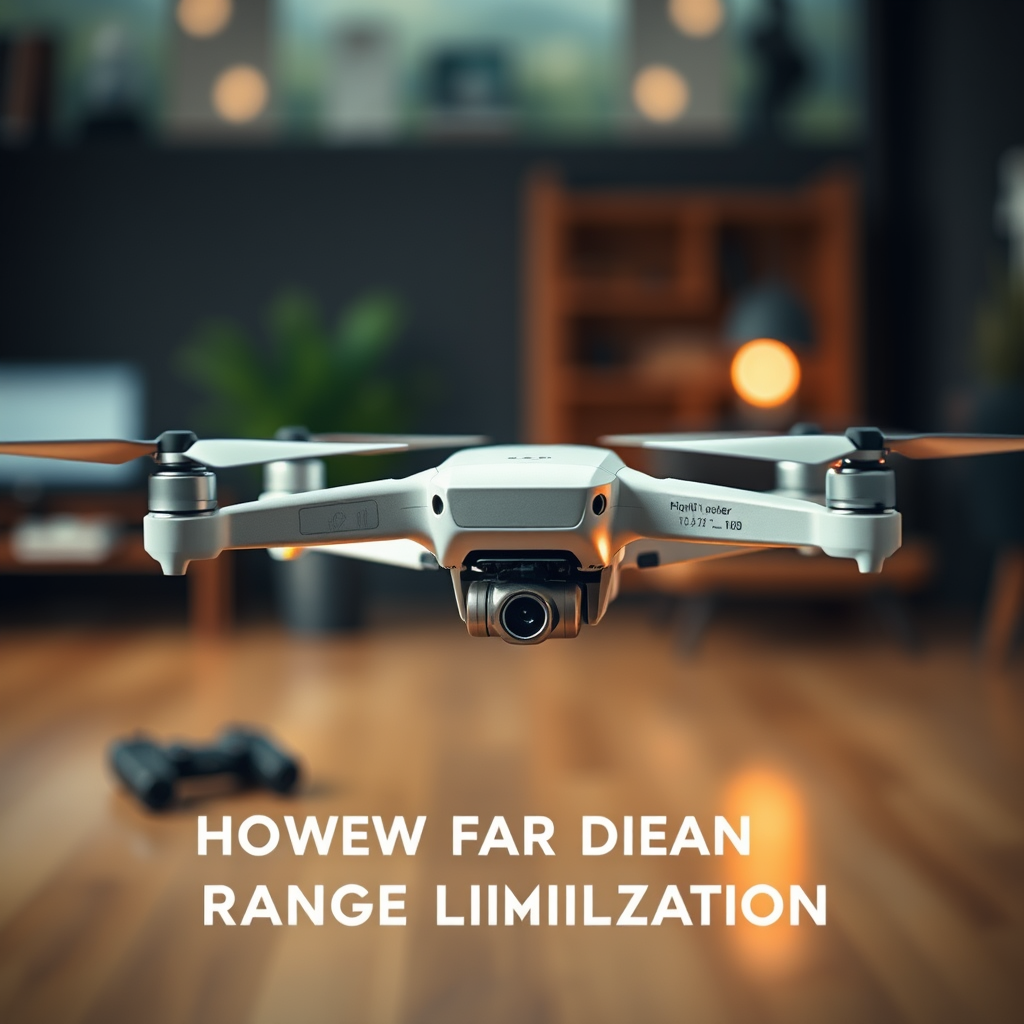
Drones can typically fly between 3 to 7 miles, depending on various factors such as battery life, weather conditions, and technology used. Understanding these range limitations is crucial for both recreational drone enthusiasts and professional operators. This article will delve into the factors that influence drone range, the various types of drones available, and the regulations that govern how far they can fly.
Factors Affecting Drone Range
– Battery Life: The battery life of a drone is one of the most significant factors impacting its range. Most consumer drones come equipped with lithium-polymer batteries that provide anywhere from 20 to 30 minutes of flight time under optimal conditions. For instance, a drone with a 30-minute flight time and a cruising speed of 10 mph can potentially cover around 5 miles, assuming no adverse conditions and that it flies directly to its destination without any hovering or maneuvering. However, as the battery depletes, the range diminishes, and pilots must return their drones before the battery runs out to avoid crashes.
– Environmental Conditions: Weather plays a crucial role in determining how far a drone can fly. Wind can dramatically affect a drone’s efficiency; strong headwinds can slow a drone down, reducing its effective range, while tailwinds can extend it, albeit at the risk of increased battery drain on the return flight. Additionally, temperature affects battery performance; colder temperatures can reduce battery efficiency, while excessively hot conditions can lead to overheating. Obstacles like buildings, trees, and even electromagnetic interference from power lines can also hinder a drone’s ability to maintain a stable connection with its controller, ultimately affecting its range.
Types of Drones and Their Ranges
– Consumer Drones: These drones are designed for hobbyists and casual users, primarily for aerial photography or recreational flying. Most consumer drones, such as the DJI Mavic Air or the Parrot Anafi, typically have ranges between 3 to 5 miles. These distances are adequate for personal use, providing users with the ability to capture stunning images and videos from various vantage points without venturing too far from their location. The ease of use and relatively inexpensive price points make these drones appealing to a wide audience.
– Professional Drones: On the other hand, professional drones are equipped with advanced technology, allowing them to achieve ranges of 7 miles or more. For instance, the DJI Matrice 300 RTK is designed for industrial applications and can operate at longer distances thanks to powerful batteries and enhanced communication systems. Professional drones are often used in commercial settings, such as surveying, mapping, and filmmaking, where extended range and reliability are crucial for successful operations. These drones come with features like obstacle avoidance systems and high-definition cameras, further enhancing their capabilities.
Regulations Impacting Drone Flight Distance
– FAA Regulations: In the United States, the Federal Aviation Administration (FAA) regulates drone usage through a set of guidelines that include maximum altitudes and distances. Under Part 107 regulations, commercial drone operators must maintain visual line-of-sight (VLOS) with their drone, which effectively limits how far they can fly. The FAA also imposes restrictions on flying over people and near airports, which can further limit operational range. Understanding these regulations is essential for any drone operator to ensure compliance and avoid legal repercussions.
– Local Laws: Beyond federal regulations, many local jurisdictions have additional rules that can impact how far drones may be flown. For example, some cities may have designated no-fly zones or restrictions on drone usage in public parks, which can significantly limit a drone’s operational range. It’s crucial for drone operators to research local laws and regulations before flying to ensure they adhere to all requirements.
Technology and Innovations in Drone Range
– Enhanced GPS Systems: Newer drones are equipped with sophisticated GPS technology that can improve range and reliability. Advanced GPS systems allow drones to maintain stable connections even in challenging environments, enabling them to fly further without losing control signals. Features such as GPS signal redundancy and enhanced navigation systems provide pilots with more confidence when flying at extended distances.
– Extended Battery Technology: Innovations in battery design are allowing drones to fly longer distances. Companies are actively developing new battery technologies, such as lithium-sulfur batteries, which promise higher energy densities and longer flight times. Additionally, advancements in energy management systems within drones can optimize power usage, allowing for extended flights without significant weight increases.
Practical Applications of Long-Range Drones
– Search and Rescue Operations: Drones equipped with extended range capabilities can cover vast areas quickly, making them invaluable in search and rescue scenarios. For instance, the use of drones in locating missing persons in remote areas demonstrates their effectiveness. These drones can relay real-time video feeds to search teams, allowing for quicker decision-making and deployment of resources.
– Agricultural Monitoring: Farmers utilize drones to monitor large fields, often requiring drones to fly several miles. Precision agriculture relies on drones to provide insights into crop health, soil conditions, and irrigation needs. Drones equipped with multispectral cameras can cover extensive agricultural landscapes, enabling farmers to make data-driven decisions that can improve yield and reduce costs.
Future Trends in Drone Range Development
– Hybrid Drones: The emergence of hybrid drones that combine battery and fuel technology presents exciting possibilities for extending drone range. Unlike traditional electric drones, hybrid models can utilize fuel cells or small combustion engines to achieve longer flight times, making them suitable for various applications, including logistics and delivery services.
– 5G Connectivity: The potential of 5G networks to enhance drone control and range cannot be understated. With faster data transmission rates and lower latency, 5G connectivity can allow for more reliable control over larger distances. This technology could enable real-time video streaming from drones to ground stations, improving applications in surveillance, emergency response, and delivery.
Understanding how far drones can fly involves considering various factors, including technology, regulations, and environmental conditions. As technology advances, the distance drones can cover is likely to increase, opening up new possibilities for their use. If you’re interested in drones, staying informed about the latest developments will help you maximize their potential in your applications and adapt to the evolving landscape of drone technology.
Frequently Asked Questions
How far can consumer drones fly on a single battery charge?
The range of consumer drones on a single battery charge varies significantly based on the model and conditions. Typically, most consumer drones can fly between 3 to 7 miles (5 to 11 kilometers) under optimal conditions, with high-end models potentially reaching distances of up to 10 miles (16 kilometers). Factors such as wind speed, battery health, and payload can affect the actual flying range.
What factors influence how far a drone can travel?
Several factors influence a drone’s travel distance, including battery capacity, weight, flight mode, and environmental conditions. Drones with larger batteries can generally fly farther, while those carrying additional weight (like cameras or sensors) may have reduced range. Additionally, weather conditions such as wind and temperature can impact battery performance and overall flight distance.
Why do some drones have longer flight ranges than others?
Drones with longer flight ranges typically have more advanced technology, larger batteries, and efficient aerodynamics. Premium models often use high-quality materials and optimized propulsion systems that enhance their performance. Furthermore, features such as GPS and advanced transmission systems allow for better control and extended range, making them suitable for various applications like aerial photography and surveying.
What is the maximum distance a professional drone can fly?
Professional drones can achieve impressive flight distances, often ranging from 5 to over 20 miles (8 to 32 kilometers) depending on the model and use case. For instance, drones designed for industrial applications, such as mapping or surveying, often have extended ranges due to robust battery systems and advanced communication technologies. It’s important to note that regulatory limits may apply based on your location.
Which drone brands offer the best range for long-distance flying?
Some of the most reputable drone brands known for their long-range capabilities include DJI, Parrot, and Autel Robotics. For instance, the DJI Mavic 3 boasts a maximum range of up to 15 kilometers (9.3 miles) with a reliable transmission system. When choosing a drone for long-distance flying, consider both the advertised range and real-world performance, as external factors can affect actual flight distances.
References
- https://en.wikipedia.org/wiki/Drone
- https://www.faa.gov/uas/getting_started/remote_pilot/
- https://www.nasa.gov/aeroresearch/programs/airspace/uas.html
- https://www.reuters.com/technology/us-regulator-approves-drones-fly-over-people-2021-12-10/
- https://www.cnbc.com/2021/12/10/drone-delivery-is-here-but-how-far-can-they-fly.html
- https://www.ucsusa.org/resources/drones-and-environmental-impact
- https://www.sciencedirect.com/science/article/abs/pii/S0968090X20302063
- https://www.nationalgeographic.com/science/article/how-drones-are-changing-the-way-we-see-the-world
