
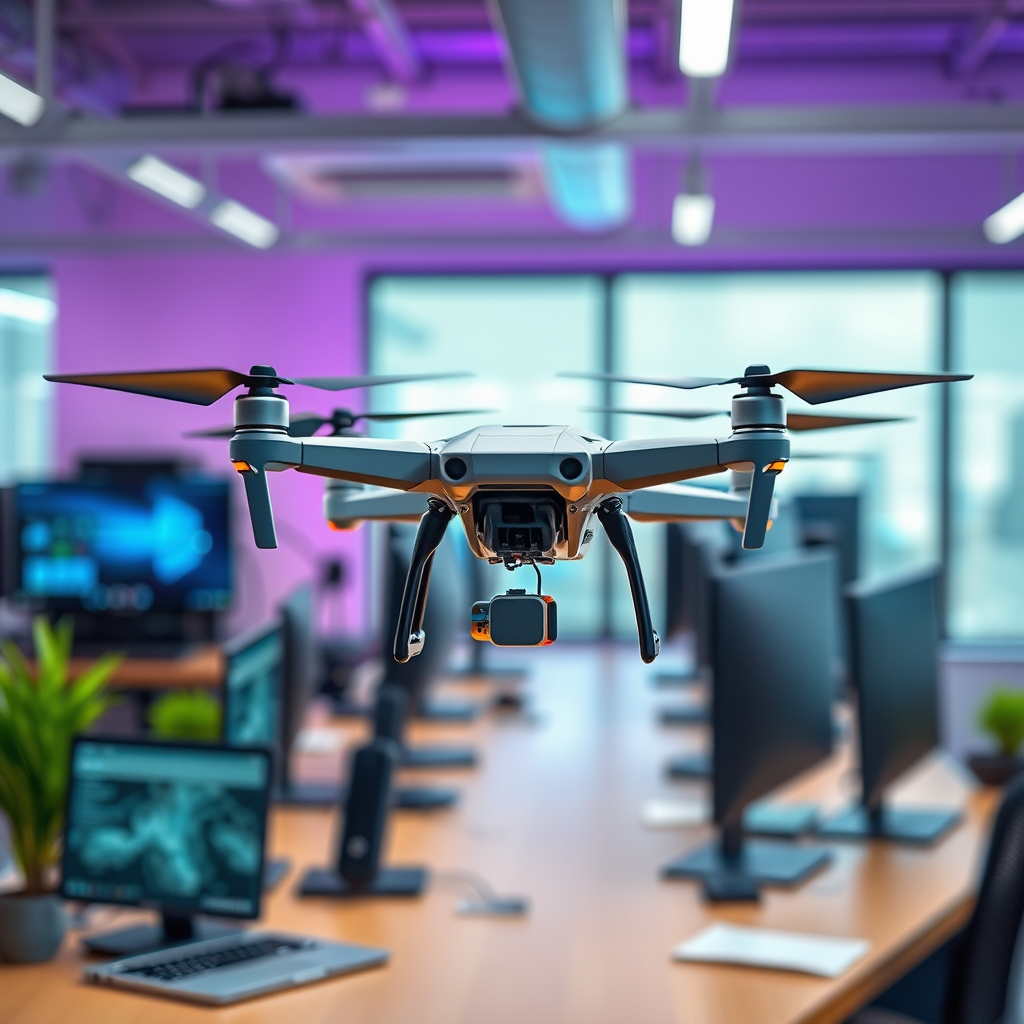
Drones can typically fly for about 20 to 30 minutes on a single battery charge, depending on various factors like battery capacity, weight, and environmental conditions. Understanding these elements is crucial for drone enthusiasts and professionals alike, as it can significantly enhance both flight time and overall drone performance. In this article, we will delve deeper into the key factors that affect drone flight duration and offer practical tips to maximize your aerial experience.
Battery Life and Capacity
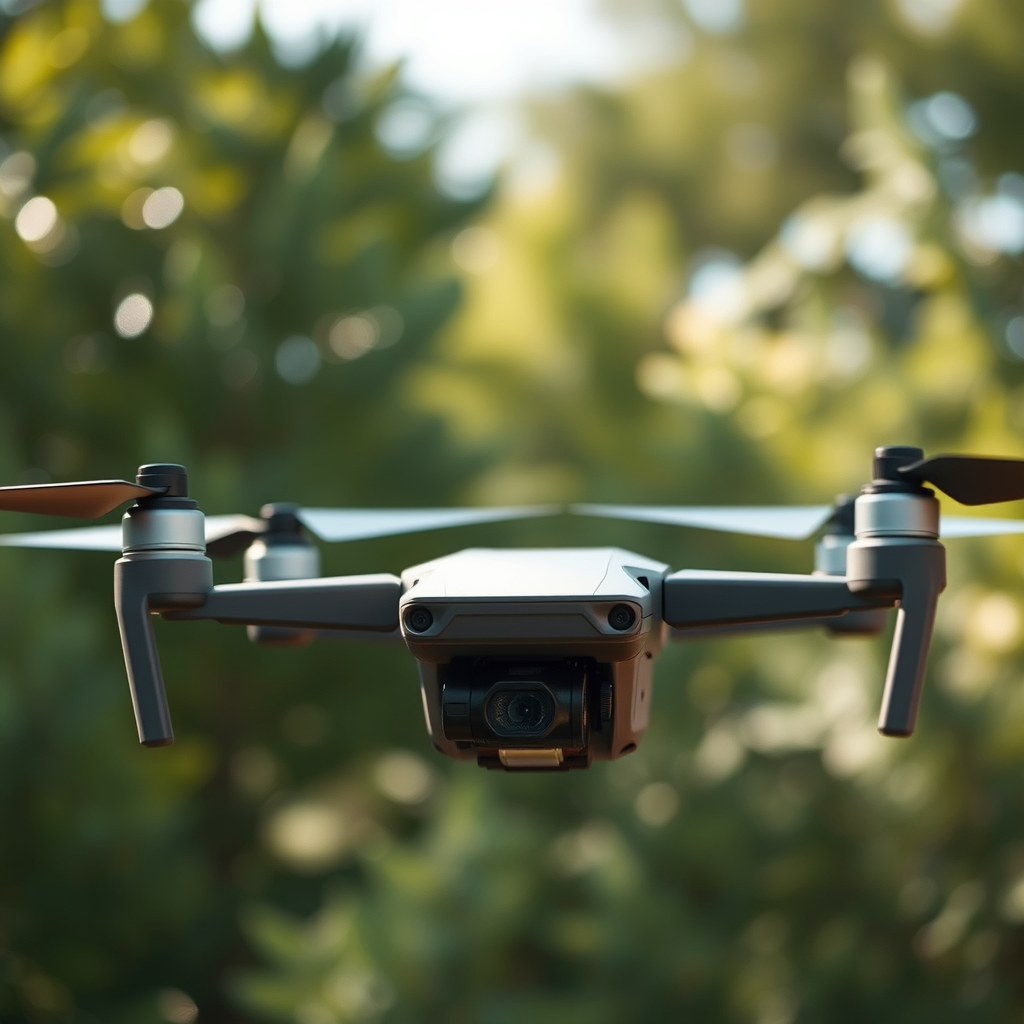
The battery life of a drone is one of the most critical factors determining how long it can fly. Battery capacity is measured in milliamp hours (mAh), and this measurement directly correlates with flight duration. For instance, a drone equipped with a 3000 mAh battery might fly for approximately 25 minutes under optimal conditions, while a unit with a 1500 mAh battery may only achieve 10 to 15 minutes of flight time.
Higher capacity batteries can extend flight times significantly but also come with their challenges. These batteries tend to be heavier, which can result in a trade-off between extended duration and increased weight. Drones designed for professional photography often use larger batteries to support extended flight times, allowing for more time to capture the perfect shot. However, it is essential to balance battery size with the drone’s overall weight to ensure optimal performance.
Weight and Payload
The weight of the drone itself plays a crucial role in dictating its flight duration. Heavier drones require more power to lift off and maintain altitude, which inevitably leads to increased battery consumption. For example, a racing drone designed to be lightweight may achieve longer flight times than a larger drone equipped with multiple features.
Adding payloads, such as high-definition cameras or additional sensors, can further reduce flight time. Every gram of weight added to a drone requires extra power during flight, thus draining the battery more quickly. For instance, a drone that typically flies for 25 minutes without any additional payload may only achieve around 15-20 minutes with a camera attached. Therefore, drone operators must carefully consider the total weight when planning flights, particularly for missions that require specific equipment.
Environmental Conditions
Environmental conditions are another significant factor affecting drone flight times. Wind speeds can drastically change the dynamics of a flight; flying against strong winds increases drag and, consequently, power consumption. A drone that might fly for 30 minutes under calm conditions may only manage 20 minutes on a windy day, depending on the strength of the gusts.
Temperature also plays a critical role in battery efficiency. Extreme cold can adversely affect lithium polymer batteries, which are commonly used in drones. Cold temperatures can decrease a battery’s capacity and increase the risk of a sudden power drop. For example, it is not uncommon for drone pilots to experience reduced flight times in temperatures below freezing, where batteries can lose as much as 30% of their efficiency.
Drone Type and Design
Different types of drones are designed with varying purposes in mind, and this affects their flight times. Racing drones, for instance, prioritize speed and agility over flight duration, often sacrificing battery life for performance. In contrast, aerial photography drones are tailored for extended flight times to allow for more shooting opportunities.
Additionally, more sophisticated drones often feature advanced battery management systems that can optimize overall performance. These systems monitor battery usage in real-time, adjusting power consumption based on the current flight mode or environmental conditions. For example, a drone might switch to a low-power mode when hovering, conserving battery life and extending flight duration.
Usage and Flight Techniques
The manner in which a drone is operated also affects its flight time. Aggressive flying maneuvers, such as rapid ascents and sharp turns, consume significantly more battery power than smooth, steady flying. Drone pilots can maximize their flight duration by employing conservative flying techniques, such as gradual climbs and maintaining a consistent altitude.
Regular maintenance and software updates also play a role in enhancing drone performance. Keeping propellers clean and in good condition ensures optimal aerodynamics, while software updates can introduce efficiency improvements and better battery management. Regular checks can help prevent unexpected issues that could shorten flight times.
Tips for Maximizing Flight Time
To extend your drone’s flight time, consider implementing the following strategies:
1. Upgrade Your Battery: Investing in a higher capacity battery can significantly increase your flight duration. Be sure to choose a battery compatible with your drone model to avoid performance issues.
2. Reduce Payload Weight: Evaluate the necessary equipment you plan to carry and consider eliminating non-essential items to reduce overall weight.
3. Adopt Smooth Flying Techniques: Practice flying your drone smoothly and steadily to conserve battery life. Avoid rapid maneuvers that demand more power.
4. Monitor Environmental Conditions: Before taking off, check the weather conditions, including wind speed and temperature, to plan your flight accordingly. Avoid flying in harsh conditions when possible.
5. Regular Maintenance: Keep your drone in optimal condition through regular maintenance, ensuring that all parts are functioning correctly and efficiently.
In conclusion, while most drones can fly for around 20 to 30 minutes, understanding the factors that affect flight time can help you maximize your drone’s potential. By paying attention to battery capacity, weight, environmental conditions, drone design, and flying techniques, you can significantly enhance your flying experience. Implementing the tips provided will not only lead to longer flight times but also ensure a more enjoyable aerial adventure.
Frequently Asked Questions
How long can a drone typically fly on a single battery charge?
The flight time of a drone on a single battery charge varies widely depending on the model and its intended use. Most consumer drones average between 20 to 30 minutes of flight time, while racing drones may last around 5 to 10 minutes due to their high power demands. Professional drones designed for aerial photography or surveying can often achieve flight times of 30 to 40 minutes, and some high-end models even reach up to 60 minutes with optimized battery management.
What factors affect how long a drone can fly?
Several factors influence a drone’s flight time, including battery capacity, weight, and environmental conditions. Larger battery capacities extend flight time, but the overall weight of the drone, including payloads like cameras or additional gear, can reduce efficiency. Additionally, wind speed and temperature can affect battery performance; flying against strong winds or in colder conditions often leads to shorter flight durations.
Why do drones lose battery power quickly during flight?
Drones can lose battery power quickly due to several reasons, including high speed, aggressive maneuvers, and heavy payloads. When flying quickly or performing acrobatics, the drone’s motors consume more energy, leading to faster battery depletion. Moreover, carrying additional weight, such as cameras or other equipment, increases the power required to maintain flight, resulting in shorter overall flight times.
What is the best way to maximize a drone’s flight time?
To maximize your drone’s flight time, consider optimizing your flight patterns and minimizing weight. Fly at a steady pace and avoid rapid ascents or descents, which consume more energy. Additionally, remove any unnecessary accessories and ensure the drone’s battery is fully charged and properly maintained. Regularly updating firmware can also lead to improvements in flight efficiency.
Which drones offer the longest flight times currently available on the market?
As of October 2023, some of the drones known for their impressive flight times include the DJI Mavic 3, which boasts up to 46 minutes of flight time, and the Autel Robotics EVO Lite+, offering around 40 minutes. Other options like the Skydio 2 and the Parrot Anafi also provide competitive flight durations, making them suitable for extensive aerial photography or surveying tasks. Always check the manufacturer’s specifications to ensure you select a drone that meets your flight time needs.
References
- https://en.wikipedia.org/wiki/Drone_flight_time
- https://www.faa.gov/uas/getting_started/part_107/
- https://www.ncbi.nlm.nih.gov/pmc/articles/PMC7697885/
- https://www.theguardian.com/technology/2021/mar/06/drone-use-in-the-future
- https://www.sciencedirect.com/science/article/pii/S2352864821001231
- https://www.nytimes.com/2022/10/19/technology/drone-range-battery.html
- https://www.techrepublic.com/article/how-long-can-drones-fly/
