
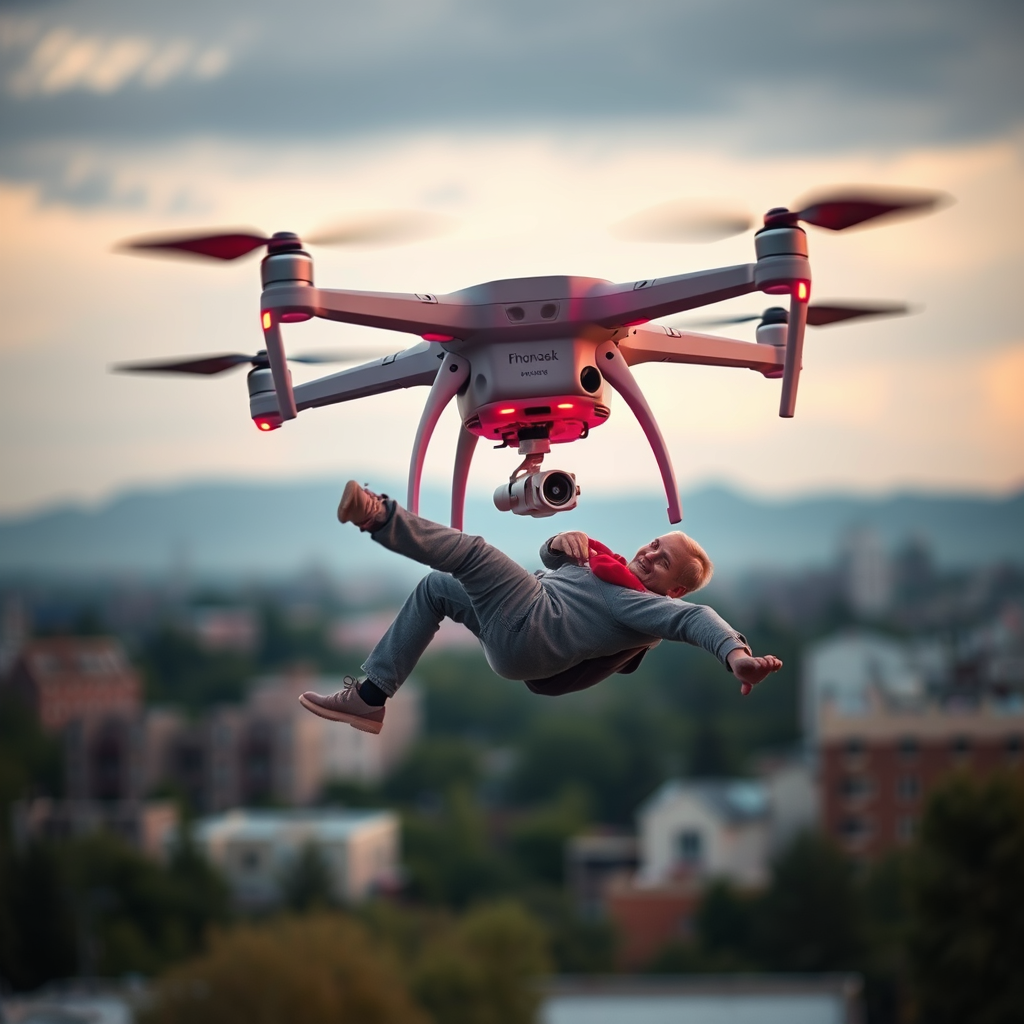
Yes, there are drones designed to lift a person, known as passenger drones or eVTOL (electric Vertical Takeoff and Landing) aircraft. These innovative vehicles are being developed and tested by various companies, and they are accompanied by evolving regulations aimed at ensuring safety and operational efficiency. This article explores the current state of passenger drones, their technology, and the future of personal aerial transportation.
Understanding Passenger Drones
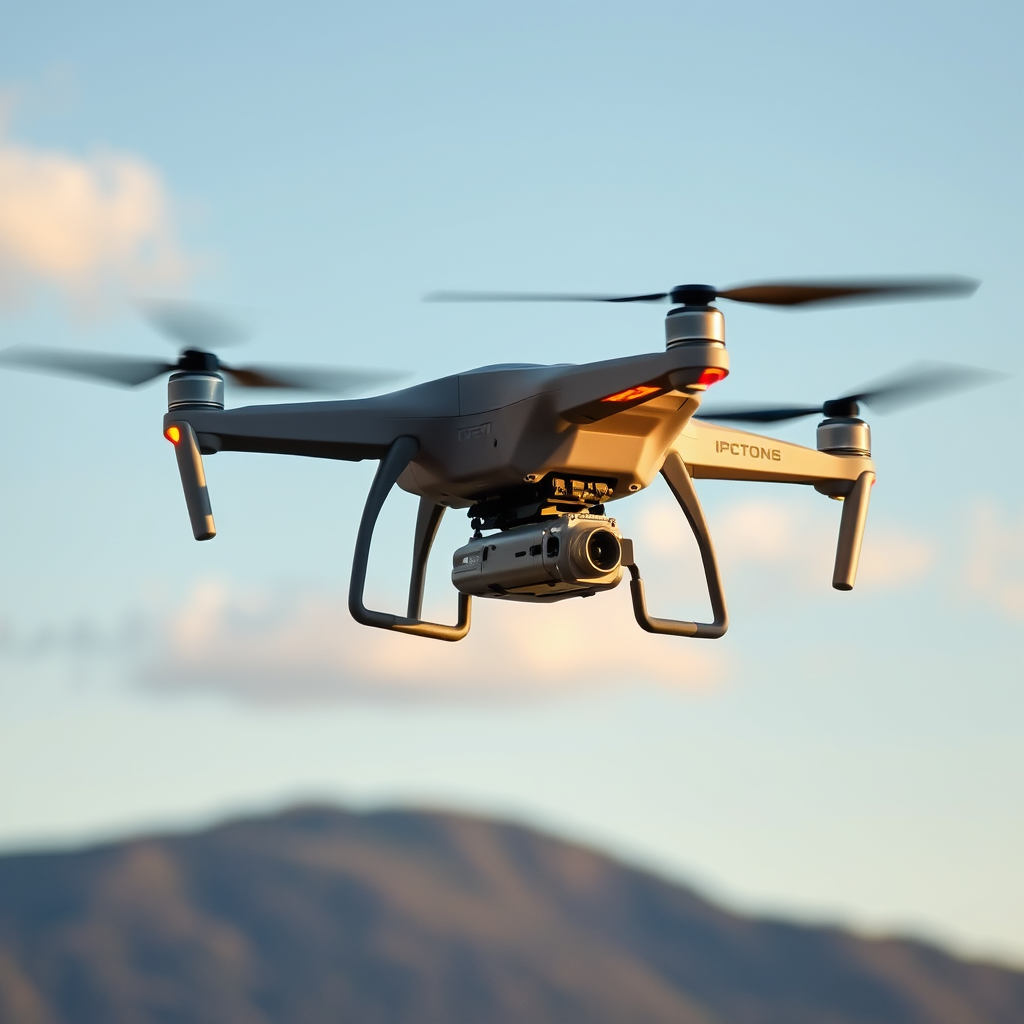
Passenger drones, often referred to as eVTOL aircraft, are designed to transport individuals and small groups safely through the air. These vehicles utilize electric propulsion systems, allowing for vertical takeoffs and landings, which makes them particularly suitable for urban environments where space is limited. The design of these drones integrates cutting-edge technologies to address challenges such as noise, energy consumption, and safety. Key companies leading the charge in the development of passenger drones include EHang, Joby Aviation, and Volocopter, among others. These firms are at the forefront of creating viable aerial transportation solutions that aim to revolutionize how we move within cities.
Current Models on the Market
Several models of passenger drones are currently undergoing testing and, in some cases, are already available for commercial use. The EHang 216 is one of the most recognized passenger drones, featuring a minimalist design with a capacity to carry two passengers. It boasts a flight duration of approximately 20-25 minutes and can reach speeds of up to 100 km/h. Another notable contender is Joby Aviation’s eVTOL, which features a range of around 150 miles and is designed for urban air mobility solutions, capable of carrying four passengers. These models are built with weight limits in mind, typically not exceeding 600 kg, and are engineered to provide smooth, stable flights, even in crowded urban airspaces.
Safety and Regulatory Considerations
Safety is paramount in the design of passenger drones. Manufacturers are incorporating numerous safety features, including redundant flight controls, robust emergency landing protocols, and advanced navigation systems to prevent collisions. Additionally, many of these drones are equipped with multiple rotors, ensuring that if one fails, others can sustain flight. On the regulatory side, the path towards commercial operation involves navigating complex airspace regulations. Authorities such as the Federal Aviation Administration (FAA) in the United States and the European Union Aviation Safety Agency (EASA) are actively working on frameworks that will govern the use of passenger drones. These regulations are crucial in establishing standards for safety, air traffic management, and operational protocols, ultimately paving the way for broader acceptance of eVTOL technology.
Technological Innovations Driving Development
The development of passenger drones is heavily reliant on advancements in technology, particularly battery technology and propulsion systems. Current passenger drones commonly utilize lithium-ion batteries, which provide the necessary energy density for short flights. However, research is ongoing into solid-state batteries and hydrogen fuel cells, which could significantly extend flight times and improve efficiency. Additionally, automation and artificial intelligence are playing critical roles in enhancing the safety and navigation of these aircraft. AI algorithms assist in real-time data analysis for route optimization, obstacle avoidance, and even passenger comfort, making flights smoother and more reliable. These technological innovations are vital as they contribute to making passenger drones a practical alternative to traditional ground transportation.
Future Prospects for Passenger Drones
The future prospects for passenger drones are promising, with market analysts predicting substantial growth in the sector. As urban populations continue to swell, the demand for efficient transportation solutions will likely drive the integration of eVTOL aircraft into city transit systems. Concepts such as “flying taxis” are gaining traction, and cities around the world are exploring pilot programs to test their viability. However, several challenges could hinder widespread adoption, including high development costs, public acceptance, and the need for comprehensive regulatory frameworks. Additionally, infrastructure adaptations, such as vertiports for takeoffs and landings, will be essential to support these new modes of transport.
Public Perception and Acceptance
Public sentiment towards passenger drones is mixed, with excitement balanced by concerns regarding safety, privacy, and noise levels. While many individuals are intrigued by the prospect of aerial taxis that could alleviate traffic congestion, worries about potential accidents and the implications of flying vehicles over residential areas persist. Additionally, societal impacts such as noise pollution and privacy invasion are significant considerations that will need to be addressed as these technologies move closer to implementation. Engaging with communities and ensuring transparent communication about safety measures and benefits will be crucial for fostering public acceptance and encouraging widespread usage of passenger drones.
In conclusion, passenger drones are no longer just a concept but are becoming a reality. As technology advances and regulations evolve, the dream of personal aerial transportation may soon be within reach. The current developments in passenger drone technology promise to revolutionize urban mobility, but significant challenges remain that must be addressed. Stay informed about the developments in this exciting field as it progresses towards mainstream use.
Frequently Asked Questions
What types of drones are capable of lifting a person?
Drones capable of lifting a person typically fall into the category of “passenger drones” or “eVTOL (electric vertical takeoff and landing) aircraft.” These specialized drones are designed with multiple rotors and powerful electric motors to provide sufficient lift for human passengers. Companies like EHang, Kitty Hawk, and Volocopter are leading in this space, developing prototypes and models that are currently undergoing testing for commercial use.
How much weight can drones that lift a person carry?
Drones designed to lift a person can generally carry between 200 to 600 pounds, depending on the model and its specifications. This weight capacity includes the pilot or passenger along with any additional gear or equipment. It’s essential to review the specifications of each drone model to ensure it meets the required weight limits for safe operation.
Why are passenger drones not widely available yet?
Passenger drones face multiple hurdles before becoming widely available, including regulatory approval, safety standards, and technological advancements. Aviation authorities are still developing guidelines for the operation of these drones in urban environments, and manufacturers are working to ensure the safety and reliability of their vehicles. Additionally, public acceptance and infrastructure for aerial travel are still in the developmental stages.
Which companies are currently leading in the development of personal drones for human transport?
Several companies are at the forefront of developing personal drones for human transport, including EHang, Volocopter, and Joby Aviation. EHang has gained attention for its autonomous aerial vehicles, while Volocopter focuses on urban air mobility solutions. Joby Aviation is also making strides with its electric air taxi, aiming for commercial launch in the near future. Each of these companies has received significant investment to bring their innovative designs to market.
What safety measures are in place for drones that can lift a person?
Safety measures for passenger drones include redundant flight systems, advanced navigation technology, and emergency parachute systems. Most models are designed with multiple rotors to ensure that even if one fails, the drone can still maintain stable flight. Additionally, rigorous testing and certification processes are required by aviation authorities to ensure that these drones meet high safety standards before they can be used for human transport.
References
- https://en.wikipedia.org/wiki/Passenger_drone
- https://www.bbc.com/news/technology-45528967
- https://www.theguardian.com/technology/2019/oct/15/flying-taxis-are-coming-how-close-are-we-to-passenger-drones
- https://www.sciencedirect.com/science/article/pii/S2351978918315464
- https://www.nytimes.com/2021/10/27/business/drone-taxi.html
