
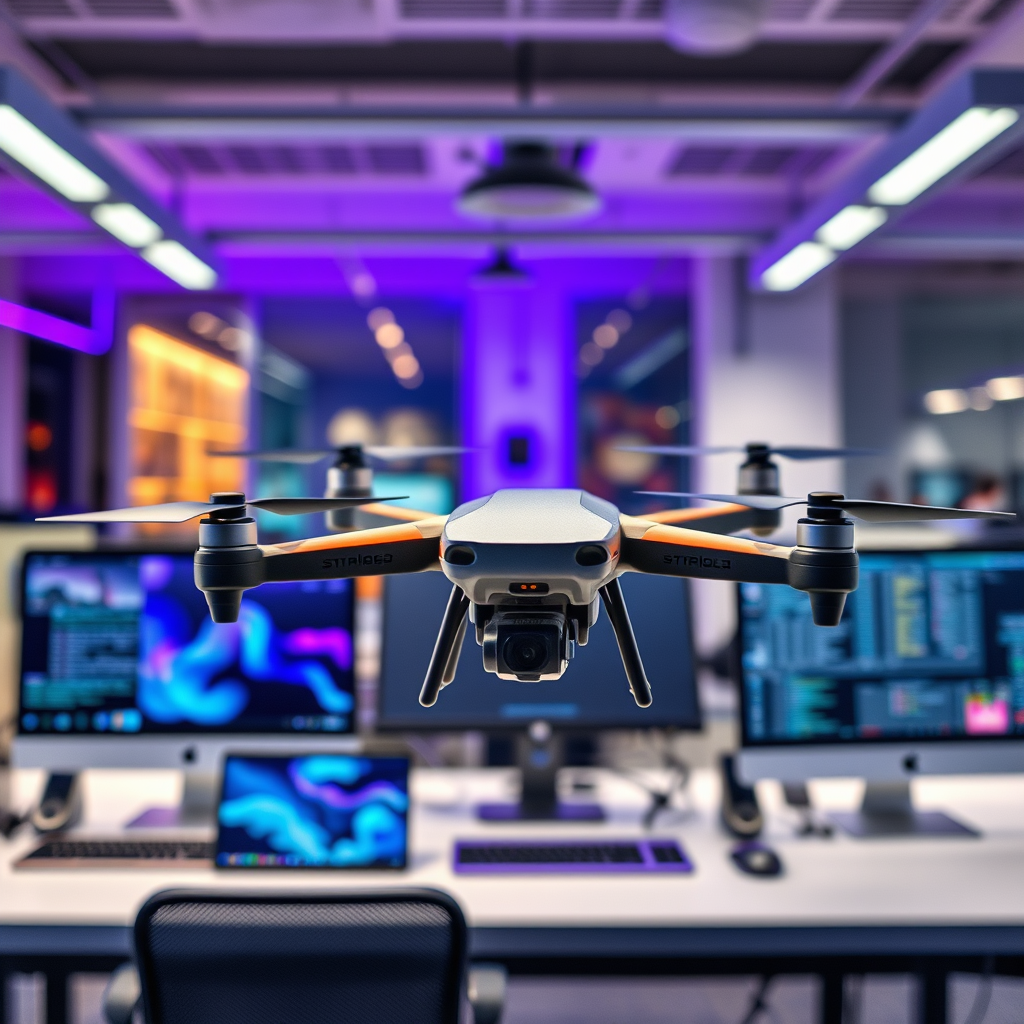
Drones can be used for a variety of purposes, including aerial photography, surveying, agriculture, and delivery services. Their versatility and efficiency make them invaluable tools across multiple industries. As technology continues to evolve, drones are increasingly becoming integral to operations, enhancing precision, reducing costs, and improving safety. In this article, we will explore the various applications of drones and how they are transforming our approach to different tasks.
Aerial Photography and Videography
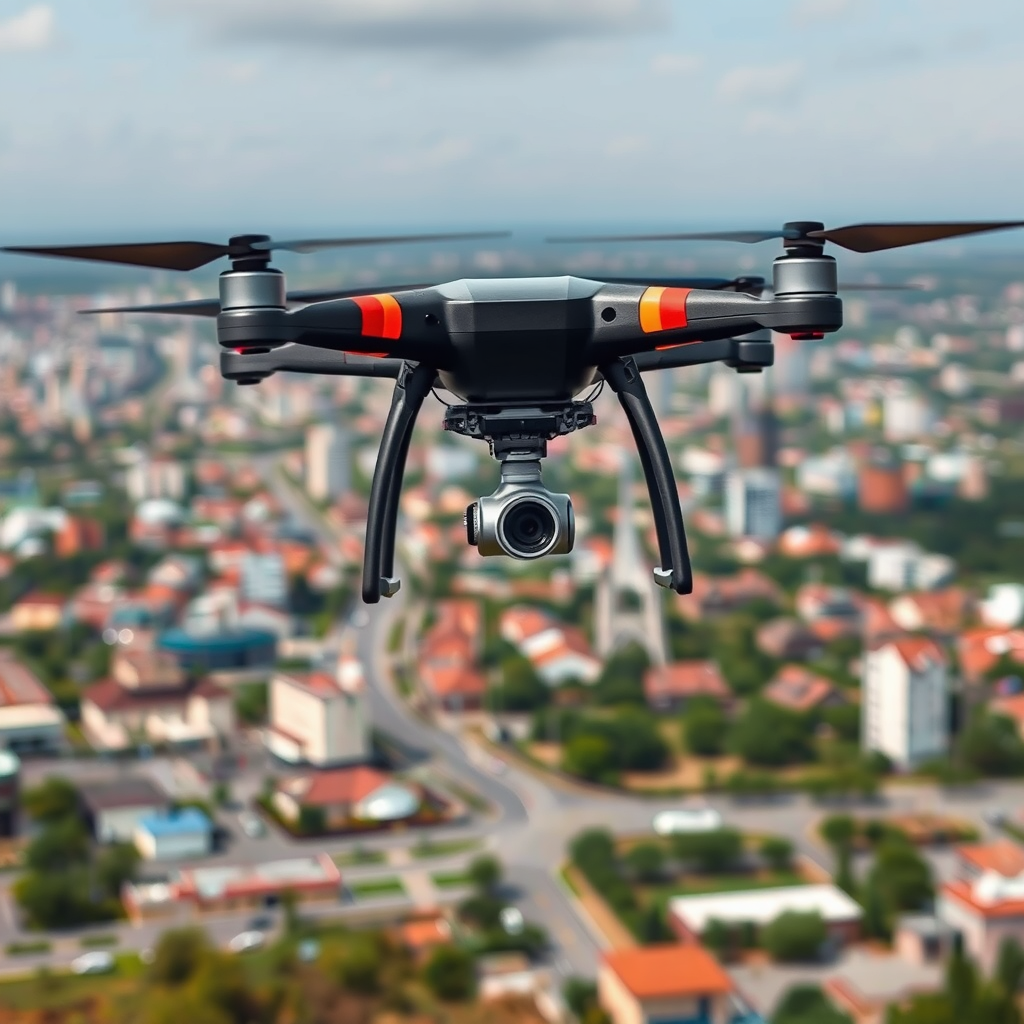
One of the most popular applications of drones is in aerial photography and videography. Drones equipped with high-resolution cameras can capture stunning images and videos, offering perspectives that were once only achievable through expensive helicopter rentals or crane setups. Real estate agents, for instance, leverage aerial photography to showcase properties from unique angles, providing potential buyers with a comprehensive view of the property and its surroundings. This not only enhances listings but also speeds up the sales process.
Similarly, filmmakers and content creators benefit immensely from drone technology. Drones allow for dynamic shots and sweeping landscapes that add a cinematic quality to productions. For example, movies like “The Avengers” and “Skyfall” utilize drone footage to create breathtaking action sequences. Additionally, content creators on platforms like YouTube and Instagram harness drone capabilities to capture engaging travel vlogs and promotional material that stand out in a crowded digital space.
Agriculture and Farming
In agriculture, drones are revolutionizing traditional farming practices. Farmers can monitor crop health and growth through aerial imaging, which provides real-time data on crop conditions. By utilizing multispectral cameras, drones can detect variations in plant health that are invisible to the naked eye, allowing farmers to address issues like disease, pest infestations, or nutrient deficiencies early on.
Furthermore, drones optimize irrigation and fertilization processes. By analyzing the data collected from drone flights, farmers can make informed decisions about where to allocate resources, ensuring that water and fertilizers are applied precisely where needed. This not only conserves resources but also enhances crop yield and sustainability. Companies like PrecisionHawk are at the forefront of integrating drone technology into precision agriculture, demonstrating significant improvements in crop management efficiency.
Surveying and Mapping
Surveying and mapping are critical components of construction and land development, and drones have significantly improved the efficiency and accuracy of these processes. Drones equipped with advanced GPS systems and 3D mapping software can create detailed topographic maps in a fraction of the time it would take using traditional surveying methods. This capability is particularly beneficial for construction projects, as it allows for quick assessments of land before development commences.
Additionally, drones can conduct land surveys more efficiently, reducing the need for extensive manpower and minimizing the potential for human error. For instance, companies like Land Surveying Drone Services utilize drones to capture high-resolution images and create comprehensive site analysis reports, streamlining project planning and execution.
Search and Rescue Operations
Drones play a crucial role in search and rescue operations, providing vital assistance in locating missing persons and managing emergency situations. Equipped with thermal imaging capabilities, drones can detect body heat, making them invaluable in scenarios where visibility is compromised, such as dense forests or disaster-stricken areas.
Moreover, drones can provide real-time aerial footage to coordinate rescue efforts more effectively. Organizations like the Civil Air Patrol have successfully integrated drones into their search and rescue operations, significantly increasing the chances of locating individuals in distress. The ability to survey large areas quickly and efficiently contributes to saving lives and reduces the time required to mount a successful rescue operation.
Delivery Services
The logistics industry is undergoing a transformation thanks to the integration of drones into delivery services. Drones enhance logistics by delivering packages quickly and efficiently, particularly in urban areas where traffic congestion can delay traditional delivery methods. Companies like Amazon and UPS are actively exploring drone delivery solutions, aiming to reduce delivery times and improve customer satisfaction.
One of the most promising aspects of drone delivery is its potential for last-mile delivery in remote areas. Drones can navigate challenging terrains and deliver essential supplies to locations that are otherwise inaccessible. For example, in rural parts of Africa, drones are being used to transport medical supplies and blood products, making a significant impact on public health outcomes.
Environmental Monitoring
Drones are increasingly employed for environmental monitoring, providing valuable insights into wildlife populations, migration patterns, and changes in ecosystems. By capturing aerial footage and data, environmental scientists can track animal movements and assess the health of habitats without disturbing the natural environment.
Additionally, drones are instrumental in monitoring environmental changes and assessing disaster impacts. After natural disasters, for instance, drones can quickly survey affected areas, allowing for effective damage assessments and facilitating faster response efforts. Organizations like Conservation Drones have pioneered the use of drones to monitor deforestation and habitat loss, contributing to conservation efforts worldwide.
Infrastructure Inspection
Regular infrastructure inspection is crucial for safety and maintenance, and drones are transforming how these inspections are conducted. Drones can inspect power lines, bridges, and pipelines more efficiently than traditional methods, reducing the need for scaffolding and minimizing safety risks to human inspectors. By capturing high-resolution images and videos, drones provide detailed assessments of structural integrity, identifying potential issues before they escalate into serious problems.
For example, utility companies are increasingly using drones to conduct routine inspections of power lines, allowing for timely maintenance and reducing the risk of outages. Furthermore, regulatory bodies can leverage drone technology to ensure compliance with safety regulations, thus enhancing overall infrastructure reliability.
Drones offer a wide range of applications that enhance efficiency and effectiveness across various sectors. As technology continues to advance, the potential uses for drones will likely expand even further, making them an essential tool for the future. From agriculture to emergency response, the versatility of drones is reshaping how industries operate and tackle challenges. Explore how drones can benefit your industry today!
Frequently Asked Questions
What are the most common uses for drones in agriculture?
Drones are revolutionizing agriculture by enabling farmers to monitor crop health, assess irrigation needs, and optimize field management. They can capture high-resolution aerial imagery to identify pest infestations, nutrient deficiencies, and crop stress, allowing for targeted interventions. Additionally, drones facilitate precise application of fertilizers and pesticides, enhancing efficiency and reducing waste.
How can drones be utilized for infrastructure inspections?
Drones are increasingly used for infrastructure inspections due to their ability to access hard-to-reach areas safely and quickly. They can inspect bridges, power lines, and towers by capturing high-quality images and videos, which helps in identifying wear, damage, or maintenance needs. This technology not only saves time and costs but also improves safety by reducing the need for manual inspections in hazardous conditions.
Why are drones becoming popular in the film and photography industry?
Drones offer filmmakers and photographers unique perspectives and stunning aerial shots that were once only achievable through expensive helicopter rentals. With advancements in drone technology, including stabilization systems and high-resolution cameras, creators can capture dynamic footage from various angles at a fraction of the cost. This accessibility has made drone usage a popular choice for both amateur and professional projects.
What are the best drones for surveying and mapping?
The best drones for surveying and mapping typically include models with GPS capabilities, high-resolution cameras, and advanced software for data processing. Popular options include the DJI Phantom 4 RTK and the senseFly eBee X, as they provide accurate geospatial data and ease of use. These drones are equipped to handle large areas and can create detailed topographical maps, making them ideal for construction and land management applications.
Which regulations should I be aware of when using drones for commercial purposes?
When using drones for commercial purposes, it’s essential to comply with regulations set by the Federal Aviation Administration (FAA) in the U.S., which includes registering your drone and obtaining a Remote Pilot Certificate. Additionally, operators must adhere to guidelines regarding flight altitudes, no-fly zones, and privacy laws. Staying informed about local regulations is crucial to ensure safe and legal drone operations in various industries.
References
- https://en.wikipedia.org/wiki/Drone
- https://www.faa.gov/uas/
- https://www.nasa.gov/mission_pages/Global_Hawk/overview/index.html
- https://www.theguardian.com/us-news/2021/sep/30/drones-use-cases-technology
- https://www.sciencedirect.com/science/article/pii/S2351978921000916
- https://www.americanprogress.org/article/how-drones-can-help-us-fight-climate-change/
- https://www.ncbi.nlm.nih.gov/pmc/articles/PMC7060625/
- https://www.un.org/en/global-issues/drone-technology
- https://www.bbc.com/future/article/20210727-how-drones-are-helping-in-the-pandemic
- https://www.itu.int/en/ITU-T/focusgroups/ai4good/Pages/default.aspx
