
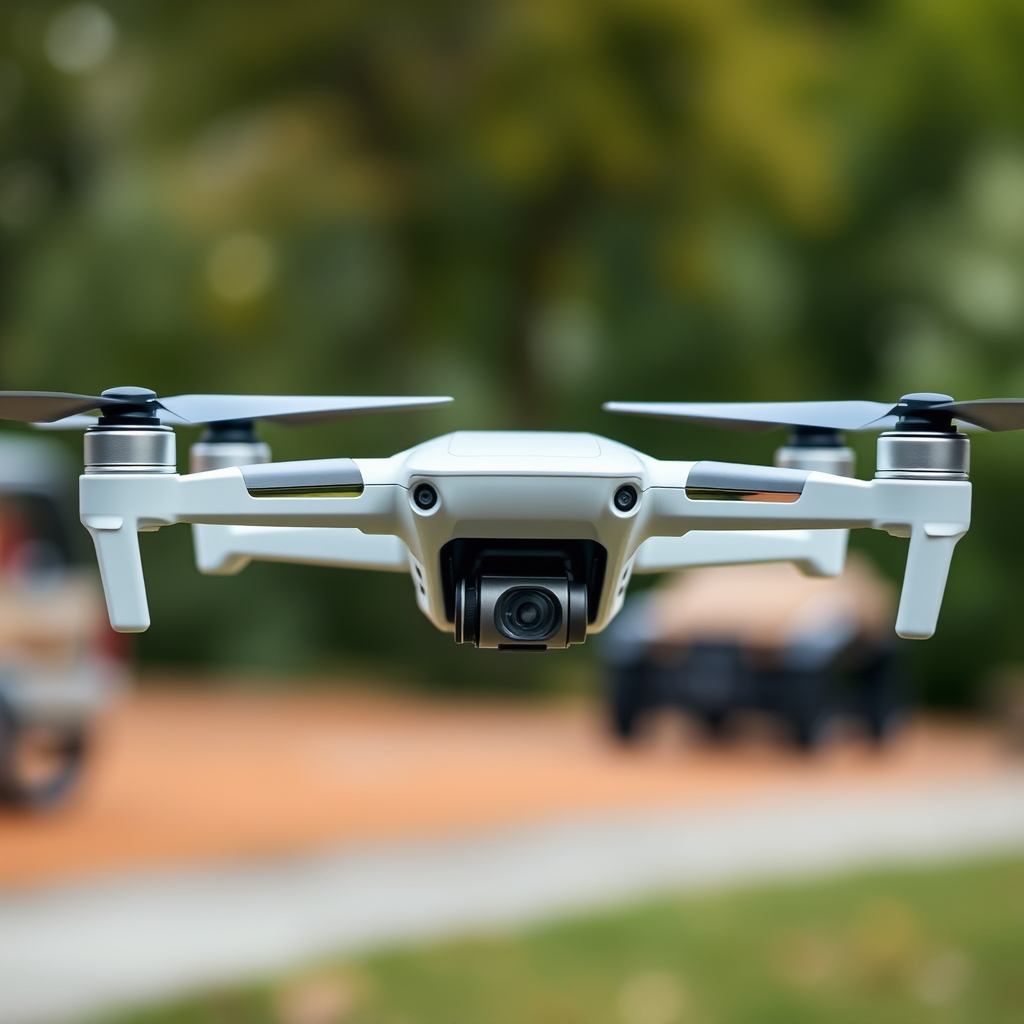
If you’re wondering where you can fly your drone in Virginia, the answer is that there are many great locations, but regulations vary widely. Virginia offers a diverse landscape for drone enthusiasts, from the breathtaking views of the Blue Ridge Mountains to the bustling urban environments of Richmond and Virginia Beach. However, understanding the local laws and identifying suitable sites is crucial for ensuring a safe and enjoyable flying experience.
Understanding Virginia’s Drone Laws
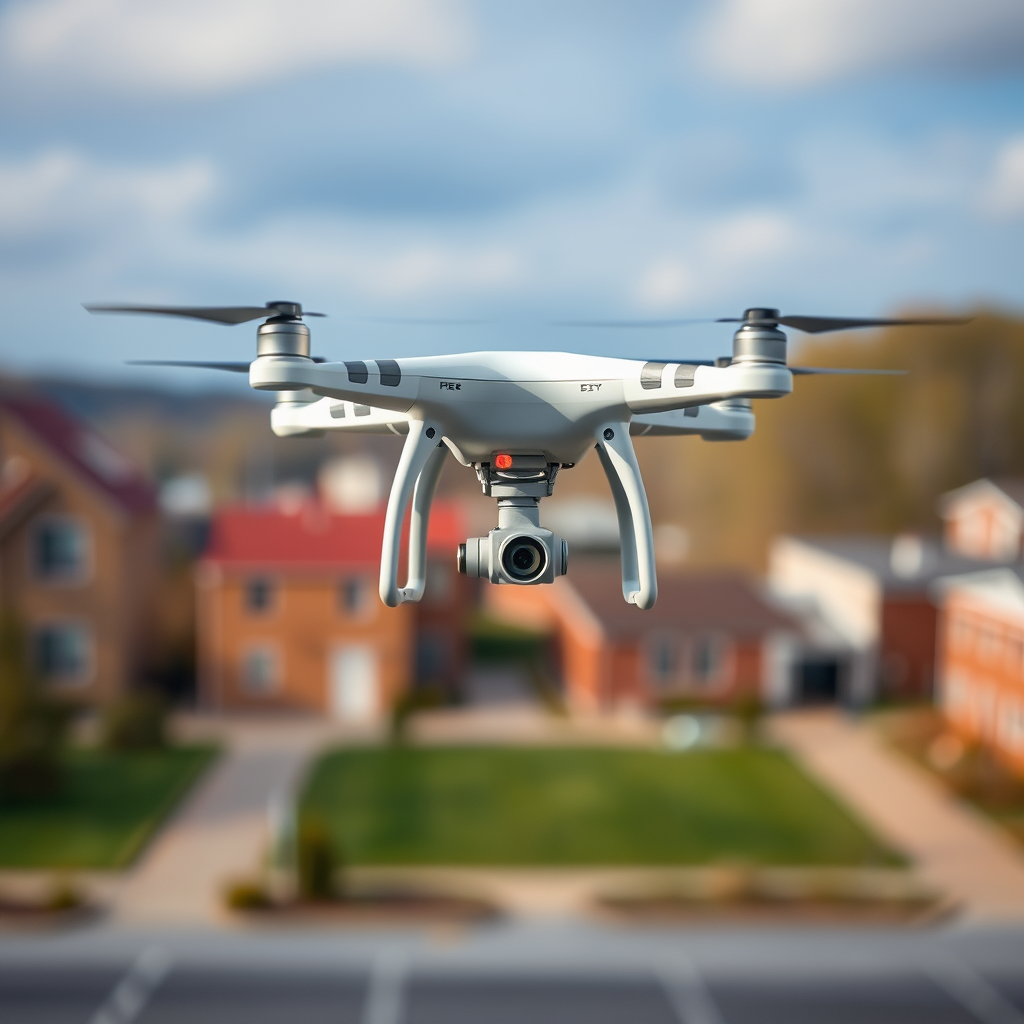
In the United States, drone regulations are primarily governed by the Federal Aviation Administration (FAA). Under FAA guidelines, drone operators must adhere to several key rules, such as registering their drones if they weigh more than 0.55 pounds, flying below 400 feet, and maintaining visual line of sight with the aircraft at all times. Additionally, flying near airports and over people in certain scenarios is restricted.
Virginia has also implemented state-specific laws that supplement federal regulations. For instance, the Virginia Code prohibits the use of drones to conduct surveillance on individuals or to invade their privacy. Some local governments in Virginia may have additional restrictions or may require permits for drone use. Therefore, it’s essential for drone pilots to familiarize themselves with both federal and state laws, as well as any local ordinances that may apply.
Popular Drone Flying Locations in Virginia
Virginia boasts a variety of stunning locations that are perfect for drone flying. Shenandoah National Park, with its panoramic views of the mountains and valleys, is a favorite among drone enthusiasts. The park allows drone flying, provided pilots adhere to specific guidelines, such as maintaining a safe distance from wildlife and other visitors.
Urban areas like Richmond and Virginia Beach also offer unique opportunities. In Richmond, drone pilots can capture the city’s historic architecture, vibrant street art, and the scenic James River. Meanwhile, Virginia Beach provides an excellent coastal backdrop for aerial photography, particularly during sunrise or sunset. However, drone operators must be mindful of local regulations and airspace restrictions in these urban settings.
Restricted Airspace and No-Fly Zones
Virginia is home to several military bases and airports that impose restrictions on drone flights. Notable facilities include Naval Station Norfolk, one of the largest naval bases in the world, and numerous regional airports. To ensure compliance, drone pilots must be aware of the specific no-fly zones around these locations.
Before flying, it is critical to check airspace regulations. Tools like the FAA’s B4UFLY app can help pilots identify restricted areas and provide real-time information about airspace classifications. Pilots should also familiarize themselves with Temporary Flight Restrictions (TFRs) that may be issued for events or emergencies, which can further limit drone operations.
Best Practices for Safe Drone Flying
Safety is paramount when flying drones, and adhering to best practices is essential. Maintaining visual line of sight with your drone is crucial for avoiding obstacles and ensuring the safety of people and property below. This rule not only complies with FAA regulations but also enhances the pilot’s ability to control the drone effectively.
Additionally, drone operators should refrain from flying near crowded areas or private property without permission. Respecting people’s privacy and avoiding potential hazards is not only a legal obligation but also fosters goodwill within the community. Engaging in pre-flight checks, such as ensuring that batteries are charged and that the drone’s firmware is updated, can also prevent mishaps during flights.
Drone Events and Communities in Virginia
Connecting with the local drone community can enhance your flying experience significantly. Virginia hosts various drone meetups, clubs, and events that cater to both hobbyists and professionals. For example, groups like the Virginia Drone Users Group provide an excellent platform for networking, sharing tips, and organizing group flights.
Additionally, drone racing events are becoming increasingly popular in the state. The Virginia Drone Racing League (VDRL) holds competitions that attract pilots from around the region. These events not only offer a thrilling experience but also provide opportunities for participants to learn from one another and improve their flying skills.
Resources for Drone Pilots in Virginia
To navigate the complexities of drone flying in Virginia, several resources can prove invaluable. Apps such as AirMap and Skyward offer comprehensive airspace mapping and real-time information about restrictions. These tools can help pilots plan their flights effectively and avoid potential legal issues.
For those looking to enhance their skills, numerous training and certification programs are available. The FAA offers a Remote Pilot Certificate course, which is essential for commercial drone operations. Local flight schools and online platforms also provide courses on drone photography, racing, and safety protocols, ensuring that pilots can fly confidently and responsibly.
In conclusion, flying your drone in Virginia can be an exciting experience if you stay informed about the laws and choose the right locations. By understanding federal and state regulations, exploring popular flying spots, and actively engaging in the drone community, you can enhance your skills and enjoy the vast beauty Virginia has to offer. Remember to prioritize safety and respect local guidelines for a fulfilling flying experience. Happy flying!
Frequently Asked Questions
Where can I fly my drone in Virginia without special permissions?
In Virginia, you can fly your drone in many public parks and open spaces, as long as you follow FAA regulations and any local laws. Popular locations include the scenic Shenandoah National Park and various state parks like First Landing State Park. Always check for any specific drone regulations at these sites, as some may have restrictions in place for safety or wildlife protection.
What are the drone flying regulations in Virginia?
In Virginia, drone operators must adhere to FAA regulations, which include flying below 400 feet, maintaining visual line of sight, and not flying near airports or populated areas without permission. Additionally, Virginia has state laws that may impose further restrictions, such as prohibitions in certain public areas or near critical infrastructure. Always review both federal and state guidelines to ensure compliance before flying.
How can I find drone-friendly locations in Virginia?
To find drone-friendly locations in Virginia, you can use apps like AirMap or DroneDeploy, which provide maps indicating where drone flying is permitted. Additionally, local drone clubs and online forums can offer insights into popular flying spots. It’s also helpful to check the Virginia Department of Aviation website for resources and updates on drone regulations and flying sites.
Why are some areas in Virginia restricted for drone flying?
Certain areas in Virginia are restricted for drone flying due to safety, privacy, and security concerns. Locations such as near airports, military bases, and government buildings are often off-limits to protect air traffic and sensitive areas. Additionally, some natural reserves and parks may have restrictions to protect wildlife and ensure visitor safety, so it is essential to research before flying your drone.
What is the best time and place to fly a drone in Virginia?
The best time to fly a drone in Virginia is during early mornings or late afternoons when the wind is calmer and lighting conditions are optimal for photography and videography. Some of the best places include the historic sites around Richmond, the coastlines of Virginia Beach, and the expansive landscapes of the Blue Ridge Mountains. Always check the weather and local regulations to choose the most suitable conditions for your drone flight.
References
- https://www.faa.gov/uas/getting_started/where_to_fly
- https://www.virginia.gov/
- https://www.dronelawjournal.com/where-can-i-fly-my-drone-in-virginia
- https://www.virginia.gov/drone/
- https://www.nps.gov/subjects/drones/index.htm
- https://www.vdoe.virginia.gov/
- https://www.faa.gov/uas/resources/policy_library/
- https://www.dronepilotgroundschool.com/where-can-i-fly-my-drone-in-virginia/
- https://www.virginiadrones.com/
- https://www.aopa.org/go-fly/airspace/drone-flying-in-virginia
