
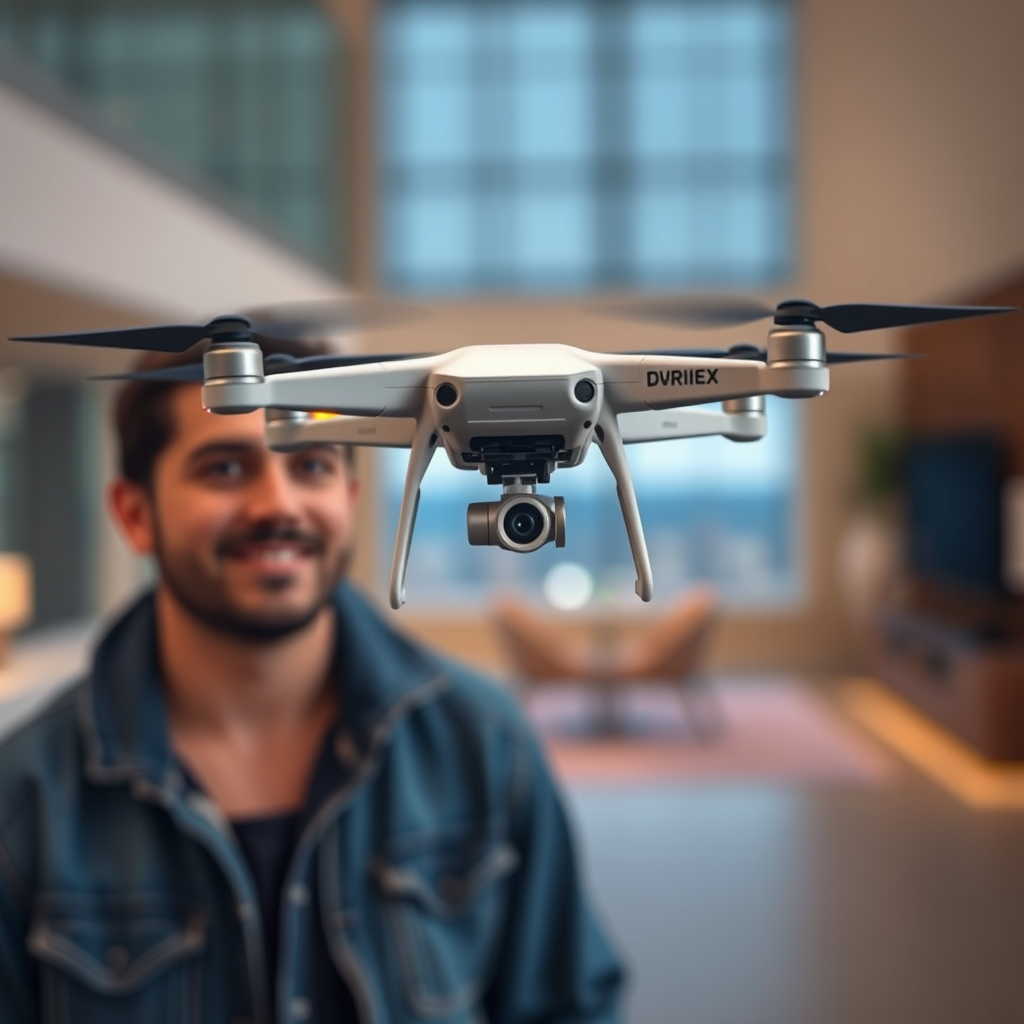
You can legally fly a drone in San Diego at designated parks, open spaces, and certain areas away from airports and restricted zones. Understanding local regulations and guidelines is crucial to ensure safe and compliant flying. With its diverse landscapes and picturesque settings, San Diego provides excellent opportunities for drone enthusiasts, but it’s essential to be aware of the rules governing drone operations in the area to avoid potential fines and ensure safety for yourself and others.
Understanding FAA Regulations
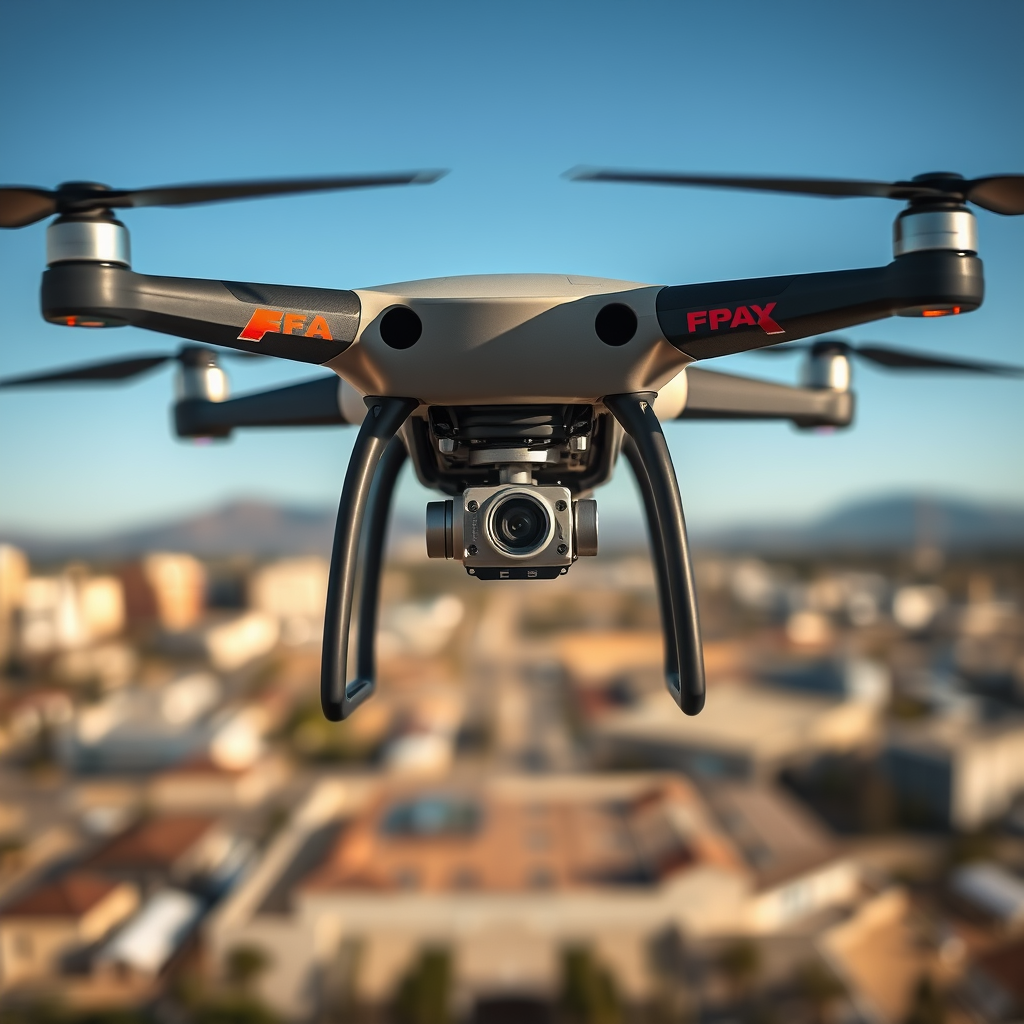
The Federal Aviation Administration (FAA) governs drone operations across the U.S., setting the foundation for safe and responsible flying. As a drone pilot, you are required to follow several key guidelines. Firstly, maintaining visual line-of-sight with your drone is mandatory; this ensures that you can see the drone at all times and can react to any potential hazards. Furthermore, the FAA stipulates that drones must be flown below 400 feet above ground level to minimize the risk of collisions with manned aircraft.
In addition to these basic rules, drone pilots are advised to register their drones if they weigh more than 0.55 pounds (250 grams). Registration involves providing your contact information to the FAA, which can be easily done online. It is also crucial to keep abreast of any changes in FAA regulations, as these can influence where and how you fly your drone.
Local Drone Laws in San Diego
In addition to federal regulations, San Diego has specific local ordinances regulating drone use. These laws are designed to enhance public safety and minimize disturbances in residential and crowded areas. Certain zones, such as parks and beaches, may have restrictions on drone operations, especially during peak hours or events.
One particularly important aspect of local drone laws is the existence of no-fly zones. These zones include areas near schools, hospitals, and government buildings where drone flights may be prohibited or restricted. Additionally, San Diego has designated areas where drone flying is permitted, and it is essential to familiarize yourself with these locations. Always check for updates to local laws that may affect where you can fly, as they can change frequently based on ongoing assessments of safety and privacy concerns.
Best Parks and Open Spaces for Drone Flying
San Diego boasts a variety of parks and open spaces that are ideal for drone flying. Balboa Park is one of the most popular locations, offering expansive grounds, stunning gardens, and scenic views of the city. The park’s wide-open spaces allow for ample room to maneuver your drone without the risk of disturbing others. However, it is advisable to visit during less crowded times to ensure a more enjoyable experience.
Another excellent spot for drone enthusiasts is Mission Bay Park. This large waterfront area provides a breathtaking backdrop for aerial photography and videography, with its beautiful bays, beaches, and recreational spaces. The park is designed for various outdoor activities, making it a drone-friendly environment. Be sure to check for any specific regulations regarding drone use in these parks to avoid any complications.
Flying Near Airports and Restricted Areas
When flying a drone in San Diego, it is imperative to understand the proximity of airports and restricted areas. You should avoid flying within 5 miles of San Diego International Airport without prior notification to the airport authorities. This is crucial because the airspace around airports is highly regulated to prevent any interference with manned aircraft operations.
Additionally, familiarize yourself with other restricted airspaces in the region, such as military zones and other sensitive areas. Some military installations may have strict no-fly zones, and flying in these areas can lead to serious legal repercussions. Utilizing tools like the FAA’s B4UFLY app can help you determine whether a specific location is safe for drone flying, providing real-time information regarding airspace restrictions.
Community Resources and Groups
Connecting with local drone communities can greatly enhance your flying experience. Joining local drone clubs or participating in online forums allows you to connect with other drone pilots who can share valuable insights, tips, and experiences. These communities often provide access to resources such as maps highlighting legal flying locations, updates on local regulations, and information about upcoming events or meet-ups.
Moreover, many clubs host workshops and training sessions that can help new pilots develop their skills and knowledge about drone operations. Engaging with these communities fosters a sense of camaraderie among drone enthusiasts and promotes responsible flying practices.
Safety and Etiquette While Flying
Safety and etiquette are paramount when flying a drone, especially in public spaces. Always respect others by maintaining a safe distance and being mindful of people’s privacy. Avoid flying over crowded areas, such as beaches or parks during peak times, to minimize the risk of accidents or disturbances.
Participating in the “Know Before You Fly” campaign is a great way to educate yourself on responsible flying practices. This initiative promotes safety by providing resources and information to drone pilots, ensuring that they understand the importance of following regulations and operating their drones safely. By adhering to these guidelines, you not only protect yourself but also contribute to a positive perception of the drone community as a whole.
Obtaining Necessary Permits or Licenses
Depending on the purpose of your flight, you may need to obtain specific permits. For recreational flying, no additional permits are usually required beyond FAA registration. However, if you plan to use your drone for commercial purposes, you must obtain a Part 107 certification from the FAA. This certification involves passing a written exam that tests your knowledge of regulations, airspace classifications, and other important information related to drone operation.
Additionally, certain municipalities may have their own permitting processes for commercial drone use, especially if your operations will be taking place in specific locations or for particular events. Always ensure that you have the necessary permits before your flight to avoid any legal complications.
Flying a drone in San Diego can be an enjoyable experience if you stay informed about local laws and regulations. By understanding FAA guidelines, local ordinances, and best practices for safety and etiquette, you can navigate the skies responsibly. Be sure to check for updates and join local communities to enhance your flying adventures safely and legally.
Frequently Asked Questions
What are the legal regulations for flying a drone in San Diego?
In San Diego, drone operators must comply with both federal regulations set by the Federal Aviation Administration (FAA) and local laws. This includes registering your drone if it weighs over 0.55 pounds, flying below 400 feet, and maintaining a visual line of sight. Additionally, it’s important to avoid flying near airports, military bases, and populated areas to ensure safety and compliance with local ordinances.
Where are the best places to fly a drone in San Diego?
Some of the best places to legally fly a drone in San Diego include Balboa Park, Torrey Pines State Natural Reserve, and the beaches of La Jolla. These areas offer stunning landscapes and are generally less crowded, but always check for any specific drone regulations or restrictions in these locations. Remember to respect the privacy of others and avoid flying over private property without permission.
How can I find drone-friendly parks in San Diego?
To find drone-friendly parks in San Diego, you can visit websites like the San Diego Parks and Recreation Department, which often provide guidelines and maps for drone use in public spaces. Additionally, applications and forums like the “Drone Pilot” app or local drone enthusiast groups on social media can help identify parks and areas that are popular for drone flying while ensuring compliance with local regulations.
Why is it important to check for no-fly zones before flying my drone in San Diego?
Checking for no-fly zones before flying your drone in San Diego is crucial for safety and legal compliance. No-fly zones are established to protect sensitive areas, such as airports, military installations, and emergency response zones. Entering these zones can lead to significant penalties, including fines and the confiscation of your drone, so always verify the latest maps and regulations through the FAA and local authorities.
Which resources can I use to stay updated on drone laws in San Diego?
To stay updated on drone laws in San Diego, utilize resources like the FAA’s official website, which provides comprehensive information about national drone regulations. Additionally, local government websites, such as the City of San Diego’s official page, often post updates on municipal drone laws. Joining local drone clubs or online forums can also be an excellent way to stay informed about changes in regulations and share experiences with fellow enthusiasts.
References
- https://www.faa.gov/uas/getting_started/where_to_fly
- https://www.sandiego.gov/parks-and-recreation/parks/drone-flying
- https://www.nps.gov/subjects/drones/where-you-can-fly-drones.htm
- https://www.faa.gov/uas/faq/#where_can_i_fly
- https://www.droneflyers.com/drone-flying-in-san-diego/
- https://www.sandiegouniontribune.com/business/technology/story/2020-09-03/a-drone-flyers-guide-to-san-diego-where-you-can-fly-and-where-you-cant
