
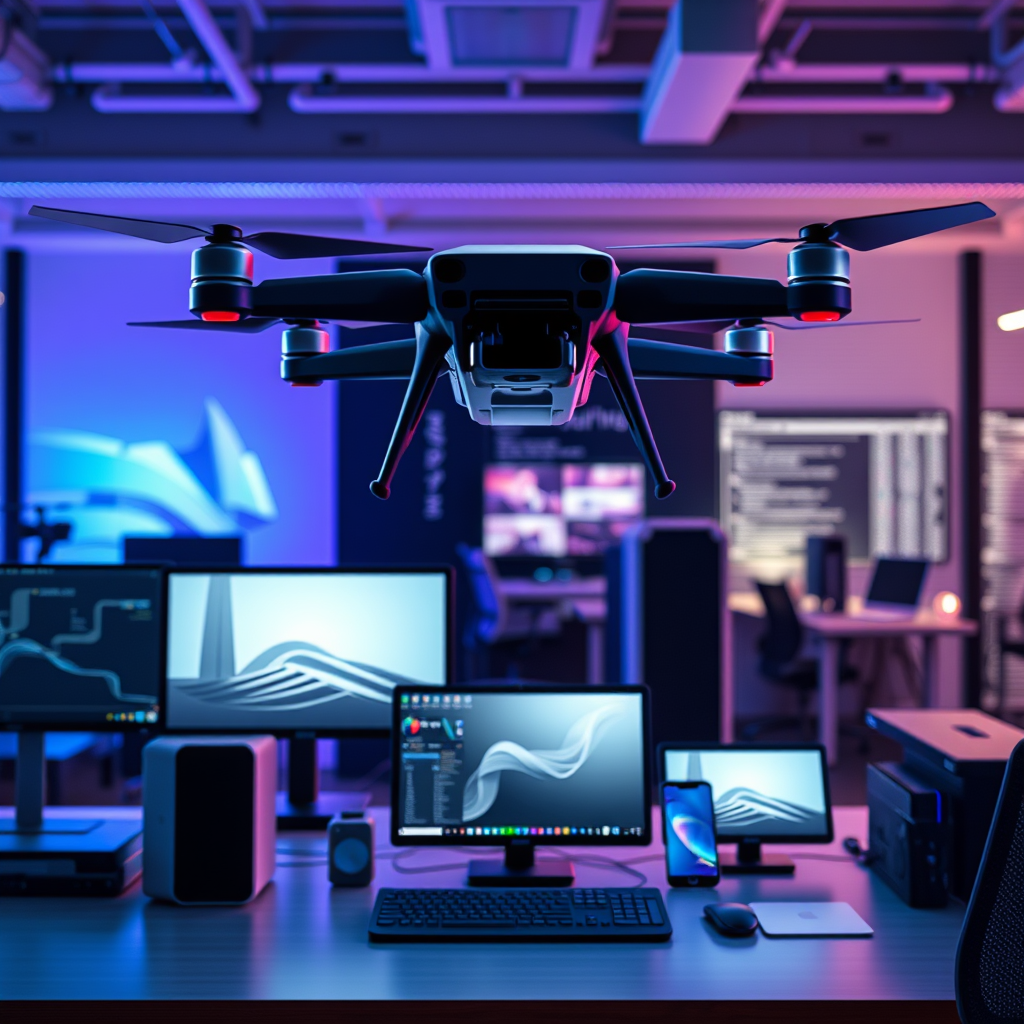
When it comes to choosing between the Yuneec H850 RTK and the DJI Air 3S, the primary differentiator is their transmission capabilities: the H850 RTK offers a robust 9km DataLink, while the Air 3S boasts an impressive 20km transmission range thanks to its O4 technology. This article will delve into the features, performance, and ideal use cases for both drones, providing you with the insights needed to select the model that best fits your aerial needs.
Overview of the Yuneec H850 RTK
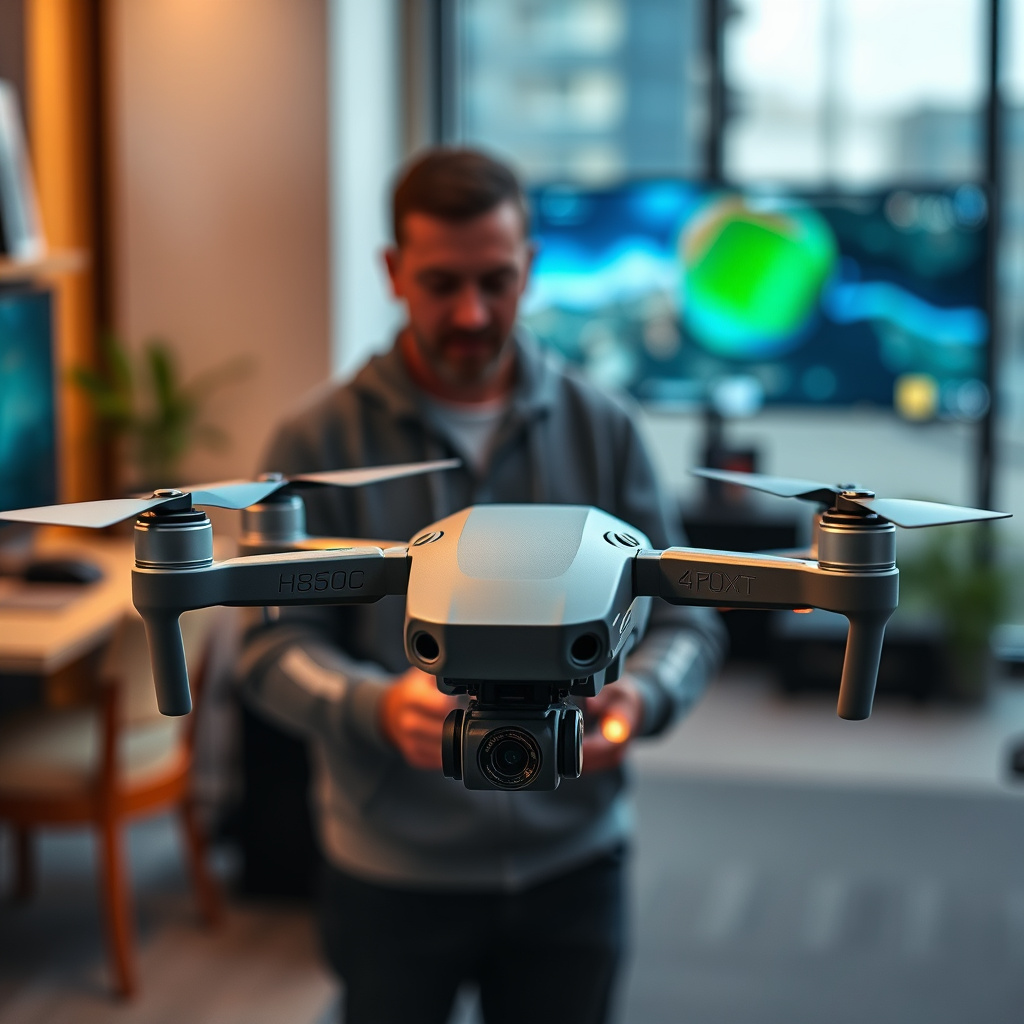
The Yuneec H850 RTK is a powerful drone designed specifically for applications requiring high precision and reliability. Its advanced Real-Time Kinematic (RTK) capabilities ensure accurate positioning, making it an ideal choice for surveying, mapping, and geospatial data collection. The H850 RTK is equipped with a high-quality 4K camera, allowing users to capture detailed images and videos, which can be critical for various inspections and analysis tasks.
In addition to its camera, the H850 RTK supports a range of payload options, including thermal imaging and multispectral cameras, enhancing its versatility in different industrial applications. With its foldable design, it is also portable, making it easier for professionals to transport to various job sites. Overall, the Yuneec H850 RTK stands out for its precision and adaptability in demanding environments.
Overview of the DJI Air 3S
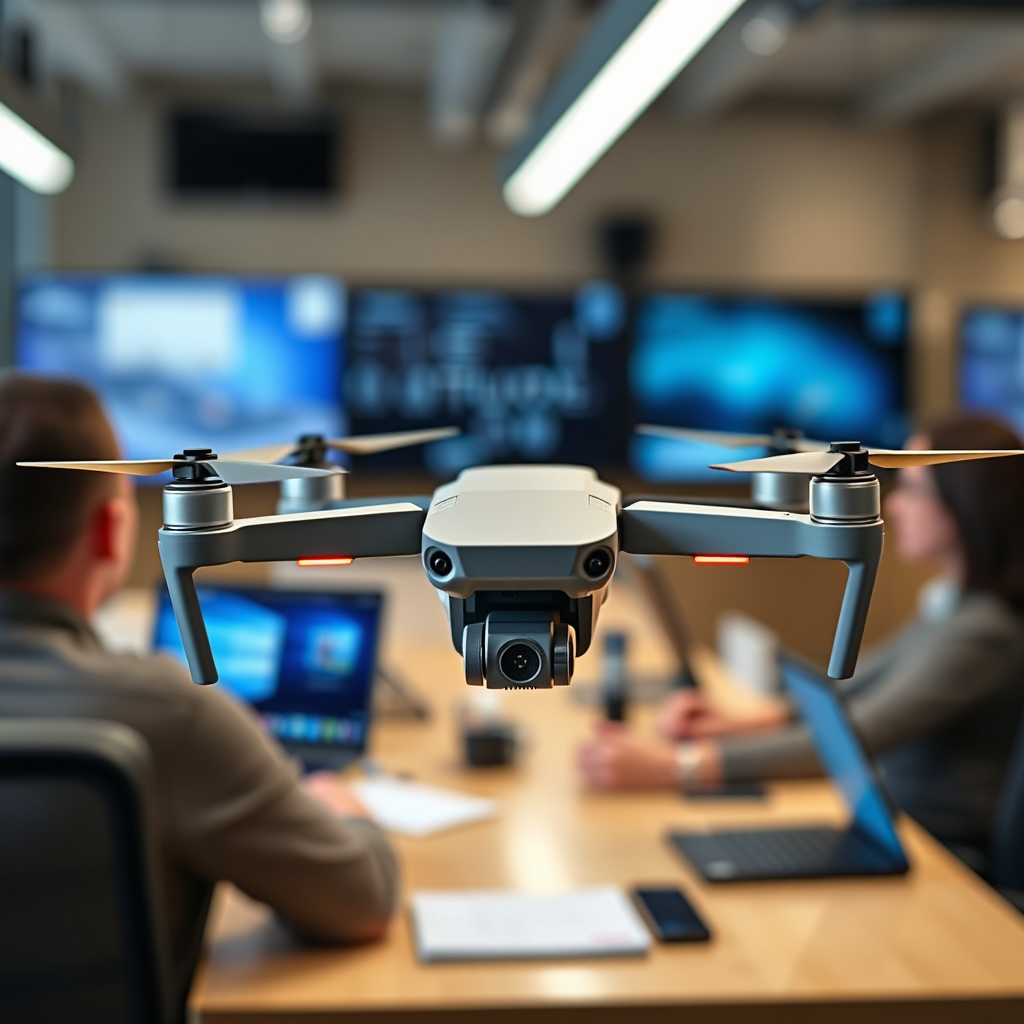
The DJI Air 3S is positioned as a versatile drone that excels in both recreational and professional photography, thanks to its advanced features and superior technology. Utilizing DJI’s O4 transmission technology, the Air 3S achieves an impressive 20km range, which significantly enhances its ability to capture high-quality footage over long distances. This extended range is particularly beneficial for videographers and photographers who need to cover vast areas without losing control or video feed quality.
At the heart of the Air 3S is a powerful 1-inch CMOS sensor capable of producing stunning 20MP images and 5.4K video. This combination of effective transmission and superior imaging technology makes the Air 3S a go-to choice for creatives looking to produce breathtaking aerial content. Furthermore, the drone’s user-friendly interface and intelligent flight modes enhance the overall flying experience, making it accessible for both beginners and seasoned pilots.
Transmission Range: DataLink vs. O4 Technology
Transmission range is a critical factor for drone performance, particularly in professional applications where control and data integrity are paramount. The Yuneec H850 RTK’s 9km DataLink provides reliable control and telemetry data, ensuring that operators can maintain a stable connection even at significant distances. This range is particularly suitable for tasks such as surveying, where precision is more important than the sheer distance flown.
In contrast, the DJI Air 3S’s O4 technology not only pushes the transmission range to an impressive 20km but also improves the video quality and control signals significantly. This makes it ideal for high-speed maneuvers and complex aerial shots, where maintaining a stable connection over longer distances is crucial. The enhanced range and reliability of the O4 technology make the Air 3S a preferred choice for those who prioritize long-distance flight and high-quality video capture.
Flight Performance and Stability
The flight performance of a drone can significantly impact its usability across various applications. The Yuneec H850 RTK excels in stable flight, primarily due to its RTK system. This precision positioning technology minimizes drift and ensures that the drone can maintain its altitude and position even in challenging environmental conditions. As such, it is particularly well-suited for surveying tasks, where accuracy is paramount.
On the other hand, the DJI Air 3S offers excellent obstacle avoidance capabilities, thanks to its advanced sensors and intelligent flight modes. This feature allows users to navigate complex environments with confidence, reducing the risk of collisions and enhancing overall flight stability. Whether you are capturing stunning aerial footage or conducting site inspections, the Air 3S’s performance ensures smooth and reliable operation.
Use Cases and Applications
The intended use cases for each drone highlight their unique strengths. The Yuneec H850 RTK is favored in industrial applications such as land surveying, environmental monitoring, and mapping due to its precision and versatility in payload options. Its advanced RTK capabilities enable professionals to gather accurate geospatial data, making it an essential tool for engineers, planners, and researchers.
Conversely, the DJI Air 3S is preferred by recreational and professional photographers for its superior camera capabilities and ease of use. Its ability to capture high-quality imagery and video makes it an excellent choice for filmmakers, real estate agents, and content creators looking to showcase their work from breathtaking aerial perspectives. The Air 3S’s extended range further enhances its appeal for those who need to cover large areas while maintaining high-quality outputs.
Price Comparison and Value
When deciding between the Yuneec H850 RTK and DJI Air 3S, it is essential to analyze the cost-effectiveness of each drone based on their features and performance. The H850 RTK typically comes at a higher price point due to its advanced RTK capabilities and versatility in payload options. However, for professionals in need of precise data collection, the investment may be justified by the value it provides in terms of accuracy and reliability.
In contrast, the DJI Air 3S offers a more affordable entry point while delivering exceptional performance for aerial photography and videography. Its long-range capabilities and high-quality imaging make it a strong contender for those prioritizing creative applications. Additionally, considering the long-term value, including customer support and potential accessories, can help determine which drone offers the best overall investment for your specific needs.
User Experience and Reviews
User experience plays a significant role in the overall satisfaction with a drone. Reviews from both Yuneec H850 RTK and DJI Air 3S users generally highlight the quality of the build and ease of operation. Users of the H850 RTK often commend its RTK capabilities and the accuracy it provides in industrial applications, although some note that it may require a learning curve for new users unfamiliar with advanced mapping techniques.
On the other hand, DJI Air 3S users frequently praise its intuitive controls and user-friendly app interface, which simplifies the process of capturing stunning aerial imagery. The community around the Air 3S is vibrant, with many online resources available for troubleshooting and creative inspiration. Customer support for both brands is generally regarded as responsive, although DJI’s extensive user community often provides additional resources for Air 3S pilots.
The Yuneec H850 RTK and DJI Air 3S each have unique strengths that cater to different user needs. The H850 RTK shines in precision and industrial applications, while the Air 3S excels in long-range transmission and photography. Evaluate your specific requirements and consider factors like transmission range, camera quality, and overall usability to make an informed decision. In the rapidly evolving world of drones, choosing the right model can enhance your operational efficiency and creative output, ensuring you get the most out of your aerial adventures.
Frequently Asked Questions
What are the key differences between the Yuneec H850 RTK and the DJI Air 3S in terms of transmission range?
The Yuneec H850 RTK offers a DataLink transmission range of up to 9 kilometers, while the DJI Air 3S utilizes the O4 transmission system, boasting an impressive range of 20 kilometers. This significant difference means that users of the DJI Air 3S can cover larger areas without losing connection, making it a better choice for extensive surveying or mapping tasks. Additionally, the longer transmission range of the DJI Air 3S can be beneficial for operations in remote or obstructed environments.
How does the RTK capability of the Yuneec H850 enhance its performance compared to the DJI Air 3S?
The Yuneec H850 RTK features Real-Time Kinematic (RTK) technology, which provides centimeter-level accuracy for mapping and surveying applications. This precision is crucial for industries like agriculture, construction, and environmental monitoring, where exact positioning is vital. In contrast, while the DJI Air 3S offers good imaging capabilities, it lacks RTK support, making the H850 a superior option for tasks requiring high-accuracy data collection.
Which drone is better for professional surveying, the Yuneec H850 RTK or the DJI Air 3S?
For professional surveying, the Yuneec H850 RTK is generally the better choice due to its RTK capabilities, which ensure high accuracy in data collection. While the DJI Air 3S excels in image quality and longer transmission range, it does not offer the same level of positional accuracy that professionals need for precise mapping tasks. Therefore, if accuracy and precision are paramount, the Yuneec H850 RTK stands out as the more suitable option.
What are the advantages of the DJI Air 3S’s O4 transmission system compared to the Yuneec H850’s DataLink?
The DJI Air 3S’s O4 transmission system provides several advantages, including a longer effective range of up to 20 kilometers and enhanced signal stability, which reduces the chances of losing connection during flight. This system is designed to maintain a strong link even in challenging environments with potential interference. In contrast, while the Yuneec H850’s DataLink is reliable for its 9-kilometer range, it may not perform as well in densely populated or obstructed areas, making the O4 system a better choice for users needing extended operational distance.
Why might a user choose the Yuneec H850 RTK over the DJI Air 3S despite its shorter transmission range?
A user might prefer the Yuneec H850 RTK over the DJI Air 3S due to its superior RTK capabilities, which deliver high-precision data essential for professional applications like surveying and mapping. For users focused on accuracy rather than distance, the centimeter-level precision offered by the H850 RTK can outweigh the benefits of the longer transmission range of the Air 3S. Moreover, industries that require detailed geospatial data will find the H850’s features more aligned with their operational needs, making it a more suitable investment.
References
- https://en.wikipedia.org/wiki/Drone_technology
- https://www.reuters.com/technology/drones-are-the-future-agriculture-2021-08-13/
- https://www.theguardian.com/technology/2020/jun/30/the-drone-revolution-how-technology-is-changing-the-way-we-see-the-world
- https://www.nist.gov/document-library
- Unmanned Aircraft Systems (UAS) | Federal Aviation Administration
- https://www.ncbi.nlm.nih.gov/pmc/articles/PMC6614634/
- https://www.sciencedirect.com/science/article/pii/S095741742030567X
- https://www.wired.com/story/drones-in-agriculture/
- drones | TechCrunch
