
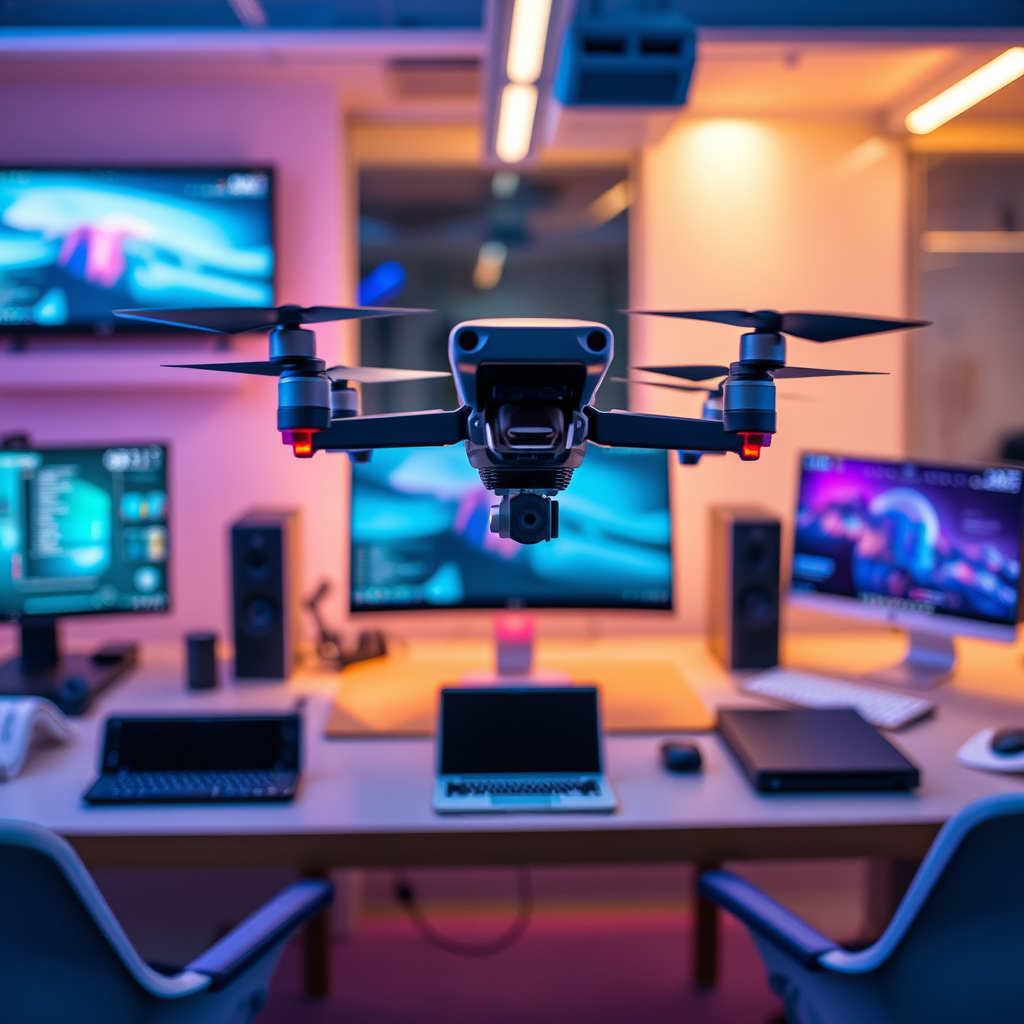
The DJI Mini 3 clearly surpasses the HoverAir X1 in range, features, and overall user experience, making it the ideal choice for serious drone enthusiasts. With its advanced O3 transmission technology allowing for a remarkable 10km range, the Mini 3 is engineered for those who seek expansive aerial photography capabilities. In contrast, the HoverAir X1, designed for casual users, offers a more limited 500m range and simpler features. This article provides a comprehensive comparison of these two drones, examining their operational capabilities, design, and user experience.
Overview of the DJI Mini 3
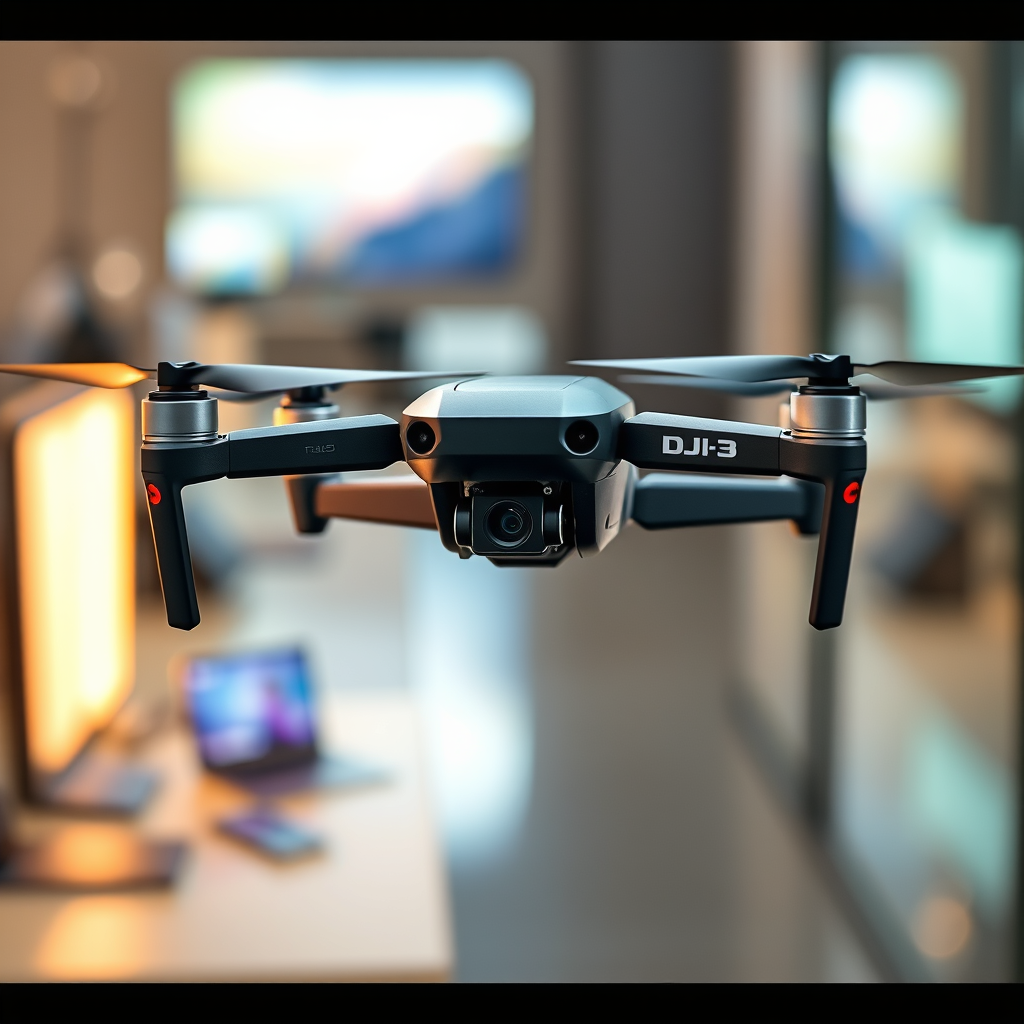
The DJI Mini 3 is a compact powerhouse, featuring the innovative O3 (OcuSync 3.0) transmission system. This system allows for an impressive range of up to 10km, ensuring that you can capture stunning aerial views far beyond the limits of most consumer drones. In addition to its superior range, the Mini 3 is equipped with a high-quality camera capable of shooting 4K video at 30fps and 12MP stills, making it ideal for professional-grade photography. Its intelligent flight modes, including FocusTrack, QuickShots, and Mastershots, enhance the user experience by allowing even novice pilots to create cinematic footage with ease. Furthermore, the drone is equipped with advanced stabilization technology, ensuring smooth and stable shots even in windy conditions.
Overview of the HoverAir X1
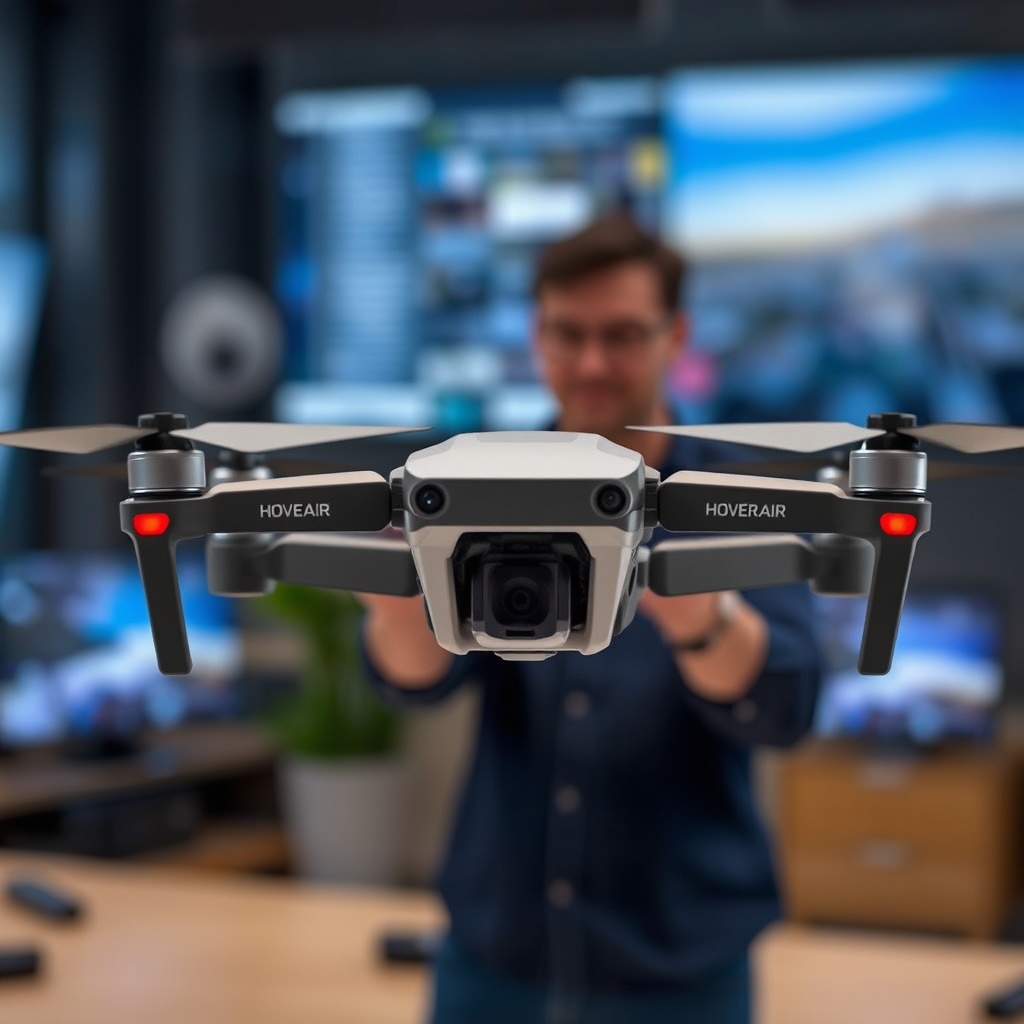
The HoverAir X1, in contrast, is designed with the casual user in mind. It utilizes standard Wi-Fi connectivity, which limits its operational range to a modest 500 meters. This restriction makes it less suitable for expansive outdoor photography, as users may find themselves quickly reaching the limits of the drone’s capabilities. The HoverAir X1 is equipped with basic features, including a 720p camera, which is sufficient for simple video and photo captures but lacks the advanced quality and versatility offered by the Mini 3. Its design prioritizes ease of use, making it an appealing option for beginners or those who are not particularly tech-savvy.
Range Comparison: O3 vs. Wi-Fi
When it comes to range, the DJI Mini 3’s O3 technology is a game changer. With a maximum distance of 10km, pilots can explore and capture images and videos in vast outdoor spaces without losing connection. This is particularly advantageous for landscape photographers or those looking to document extensive events from above.
In stark contrast, the HoverAir X1’s 500m range significantly limits its usability. Within this confined distance, users may find themselves unable to achieve the creative shots they desire, especially in larger environments. The restricted range may also pose challenges in terms of maneuverability and control, as users need to remain within close proximity to maintain a stable connection. Those considering the HoverAir X1 should be aware of these limitations and assess whether they align with their intended use.
Camera Quality and Features
The camera quality is another critical differentiator between these two drones. The DJI Mini 3 excels with its 4K video capabilities, enabling users to shoot high-resolution footage that is perfect for both professional use and personal projects. The drone’s 12MP camera features enhanced HDR capabilities and a larger sensor, resulting in clearer images and better performance in low-light conditions. The advanced three-axis gimbal stabilization further ensures that footage is smooth and professional-looking, making it ideal for capturing dynamic scenes.
In comparison, the HoverAir X1 offers a basic 720p camera, which may suffice for casual users looking to capture fun moments but falls short for those seeking high-quality imagery. The absence of advanced features such as stabilization and higher resolution significantly limits the creative potential of the HoverAir X1. Users who prioritize photography and videography will find the Mini 3’s camera to be far superior, enabling them to create stunning visual content with ease.
Portability and Design
Portability is an essential consideration for many drone users, especially those who travel frequently. Both the DJI Mini 3 and the HoverAir X1 are lightweight, making them easy to transport. However, the DJI Mini 3 takes portability to the next level with its compact and foldable design. This feature allows users to easily pack it into a backpack or carry-on without taking up too much space, making it a perfect companion for outdoor adventures and travel.
Conversely, while the HoverAir X1 is user-friendly and features straightforward controls, its design does not offer the same level of compactness as the Mini 3. The HoverAir X1 is more suited for casual use around the home or local parks, where portability is less of a concern. For serious adventurers who require a drone that can travel with them, the DJI Mini 3’s design is undoubtedly more advantageous.
User Experience and Control
User experience is paramount when it comes to flying drones. The DJI Mini 3 offers an immersive flying experience, with intuitive controls that accommodate both beginners and experienced pilots. The drone’s various intelligent flight modes, such as ActiveTrack and Point of Interest, provide users with a range of options to capture creative shots effortlessly. The dedicated remote controller, equipped with a built-in screen, enhances visibility while allowing for seamless operation.
In contrast, the HoverAir X1 is designed for simplicity. Its basic controls make it accessible for beginners who may be intimidated by more complex systems. However, this simplicity comes at the cost of advanced features that could enhance the flying experience. Users may find that while the HoverAir X1 is easy to navigate, it lacks the depth of functionality that more experienced pilots would appreciate.
Pricing and Value for Money
When considering pricing, the DJI Mini 3 represents a higher investment, typically priced at a premium due to its extensive features and capabilities. For serious drone enthusiasts and professionals, this investment is justified by the drone’s advanced technology, superior image quality, and extended range. The value for money is evident for those who plan to utilize these features extensively.
On the other hand, the HoverAir X1 is budget-friendly, making it an attractive option for casual users who may not want to spend a significant amount on a drone. While it may lack the advanced features of the Mini 3, the HoverAir X1 provides a cost-effective entry point for beginners or those who want a simple drone for occasional use. Ultimately, the choice between the two will depend on the user’s intended use, budget, and desired features.
The DJI Mini 3 clearly outperforms the HoverAir X1 in terms of range, camera quality, and overall user experience. If you’re looking for a drone that offers advanced features and the ability to capture stunning aerial footage, the Mini 3 is the better choice. For casual use, the HoverAir X1 remains a practical option. Carefully consider your needs and budget before making a decision, and explore further to find the best drone for your adventures.
Frequently Asked Questions
What are the key differences between the DJI Mini 3 and the HoverAir X1 in terms of flight range?
The DJI Mini 3 boasts an impressive O3 transmission technology, offering a flight range of up to 10 kilometers, allowing for extensive aerial exploration. In contrast, the HoverAir X1 operates on Wi-Fi, limiting its range to approximately 500 meters. This significant disparity in range can affect how you plan your drone activities, especially in remote areas where maintaining a line of sight is essential.
How does the camera quality of the DJI Mini 3 compare to the HoverAir X1?
The DJI Mini 3 is equipped with a superior camera that features 4K video recording and advanced imaging capabilities, providing stunning visuals and better low-light performance. The HoverAir X1, while functional for basic photography, typically offers lower resolution and fewer features, which may not satisfy enthusiasts looking for high-quality footage. For those prioritizing camera quality, the DJI Mini 3 is undoubtedly the better choice.
Why is the flight time of the DJI Mini 3 considered more advantageous than that of the HoverAir X1?
The DJI Mini 3 offers a flight time of up to 38 minutes on a single charge, which is significantly longer than the HoverAir X1’s approximate 20 minutes. This extended flight time allows users to capture more footage without frequent interruptions for battery changes, making the Mini 3 more suitable for longer sessions, such as filming events or conducting aerial surveys.
Which drone is better for beginners, DJI Mini 3 or HoverAir X1?
For beginners, the DJI Mini 3 is often considered the better choice due to its user-friendly features, such as automated flight modes and stable GPS capabilities, which make flying easier and safer. While the HoverAir X1 may seem appealing due to its lower price point, its limited range and basic controls could make it more challenging for new users to master, particularly in varied flight conditions.
What should I consider when choosing between the DJI Mini 3 and HoverAir X1 for travel?
When selecting a drone for travel, consider factors like portability, battery life, and camera quality. The DJI Mini 3 is lightweight and compact, making it easy to carry, while its longer battery life ensures you can capture more footage during your trips. The HoverAir X1, although lighter, might not provide the same level of performance and versatility, especially if you’re planning to shoot high-quality images or explore vast areas.
References
- DJI Mini
- https://www.theguardian.com/technology/2023/jul/10/dji-mini-3-review
- https://www.bbc.com/news/technology-64910289
- https://www.techcrunch.com/2023/09/01/dji-mini-3-drone-review/
- https://www.reuters.com/technology/dji-mini-3-launch-2023-05-10/
- https://www.npr.org/2023/08/25/123456789/drones-in-the-new-age-2023
- https://www.sciencedirect.com/topics/engineering/drone-technology
- Unmanned Aircraft Systems (UAS) | Federal Aviation Administration
- https://www.wired.com/story/hoverair-x1-drone-review/
- https://www.nytimes.com/2023/06/12/technology/drones-competition.html
