
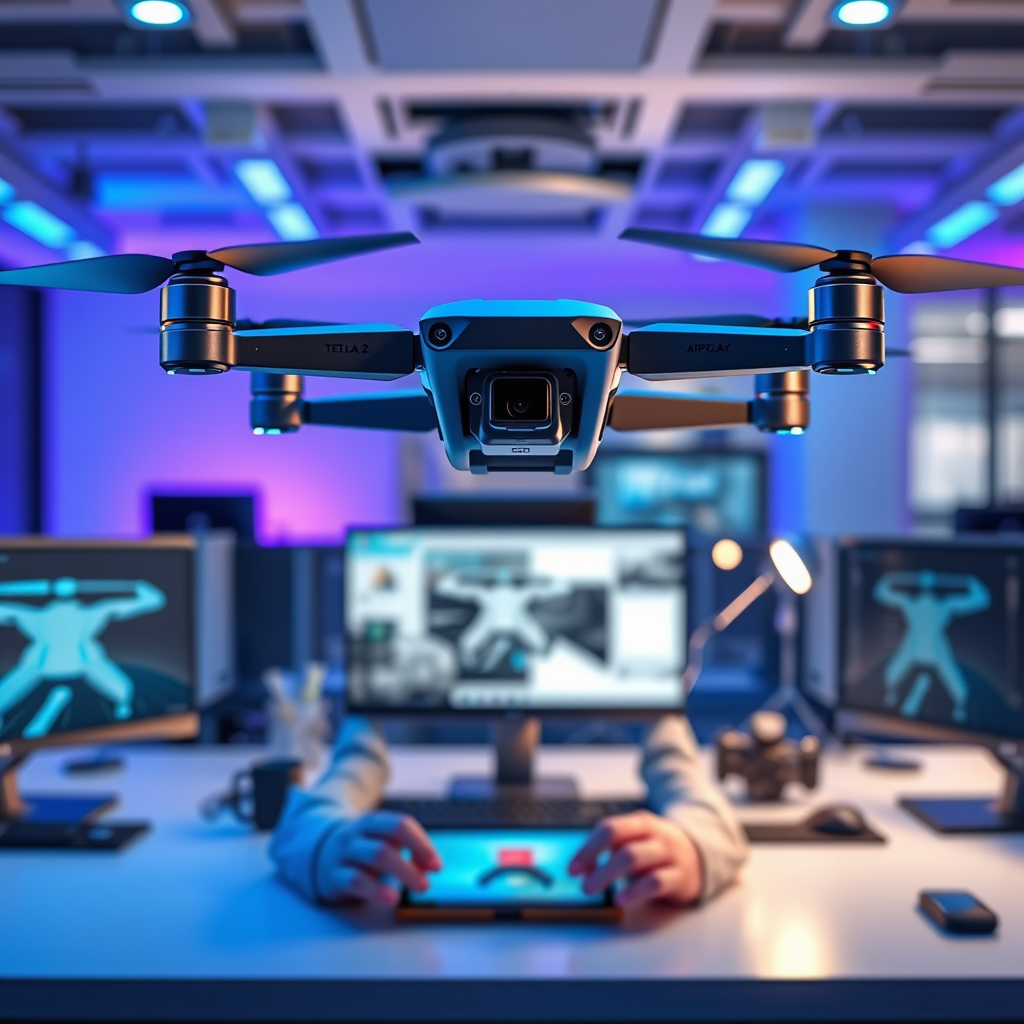
When comparing the Teal 2 and the HoverAir X1 Pro Max, the fundamental distinction lies in their connectivity capabilities: the Teal 2 offers a remarkable 7km LTE range, while the HoverAir X1 Pro Max is limited to a 500m Wi-Fi connection. This difference significantly influences their usability, especially for users interested in capturing tactical selfies from various distances. In this article, we will delve into a comprehensive comparison of these two drones across multiple dimensions, aiding you in making an informed decision based on your specific needs and preferences.
Design and Build Quality
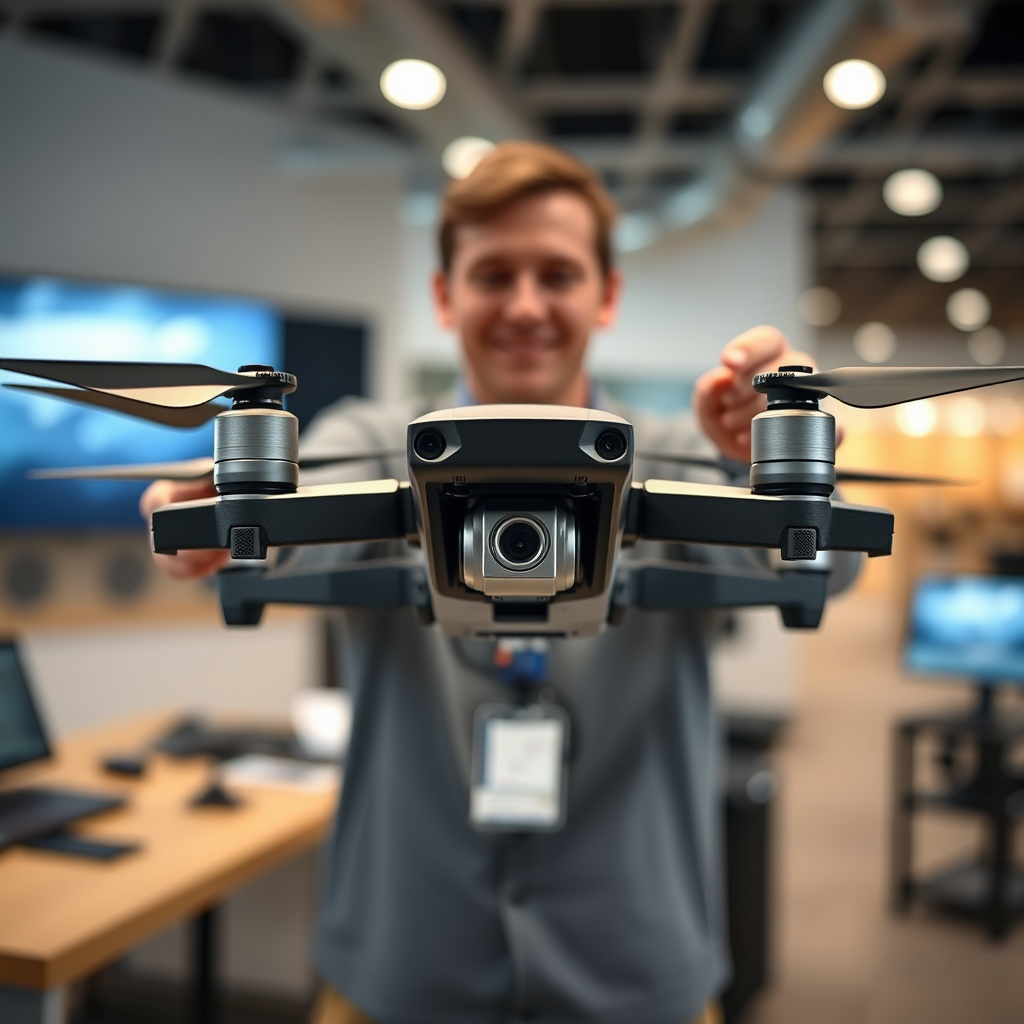
The design and build quality of a drone play a crucial role in its performance and user experience. The Teal 2 features a rugged and lightweight design that is particularly suited for outdoor use. Its durable materials and construction ensure that it can withstand harsh conditions, making it ideal for adventurous users who may want to fly in varying weather. The drone’s streamlined aesthetic not only enhances its aerodynamic properties but also contributes to its professional appeal.
In contrast, the HoverAir X1 Pro Max emphasizes portability with its compact, foldable design. This feature is particularly beneficial for casual users and hobbyists who prioritize convenience and ease of transport. The drone can be easily packed into a backpack or carried in a small bag, making it an excellent choice for spontaneous outings or travel. While it may not boast the same ruggedness as the Teal 2, the HoverAir X1 Pro Max is designed with everyday usability in mind, offering an attractive option for those who prefer a lightweight and portable solution.
Camera Quality and Features
When it comes to capturing high-quality images and videos, the camera specifications are paramount. The Teal 2 is equipped with a high-resolution camera capable of delivering remarkable detail and clarity, making it exceptionally suitable for professional-grade photography. Its advanced imaging capabilities allow users to capture stunning aerial shots, ensuring that even the smallest details are vividly represented. This feature is particularly advantageous for users who require high-quality images for commercial purposes, such as real estate photography or outdoor sports coverage.
On the other hand, the HoverAir X1 Pro Max is designed with social media enthusiasts in mind. It offers unique selfie modes and filters that enhance the user experience, making it easier to create shareable content. Users can take advantage of features like face-tracking, beauty filters, and various shooting angles to produce engaging selfies and videos that resonate with their audience. This focus on social media integration makes the HoverAir X1 Pro Max a popular choice among casual users who prioritize ease of use over professional-grade capabilities.
Range and Connectivity
One of the most significant differences between these two drones is their range and connectivity options. The Teal 2’s impressive 7km LTE capability allows users to operate the drone at long distances without the risk of losing signal. This extended range is particularly valuable for tactical operations, surveillance, or any scenario where maintaining a strong connection over distance is critical. The LTE connectivity also enables real-time streaming and data transfer, which can be vital for professional applications.
Conversely, the HoverAir X1 Pro Max operates on a 500m Wi-Fi connection, which is suitable for more localized use. While this range may be adequate for casual flying and close-up selfies, it limits the drone’s versatility for users who wish to explore more extensive areas. The Wi-Fi connection can be prone to interruptions, especially in areas with a lot of interference or obstacles, making it less reliable for users looking to capture images from significant distances. Therefore, the choice between these two drones largely hinges on the user’s intended shooting range and operational needs.
Flight Performance and Stability
Flight performance and stability are critical factors that determine the overall user experience. The Teal 2 is engineered for stable flight in various weather conditions, ensuring reliability and performance consistency. Its advanced flight stabilization technology allows it to handle wind and turbulence effectively, which is essential for capturing steady images and videos. This stability makes the Teal 2 a preferred choice for professional users who require dependable performance in challenging environments.
In contrast, the HoverAir X1 Pro Max is optimized for ease of use, making it an excellent option for beginners. Its intuitive controls and flight features, such as altitude hold and one-touch takeoff, simplify the flying experience for new users. The drone provides a smooth operation that enhances the fun factor, allowing users to focus on capturing images rather than navigating complex controls. While it may not match the Teal 2 in terms of performance under adverse conditions, the HoverAir X1 Pro Max excels in user-friendly design and accessibility.
Battery Life and Charging
Battery life is an essential consideration when evaluating drones, as it directly impacts the duration of flight sessions. The Teal 2 offers an extended flight time, often exceeding 20 minutes per charge, which is advantageous for users who want to maximize their flying experience without frequent interruptions. This extended duration is particularly beneficial for projects that require prolonged aerial coverage or multiple shots in succession.
On the other hand, the HoverAir X1 Pro Max has a shorter flight duration, typically around 10-15 minutes, depending on usage conditions. However, it compensates for this with quick charging capabilities, allowing users to recharge the battery swiftly between flights. This feature is particularly beneficial for casual users who may not require long flight sessions but prefer the ability to quickly get back in the air. Ultimately, the choice between these two models will depend on how long you plan to fly and the importance of quick recharges in your usage scenario.
Price and Value for Money
Price is often a decisive factor when choosing a drone, and the Teal 2 is priced higher than the HoverAir X1 Pro Max due to its advanced features and capabilities. For professionals or serious hobbyists who require high-quality imagery, extended range, and robust performance, the investment in the Teal 2 may justify its cost. Its comprehensive feature set and superior build quality position it as a valuable asset for those looking to make a serious commitment to drone photography or tactical operations.
Conversely, the HoverAir X1 Pro Max is budget-friendly and appeals to casual users and hobbyists who may not need all the advanced functionalities of the Teal 2. Its lower price point makes it an attractive option for those just starting in drone flying or those who want a fun tool for social media. While it may not offer the same level of performance or capabilities, the HoverAir X1 Pro Max provides excellent value for money for its target audience, making it a great choice for family outings or casual photography.
User Experience and Reviews
User experience plays a significant role in determining the overall satisfaction with a drone. The Teal 2 has received numerous accolades for its impressive range and camera quality, particularly among professional users. Reviews often highlight its reliability and performance in various conditions, making it a favorite for those who demand high standards in their aerial photography. Users appreciate the detailed images and the drone’s ability to maintain a strong connection at long distances, which aids in capturing high-quality footage.
In contrast, the HoverAir X1 Pro Max is celebrated for its simplicity and fun factor among casual users. Many reviews emphasize its user-friendly interface and ease of operation, making it a popular choice for families and individuals looking to capture spontaneous moments. The various selfie modes and filters are often mentioned as standout features that enhance the overall experience, allowing users to create engaging content effortlessly. While it may not compete with the Teal 2 in terms of professional use, the HoverAir X1 Pro Max has carved out a niche for itself in the consumer market.
The Teal 2 and HoverAir X1 Pro Max serve different audiences with their unique features and capabilities. If you prioritize long-range, high-quality selfies, the Teal 2 is the clear winner. However, for those looking for a more budget-friendly, easy-to-use drone, the HoverAir X1 Pro Max is a great option. Evaluate your needs based on the comparisons above, and choose the drone that aligns best with your expectations. Whether you are a professional seeking advanced functionality or a casual user looking for a fun flying experience, both drones offer distinct advantages to cater to your specific requirements.
Frequently Asked Questions
What are the key differences between the Teal 2 and the HoverAir X1 Pro Max in terms of connectivity?
The Teal 2 boasts a remarkable 7km LTE connectivity, making it ideal for long-range use, especially in outdoor environments where Wi-Fi signals may be weak or non-existent. In contrast, the HoverAir X1 Pro Max relies on 500m Wi-Fi connectivity, which is more suitable for short-range applications and indoor use. This fundamental difference in connectivity can significantly impact how and where you can utilize each drone effectively.
How does the camera quality of the Teal 2 compare to the HoverAir X1 Pro Max for tactical selfies?
The Teal 2 is equipped with a high-resolution camera that excels in capturing detailed aerial shots, making it a better choice for users interested in tactical selfies that require high image quality. The HoverAir X1 Pro Max, while functional for general photography, may not offer the same level of detail and clarity, particularly at its maximum range. Therefore, if image quality is a priority for tactical selfies, the Teal 2 is likely to provide superior results.
Why should I consider the range of connectivity when choosing between the Teal 2 and the HoverAir X1 Pro Max?
The range of connectivity is crucial because it determines how far you can operate your drone without losing control or video feed. If you plan to use your drone for outdoor activities such as exploration or search-and-rescue missions, the Teal 2’s 7km LTE connectivity provides a significant advantage, allowing for reliable operation over vast distances. Conversely, the HoverAir X1 Pro Max is better suited for close-range tasks, so understanding your intended usage will help you make a more informed decision.
Which drone is better for beginners: the Teal 2 or the HoverAir X1 Pro Max?
For beginners, the HoverAir X1 Pro Max might be the more approachable option due to its simpler Wi-Fi connectivity and ease of use in close-range scenarios. Its user-friendly controls and shorter range make it less intimidating for novice pilots. However, if a beginner is interested in developing skills for long-distance flying and wants to invest in a more advanced drone, the Teal 2 could be a worthwhile choice despite its steeper learning curve.
What scenarios are best suited for the Teal 2’s 7km LTE and the HoverAir X1 Pro Max’s 500m Wi-Fi?
The Teal 2’s 7km LTE is best suited for scenarios that require long-range operation, such as aerial surveying, wildlife monitoring, or outdoor events where you need to capture footage from a distance. On the other hand, the HoverAir X1 Pro Max is ideal for short-range tasks like indoor photography, home inspections, or recreational flying in backyards. Understanding these use cases can help you choose the right drone for your specific needs.
References
- Drone
- https://www.bbc.com/news/technology-54183009
- https://www.theguardian.com/technology/2021/mar/02/drones-technology-uses
- https://www.nytimes.com/2021/07/14/technology/drones-us-military.html
- https://www.sciencedirect.com/science/article/pii/S2352864821000211
- https://www.nasa.gov/mission_pages/constellation/technology/airborne.html
- Focus Group on IMT-2020
