

When it comes to advanced mapping drones, the Wingtra One Gen II and Autel EVO II Pro V3 stand out as top contenders, each offering unique features that cater to specialized needs. The Wingtra One Gen II excels with its robust 10km LTE connectivity, ideal for extensive mapping projects, while the Autel EVO II Pro V3 impresses with its innovative SkyLink technology, providing a 12km mapping range coupled with stunning 6K resolution. This article will explore their specifications, performance metrics, and distinctive features, enabling you to determine which drone best fits your mapping requirements.
Overview of the Drones
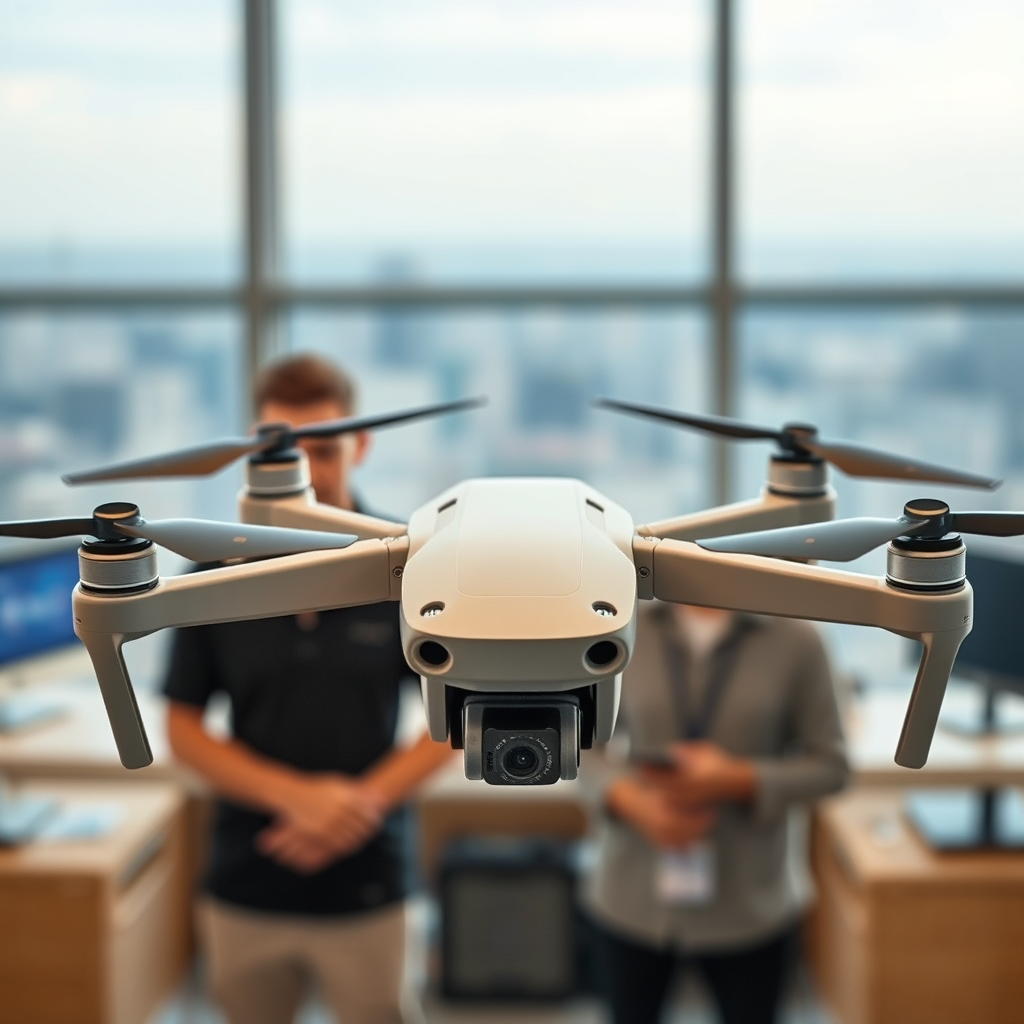
The Wingtra One Gen II is a vertical take-off and landing (VTOL) drone designed specifically for professional mapping and surveying tasks. With its ability to cover large areas quickly and efficiently, it is particularly favored in industries such as agriculture, construction, and environmental monitoring. The drone features a high-precision GNSS receiver, ensuring accurate data collection and reliable performance in various terrains.
On the other hand, the Autel EVO II Pro V3 is a versatile quadcopter that combines impressive imaging capabilities with user-friendly operation. This drone is equipped with advanced sensors and a high-performance camera, making it suitable for a wide range of applications, including aerial photography, surveillance, and mapping. Its compact design and portability make it an attractive option for professionals who require mobility without sacrificing functionality.
Connectivity and Range
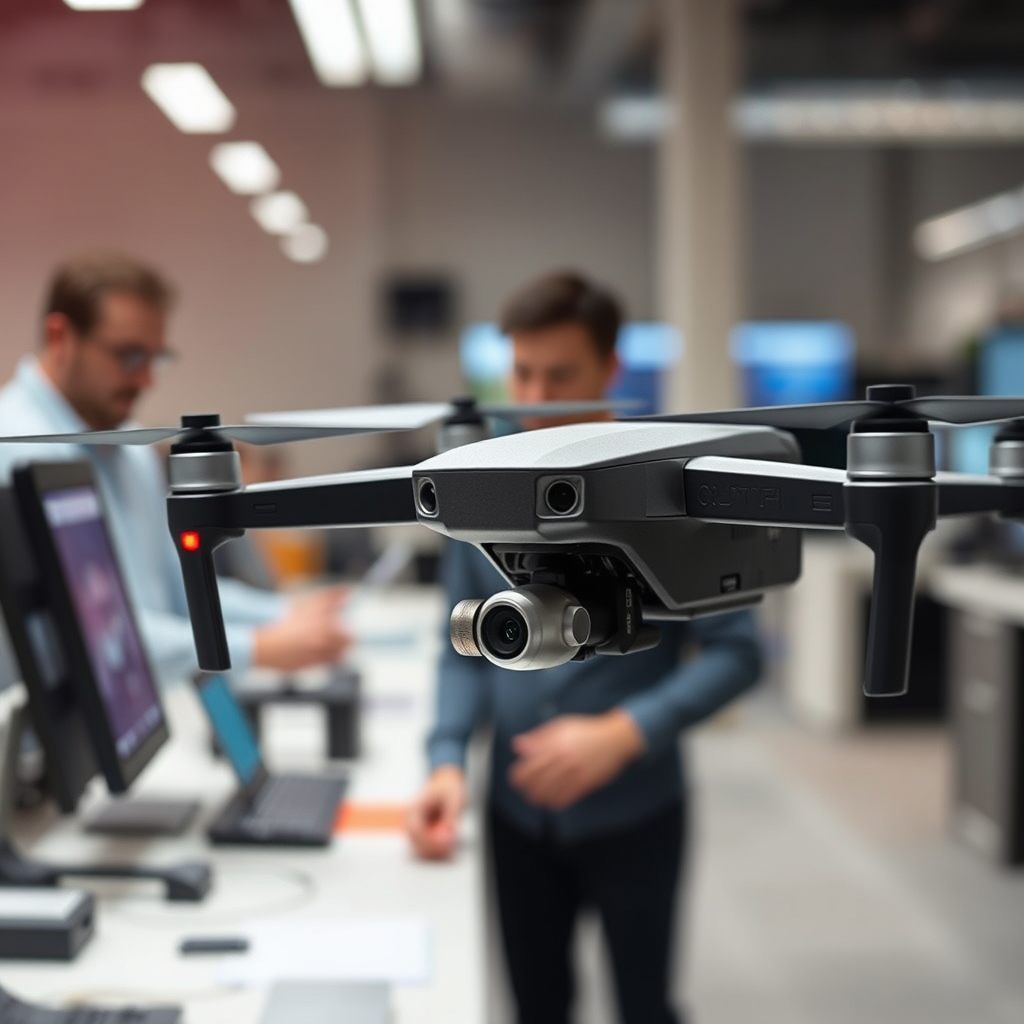
The connectivity features of a mapping drone are crucial for ensuring reliable data transmission and control. The Wingtra One Gen II comes with a 10km LTE connectivity option, allowing users to maintain a stable connection even in challenging environments. This extensive range is particularly beneficial for large-scale mapping projects, where maintaining control over the drone is essential for data accuracy and mission success.
In contrast, the Autel EVO II Pro V3 boasts the SkyLink technology, which extends its mapping range up to 12km. This feature not only enhances the drone’s operational range but also ensures a stable connection during flights. The SkyLink system is engineered to provide adaptive data transmission, making it suitable for complex mapping tasks where real-time data streaming is necessary. The increased range can significantly improve workflow efficiency, especially in expansive areas.
Camera Quality and Imaging
Imaging capabilities are a vital aspect of any mapping drone. The Wingtra One Gen II is equipped with a 42MP Sony RGB camera that captures high-resolution images, enabling detailed mapping and modeling. This camera is designed to work seamlessly with the drone’s flight planning software to ensure optimal overlap and coverage, which is crucial for generating accurate 3D models and orthophotos.
The Autel EVO II Pro V3, however, takes the imaging experience to another level with its 6K resolution camera. This drone features a 1-inch CMOS sensor, which provides superior low-light performance and dynamic range. The ability to capture video and images at 6K resolution allows for exceptionally detailed mapping outputs, making it suitable for industries requiring high-definition imagery, such as real estate and film production. Additionally, the camera supports various shooting modes, enhancing its versatility for different applications.
Flight Performance and Durability
When it comes to flight performance, the Wingtra One Gen II offers impressive stability and endurance. With a flight time of up to 59 minutes, this drone can cover significant distances on a single battery charge, making it ideal for extensive mapping campaigns. Its robust build and design allow it to withstand adverse weather conditions, further enhancing its reliability in the field.
The Autel EVO II Pro V3 also delivers strong performance, with a flight time of approximately 40 minutes. Its advanced flight stabilization technology ensures smooth and stable footage, even in windy conditions. The drone’s durable construction, coupled with its foldable design, makes it easy to transport and deploy in various environments. Both drones feature automatic return-to-home functions, adding an extra layer of safety during operations.
Usability and Software Integration
User experience is a critical factor when selecting a mapping drone. The Wingtra One Gen II is complemented by its proprietary WingtraPilot software, which simplifies flight planning and data processing. The intuitive interface allows users to easily set flight parameters, ensuring efficient data capture. Furthermore, the software integrates seamlessly with popular mapping platforms, allowing for streamlined data analysis and visualization.
Conversely, the Autel EVO II Pro V3 is known for its user-friendly interface and operational simplicity. The Autel Explorer app provides comprehensive control over the drone’s settings and camera functions, making it accessible for both beginners and seasoned professionals. The app also offers advanced features such as automated flight modes and real-time data sharing, enhancing its usability for various mapping scenarios.
Pricing and Value
Pricing is an essential consideration when evaluating drones for mapping applications. The Wingtra One Gen II typically falls into a premium price bracket, reflecting its specialized design and advanced capabilities. While the initial investment may be higher, the drone’s efficiency and data accuracy can lead to significant long-term savings for businesses involved in large-scale mapping projects.
On the other hand, the Autel EVO II Pro V3 is priced competitively, offering excellent value for those needing high-resolution imaging and versatile functionality. Its lower price point, combined with its robust features, makes it an attractive option for smaller businesses or individuals looking to enhance their mapping capabilities without breaking the bank.
Ideal Use Cases
The Wingtra One Gen II is particularly well-suited for industries that require extensive land coverage and high precision, such as agriculture, mining, and construction. Its ability to produce accurate topographical maps and 3D models makes it invaluable for land surveying and project planning.
In contrast, the Autel EVO II Pro V3 is ideal for applications where high-definition imagery is paramount. This includes real estate, film production, and environmental monitoring. Its versatility and ease of use make it an excellent choice for professionals who need a reliable drone for various mapping tasks.
The Wingtra One Gen II and the Autel EVO II Pro V3 each bring unique strengths to the mapping drone market. By assessing their connectivity, camera quality, performance, usability, and pricing, you can make an informed choice that best aligns with your specific mapping needs. Explore further, weigh your options carefully, and choose the drone that will elevate your mapping projects to the next level.
Frequently Asked Questions
What are the key differences between the Wingtra One Gen II and the Autel EVO II Pro V3 in terms of mapping capabilities?
The Wingtra One Gen II is designed primarily for mapping and surveying with its vertical takeoff and landing (VTOL) capabilities, allowing for efficient data collection over large areas. In contrast, the Autel EVO II Pro V3, while also capable of capturing high-resolution imagery, is more suited for general aerial photography and videography, featuring a compact design and advanced obstacle avoidance. The Wingtra’s 10km LTE connectivity is tailored for long-distance mapping missions, while the EVO II Pro V3 offers SkyLink technology with a range of 12km, enhancing its versatility for various applications.
How does the image quality of the Wingtra One Gen II compare to the Autel EVO II Pro V3?
The Wingtra One Gen II features a 42 MP Sony RX1R II camera, which provides exceptional image quality for mapping applications, including detailed orthomosaics and 3D models. The Autel EVO II Pro V3, on the other hand, is equipped with a 1-inch CMOS sensor capable of capturing 6K video and 20 MP stills, making it ideal for high-resolution video and photography. While the Wingtra excels in mapping, the EVO II Pro V3 is more versatile for creative projects, showcasing a balance between quality and functionality.
Which drone is best for professional mapping and surveying tasks?
For professional mapping and surveying tasks, the Wingtra One Gen II is the superior choice due to its dedicated mapping features and VTOL capabilities. Its ability to cover large areas efficiently and produce high-precision data makes it ideal for industries such as construction, agriculture, and environmental monitoring. While the Autel EVO II Pro V3 offers impressive imaging capabilities, its focus on general aerial photography makes it less specialized for mapping applications.
Why is LTE connectivity important for drone mapping, and how do the Wingtra One Gen II and Autel EVO II Pro V3 compare?
LTE connectivity is crucial for drone mapping as it allows real-time data transmission and remote control over long distances, enhancing operational efficiency and safety. The Wingtra One Gen II’s 10km LTE range is specifically designed for mapping missions, allowing users to monitor flights and receive data instantly. In comparison, the Autel EVO II Pro V3’s SkyLink technology extends this range to 12km, making it advantageous for longer flights and maintaining a robust connection during aerial operations.
What are the battery life and flight time differences between the Wingtra One Gen II and the Autel EVO II Pro V3?
The Wingtra One Gen II boasts an impressive flight time of up to 59 minutes, which is beneficial for extensive mapping missions, often allowing users to cover larger areas in a single flight. In contrast, the Autel EVO II Pro V3 has a slightly shorter flight time of about 40 minutes, which may be sufficient for shorter projects but could require more frequent battery changes for larger areas. This difference in battery life can significantly impact operational planning and efficiency when choosing between these drones for mapping tasks.
References
- https://en.wikipedia.org/wiki/Wingtra_One
- EVO II Pro
- National Academies of Sciences, Engineering, and Medicine
- https://www.researchgate.net/publication/335556056_The_Use_of_Drones_for_Mapping_and_Surveying
- https://www.techrepublic.com/article/what-is-a-drone-and-how-do-they-work/
- https://www.theguardian.com/technology/2021/mar/21/what-is-the-future-of-drones-and-how-are-they-being-used
- https://www.sciencedirect.com/science/article/abs/pii/S2351978921002305
- https://www.itu.int/en/ITU-T/Study-Groups/2022-2025/16/Pages/default.aspx
- https://www.wired.com/story/drone-mapping-systems/
