
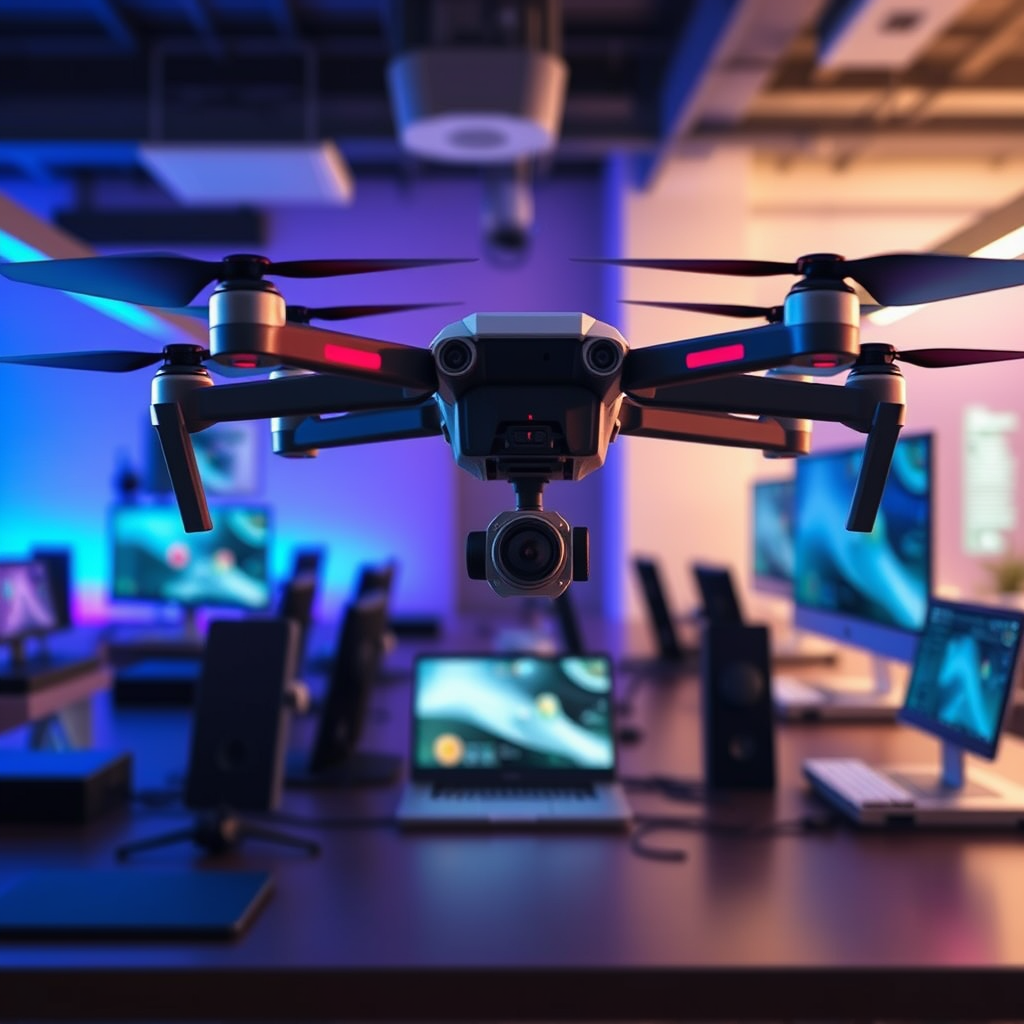
The Potensic Atom 2 is the superior choice for those seeking an extensive range and impressive aerial capabilities, boasting a remarkable 7.5km FPV experience compared to the HoverAir X1’s modest 500m Wi-Fi range. In this article, we’ll conduct an in-depth comparison of these budget-friendly selfie drones, exploring their performance, camera quality, ease of use, and overall value, enabling you to make an informed decision based on your specific needs and preferences.
Overview of Each Drone

– Potensic Atom 2: This drone is equipped with cutting-edge FPV (First Person View) technology that allows users to fly at extended distances while maintaining a live video feed. It features a sleek design and is engineered for enthusiasts who appreciate advanced functionality and performance. The Atom 2 is especially suitable for those who enjoy capturing high-quality aerial footage and selfies from impressive altitudes and distances.
– HoverAir X1: Targeted primarily at beginners and casual drone users, the HoverAir X1 offers a compact and lightweight design that is easy to handle. Its user-friendly interface and straightforward controls make it ideal for first-time pilots. The X1 is designed for those who want to enjoy the thrill of flying without needing to navigate advanced settings or features, making it a solid option for quick and casual selfie captures.
Performance Comparison

– Range: The Potensic Atom 2’s standout feature is its impressive 7.5km connectivity, which allows users to explore and capture footage from far-off locations without losing signal. This extensive range is particularly beneficial for landscape photography, allowing users to capture breathtaking vistas. In contrast, the HoverAir X1 limits users to a 500m range, which may suffice for short flights and local scenery but restricts the opportunity for expansive exploration.
– Flight Stability: The Atom 2 is designed with advanced flight stabilization systems, including GPS positioning and altitude hold features, ensuring smooth and stable flight experiences even in windy conditions. This reliability is crucial for capturing high-quality images and videos. The HoverAir X1, while stable for its category, does not incorporate the same level of technology, which may lead to more noticeable drift or instability during flight, particularly in less than ideal weather conditions.
Camera Quality and Features
– Atom 2 Camera: The Potensic Atom 2 is equipped with a high-resolution camera that delivers superior image quality, featuring advanced stabilization technology that minimizes blur and shake. This ensures that whether you’re capturing sweeping landscapes or close-up selfies, the results are clear and vibrant. The camera also supports various shooting modes, allowing users to experiment with angles and compositions, enhancing the overall photographic experience.
– HoverAir X1 Camera: The camera on the HoverAir X1 provides decent quality for casual use, but it falls short in comparison to the Atom 2. With a lower resolution and fewer stabilization features, the images captured may not be as sharp or dynamic. While it can still take satisfactory selfies and videos, users looking for professional-grade results may find the limitations frustrating. The X1’s camera is best suited for those who prioritize convenience over high-quality output.
Ease of Use
– User Interface: The Potensic Atom 2 boasts an intuitive app that facilitates easy piloting and photo-taking. With a user-friendly layout and comprehensive controls, both novice and experienced pilots can navigate the app with ease. Features such as one-touch takeoff and landing, as well as intelligent flight modes, enhance the overall flying experience.
– Setup Process: The HoverAir X1 excels in its simplicity, making it particularly appealing for beginners. The setup process is straightforward, requiring minimal adjustments before use. The remote control is designed with clear labeling and easy-to-understand functions, which helps new users quickly become comfortable with operating the drone. While it may lack the advanced features of the Atom 2, its ease of use is a significant advantage for those just starting their drone journey.
Battery Life and Charging
– Atom 2 Battery: The Potensic Atom 2 is powered by a high-capacity battery that allows for extended flight times, typically reaching around 20 to 25 minutes per charge. This efficiency is particularly useful for longer flights, enabling users to explore more without the constant need for recharging. Additionally, the Atom 2 supports quick charging, minimizing downtime between flights.
– HoverAir X1 Battery: While the HoverAir X1 offers a shorter battery life, usually around 8 to 10 minutes, this may be sufficient for casual flying. However, users will need to plan for more frequent recharges, which can be a drawback for those wanting to maximize their flying time. The X1’s battery management system is straightforward, but the shorter duration could limit the overall enjoyment of extended outdoor sessions.
Price and Value
– Cost Analysis: The Potensic Atom 2 is generally priced higher than the HoverAir X1 due to its advanced features and capabilities. For those seeking a drone that offers more than just basic functionality, the investment in the Atom 2 may be worthwhile. Conversely, the HoverAir X1 is budget-friendly and provides good value for those who want a simple flying experience without breaking the bank.
– Value for Money: When considering long-term use, the Atom 2 may present better value for serious drone enthusiasts. Its superior features, such as extended range, high-quality camera, and advanced stabilization, offer potential for ongoing enjoyment and satisfaction. For casual users or those who may only fly occasionally, the HoverAir X1 can be a practical choice, allowing for enjoyable experiences without significant financial commitment.
User Reviews and Feedback
– Customer Opinions: Users of the Potensic Atom 2 frequently commend its performance, reliability, and impressive range. Many reviews highlight the drone’s capabilities in producing high-quality video and photos, making it a favorite among hobbyists and those looking to capture stunning aerial shots. The advanced features and flight stability also receive positive feedback, contributing to an overall strong reputation in the market.
– Critiques of HoverAir X1: Reviews of the HoverAir X1 are mixed, with many users appreciating its ease of use and affordability. However, critiques often focus on the limitations of its range and camera quality, which may not meet the expectations of those seeking more from their drone experience. While it serves well as an entry-level model, users wanting advanced features might find it lacking.
The choice between the Potensic Atom 2 and HoverAir X1 ultimately hinges on what you value more in a drone. If you prioritize long-range capabilities and superior image quality, the Atom 2 is the clear winner. However, if you’re looking for an affordable and easy-to-use option for casual flying, the HoverAir X1 might serve your needs well. Consider your personal preferences and budget to make the best choice for your aerial adventures.
Frequently Asked Questions
What are the main differences between the Potensic Atom 2 and HoverAir X1 in terms of flight range and camera capabilities?
The Potensic Atom 2 boasts an impressive flight range of 7.5 km, making it ideal for users who want to capture aerial footage from a significant distance. In contrast, the HoverAir X1 has a more modest range of 500 meters, which is suitable for casual selfie photography but limits its potential for expansive landscape shots. Additionally, the Atom 2 features advanced FPV (First Person View) capabilities, while the HoverAir X1 primarily focuses on budget-friendly selfie features.
How does the battery life of the Potensic Atom 2 compare to that of the HoverAir X1?
The Potensic Atom 2 typically offers a longer battery life, allowing for extended flight sessions thanks to its more efficient power management system. Users can expect around 20-30 minutes of flight time, depending on conditions, whereas the HoverAir X1 generally provides about 10-15 minutes of battery life. For those who prioritize longer flights and less downtime for recharging, the Atom 2 is the better choice.
Which drone is better for beginners, the Potensic Atom 2 or the HoverAir X1?
For beginners, the HoverAir X1 may be the more suitable option due to its simpler controls and user-friendly features designed for casual flying and selfie capturing. Its shorter flight range and easy-to-navigate app make it less intimidating for new users. However, if a beginner is willing to invest time in learning, the Potensic Atom 2 offers more advanced features and capabilities that can enhance their flying experience as they gain confidence.
Why should I choose the Potensic Atom 2 over the HoverAir X1 for aerial photography?
The Potensic Atom 2 is a superior choice for aerial photography enthusiasts because of its longer flight range and enhanced camera technology, which typically includes higher resolution and better stabilization features. The 7.5 km FPV capability allows users to explore and capture stunning visuals from far distances, making it an excellent option for landscape photography or expansive outdoor adventures. In contrast, the HoverAir X1 is more limited in range and camera quality, making it less ideal for serious photography needs.
What budget-friendly features does the HoverAir X1 offer that might appeal to casual users?
The HoverAir X1 is designed with budget-conscious users in mind and includes features such as a built-in selfie mode, one-touch takeoff and landing, and easy-to-use flight controls, making it very accessible for casual users. Additionally, it is lightweight and portable, which is perfect for taking on trips or outdoor outings. These features make the HoverAir X1 an attractive option for users who want a simple, fun drone experience without the complexity or higher investment associated with more advanced models like the Potensic Atom 2.
References
- Drone
- https://www.bbc.com/news/technology-58689934
- https://www.theguardian.com/technology/2021/aug/05/drones-explained
- https://www.nytimes.com/2020/12/29/technology/drones.html
- https://www.sciencedirect.com/science/article/pii/S2352864821001851
- drones | TechCrunch
- Drones | Latest News, Photos & Videos | WIRED
- Unmanned Aircraft Systems (UAS) | Federal Aviation Administration
- https://www.nasa.gov/mission_pages/technology/aircraft/drones.html
