

When comparing the Hubsan Zino Mini SE and the Autel EVO II Dual 640T, the key difference lies in their intended use and capabilities: the Hubsan offers a user-friendly 6km FPV experience, while the Autel elevates the bar with a remarkable 12km SkyLink range and advanced thermal imaging. This article will delve into the features, performance, and suitability of each drone, enabling you to determine which model aligns best with your specific needs, whether for casual flying or professional applications.
Overview of Hubsan Zino Mini SE
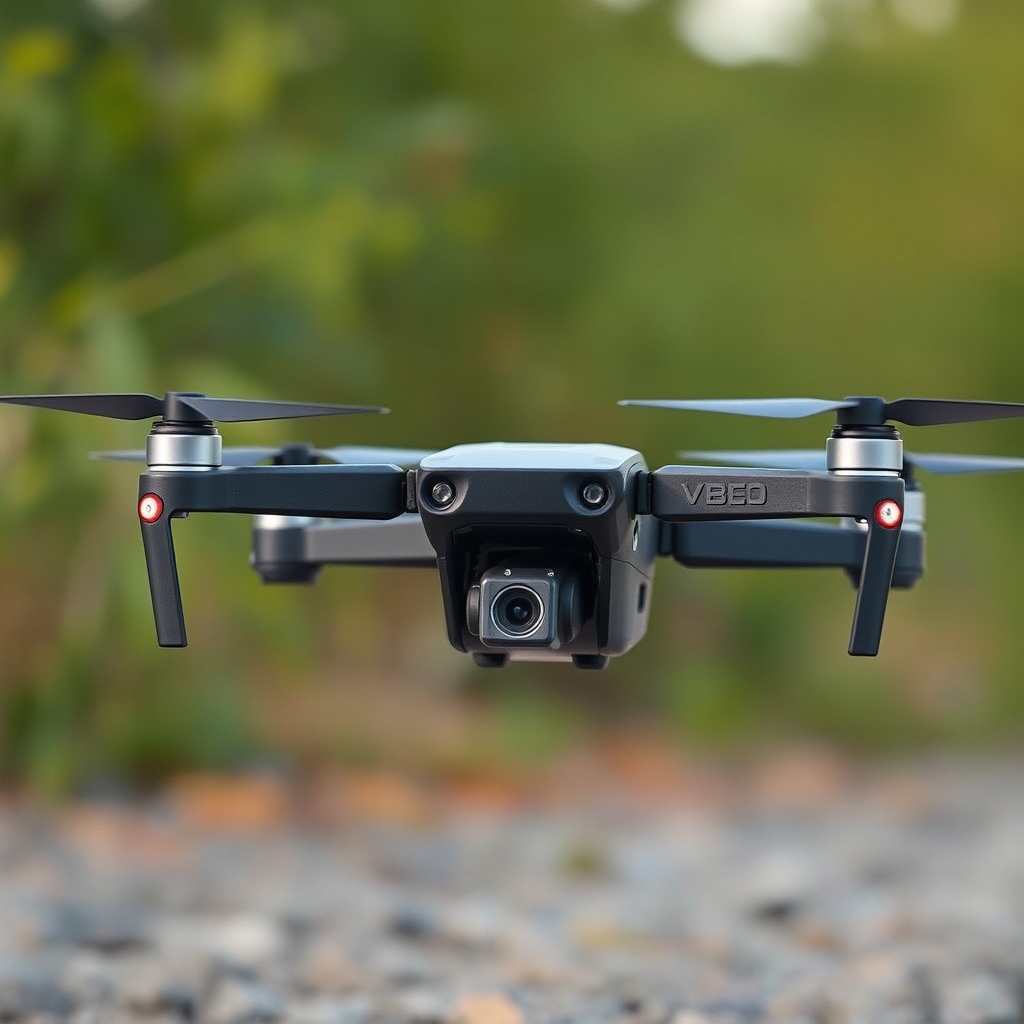
The Hubsan Zino Mini SE is designed with a lightweight and compact structure, making it an ideal choice for casual users and beginners who prioritize portability and ease of use. Weighing just under 250 grams, it easily fits into a backpack or small carrying case, ensuring that it’s always convenient to take along on various adventures.
With a 6km FPV (First Person View) range, the Zino Mini SE allows for stable transmission and real-time video feedback through its integrated 4K camera. This feature is particularly beneficial for newcomers to drone flying, as it enables them to enjoy an immersive flying experience without the complexities found in more advanced models. The drone’s intelligent flight modes, such as Follow Me and Waypoint Navigation, further enhance its user-friendliness, making it approachable for those with little prior experience.
Overview of Autel EVO II Dual 640T
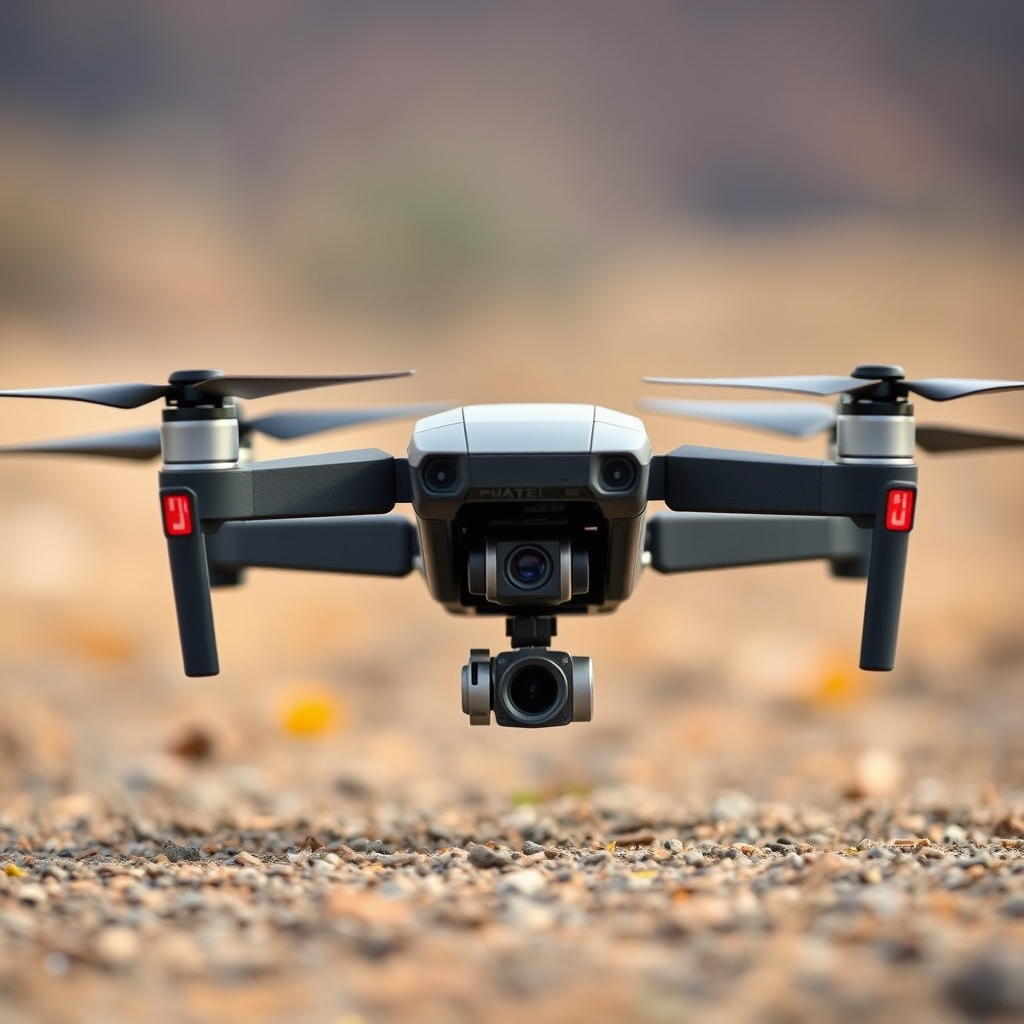
In stark contrast, the Autel EVO II Dual 640T is a high-performance drone aimed at professionals needing advanced imaging capabilities, particularly in thermal applications. Equipped with a dual-camera system, it features a 640×512 thermal camera alongside a 48MP visual camera, facilitating a comprehensive overview of the environment.
The standout feature of the EVO II Dual 640T is its 12km SkyLink range, which allows operators to conduct extensive aerial surveys and inspections without losing connection. This makes it particularly suitable for industries such as search and rescue, infrastructure inspection, and agricultural monitoring. The drone’s robust construction and superior battery life, coupled with its ability to withstand harsh weather conditions, further solidify its place as a preferred choice for professionals who demand reliability and performance in the field.
Key Features Comparison
When comparing the key features of these two drones, camera specifications are a focal point. The Hubsan Zino Mini SE boasts a respectable 4K camera, offering 30fps video recording and a 120° field of view, which is sufficient for casual videography and photography. On the other hand, the Autel EVO II Dual 640T’s dual-camera system stands out with its high-resolution 48MP visual camera and the thermal camera that operates with remarkable detail, providing users with temperature readings and thermal imaging that is invaluable for various applications.
Flight time is another crucial factor where the Autel EVO II Dual 640T excels, with a maximum flight time of up to 40 minutes, compared to the Hubsan Zino Mini SE’s flight duration of approximately 31 minutes. This extended battery life allows for longer missions without the need for frequent recharging, an essential aspect for professionals engaged in extensive aerial tasks.Performance in Different Environments
The performance of both drones varies significantly depending on the environment in which they are deployed. The Hubsan Zino Mini SE performs admirably in calm weather conditions, making it ideal for recreational flying and scenic photography in open spaces. However, it may face challenges in windy or turbulent conditions due to its lightweight design, which can affect stability and control.
Conversely, the Autel EVO II Dual 640T is engineered to handle a wider range of environmental conditions. Its robust build allows it to maintain stability even in gusty winds, making it suitable for urban inspections and rural survey work where weather can be unpredictable. The advanced thermal imaging capabilities also enable operators to gather critical data in various scenarios, including low-light conditions or through dense foliage, demonstrating its versatility across different settings.
User Experience and Ease of Use
User experience varies widely between the two models. The Hubsan Zino Mini SE is equipped with an intuitive control interface that makes it accessible for beginners. Its companion app provides a user-friendly platform for live video streaming and drone configuration, allowing new pilots to quickly familiarize themselves with the controls and settings.
In contrast, the Autel EVO II Dual 640T, while still relatively user-friendly, includes more complex features that may require a steeper learning curve. Advanced pilots will appreciate the extensive customization available for flight settings and camera functions. Additionally, Autel’s commitment to customer service has fostered a supportive community, with many resources available for troubleshooting and learning, making it easier for users to adapt to the advanced features of the drone.
Price and Value Analysis
When considering price, the Hubsan Zino Mini SE is positioned as a budget-friendly option, generally retailing at a fraction of the cost of the Autel EVO II Dual 640T. For hobbyists and casual users, the Zino Mini SE offers considerable value given its features and ease of use. It serves well for those looking to explore drone flying without making a significant financial commitment.
On the other hand, the Autel EVO II Dual 640T commands a higher price point, justified by its advanced thermal capabilities and extended range. For professionals, the investment can lead to substantial returns in terms of efficiency and data collection, particularly in fields where thermal imaging is critical. Understanding your primary use case will help determine which drone offers the best value for your needs.
Final Thoughts on Choosing the Right Drone
In summary, selecting between the Hubsan Zino Mini SE and the Autel EVO II Dual 640T hinges on your specific needs and budget. The Zino Mini SE is an excellent choice for beginners and hobbyists seeking an easy-to-use drone for recreational purposes, while the Autel EVO II Dual 640T is tailored for professionals who require advanced imaging capabilities and extended operational range.
Factors to consider include your level of experience, the types of environments you plan to operate in, and the specific applications for which you need a drone. Ultimately, understanding the strengths of both models will guide your decision, ensuring you choose the drone that aligns perfectly with your flying aspirations and professional requirements.
Frequently Asked Questions
What are the key differences between the Hubsan Zino Mini SE and the Autel EVO II Dual 640T in terms of thermal imaging capabilities?
The Hubsan Zino Mini SE is primarily designed for casual users and offers a basic thermal imaging feature, with a focus on lightweight design and ease of use. In contrast, the Autel EVO II Dual 640T provides advanced thermal imaging capabilities, equipped with a dual camera system that combines a high-resolution thermal sensor with a standard RGB camera. This makes the EVO II Dual 640T ideal for professional applications like search and rescue or industrial inspections, where detailed thermal data is critical.
How does the flight range of the Hubsan Zino Mini SE compare to the Autel EVO II Dual 640T?
The Hubsan Zino Mini SE offers a flight range of up to 6 kilometers, which is sufficient for recreational flying and light surveillance. However, the Autel EVO II Dual 640T boasts an impressive SkyLink range of up to 12 kilometers, allowing for extended operation in expansive areas. This significant difference makes the EVO II Dual 640T a better choice for users who require greater range for monitoring large landscapes or conducting long-distance inspections.
Why should I choose the Autel EVO II Dual 640T over the Hubsan Zino Mini SE for professional use?
If you are looking for a drone specifically for professional applications, the Autel EVO II Dual 640T is the superior choice due to its advanced thermal imaging capabilities, dual-camera setup, and longer flight range. These features enable more detailed thermal analysis and higher operational efficiency in critical tasks such as firefighting, agricultural monitoring, and infrastructure inspection, making it a worthwhile investment for professionals in these fields.
What are the weight and portability considerations for the Hubsan Zino Mini SE and the Autel EVO II Dual 640T?
The Hubsan Zino Mini SE is designed to be lightweight and compact, making it easy to carry and deploy for casual users or hobbyists. In contrast, while the Autel EVO II Dual 640T is slightly heavier due to its advanced features, it still maintains a portable design suitable for fieldwork. Users should consider their specific needs for portability based on their intended use, as well as whether they prioritize lightweight convenience or advanced functionality.
Which drone is best for beginners, the Hubsan Zino Mini SE or the Autel EVO II Dual 640T?
For beginners, the Hubsan Zino Mini SE is often the better choice due to its user-friendly interface, straightforward controls, and lightweight design that makes flying less intimidating. Its simpler features allow new pilots to easily learn the basics of drone operation without getting overwhelmed. On the other hand, the Autel EVO II Dual 640T is more suitable for experienced users or those who are willing to invest time in mastering its advanced functionalities, making it less ideal for first-time pilots.
References
- Drone
- https://www.sciencedirect.com/topics/engineering/drone
- https://www.nytimes.com/2021/06/03/technology/drones.html
- Drones | Latest News, Photos & Videos | WIRED
- https://www.reuters.com/technology/drone-technology/
- drones | TechCrunch
- https://www.nasa.gov/mission_pages/tdrss/technology/drones.html
- Unmanned Aircraft Systems (UAS) | Federal Aviation Administration
- https://www.cnet.com/news/what-is-a-drone-everything-you-need-to-know/
