

When it comes to choosing between the JJRC H78G and the Anzu Raptor V, the key distinction lies in their range and intended use: the JJRC H78G offers a user-friendly 1km Wi-Fi range ideal for casual flyers, while the Anzu Raptor V impresses with a substantial 7km range, designed for professionals and enthusiasts needing advanced capabilities. This article will delve into the critical differences between these mini drones, helping you decide which model best suits your requirements.
Overview of the JJRC H78G
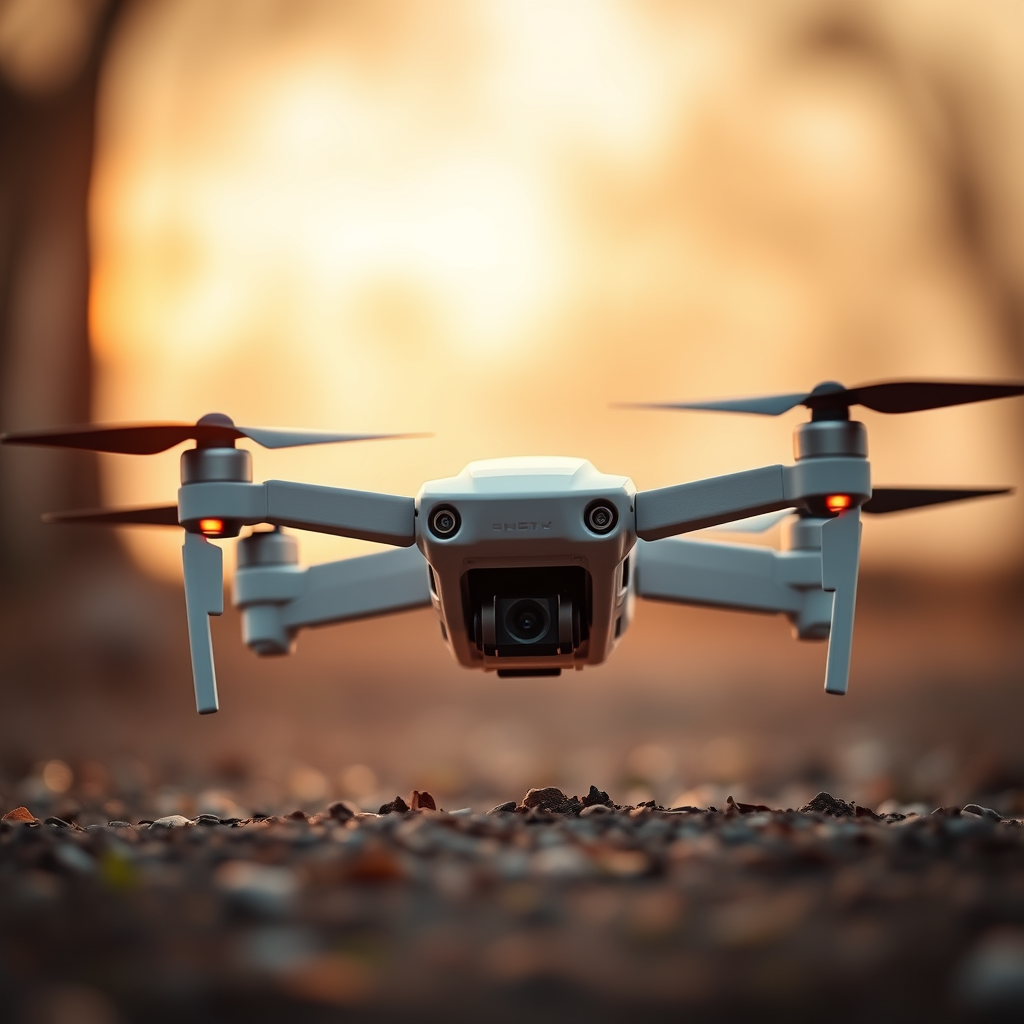
The JJRC H78G is a mini drone that embodies simplicity and accessibility, making it an excellent choice for beginners. Its user-friendly interface is designed to facilitate easy operation; new pilots can quickly grasp its functions without a steep learning curve. The drone features a 1km Wi-Fi connectivity, allowing users to enjoy real-time video transmission directly to their smartphones or tablets. This capability enhances the flying experience, providing immediate visual feedback while operating the drone.
Equipped with a 1080p HD camera, the JJRC H78G is perfect for casual aerial photography, allowing users to capture memorable moments from a unique perspective. Its lightweight design and robust construction also contribute to its ease of handling, making it a suitable choice for younger pilots or those just starting in the world of drones. Moreover, the drone supports various flight modes and features such as altitude hold and one-key takeoff/landing, ensuring a smooth and enjoyable flight experience.
Overview of the Anzu Raptor V

In stark contrast, the Anzu Raptor V is engineered for advanced users who demand exceptional performance and extended operational range. With an impressive 7km flight range, this drone is NDAA-compliant, meaning it adheres to strict regulations that govern the use of drones in sensitive environments. This feature allows professionals to utilize the Raptor V in various applications, including surveying, mapping, and even search and rescue operations.
The Anzu Raptor V is equipped with a high-definition camera capable of capturing stunning aerial footage and photographs, further enhanced by its advanced stabilization technology. This drone’s robust construction and powerful motors enable it to maintain stability in challenging weather conditions, making it an ideal companion for outdoor adventures. Additionally, its extended battery life allows for longer flight sessions, providing users ample time to complete their tasks efficiently.
Range Comparison: 1km vs. 7km
The difference in range between the JJRC H78G and the Anzu Raptor V significantly impacts their usability across various scenarios. For casual users, a 1km range may suffice for neighborhood flights, local parks, and family gatherings. This distance allows for enjoyable flying experiences without overwhelming the user with complex operations. However, the 1km limit may feel restrictive for those looking to explore beyond their immediate surroundings.
On the other hand, the Anzu Raptor V’s 7km range opens up a world of possibilities for aerial photography, videography, and mapping. This extended reach allows professionals to cover larger areas, making it an excellent choice for applications that require extensive surveys or inspections. The ability to operate at such distances not only enhances the drone’s utility but also enables users to capture breathtaking landscapes and detailed imagery from altitudes previously unattainable with shorter-range models. This range advantage emphasizes the importance of selecting a drone that aligns with your intended use and flying ambitions.
Performance Features
Performance is a critical consideration when evaluating drones, and both the JJRC H78G and Anzu Raptor V have distinct strengths. The JJRC H78G offers stability and ease of control, particularly in calm conditions, making it suitable for beginners who may struggle with more complex maneuvers. Its battery life provides around 10-15 minutes of flight time, which is adequate for casual users but may require frequent recharging during longer sessions.
Conversely, the Anzu Raptor V excels in performance features, boasting advanced flight stability even in windy conditions. Its powerful motors and superior battery capacity allow for extended flight times of up to 30 minutes, making it ideal for professional applications where time in the air is crucial. The responsiveness of its controls is designed for experienced pilots, allowing for more intricate flying techniques and maneuvers. Additionally, the Raptor V’s integrated GPS system enhances its performance by providing precise positioning and automated flight features, such as return-to-home functions.
Price and Value Assessment
When assessing price and value, it’s essential to consider not only the initial cost of each drone but also the features and performance they offer. The JJRC H78G is typically priced lower, making it an attractive option for entry-level users who may be hesitant to invest heavily in their first drone. It provides solid value through its user-friendly design and adequate performance for casual flying.
In contrast, the Anzu Raptor V commands a higher price point, reflecting its advanced capabilities and extended range. For professionals, the investment is justified by the drone’s compliance with NDAA regulations and its superior performance in demanding environments. Additionally, the Anzu brand often includes a warranty, customer support, and various accessories, such as extra batteries or carrying cases, which can enhance the overall value of the purchase.
User Experience and Reviews
User feedback and reviews provide valuable insights into the real-world performance of both drones. The JJRC H78G is often praised for its ease of use, making it a favorite among beginners. Users appreciate its straightforward setup, intuitive controls, and the quality of its HD camera for casual photography. However, some users have noted that its range can feel limiting, particularly for those who wish to explore further afield.
On the other hand, the Anzu Raptor V has garnered positive reviews from enthusiasts and professionals alike. Users frequently highlight its robust build quality, impressive range, and the clarity of its camera. However, some feedback points to a steeper learning curve for new pilots, as the advanced features may be overwhelming for those without prior drone experience. Overall, the Anzu Raptor V is celebrated for its performance in professional settings, while the JJRC H78G stands out as a reliable choice for casual users.
Final Recommendations
In summary, the choice between the JJRC H78G and Anzu Raptor V should be guided by the user’s experience level and intended use. For beginners or casual users seeking simplicity, the JJRC H78G is an excellent option, offering ease of operation and decent performance for basic flying needs. Its price point makes it accessible, allowing newcomers to enter the world of drones without a significant financial commitment.
Conversely, the Anzu Raptor V is tailored for experienced pilots or professionals who require advanced features and a significant operational range. Its extensive capabilities justify the higher investment, making it suitable for serious applications in various fields. When making your decision, consider your flying ambitions, budget, and the specific features that will best meet your needs.
Ultimately, whether you opt for the JJRC H78G or the Anzu Raptor V, both drones represent significant advancements in mini drone technology, catering to distinct user preferences and requirements. As you explore your options, ensure that your final choice aligns with your flying goals and aspirations.
Frequently Asked Questions
What are the key differences between the JJRC H78G and the Anzu Raptor V in terms of camera quality and flight performance?
The JJRC H78G features a 1080p HD camera, providing decent image quality for basic aerial photography and video recording. In contrast, the Anzu Raptor V boasts a superior camera system and supports longer distances with its impressive 7km range, making it ideal for high-quality aerial footage and extensive exploration. When it comes to flight performance, the H78G typically offers shorter flight times and less stability compared to the Raptor V, which is designed for longer and more stable flights.
How does the Wi-Fi range of the JJRC H78G compare to the NDAA compliance of the Anzu Raptor V?
The JJRC H78G operates on a 1km Wi-Fi range, making it suitable for casual flying and close-up photography. However, the Anzu Raptor V utilizes a 7km NDAA-compliant transmission system, which not only provides a significantly longer range but also adheres to stringent U.S. federal regulations for drone use. This compliance ensures that users can operate the Raptor V in a variety of environments without the concern of regulatory issues, making it a preferred choice for professional applications.
Why is NDAA compliance important when choosing a drone like the Anzu Raptor V?
NDAA compliance is crucial for users who intend to operate drones in government or military applications, as it ensures that the drone meets specific security standards set forth by the National Defense Authorization Act. This compliance helps to mitigate risks associated with data security and privacy, making the Anzu Raptor V a reliable option for enterprises and professionals who prioritize compliance and safety in their operations. Additionally, owning an NDAA-compliant drone can open up opportunities for contracts and projects that require adherence to these regulations.
Which drone is better for beginners, the JJRC H78G or the Anzu Raptor V?
For beginners, the JJRC H78G is generally the better choice due to its user-friendly features and more accessible price point. It offers a straightforward flying experience, making it suitable for those new to drone piloting. On the other hand, the Anzu Raptor V, while offering advanced features and longer range, may require a bit more experience to maximize its capabilities effectively. Beginners might find the learning curve steeper with the Raptor V due to its complexity.
What are some common issues users face with the JJRC H78G and how do they compare to the Anzu Raptor V?
Users of the JJRC H78G often report issues such as limited battery life and connectivity problems due to its shorter Wi-Fi range. These limitations can hinder the user experience, particularly during longer flights. In contrast, the Anzu Raptor V, while generally more reliable in terms of range and battery performance, may present challenges for users unfamiliar with advanced drone features. Understanding these potential issues can help prospective buyers make informed decisions based on their experience level and intended use.
References
- https://en.wikipedia.org/wiki/Comparison_of_drones
- https://www.bbc.com/news/technology-58650045
- https://www.reuters.com/technology/drone-market-overview-2022-03-25/
- https://www.nytimes.com/2023/01/15/technology/drones-us-china.html
- https://www.techcrunch.com/2022/11/14/the-evolution-of-drones-in-the-military/
- https://www.nasa.gov/feature/nasa-and-drones
- https://www.nist.gov/news-events/news/2022/09/us-nist-releases-new-guidelines-drone-security
- In Honor of Marvin Minsky’s Contributions on his 80th Birthday | AI Magazine
