
The Intel Shooting Star 2 and Anzu Raptor V serve distinct roles in the realm of drone technology, with the former specializing in short-range swarm displays, while the latter is designed for extended range tactical operations. Understanding their unique features and applications can help you determine which drone aligns best with your specific needs, whether in entertainment or defense.
Overview of Intel Shooting Star 2
The Intel Shooting Star 2 is a state-of-the-art drone system specifically engineered for creating captivating light shows and dynamic swarm performances. Designed to operate in formations over distances of up to 1 km, it has become a popular choice for event organizers looking to provide visually stunning aerial displays. The drone’s user-friendly software simplifies programming and deployment, allowing even those with minimal technical expertise to orchestrate complex choreographies. With the ability to control multiple drones simultaneously, the Shooting Star 2 can execute intricate patterns and formations, making it ideal for concerts, festivals, and other public events. Its lightweight design and bright LED lights enhance its aesthetic appeal, while its low noise levels ensure that it does not distract from the primary entertainment.
Overview of Anzu Raptor V
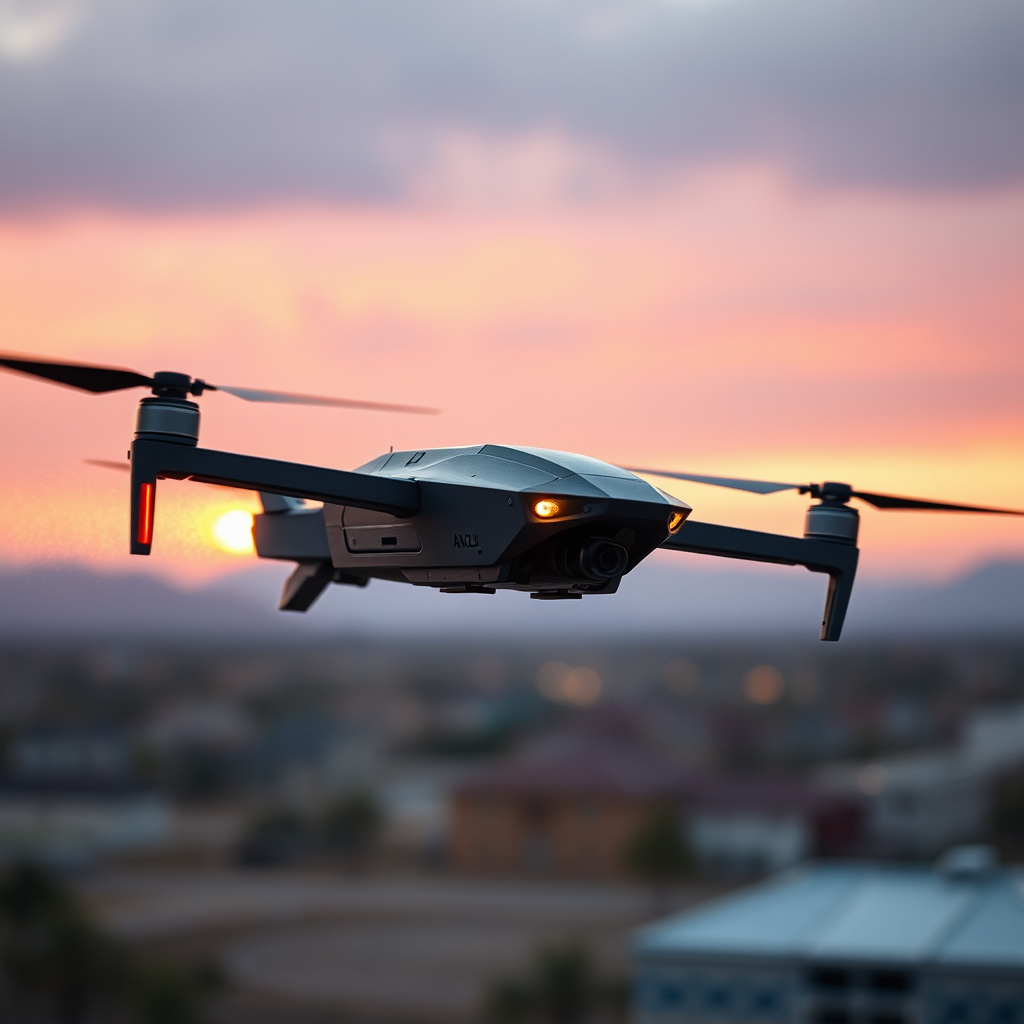
In contrast, the Anzu Raptor V is built for tactical operations, offering a robust platform that adheres to the National Defense Authorization Act (NDAA) standards. This drone is engineered to operate effectively over an impressive range of up to 7 km, making it suitable for a variety of military and law enforcement applications. Equipped with advanced sensors and surveillance capabilities, the Raptor V can conduct reconnaissance missions, gather intelligence, and support ground troops in real-time. Its design focuses on durability and operational efficiency in challenging environments, with features that allow for seamless integration into existing tactical frameworks. The Anzu Raptor V’s compliance with NDAA regulations is particularly vital for government and military entities, ensuring that the technology meets stringent security and ethical standards.
Performance Comparison: Swarm vs. Range
When it comes to performance, the Intel Shooting Star 2 excels in delivering engaging swarm displays within a 1 km radius, making it particularly effective for entertainment purposes. Its ability to synchronize multiple drones in flight creates a unique visual spectacle that captivates audiences. In contrast, the Anzu Raptor V’s extended range allows for more strategic military applications, enabling operations that require long-distance surveillance and data collection. The Raptor V’s performance is tailored for environments where situational awareness and real-time decision-making are critical, such as in conflict zones or during emergency response scenarios. Ultimately, each drone’s performance is aligned with its intended use case, highlighting the importance of selecting a model that meets specific operational requirements.
Use Cases in Entertainment and Defense
The Intel Shooting Star 2 is ideal for a range of entertainment applications, including large-scale events, concerts, and corporate functions. Its ability to create synchronized light shows not only enhances the atmosphere but also serves as a marketing tool for brands looking to make a memorable impression. For instance, companies can utilize the drone to launch product promotions or enhance their visibility at festivals.
On the other hand, the Anzu Raptor V is designed for critical use cases in defense and law enforcement. Its capabilities make it suitable for surveillance, reconnaissance, border patrol, and search-and-rescue missions. For example, military units can deploy the Raptor V to gather intelligence on enemy positions without risking personnel, while law enforcement agencies can use it for monitoring large crowds during public events or protests. The distinct applications of these drones highlight how they serve different industries, each with unique operational needs.
Cost and Accessibility
Cost considerations for both drones vary significantly based on their features and intended use. The Intel Shooting Star 2 typically comes with a lower initial investment compared to the Anzu Raptor V, making it more accessible for event planners and small businesses. However, ongoing maintenance costs and software updates may add to the total expenditure.
Conversely, the Anzu Raptor V, while more expensive upfront due to its advanced technology and compliance requirements, provides a strong return on investment for organizations that require reliable tactical drones. Additionally, the accessibility of each drone can depend on user experience and operational training. The Shooting Star 2’s user-friendly interface allows individuals with minimal technical skills to operate it effectively, while the Anzu Raptor V may necessitate specialized training for personnel to utilize its complex features fully. Organizations considering these technologies should evaluate both the financial and operational aspects to ensure their investment aligns with their strategic goals.
Regulatory Compliance and Future Trends
Regulatory compliance is a critical factor for the Anzu Raptor V, particularly due to its adherence to NDAA standards. This compliance ensures that the technology is used responsibly and ethically, particularly in military applications. As drone technology continues to evolve, it is essential for manufacturers to stay ahead of regulatory changes, which may include stricter guidelines surrounding privacy, airspace usage, and data security.
Future trends in drone development are likely to impact both models significantly. Innovations such as artificial intelligence, improved battery life, and enhanced payload capacities are expected to play a pivotal role in the next generation of drones. These advancements could lead to more sophisticated capabilities, allowing for expanded applications in both entertainment and defense sectors.
User Feedback and Market Reception
User feedback and market reception provide valuable insights into the performance and reliability of both the Intel Shooting Star 2 and Anzu Raptor V. The Shooting Star 2 has received positive reviews for its ease of use and impressive display capabilities, with event organizers praising its ability to elevate audience engagement. However, some users have noted limitations in flight time and operational range, which are critical considerations for large-scale productions.
On the other hand, the Anzu Raptor V has garnered attention from military and law enforcement sectors for its robust performance and compliance with regulations. Users have highlighted its reliability in tactical scenarios, though some have expressed concerns regarding the complexity of operation and the need for comprehensive training. Overall, the market response indicates a growing interest in both drone models, reflecting the diverse needs of consumers across different industries.
Summarizing the unique capabilities of the Intel Shooting Star 2 and Anzu Raptor V will help you make an informed decision based on your specific needs—whether for entertainment or tactical operations. Consider the strengths and applications of each drone, and explore how they can enhance your projects or operations. For further insights and detailed comparisons, stay tuned for our upcoming articles!
Frequently Asked Questions
What are the main differences between Intel Shooting Star 2 and Anzu Raptor V drones?
The Intel Shooting Star 2 is designed for light shows and features programmable LED lights, making it ideal for entertainment events. In contrast, the Anzu Raptor V is optimized for aerial maneuvers and endurance, suitable for longer missions and tactical applications. While the Shooting Star 2 can swarm in formations over a limited range, the Anzu Raptor V boasts a longer operational range of 7 km, providing versatility in various scenarios.
How does the 1km swarm capability of Intel Shooting Star 2 compare to the 7km NDAA event with Anzu Raptor V?
The Intel Shooting Star 2’s 1km swarm capability is focused on creating visually stunning light shows with a high density of drones working in harmony. On the other hand, the Anzu Raptor V’s 7km NDAA event is designed for more extensive operational capabilities, emphasizing endurance and strategic deployment over distance. This makes the Anzu Raptor V better suited for missions requiring longer-range control and operational flexibility.
Why is the NDAA designation important for the Anzu Raptor V?
The NDAA (National Defense Authorization Act) designation is crucial for the Anzu Raptor V as it signifies compliance with U.S. government regulations regarding the procurement of drones. This compliance ensures that the drone can be used in government contracts and military applications, providing assurance to users about reliability, security, and adherence to defense standards. Consequently, it positions the Anzu Raptor V as a preferable choice for governmental and defense operations.
Which drone is better for entertainment purposes: Intel Shooting Star 2 or Anzu Raptor V?
The Intel Shooting Star 2 is the better choice for entertainment purposes, particularly for light shows and drone displays. Its design focuses on synchronized flying and vibrant LED lighting, making it perfect for events like concerts and celebrations. In contrast, while the Anzu Raptor V has impressive capabilities, its primary focus is on performance and tactical applications rather than entertainment, making it less suitable for this purpose.
What are the considerations for choosing between Intel Shooting Star 2 and Anzu Raptor V for commercial use?
When choosing between the Intel Shooting Star 2 and Anzu Raptor V for commercial use, consider your primary application. If your goal is to create visually captivating drone light displays for events, the Shooting Star 2 is tailored for this purpose. Conversely, if you need a drone for longer missions, surveillance, or military applications, the Anzu Raptor V’s extended range and compliance with NDAA standards make it a better fit. Assessing your operational needs and audience expectations will guide your decision effectively.
References
- Intel Shooting Star
- https://www.reuters.com/technology/intel-unveils-new-drone-technology-2021-03-10/
- https://www.bbc.com/news/technology-55787627
- https://www.nytimes.com/2021/01/05/technology/intel-drone-light-shows.html
- https://www.wired.com/story/intel-shooting-star-drone-light-shows/
- https://www.sciencedirect.com/science/article/pii/S2352864821000499
- https://www.techcrunch.com/2021/03/10/intel-launches-shooting-star-drone-tech/
- https://www.nasa.gov/feature/nasa-s-advanced-air-vehicles-program-aims-for-higher-performance-drones
