

Understanding the differences between the Teal 2 and Anzu Raptor T at the 7km LTE and 7km NDAA levels is essential for making an informed decision regarding tactical drone use. This comparison highlights key features, performance metrics, and operational capabilities of both models, ensuring you have the insights needed to choose the right equipment for your needs.
Overview of Teal 2 and Anzu Raptor T
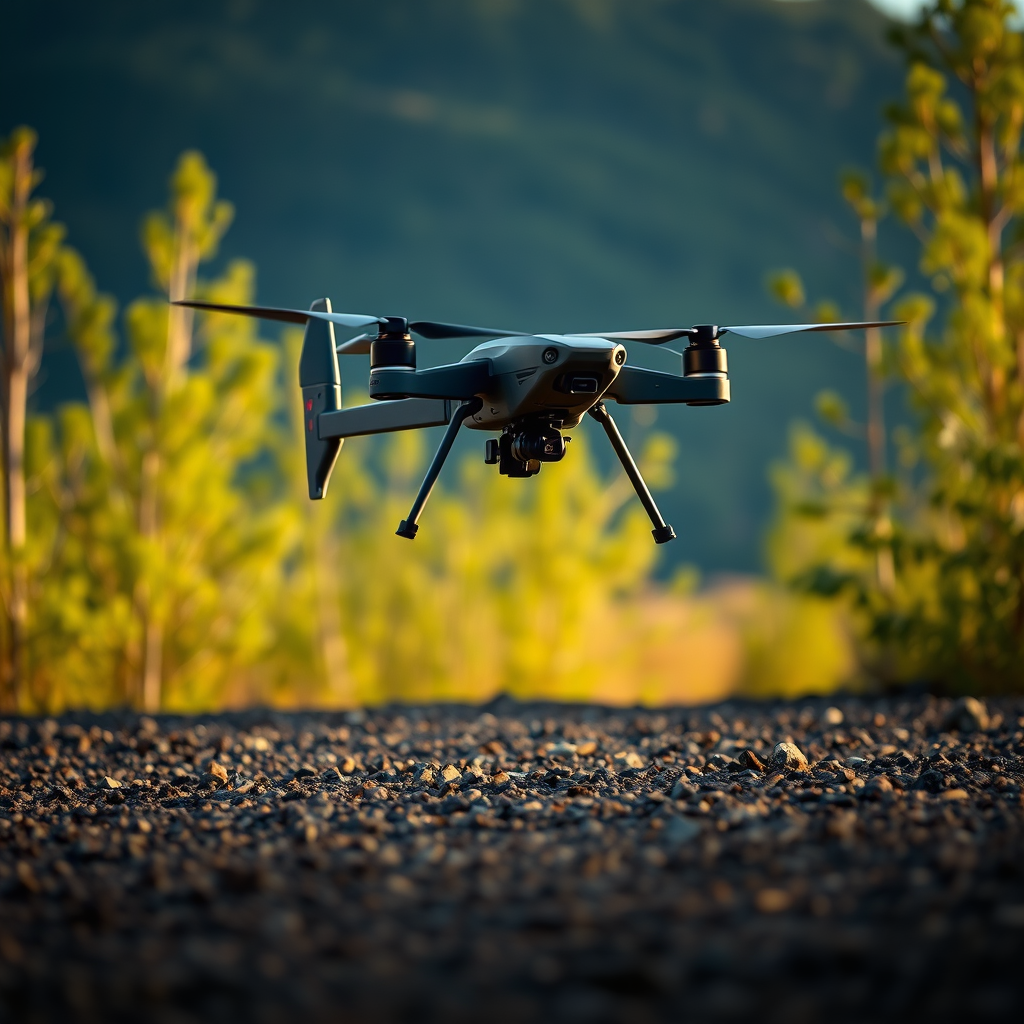
The Teal 2 is a cutting-edge tactical drone designed for versatility and robustness in various operational scenarios. It boasts an impressive array of features, including a high-resolution camera, advanced flight stability, and a rugged design suitable for various environmental conditions. The Teal 2’s modular payload system allows users to customize their drone for specific missions, enhancing its effectiveness in tactical situations.
Conversely, the Anzu Raptor T stands out with its emphasis on military-grade durability and compliance with the National Defense Authorization Act (NDAA). This drone is tailored for defense operations, featuring a suite of advanced sensors and payload options that cater to surveillance and reconnaissance missions. The Anzu Raptor T’s design prioritizes both functionality and stealth, making it an ideal choice for operations requiring a low profile.
7km LTE Performance Comparison
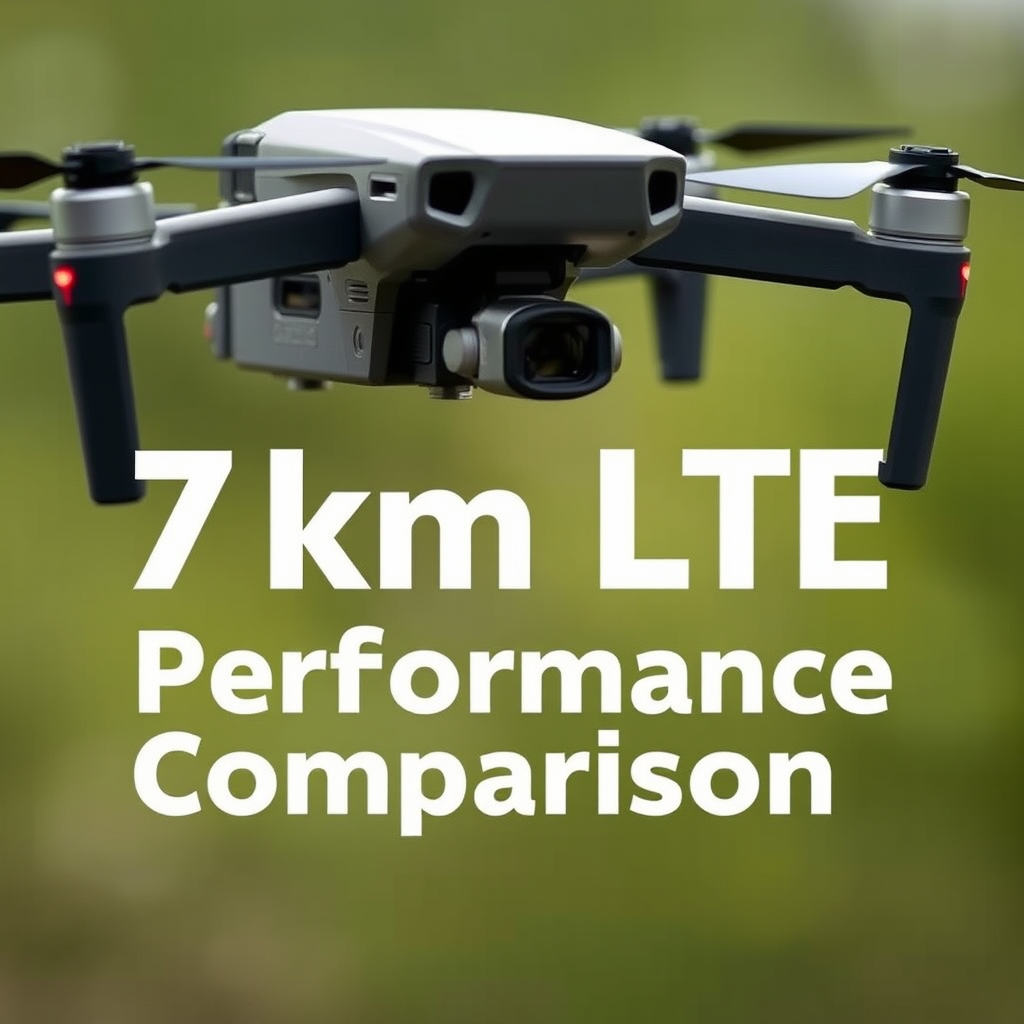
When examining the 7km LTE capabilities of both drones, the Teal 2 demonstrates a robust performance in terms of range and reliability. With a maximum operational range of 7 kilometers, it effectively maintains a stable connection, allowing for real-time video transmission and data streaming. The LTE capabilities ensure that operators can communicate seamlessly with the drone, crucial for tactical decision-making during missions.
In comparison, the Anzu Raptor T also offers a 7km operational range but emphasizes signal integrity and latency management. Users have reported minimal latency issues, which is critical in fast-paced tactical environments. The Raptor T’s advanced communication technology mitigates potential signal dropouts, ensuring that real-time data is consistently transmitted without interruption.
7km NDAA Tactical Features
The NDAA compliance of the Anzu Raptor T is a significant advantage for military and government operations. This compliance ensures that the drone adheres to strict standards regarding the use of foreign technology, making it a reliable choice for organizations that prioritize security and regulatory adherence. The Raptor T’s sophisticated software and hardware components are designed to meet NDAA requirements, enhancing its appeal for defense applications.
On the other hand, the Teal 2, while not specifically designed for NDAA compliance, offers a range of tactical features that can be tailored to various missions. Its payload options include high-definition cameras and thermal imaging systems, making it suitable for surveillance and reconnaissance tasks. The ability to adapt and customize payloads gives the Teal 2 a strategic edge in diverse operational contexts, even if it does not meet NDAA specifications.
Flight Time and Battery Efficiency
Flight endurance is a critical aspect of drone performance, especially in tactical operations. The Teal 2 boasts a flight time of up to 35 minutes under optimal conditions, which is commendable for a drone in its class. Its efficient battery management system allows for quick recharge times, enabling operators to maximize flying hours during missions.
The Anzu Raptor T, however, slightly outperforms the Teal 2 with a maximum flight time of approximately 40 minutes. This extended endurance can be vital in prolonged operations where every minute counts. Additionally, the Raptor T incorporates advanced battery technology that optimizes power consumption, thus extending operational capabilities without compromising performance.
User Experience and Ease of Use
User experience is paramount when evaluating tactical drones. The Teal 2 features an intuitive user interface that simplifies operation, making it accessible even to those who may not have extensive drone piloting experience. The control systems are user-friendly, allowing for rapid deployment and maneuverability in the field. Moreover, the drone’s comprehensive training resources equip operators with the knowledge needed for effective use.
The Anzu Raptor T also emphasizes ease of use, with a control system designed for precision and responsiveness. Its interface is streamlined for military applications, ensuring that operators can focus on mission objectives without being bogged down by complicated controls. However, due to its advanced features, operators may require more extensive training to fully utilize the drone’s capabilities, particularly in high-stakes environments.
Cost Analysis and Value for Money
When considering the cost of these two tactical drones, the Teal 2 is positioned at a competitive price point, offering significant value for organizations seeking versatility and performance. Its modular design and broad application range make it a worthwhile investment for various operational needs.
In contrast, the Anzu Raptor T is typically priced higher, reflecting its military-grade specifications and NDAA compliance. While the initial investment may be substantial, organizations should consider the long-term operational costs and potential return on investment. The durability and advanced features of the Raptor T may lead to lower maintenance costs and higher efficiency in missions, ultimately justifying the higher price tag.
Customer Support and Community Feedback
Customer support is a crucial factor in the decision-making process for drone purchases. The Teal 2 has garnered positive feedback for its customer service, with users highlighting the availability of extensive resources, including manuals, tutorials, and responsive support teams. This level of support can significantly enhance the user experience, especially for new operators.
The Anzu Raptor T, while also praised for its customer support, benefits from a strong community of military and tactical users who share insights and best practices. This community feedback can be invaluable for operators looking to maximize their drone’s capabilities in real-world scenarios. Additionally, the manufacturer provides resources tailored specifically for NDAA compliance, further aiding users in adhering to regulations.
The Teal 2 and Anzu Raptor T each offer compelling features for tactical operations at the 7km LTE and NDAA levels, but your choice should be guided by specific operational needs and preferences. By considering performance metrics, usability, and value, you can make an informed decision. Explore customer reviews and request demonstrations to further enhance your understanding before making a purchase.
Frequently Asked Questions
What are the main differences between the Teal 2 and Anzu Raptor T in terms of range and capabilities?
The Teal 2 and Anzu Raptor T are both advanced drones designed for tactical applications, but they differ significantly in range and operational capabilities. The Teal 2 offers a 7km LTE connection, which allows for real-time streaming and control over vast distances, making it ideal for surveillance and reconnaissance. In contrast, the Anzu Raptor T operates with a 7km NDAA-compliant tactical range, which emphasizes secure communications and military-grade specifications, making it suitable for defense and security applications.
How does the NDAA compliance of the Anzu Raptor T enhance its functionality compared to the Teal 2?
The NDAA compliance of the Anzu Raptor T signifies that it meets stringent U.S. government standards for security and procurement, which is crucial for military and government use. This compliance ensures that the drone is free from vulnerabilities that could be exploited by foreign adversaries, enhancing its reliability in sensitive missions. In comparison, while the Teal 2 offers advanced features, it may not have the same level of assurance regarding secure data handling and operational integrity under NDAA guidelines.
Why should I choose the Teal 2 over the Anzu Raptor T for my specific use case?
If your primary needs involve high-definition aerial imagery, extended range, and user-friendly operation for commercial applications, the Teal 2 might be the better choice. Its LTE capabilities allow for seamless video transmission and ease of control, making it suitable for industries such as agriculture, film production, and search and rescue operations. Conversely, if you require a drone for military or tactical purposes, the Anzu Raptor T’s NDAA compliance may be more beneficial.
Which drone is better for surveillance and reconnaissance tasks: Teal 2 or Anzu Raptor T?
For surveillance and reconnaissance tasks, the Teal 2 is often preferred due to its high-resolution camera capabilities and LTE connectivity, which enable real-time monitoring and data collection. Its user-friendly interface and advanced imaging technology make it ideal for various surveillance scenarios. However, if the mission involves sensitive areas where security is paramount, the Anzu Raptor T’s NDAA compliance provides an edge in secure operations, making it a viable option for military applications.
What factors should I consider when deciding between the Teal 2 and Anzu Raptor T for my operational needs?
When choosing between the Teal 2 and Anzu Raptor T, consider factors such as your operational environment, mission objectives, and required compliance standards. Evaluate whether you need the extended range and real-time capabilities of the Teal 2 for commercial uses or the security and tactical features of the Anzu Raptor T for defense-related applications. Additionally, assess your budget and the specific technological features each drone offers, such as battery life, payload capacity, and camera quality, to ensure you select the best fit for your needs.
References
- https://en.wikipedia.org/wiki/Comparison_of_wireless_communication_technologies
- https://www.reuters.com/technology/5g-technology-explained-2021-02-01/
- https://www.nist.gov/news-events/news/2021/03/nist-launches-5g-communications-laboratory
- https://www.sciencedirect.com/topics/engineering/long-term-evolution
- https://www.bbc.com/news/technology-49606631
- https://www.army.mil/article/239256/army_awards_contracts_for_next_generation_of_tactical_networking
- https://www.darpa.mil/news-events/2021-07-22
- Page Not Found | Federal Communications Commission
- https://www.usip.org/publications/2020/10/understanding-5g-technology-and-its-impact-security
