
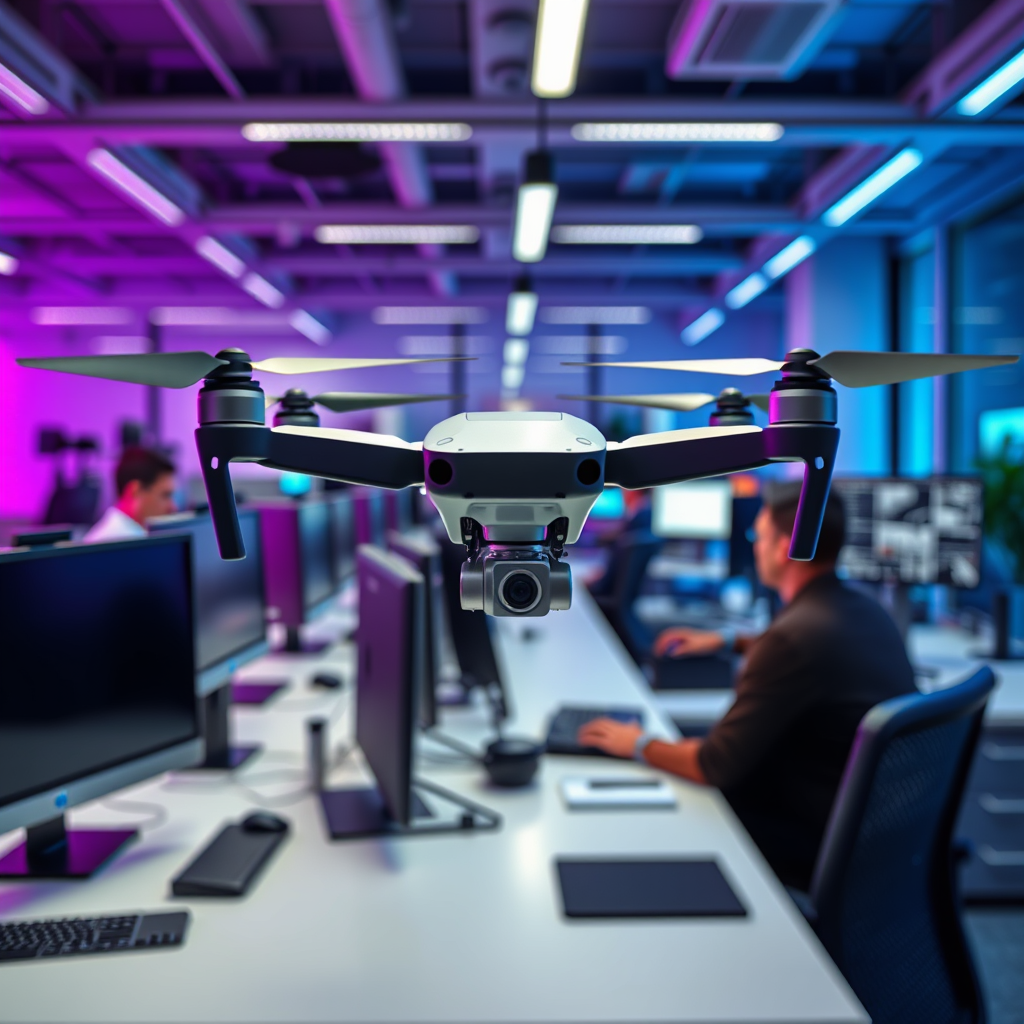
The DJI Mini 3 clearly outperforms the HoverAir X1 Pro Max with its impressive O3 transmission range of up to 10 kilometers, making it the superior choice for aerial photography enthusiasts. The Mini 3’s advanced technology not only enhances connectivity but also opens up a world of possibilities for capturing stunning visuals from the sky. This article delves into the features, capabilities, and specifications of both drones, allowing you to make an informed decision on which lightweight selfie drone best meets your creative and practical needs.
Overview of Each Drone
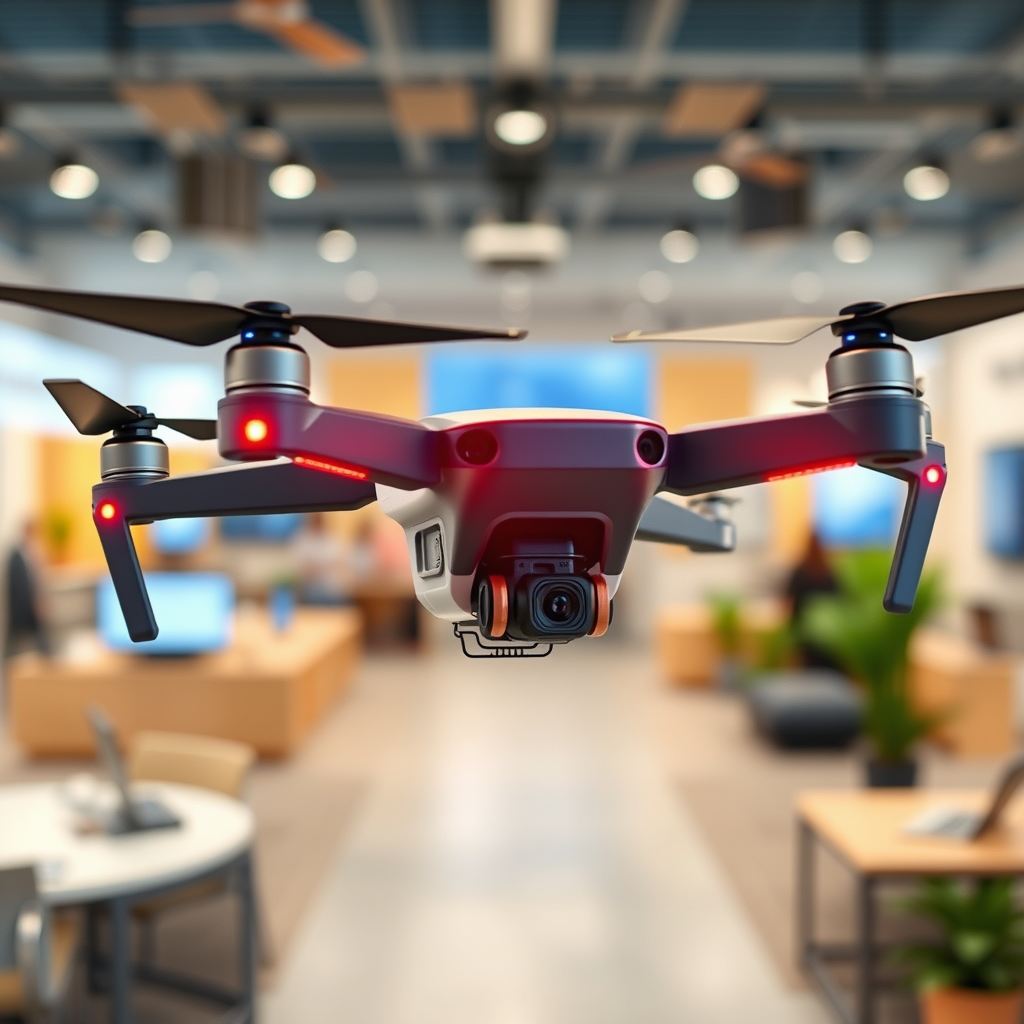
The DJI Mini 3 is a compact and lightweight drone designed for both amateur and professional content creators. Equipped with advanced features such as 4K video recording, a 12MP camera, and intelligent flight modes like QuickShots and FocusTrack, it empowers users to capture impressive aerial imagery effortlessly. The drone’s foldable design makes it portable, and its robust battery life ensures extended flying sessions, making it an excellent companion for outdoor adventures.
In contrast, the HoverAir X1 Pro Max positions itself as a budget-friendly selfie drone, offering a unique selling point with its affordability and user-friendly interface. It features a 1080p HD camera that can capture decent quality images and videos, making it suitable for casual users and those new to drone flying. While it may lack some of the advanced functionalities of the Mini 3, the HoverAir X1 Pro Max appeals to consumers looking for an entry-level drone that is easy to operate and doesn’t break the bank.
Transmission Range Comparison
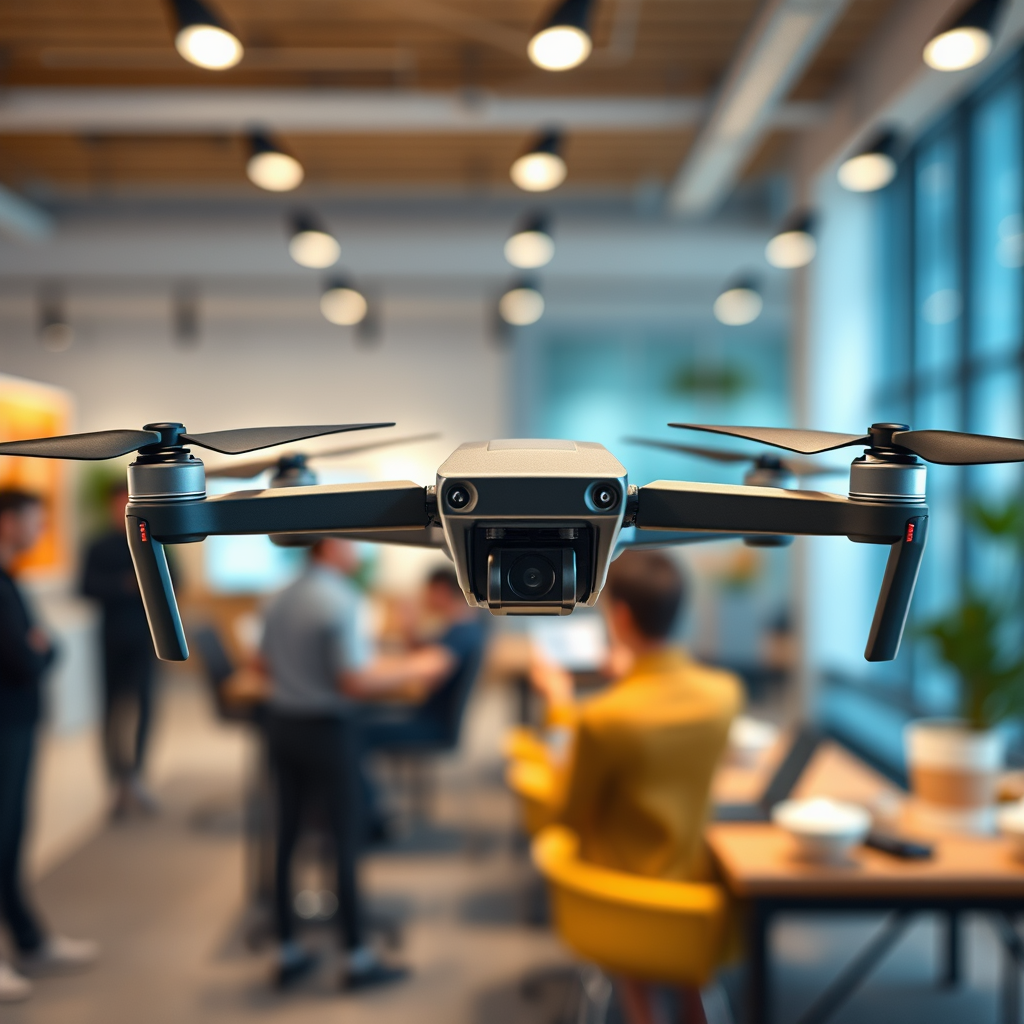
The DJI Mini 3 utilizes O3 (OcuSync 3.0) technology, which allows for a transmission range of up to 10 kilometers. This technology ensures a stable and high-quality video feed, even at long distances, which is crucial for capturing detailed footage without interruptions. The extended range also provides users with more freedom to explore landscapes and capture shots from varied angles.
In stark contrast, the HoverAir X1 Pro Max operates on a 500m Wi-Fi connection. This limited range can be a significant drawback for users who wish to shoot from greater distances or over expansive areas. The reduced transmission capability means that users may experience latency in the video feed as they approach the drone’s maximum range, potentially resulting in missed shots or the need to fly closer than desired for effective control.
Camera Quality and Performance
The DJI Mini 3 boasts a sophisticated camera setup that includes a 12MP sensor capable of shooting 4K video at 60 frames per second. This combination ensures vibrant colors, sharp details, and impressive clarity, even in challenging lighting conditions. The Mini 3 also features HDR capabilities, allowing for enhanced dynamic range, which is particularly beneficial when photographing high-contrast scenes.
On the other hand, the HoverAir X1 Pro Max features a 1080p HD camera that performs adequately for casual photography and videography. However, its lower resolution and lack of advanced features like HDR mean that the image quality may not meet the expectations of serious users. While it can capture enjoyable selfies and videos for social media sharing, it falls short in producing the stunning, professional-grade content that the DJI Mini 3 is known for.
Flight Time and Battery Life
The DJI Mini 3 impresses with its battery performance, offering flight times of approximately 38 minutes under optimal conditions. This extended battery life allows users to engage in longer sessions without the constant worry of recharging. The Mini 3 also employs intelligent battery management features that optimize performance and enhance safety during flight.
Conversely, the HoverAir X1 Pro Max has a more modest battery life, typically allowing for around 15 to 20 minutes of flight time. While this may suffice for short selfie sessions, it can be limiting for users looking to explore more extensive areas or engage in more elaborate shooting plans. The need for frequent recharging can detract from the overall user experience, making the Mini 3 a more appealing option for those seeking longer, uninterrupted flights.
User Experience and Control
The DJI Mini 3 features an intuitive user interface that is designed to be accessible for both beginners and experienced pilots. The accompanying DJI Fly app provides a seamless experience, offering various intelligent flight modes and easy access to camera settings. Features like QuickShots simplify the process of capturing dynamic shots, while the GPS-based return-to-home function enhances flight safety.
In comparison, the HoverAir X1 Pro Max is designed with user-friendliness in mind, making it suitable for those who may be new to drone flying. The straightforward remote control and app interface allow for easy navigation and operation. However, some users have reported limitations in performance, particularly in terms of responsiveness and control precision, which can affect the overall flying experience. This may deter those who seek a more advanced and engaging flying experience.
Price and Value for Money
The DJI Mini 3 is priced at a premium, reflecting its high-quality features and advanced technology. While it may be a more significant investment upfront, the value it offers in terms of performance, image quality, and flight capabilities makes it a worthwhile choice for serious enthusiasts and professionals. The added functionalities and superior range provide a return on investment that is hard to overlook.
In contrast, the HoverAir X1 Pro Max is positioned as a budget-friendly alternative, with a price point that appeals to casual users and beginners. While it offers a lower cost, it’s essential to consider the trade-offs in terms of performance and capabilities. For those who prioritize affordability over advanced features, the HoverAir X1 Pro Max may present a reasonable option. However, users should weigh the limitations against their specific needs and expectations for aerial photography.
Final Thoughts on Which to Choose
In summary, both the DJI Mini 3 and HoverAir X1 Pro Max have their respective strengths and weaknesses. The DJI Mini 3 stands out with its exceptional transmission range, superior camera quality, and extended flight time, making it ideal for serious photographers and content creators. Conversely, the HoverAir X1 Pro Max offers a more accessible entry point for users new to drone flying, though it does come with certain limitations.
When deciding between these two drones, consider your individual needs, budget, and intended use. If you seek high-quality imagery and advanced functionalities, the DJI Mini 3 is undoubtedly the better choice. However, if you’re looking for a simple, cost-effective drone for casual use, the HoverAir X1 Pro Max may suit your requirements. Ultimately, both drones have their place in the market, and understanding their differences will help you make the right choice for your aerial photography endeavors.
Frequently Asked Questions
What are the key differences between the DJI Mini 3 and the HoverAir X1 Pro Max in terms of camera quality?
The DJI Mini 3 features a robust camera capable of shooting 4K video at 60fps and offers advanced features like HDR and a 1/1.3-inch sensor, which excels in low-light conditions. In contrast, the HoverAir X1 Pro Max has a lower resolution camera that captures 1080p video, making it less suitable for professional-grade content. For enthusiasts and professionals seeking high-quality aerial footage, the DJI Mini 3 is the superior choice.
How far can I fly the DJI Mini 3 and HoverAir X1 Pro Max from my location?
The DJI Mini 3 boasts an impressive O3 transmission system that allows it to maintain a stable connection and video feed up to 10km away from the pilot, making it ideal for long-distance shots and expansive landscapes. Conversely, the HoverAir X1 Pro Max has a limited flight range of approximately 500 meters due to its reliance on Wi-Fi connectivity, which can be affected by environmental factors. For those looking to capture distant scenery, the DJI Mini 3 is the better option.
Why is the weight of the DJI Mini 3 and HoverAir X1 Pro Max important for users?
The weight of these drones is crucial for various reasons, including portability, compliance with regulations, and battery efficiency. The DJI Mini 3 is designed to be ultra-lightweight, weighing only around 249 grams, which means it often avoids the need for FAA registration and is easier to carry. The HoverAir X1 Pro Max, while also lightweight, is slightly bulkier, which may impact user convenience during travel. A lighter drone can enhance your flying experience and ease of use.
Which drone is better for beginners, the DJI Mini 3 or the HoverAir X1 Pro Max?
For beginners, the DJI Mini 3 is typically the better choice due to its intuitive controls, advanced safety features like obstacle avoidance, and an extensive support community. It also offers intelligent flight modes that make it easier to capture stunning footage without extensive flying experience. The HoverAir X1 Pro Max, while user-friendly, lacks some of the advanced features that can help new pilots avoid common pitfalls, making the DJI Mini 3 a more suitable option for those just starting out.
What features should I consider when choosing between the DJI Mini 3 and HoverAir X1 Pro Max for outdoor activities?
When selecting a drone for outdoor use, consider factors such as flight range, camera quality, battery life, and durability against environmental conditions. The DJI Mini 3 excels with its long-range capabilities, superior camera performance, and longer flight time, making it ideal for capturing outdoor adventures. In contrast, the HoverAir X1 Pro Max may suffice for casual users who don’t require extensive features but falls short in performance during outdoor excursions. Prioritize your specific needs to make the best choice.
References
- https://en.wikipedia.org/wiki/Comparison_of_multirotor_and_fixed-wing_drones
- https://www.bbc.com/news/technology-62909013
- https://www.reuters.com/technology/consumer-drones-market-2022-2023-10-04/
- https://www.nytimes.com/2023/09/15/technology/drone-regulations.html
- https://www.techcrunch.com/2023/04/12/dji-mini-3-review/
- https://www.sciencedirect.com/science/article/pii/S2352864822010013
- https://www.nasa.gov/centers/langley/news/factsheets/DroneFacts.html
- https://www.wired.com/story/understanding-drone-technology/
- https://www.aau.edu/research/impact-drones-research-education
