
The DJI Air 3S is the superior choice for serious drone enthusiasts, offering an impressive 20km transmission range and advanced features suited for professional-grade photography and videography. In contrast, the HoverAir X1 Pro caters to casual users with its compact design and a more limited 500-meter range, making it an accessible option for those looking to capture everyday moments. This article will delve into a comprehensive comparison of both drones, focusing on their capabilities, camera quality, user experience, battery life, pricing, and ideal use cases, to help you determine which drone aligns best with your needs.
Performance Range Comparison
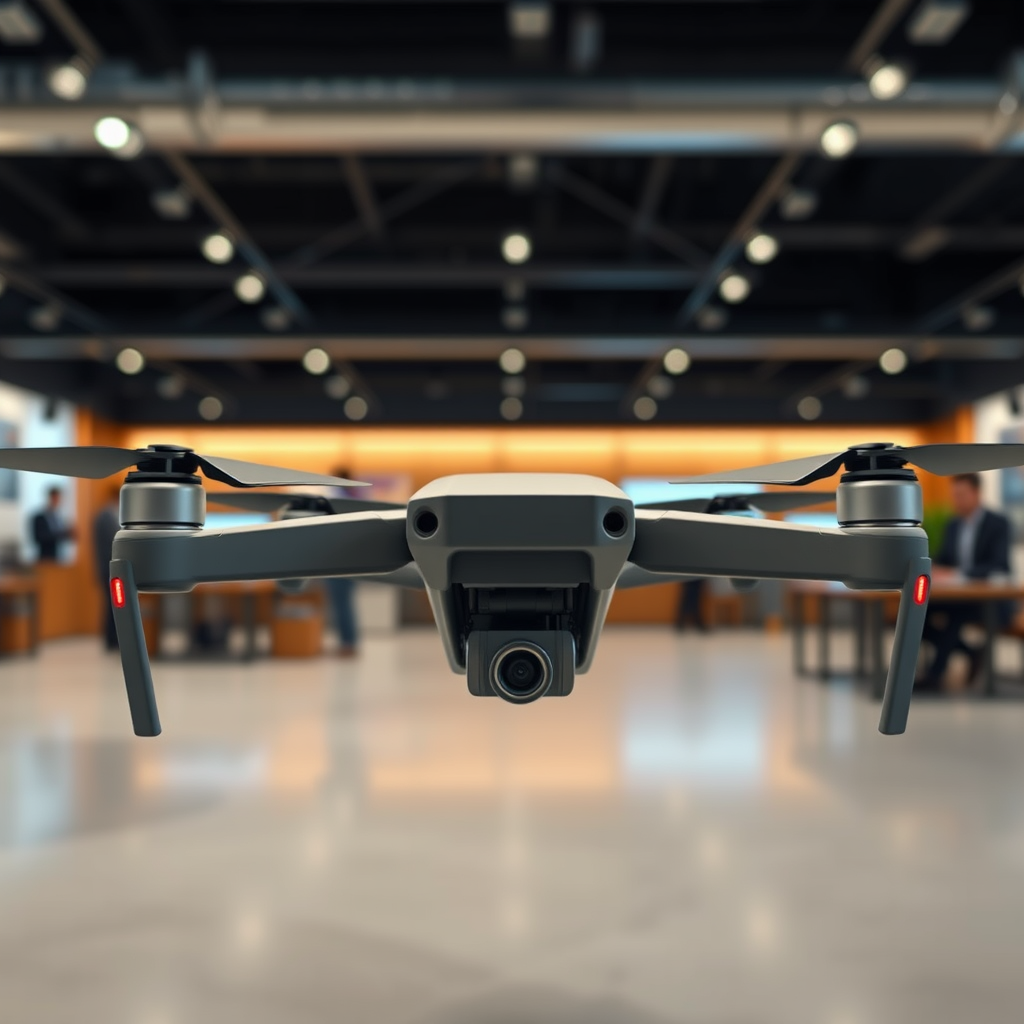
The performance range of a drone is a critical factor that influences its usability and versatility. The DJI Air 3S stands out with its remarkable transmission range of up to 20 kilometers (approximately 12.4 miles). This extensive range is particularly advantageous for professional photographers and videographers who wish to capture expansive landscapes or undertake long-distance flights without losing connection. The Air 3S employs DJI’s advanced OcuSync technology, ensuring a reliable and stable connection even at maximum distance, which is vital for maintaining control and receiving real-time video feed.
On the other hand, the HoverAir X1 Pro has a significantly shorter operational range of 500 meters (approximately 1,640 feet). While this may seem limiting, it is important to recognize that this drone is designed primarily for casual users who may not require long-distance capabilities. The X1 Pro’s range is suitable for quick flights in local parks or residential areas, making it a perfect choice for beginners and families looking for a straightforward flying experience.
Camera Features and Quality
When it comes to camera features, the DJI Air 3S excels with its dual-camera system, which includes a 1-inch CMOS sensor that captures stunning 20MP still images and 5.4K video at 30 frames per second. This high-resolution capability allows users to produce professional-quality content with vibrant colors and dynamic range. Additionally, the Air 3S supports advanced shooting modes such as HDR video and panoramic shots, catering to creative professionals who demand versatility in their aerial photography.
Conversely, the HoverAir X1 Pro also features a dual-camera setup, but its specifications are more suited for casual photography. With a resolution that typically captures images around 720p and a limited ability to shoot video, the X1 Pro is perfect for quick selfies and basic landscape shots. While it may not rival the quality of the Air 3S, it is adequate for users looking to document their day-to-day activities without the need for advanced features or high-resolution output.
User Experience and Ease of Use
User experience is paramount when considering which drone to purchase. The DJI Air 3S provides a rich flying experience with an array of advanced flight modes, including ActiveTrack, Point of Interest, and Waypoints. These intelligent features make it easier for users to capture dynamic shots without extensive piloting skills. The drone is equipped with obstacle detection sensors that enhance safety and reduce the likelihood of crashes, offering peace of mind during flights.
In contrast, the HoverAir X1 Pro is tailored for simplicity and ease of use. With its user-friendly interface and straightforward controls, beginners can quickly grasp how to operate the drone. The X1 Pro comes with features like one-button takeoff and landing, making it accessible for users who may feel intimidated by more complex drones. This makes it an excellent introductory option for families and casual users who want to enjoy the thrill of flying without the steep learning curve associated with professional-grade models.
Battery Life and Flight Time
Battery life is an essential consideration for any drone enthusiast. The DJI Air 3S boasts an impressive flight time of approximately 31 minutes on a single charge, allowing for extended sessions in the air without the need for frequent recharges. This extended battery life is particularly beneficial for professional users who need to maximize their flying time for capturing high-quality footage or completing projects in one go.
In contrast, the HoverAir X1 Pro offers a more modest flight time of around 15 minutes. While this may suffice for casual users engaging in short flights, it requires more frequent recharging, which could interrupt the flying experience. For users looking to enjoy longer aerial adventures or conduct more extensive photography sessions, the Air 3S’s superior battery performance provides a clear advantage.
Price and Value Proposition
When it comes to pricing, the DJI Air 3S is positioned at a higher price point, typically reflecting its advanced technology, superior features, and professional-grade capabilities. This investment is justified for serious hobbyists, filmmakers, and professionals who need a reliable drone that can deliver exceptional results.
On the other hand, the HoverAir X1 Pro is budget-friendly, making it an attractive option for entry-level users who may not wish to invest heavily in a drone. Its affordable price point, combined with its ease of use, makes it an appealing choice for those looking for a basic drone experience without the financial commitment associated with high-end models.
Ideal Use Cases
The DJI Air 3S is perfectly suited for professionals, videographers, and serious hobbyists who require high-quality performance and an extensive range. Whether capturing dramatic landscapes, conducting real estate photography, or producing cinematic videos, the Air 3S delivers unparalleled results that meet the demands of professional work.
Conversely, the HoverAir X1 Pro is ideal for casual users, social media enthusiasts, and families seeking a fun and easy way to capture moments. It is perfect for quick outings, family gatherings, or documenting everyday activities without the need for advanced features or extensive photography skills.
The decision between the DJI Air 3S and HoverAir X1 Pro ultimately depends on your specific needs and budget. If you seek advanced features and extensive range, the Air 3S is the clear winner. However, if you prioritize ease of use and affordability, the HoverAir X1 Pro may be the better choice for you.
In summary, both drones serve distinct purposes and target different user demographics. By understanding their capabilities and limitations, you can make an informed choice that aligns with your aerial photography and flying aspirations.
Frequently Asked Questions
What are the key differences between the DJI Air 3S and the HoverAir X1 Pro in terms of camera capabilities?
The DJI Air 3S features a dual-camera system that includes a 1-inch CMOS sensor capable of capturing stunning 20MP images and 5.4K video at 30fps. In contrast, the HoverAir X1 Pro employs a dual-camera setup optimized for selfies, but it is limited to a 500m Wi-Fi range, which may affect the quality and stability of remote shooting. For those prioritizing high-resolution photography and videography, the DJI Air 3S is generally the superior choice.
How does the transmission range of the DJI Air 3S compare to the HoverAir X1 Pro?
The DJI Air 3S boasts an impressive transmission range of up to 20 kilometers with its O4 digital transmission technology, allowing for extended flight times and more flexibility in capturing footage from a distance. On the other hand, the HoverAir X1 Pro is limited to a 500m Wi-Fi transmission range, which can restrict your ability to shoot from further away and may result in a less reliable connection, especially in crowded areas or during high-interference situations.
Why should I consider battery life when choosing between the DJI Air 3S and the HoverAir X1 Pro?
Battery life is a crucial factor to consider, as it directly affects the amount of time you can spend flying and capturing footage. The DJI Air 3S typically offers a flight time of around 31 minutes, allowing for extended shooting sessions. In comparison, the HoverAir X1 Pro has a shorter flight time, which might necessitate more frequent recharges and limit your overall shooting opportunities, especially in remote locations.
Which drone is better for beginners: the DJI Air 3S or the HoverAir X1 Pro?
For beginners, the HoverAir X1 Pro may be more appealing due to its user-friendly design and selfie-focused features, which simplify the process of capturing images and videos. However, the DJI Air 3S, while more advanced, offers intelligent flight modes and automated features that can assist beginners in learning how to fly and operate a drone effectively. Ultimately, the choice depends on whether the user values simplicity or the potential for advanced capabilities as they gain experience.
What are the advantages of the DJI Air 3S’s obstacle avoidance features compared to the HoverAir X1 Pro?
The DJI Air 3S is equipped with advanced obstacle avoidance sensors that provide 360-degree coverage, significantly enhancing safety during flights. This feature allows the drone to detect and avoid obstacles autonomously, making it easier for users to navigate complex environments. In contrast, the HoverAir X1 Pro lacks such comprehensive obstacle avoidance technology, which could increase the risk of crashes or accidents, particularly for novice pilots.
References
- https://en.wikipedia.org/wiki/Dji_Air_3
- https://www.theguardian.com/technology/2023/aug/01/drone-technology-dji-air-3-review
- https://www.bbc.com/news/technology-66311217
- https://www.sciencedirect.com/topics/engineering/drones
- https://www.nytimes.com/2023/07/15/technology/drones.html
- https://www.wired.com/story/best-drones-2023/
- https://www.reuters.com/technology/dji-air-3-drone-review-2023-07-10/
- https://www.techcrunch.com/2023/07/15/drones-are-evolving/
- https://www.nasa.gov/mission_pages/technology/drones/index.html
