

When comparing the Potensic Atom SE and the Anzu Raptor T, the key differentiator lies in their range and compliance features: the Atom SE offers an impressive 7.5km FPV range, while the Anzu Raptor T provides a dependable 7km range and adheres to NDAA regulations. This article will delve into the features, performance, and overall value of both drones to help you choose the best option for your aerial adventures.
Overview of Potensic Atom SE
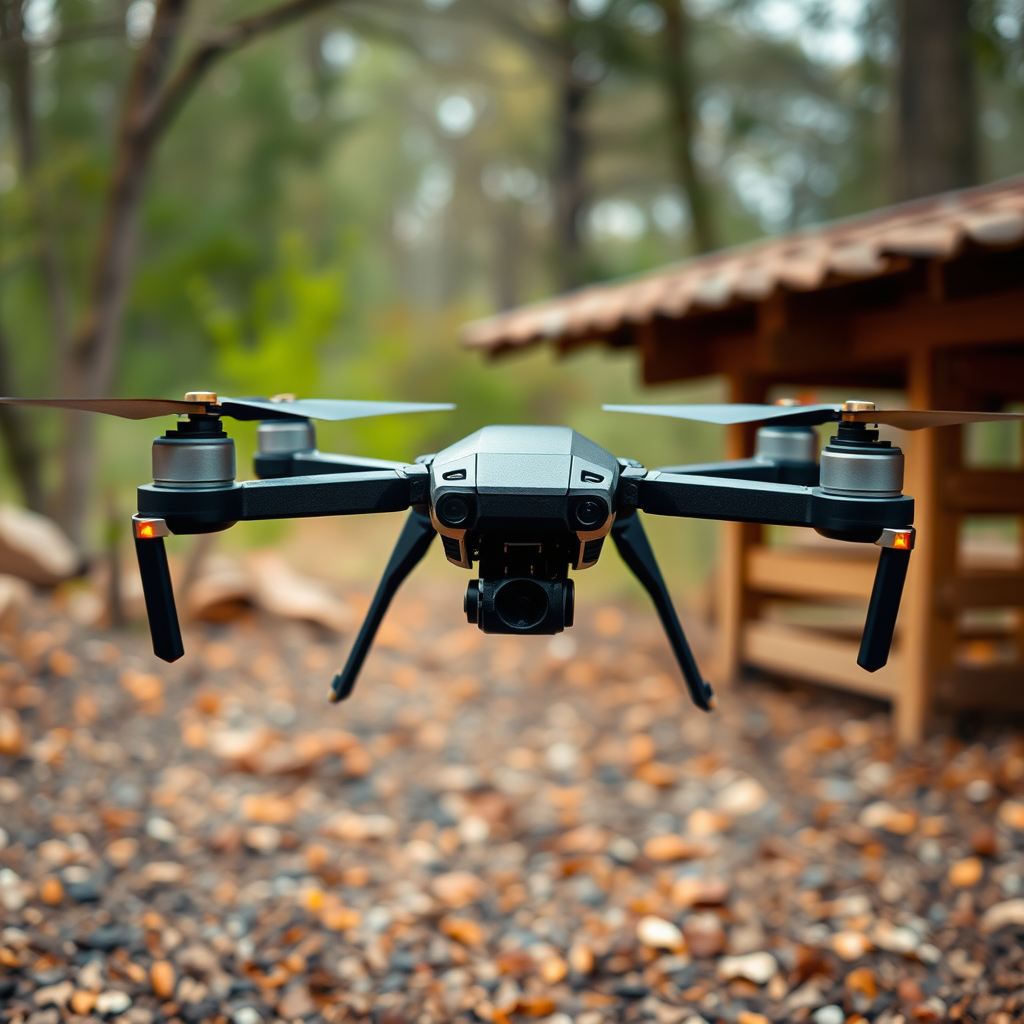
The Potensic Atom SE is designed for enthusiasts who prioritize a robust FPV experience. One of its standout features is the 7.5km FPV range, which enables users to capture expansive aerial views and explore vast landscapes without losing connectivity. This drone’s lightweight and portable design make it an ideal companion for outdoor activities, allowing for easy transport and setup.
Moreover, the Atom SE is equipped with high-quality camera options that cater to photography aficionados. Users can expect sharp, vibrant images thanks to its advanced camera technology, which includes features like image stabilization and multiple resolution settings. These specifications make the Atom SE an appealing choice for those looking to enhance their photography skills while enjoying the thrill of flying.
Overview of Anzu Raptor T

In contrast, the Anzu Raptor T is designed with a strong emphasis on compliance and user-friendliness. Offering a reliable 7km range, it is particularly suited for recreational use, allowing drone pilots to enjoy their flying experience without the complexities of advanced features. The Raptor T is NDAA compliant, ensuring that it meets the necessary government restrictions, which is crucial for users involved in commercial applications or other regulated activities.
The user-friendly controls of the Anzu Raptor T make it accessible for both beginners and experienced pilots alike. Its intuitive interface allows users to focus on their flying experience rather than getting bogged down by complicated settings. This makes the Raptor T a great entry-level option for novices while still offering enough functionality to satisfy more experienced users.
Performance Comparison
When it comes to performance, both drones exhibit commendable stability and responsiveness, though their characteristics differ slightly. The Potensic Atom SE excels in windy conditions due to its lightweight build and aerodynamic design, providing impressive flight stability even when faced with challenging weather. In contrast, the Anzu Raptor T performs well in calm environments, making it ideal for leisurely flights but potentially less reliable in harsher conditions.
Battery life is another critical aspect of drone performance, impacting overall flight time. The Atom SE typically offers a longer flight duration, allowing pilots to enjoy extended aerial sessions without frequent recharges. On the other hand, the Anzu Raptor T provides a decent battery life that aligns with its intended use but may require more frequent charging during longer outings.Speed capabilities also vary between the two models. The Atom SE is engineered for agility, allowing for quick maneuvers and faster speeds, which can enhance the flying experience, especially for those looking to perform aerial tricks or fast-paced videography. The Anzu Raptor T, while capable, focuses more on stability than speed, making it better suited for leisurely exploration rather than high-speed racing.
Camera Quality and Features
Camera quality is a crucial factor for many drone users, and both the Potensic Atom SE and Anzu Raptor T offer unique advantages. The Atom SE’s camera boasts higher resolution options, allowing for stunning HD photos and videos. Its advanced stabilization technology minimizes shake, resulting in smooth footage even during dynamic movements. Additionally, the Atom SE includes features like follow-me mode, which automatically tracks and records subjects, enhancing its functionality for users interested in action shots or outdoor adventures.
In comparison, the Anzu Raptor T’s camera offers solid performance for general photography and videography needs. While it may not match the Atom SE’s resolution, it still delivers crisp images and stable video, making it suitable for casual users who prioritize ease of use over high-end specifications. The Raptor T also includes several intelligent flight modes, providing additional versatility for users looking to experiment with their aerial photography.
Price and Value Analysis
When considering pricing, both the Potensic Atom SE and Anzu Raptor T present themselves as budget-friendly options, catering to users looking for quality without breaking the bank. The Atom SE typically comes at a slightly higher price point, reflecting its advanced features and extended flight range. However, this investment is justified for those who prioritize high-quality imaging and long-distance capabilities.
The Anzu Raptor T, being NDAA compliant and user-friendly, offers excellent value for those needing a drone for recreational use or compliant applications. Its lower price point makes it an attractive choice for beginners and casual flyers who do not require the extensive features of the Atom SE.
User reviews often highlight customer satisfaction with both models, with the Atom SE receiving praise for its performance and image quality, while the Anzu Raptor T is lauded for its ease of use and compliance features.
Best Use Cases for Each Drone
The Potensic Atom SE shines in scenarios where high-quality aerial photography is essential. Whether capturing breathtaking landscapes or filming outdoor events, its superior camera capabilities and extended range make it an excellent choice for enthusiasts looking to elevate their aerial photography game. Additionally, the Atom SE is ideal for those who frequently fly in varied environments, thanks to its robust performance in challenging conditions.
On the other hand, the Anzu Raptor T stands out in situations requiring compliance with government regulations, making it a suitable option for commercial use or educational purposes. Its user-friendly interface is perfect for beginners, allowing them to learn the basics of flying without the intimidation of complex features. Hobbyists who enjoy casual flying in open spaces will also find the Raptor T to be a reliable companion.
Final Thoughts on Choosing the Right Drone
In summary, both the Potensic Atom SE and Anzu Raptor T cater to distinct user needs, with key differences that may influence purchasing decisions. The Atom SE is the ideal choice for those seeking advanced features and superior camera quality, while the Anzu Raptor T is perfect for users who prioritize compliance and ease of use.
When deciding which drone to purchase, it is essential to consider your personal needs, intended use cases, and budget constraints. Further research and user experiences can provide additional insights to help you make an informed decision that aligns with your aerial pursuits. Whether you choose the Atom SE or the Raptor T, both drones promise to deliver enjoyable flying experiences that can elevate your adventures into the skies.
Frequently Asked Questions
What are the main differences between the Potensic Atom SE and the Anzu Raptor T drones?
The primary differences between the Potensic Atom SE and the Anzu Raptor T lie in their flight range, camera capabilities, and overall design. The Potensic Atom SE boasts a longer FPV range of 7.5km, making it suitable for enthusiasts who prioritize distance. In contrast, the Anzu Raptor T offers a 7km NDAA-compliant flight range, appealing to users concerned with regulations. Additionally, the Atom SE typically features a more advanced camera system for high-quality aerial photography, while the Raptor T focuses on durability and ruggedness for outdoor adventures.
How does the flight range impact the usability of the Potensic Atom SE and Anzu Raptor T?
Flight range significantly impacts usability by determining how far a pilot can fly the drone from the controller. The Potensic Atom SE’s 7.5km FPV capability allows for extended aerial exploration, which is ideal for capturing scenic landscapes or conducting thorough inspections. Conversely, the Anzu Raptor T’s 7km range, while slightly shorter, is still ample for most recreational purposes, especially for those who prioritize compliance with NDAA regulations, ensuring peace of mind during flights.
Why should I consider NDAA compliance when choosing between the Potensic Atom SE and the Anzu Raptor T?
NDAA compliance is crucial for users, particularly in the U.S. government and military sectors, as it prohibits the use of specific foreign-made drones due to security concerns. The Anzu Raptor T is NDAA-compliant, making it a safer choice for individuals and organizations that need to adhere to these regulations. On the other hand, the Potensic Atom SE may not meet these criteria, making it less suitable for users who require compliance for legal or operational reasons.
Which drone is better for beginners: Potensic Atom SE or Anzu Raptor T?
For beginners, the Potensic Atom SE is often considered the better option due to its user-friendly features, including intuitive controls and a stable flight experience. It typically comes equipped with beginner modes and safety features, making it easier for new pilots to learn the ropes. While the Anzu Raptor T is also accessible, its focus on durability and ruggedness may appeal more to users looking for an adventure-ready drone rather than those just starting out.
What features should I look for in a budget-friendly drone like the Potensic Atom SE and Anzu Raptor T?
When searching for a budget-friendly drone like the Potensic Atom SE or Anzu Raptor T, consider factors such as camera quality, flight time, ease of use, and range capabilities. Look for drones with at least 1080p video resolution for clear footage, a flight time of around 20-30 minutes for extended use, and features like GPS stabilization for better control. Additionally, ensure that the drone meets any regulatory requirements, especially if you need NDAA compliance, to avoid legal issues while enjoying your flying experience.
References
- Drone
- Unmanned Aircraft Systems (UAS) | Federal Aviation Administration
- https://www.nytimes.com/2021/06/10/technology/drones-regulations.html
- https://www.reuters.com/technology/drones-explained-2021-07-15/
- https://www.theguardian.com/technology/2022/nov/04/drones-are-they-the-future-of-delivery
- drones | TechCrunch
- https://www.nasa.gov/mission_pages/transformative_ops/technology/drones.html
