
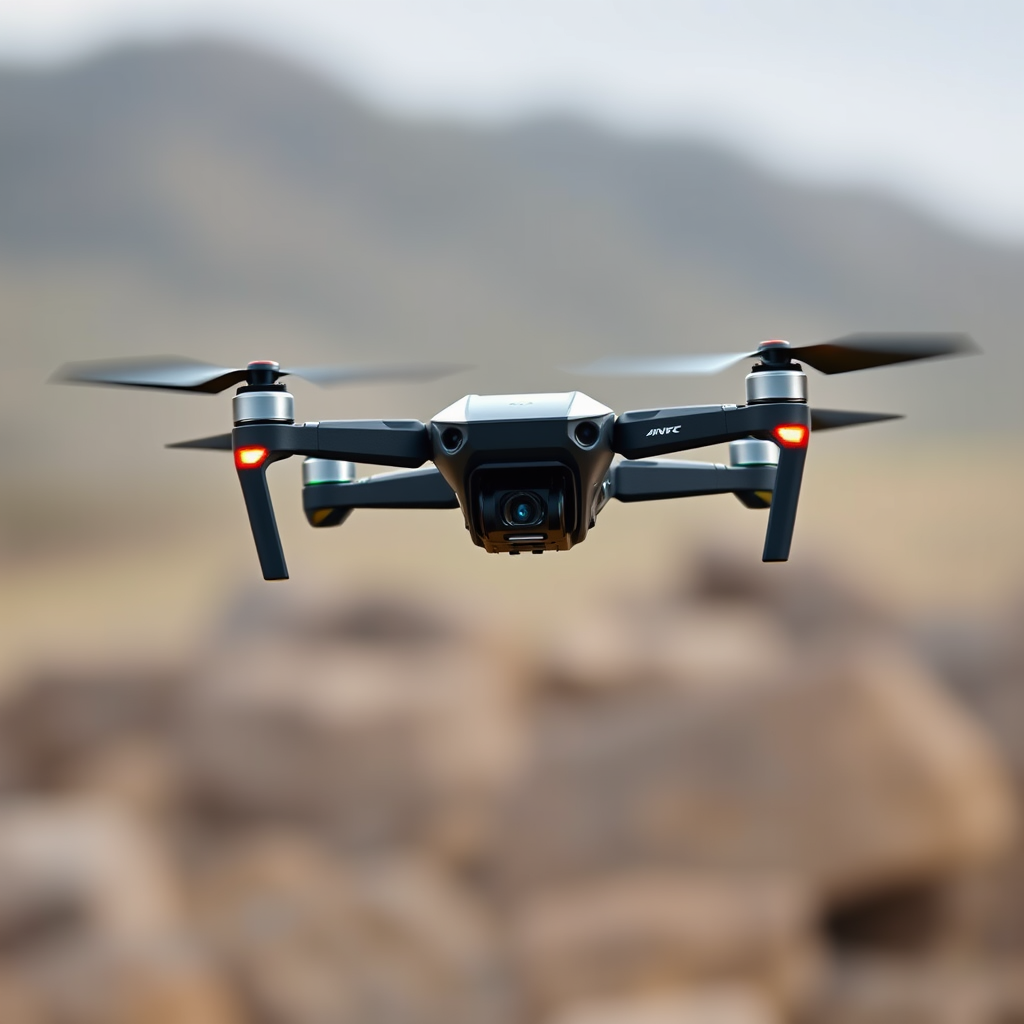
The JJRC H106 is perfect for casual drone enthusiasts due to its 1km Wi-Fi range, while the Anzu Raptor T targets serious users with a substantial 7km NDAA-compliant range. In this article, we will delve into the distinctions in features, performance, and overall value between these two mini drones, providing you with the insights needed to make an informed decision for your drone flying experience.
Range and Connectivity
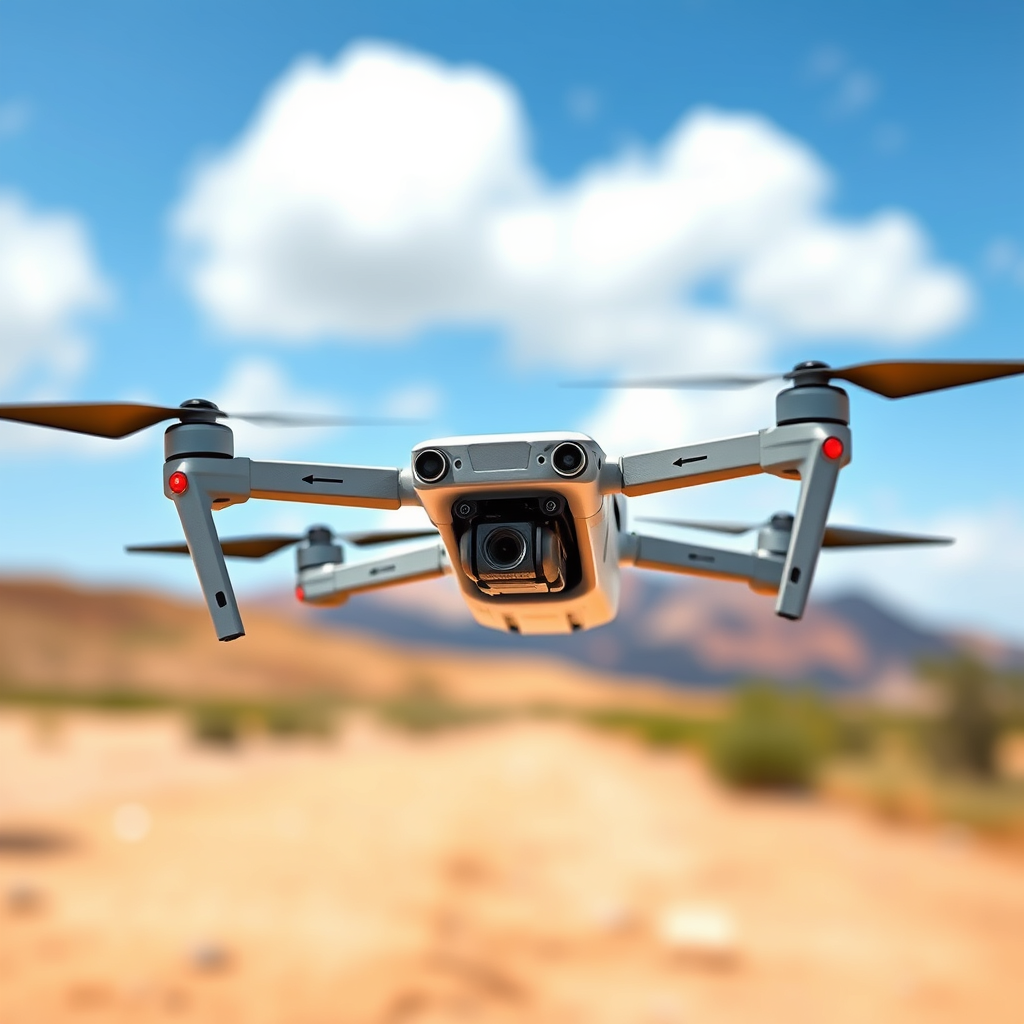
When it comes to range and connectivity, the differences between the JJRC H106 and Anzu Raptor T are stark. The JJRC H106 offers a reliable 1km Wi-Fi connection, which is ample for beginners and casual flyers looking to enjoy their drone experience within a limited scope. This range allows users to easily maneuver the drone while maintaining a stable connection, making it ideal for those who are just beginning their journey in drone piloting. The Wi-Fi connectivity ensures that users can stream live footage directly to their smartphones, enhancing the flying experience through real-time monitoring.
On the other hand, the Anzu Raptor T boasts an impressive 7km range, which is particularly beneficial for experienced pilots who seek to explore vast landscapes or conduct aerial photography over larger areas. The extended connectivity allows for more flexibility in flight paths and enhances the potential for capturing stunning imagery from great distances. Additionally, the drone utilizes advanced communication technologies that ensure a strong and stable connection even at long distances, making it a superior choice for professional applications or serious hobbyists.
Design and Build Quality
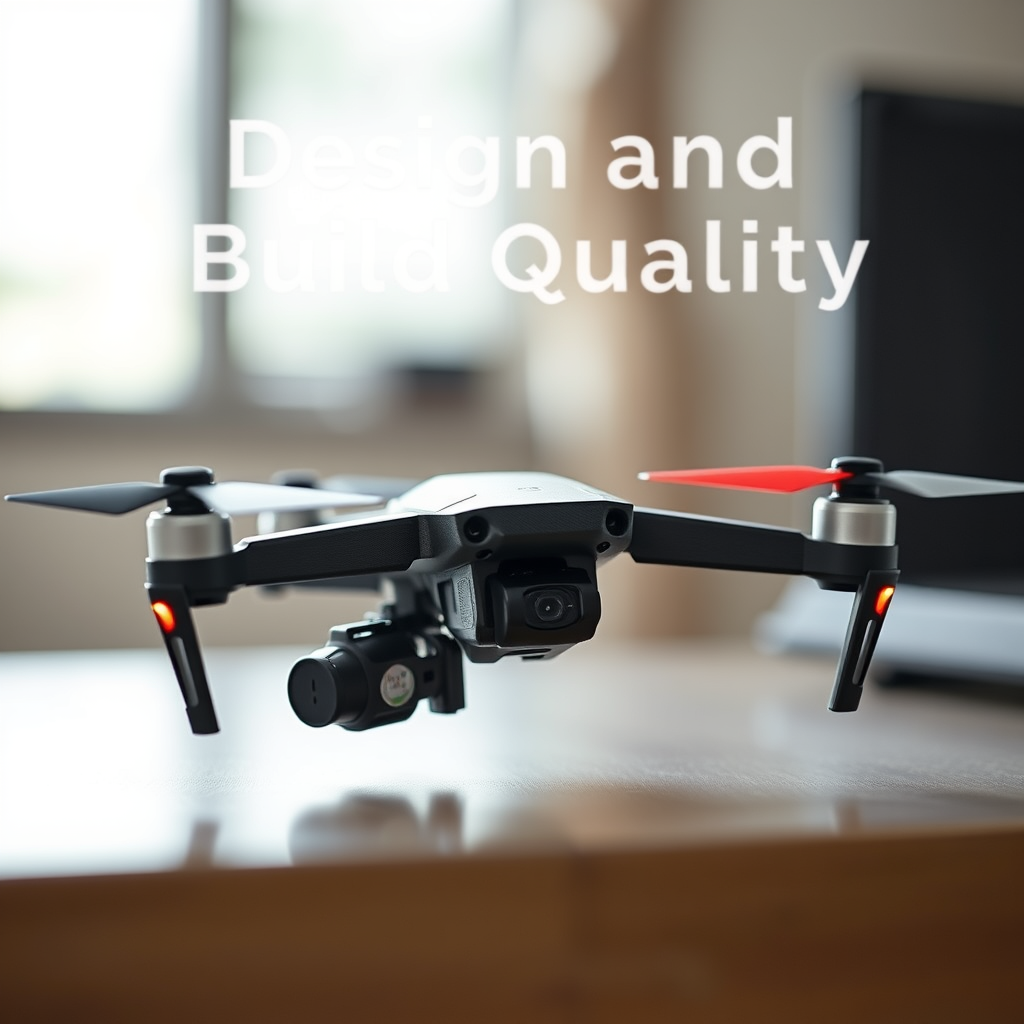
The design and build quality of a drone are crucial factors that influence its usability and performance. The JJRC H106 is lightweight and compact, making it highly portable and perfect for beginners who may find larger drones cumbersome. Its user-friendly design features simple controls and a straightforward interface, allowing new flyers to familiarize themselves with drone operations without unnecessary complexity. The design also includes protective features that safeguard the device from minor crashes, enhancing its appeal for novice users.
In contrast, the Anzu Raptor T is constructed with durability in mind, utilizing robust materials that can withstand rugged flying conditions. Its aerodynamic design not only enhances performance but also contributes to its longevity in various environments. This drone is equipped to handle the rigors of professional use, whether it be in harsh weather conditions or challenging terrains. The quality of materials used in the Raptor T ensures that it remains operational under demanding circumstances, making it a reliable choice for serious drone enthusiasts and professionals alike.
Camera and Imaging Capabilities
When evaluating drones, the camera and imaging capabilities are often pivotal in the decision-making process. The JJRC H106 includes a standard camera that is suitable for casual photography and video recording. While it may not offer the highest resolution or advanced features found in more expensive models, it provides adequate quality for beginners wanting to document their flying experiences. The camera is designed to capture fun moments without overwhelming the user with technical complexities.
Conversely, the Anzu Raptor T is equipped with high-quality imaging technology that significantly enhances the clarity and detail of aerial photography. This drone features a superior camera that supports higher resolutions and advanced photographic settings, catering to those who require professional-grade imagery. With options for 4K video recording and enhanced stabilization features, the Raptor T transforms the aerial photography experience, making it suitable for filmmakers, real estate professionals, and other serious users looking to elevate their work with stunning visuals.
Flight Performance and Stability
Flight performance and stability are essential for an enjoyable and successful flying experience. The JJRC H106 excels in providing stable flight for beginners, with user-friendly controls that allow for easy maneuvering. Features such as altitude hold and one-key takeoff/landing contribute to a hassle-free experience, enabling novice pilots to focus on enjoying the flying experience without the stress of complicated controls. The drone’s stability features allow users to capture images and videos without excessive shaking, making it an excellent choice for those still learning the ropes.
In contrast, the Anzu Raptor T showcases advanced flight capabilities that are tailored for experienced pilots. It features GPS positioning, which enhances stability and allows for automated flight modes such as waypoint flying and follow-me functions. These capabilities not only improve the overall flying experience but also enable users to engage in more complex aerial maneuvers with confidence. The Raptor T’s enhanced stability systems ensure that it can maintain steady flight even in windy conditions, making it a reliable choice for professional applications and adventurous flying.
Compliance and Regulations
Compliance with regulations is a critical aspect of drone ownership, especially for those who intend to fly in public spaces. The JJRC H106 falls under lighter regulations, making it easier for hobbyists to fly without extensive paperwork or registration. This accessibility is particularly beneficial for casual users who want to enjoy flying without the added burden of navigating complex legalities. The drone’s lightweight and compact nature also means it may fall into categories that require less stringent regulatory compliance.
On the other hand, the Anzu Raptor T is NDAA-compliant, ensuring that it meets specific government standards for drone usage. This compliance is crucial for users who operate in sensitive or regulated environments, such as government contractors or commercial operators. The Raptor T’s adherence to these standards not only provides peace of mind to the operator but also enhances the drone’s credibility and suitability for professional use. Users who prioritize compliance and reliability in their drone operations will find the Anzu Raptor T to be a sound investment.
Price and Value
In terms of price and value, the JJRC H106 stands out as a budget-friendly option that provides great value for casual users. Priced competitively, it allows hobbyists to enjoy the experience of flying without making a significant investment. This affordability makes it an attractive choice for those who are unsure about their commitment to the hobby or for families looking for a fun activity. The features offered are well-suited for beginners, ensuring that users get a solid introduction to the world of drones without breaking the bank.
Conversely, the Anzu Raptor T, while more expensive, offers advanced features that cater to serious drone enthusiasts and professional applications. Its higher price point reflects the superior technology, durability, and imaging capabilities it provides. For individuals or businesses that require a reliable drone for extensive use, the investment in the Raptor T can yield significant returns in terms of performance and image quality. Users who recognize the value of advanced features and compliance will find that the additional costs associated with the Anzu Raptor T are justified by its capabilities.
In summary, the choice between the JJRC H106 and the Anzu Raptor T largely depends on your flying needs and experience level. If you seek a simple, budget-friendly option, the JJRC H106 is a great pick. However, if you require extended range and advanced features, the Anzu Raptor T is worth the investment. Consider your priorities and take the next step in your drone journey!
Frequently Asked Questions
What are the main differences between the JJRC H106 and the Anzu Raptor T in terms of range and features?
The JJRC H106 offers a maximum flight range of 1 kilometer using Wi-Fi connectivity, making it suitable for casual users who want to explore their immediate surroundings. In contrast, the Anzu Raptor T boasts an impressive 7-kilometer range with NDAA compliance, allowing for extended aerial exploration and more serious applications, such as surveying or recreational flying in wide-open areas. Additionally, the Anzu Raptor T is designed with advanced features that may cater to more experienced pilots.
How does the NDAA compliance of the Anzu Raptor T impact its usability compared to the JJRC H106?
The NDAA compliance of the Anzu Raptor T means it adheres to specific U.S. government regulations regarding drone use, making it a more suitable choice for professionals and government agencies. This compliance ensures that users can operate the drone without concerns about data security and surveillance issues that may arise with non-compliant models like the JJRC H106. For hobbyists, this compliance may not be as critical, but it does enhance the Anzu Raptor T’s reputation for reliability and safety.
Which drone would be better for beginners, JJRC H106 or Anzu Raptor T?
For beginners, the JJRC H106 is generally the better option due to its user-friendly interface and shorter flight range, which makes it easier to control and manage. Its features are designed for casual flying, allowing new pilots to gain confidence without the complexities associated with advanced drones. On the other hand, while the Anzu Raptor T has enhanced capabilities, its advanced features may overwhelm novice users.
Why should I consider the range (1km vs. 7km) when choosing between the JJRC H106 and Anzu Raptor T?
The range of a drone is crucial as it determines how far you can fly from your starting point without losing control or signal. If you plan to use your drone for casual photography or simple recreational flying, the 1km range of the JJRC H106 may suffice. However, if you require extensive coverage for applications like mapping, larger area inspections, or just want the freedom to explore farther, the 7km range of the Anzu Raptor T provides significant advantages.
What features should I prioritize when comparing the JJRC H106 and Anzu Raptor T for my needs?
When comparing these two drones, consider features such as flight range, camera quality, battery life, and overall build quality. If long-distance flying and compliance with regulations are priorities, the Anzu Raptor T is advantageous. However, if ease of use, portability, and cost are more important, the JJRC H106 may be a better fit. Additionally, think about your intended use—hobby flying versus professional applications—as this will heavily influence your decision.
References
- Drone
- Unmanned Aircraft Systems (UAS) | Federal Aviation Administration
- https://www.theguardian.com/technology/2021/oct/21/drones-privacy-regulation
- https://www.reuters.com/technology/what-you-need-know-about-drone-regulation-2021-10-21/
- https://www.nytimes.com/2021/10/20/technology/drones-us-regulation.html
- drones | TechCrunch
- https://www.wired.com/category/science/drone/
