
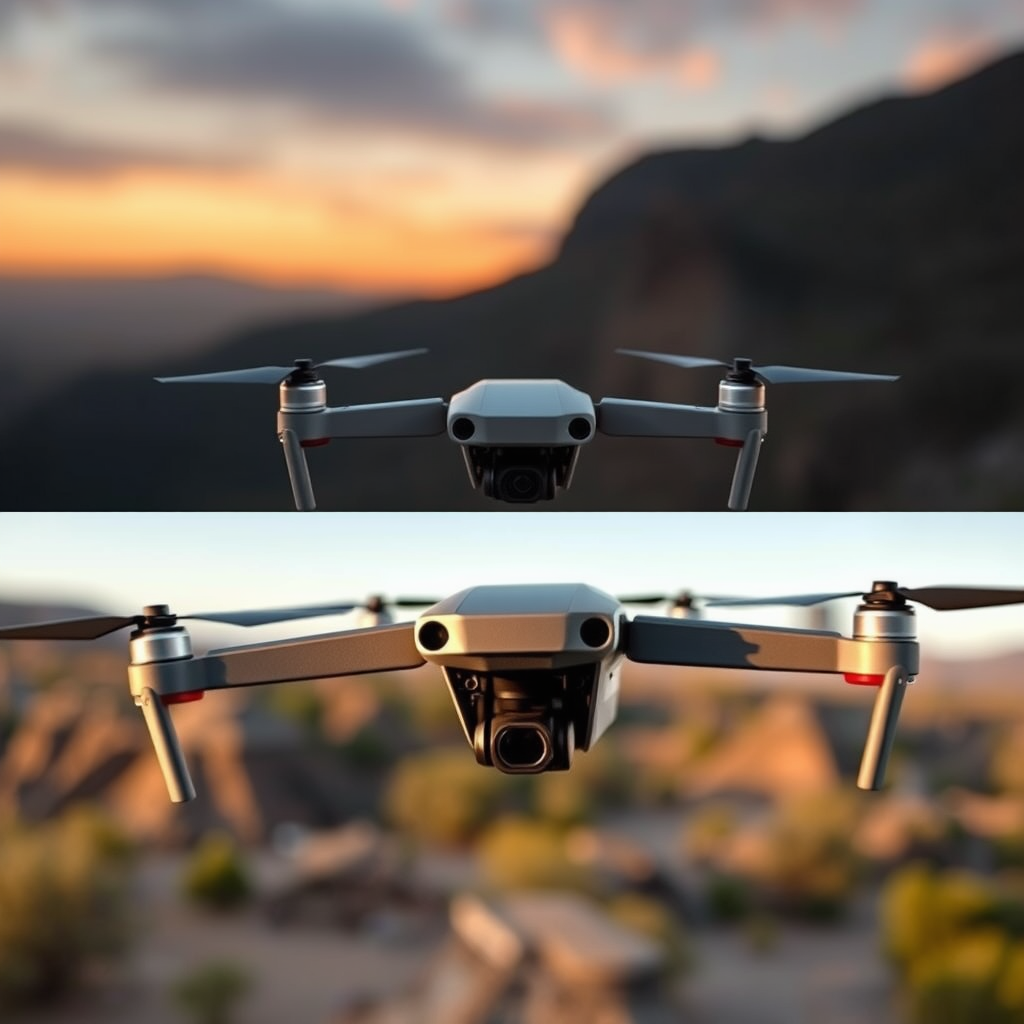
The DJI Mini 3 outperforms the Anzu Raptor T with its revolutionary O3 technology, providing an impressive transmission distance of 10 kilometers compared to the Raptor T’s 7 kilometers. This capability positions the Mini 3 as a superior choice for both professional and recreational drone users who prioritize range and reliability. In this article, we will delve into the critical differences between these two lightweight drones, focusing on performance, NDAA compliance, usability, and more, to help you make an informed decision.
Performance Overview
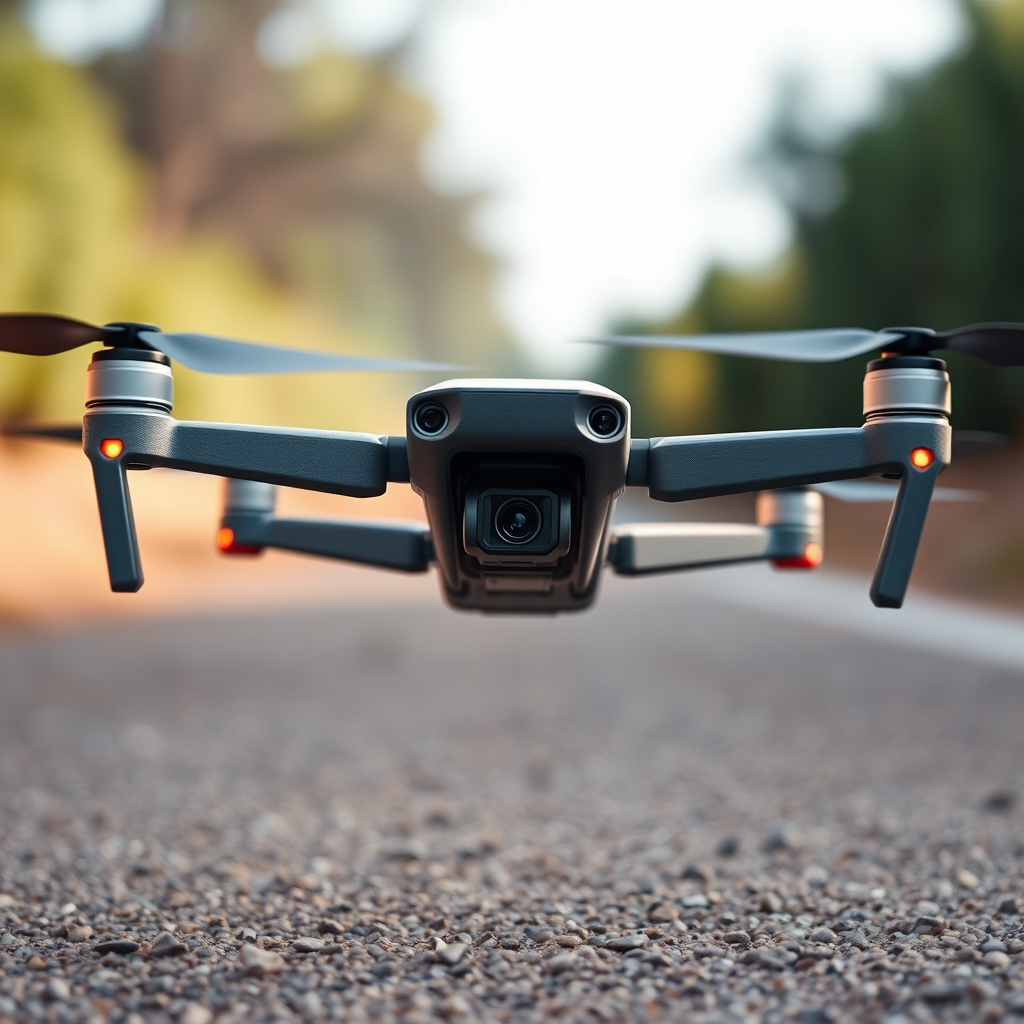
The performance of a drone is often the most significant factor influencing purchasing decisions. The DJI Mini 3 is equipped with O3 (OcuSync 3.0) technology, which not only extends its transmission range to 10 kilometers but also enhances video quality during flight. Users can expect a clearer, more stable signal even at long distances, which is particularly crucial for capturing high-quality footage in various environments. The Mini 3’s advanced features such as intelligent flight modes and responsive controls also contribute to its superior flying experience.
Conversely, the Anzu Raptor T, while offering decent performance, does not match the Mini 3 in terms of distance and signal stability. The Raptor T’s maximum range of 7 kilometers is sufficient for casual flying and local exploration, but users may experience more interruptions in signal quality, especially when flying at greater distances. This difference in performance can significantly impact the user experience, particularly for those who rely on consistent video feeds for projects or professional work.
NDAA Compliance
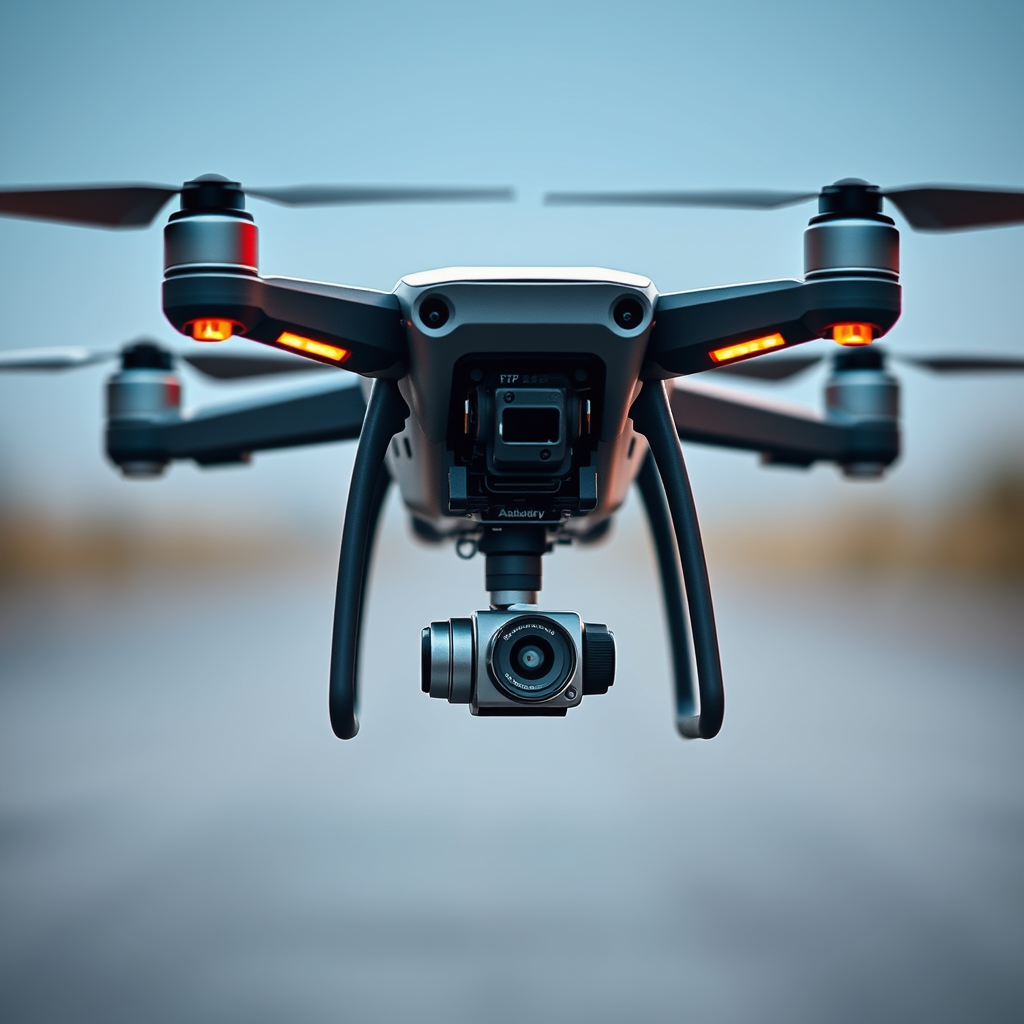
Both the DJI Mini 3 and the Anzu Raptor T are compliant with the National Defense Authorization Act (NDAA), which ensures that they can be used for government and military purposes without legal complications. NDAA compliance is essential for professionals in various sectors, including defense and public safety, as it guarantees that the technology used does not pose security risks.
Understanding the implications of NDAA compliance can greatly affect purchasing decisions for professional users. Drones that adhere to these regulations are often seen as more trustworthy and reliable, particularly in sensitive environments. Therefore, both the Mini 3 and Raptor T can be confidently considered by users in these fields, although the advanced features of the Mini 3 may provide additional confidence in mission-critical scenarios.
Weight and Portability
When it comes to weight and portability, both drones have been designed with the user in mind, yet there are notable differences. The DJI Mini 3 is exceptionally lightweight, weighing less than 250 grams, making it one of the most portable drones available. This feature is particularly appealing to travelers and hobbyists who appreciate the ability to easily pack and transport their equipment without the burden of added weight.
The Anzu Raptor T, while also maintaining a lightweight profile, may not be as compact as the Mini 3. Weighing slightly more, the Raptor T is still manageable for casual users but may not offer the same level of convenience for those prioritizing portability. Therefore, if traveling frequently or engaging in outdoor activities is a primary consideration, the DJI Mini 3 emerges as the more favorable option.
Camera Capabilities
Camera capabilities are often a decisive factor for drone enthusiasts, and here the DJI Mini 3 shines brightly. It boasts advanced camera features, including a 12 MP sensor that can shoot 4K video at 60 frames per second, alongside advanced stabilization technology such as the 3-axis gimbal. This combination allows for stunning aerial shots and smooth video capture, making it an excellent choice for filmmakers and content creators.
On the other hand, the Anzu Raptor T offers solid camera specifications with a 1080p HD camera and basic stabilization features. While it is adequate for casual photography and video, it lacks the advanced features found in the Mini 3, such as higher resolution and improved stabilization. Users looking for professional-grade imagery or video quality will likely find the Mini 3’s capabilities to be far superior.
User Experience and Software
The user experience provided by a drone is critical to its appeal, and DJI has continually excelled in this area. The DJI Fly app offers an intuitive user interface that enhances the flying experience with various flight modes, including QuickShots, which allow users to capture cinematic videos effortlessly. Additionally, the app provides editing options, real-time telemetry data, and flight tutorials, making it user-friendly even for beginners.
In contrast, Anzu’s software is functional but may not provide the same level of engagement as DJI’s app. While the Raptor T’s software supports basic functionalities, it lacks the extensive features and user-friendly design that many DJI users appreciate. Those who prioritize a seamless and enjoyable user experience may find the Mini 3’s software ecosystem to be a significant advantage.
Price and Value
Pricing is always a crucial consideration for potential buyers. The DJI Mini 3 is priced higher due to its advanced technology, superior features, and overall performance. For serious users—particularly professionals who depend on their drones for work—the investment is justified given the value it offers in terms of capabilities and reliability.
In contrast, the Anzu Raptor T is more budget-friendly, appealing to casual drone users, hobbyists, or those new to the world of drones. While it may not offer the same level of performance or advanced features as the Mini 3, the Raptor T provides a solid entry point for those looking to explore drone flying without a significant financial commitment.
Customer Support and Community
The level of customer support and community engagement can significantly influence a user’s experience with a product. DJI stands out with its vast support network, which includes extensive online resources, tutorials, and a large user community. This support is beneficial for troubleshooting issues and sharing tips, enhancing the overall ownership experience.
Anzu, while providing essential resources for its users, does not have the same extensive support system as DJI. This difference may affect users who rely heavily on community advice or require quick resolutions to technical issues. For those who value a strong community and readily available support, the DJI Mini 3’s ecosystem is a significant advantage.
The DJI Mini 3 clearly holds the edge over the Anzu Raptor T with its longer transmission range, advanced features, and overall performance. However, the Raptor T remains a viable option for those seeking a more budget-friendly drone. As you consider your specific needs, whether for professional use or casual flying, it’s essential to select the drone that best aligns with your requirements. Explore user reviews and expert comparisons to further guide your decision, ensuring that you invest in a drone that meets your expectations and enhances your flying experience.
Frequently Asked Questions
What are the main differences in range between the DJI Mini 3 and Anzu Raptor T?
The DJI Mini 3 boasts an impressive range of up to 10 kilometers due to its O3 transmission technology, which enhances signal strength and stability. In contrast, the Anzu Raptor T offers a maximum range of 7 kilometers, which may limit its usability in larger environments. If extended flight distance is a priority for your aerial projects, the DJI Mini 3 could be the better choice.
How does the NDAA compliance of the DJI Mini 3 and Anzu Raptor T affect their usage?
The National Defense Authorization Act (NDAA) compliance means that certain drones, including the DJI Mini 3, are not eligible for use by federal agencies due to security concerns. The Anzu Raptor T, being NDAA-compliant, is suitable for government and military applications, making it a better option for users who require adherence to these stringent guidelines. Understanding these compliance issues can help you choose the right drone for your specific needs.
Which drone, DJI Mini 3 or Anzu Raptor T, is better for beginners?
For beginners, the DJI Mini 3 is often recommended due to its user-friendly features, including intuitive controls, automated flight modes, and intelligent shooting options that make capturing stunning footage easier. While the Anzu Raptor T offers robust performance, it may require a higher skill level to operate effectively. Therefore, if you are new to flying drones, the DJI Mini 3 is likely the more accessible option.
Why should I consider the weight of the DJI Mini 3 and Anzu Raptor T when choosing a drone?
The weight of a drone directly impacts its portability, battery life, and regulatory requirements. The DJI Mini 3 is designed to be lightweight, making it easier to carry and fly for extended periods. In contrast, the Anzu Raptor T, while also lightweight, may provide more durability and stability in challenging weather conditions. Evaluating weight will help you determine which drone fits better into your lifestyle and flying plans.
What features should I prioritize when comparing the DJI Mini 3 and Anzu Raptor T?
When comparing these two drones, focus on key features such as camera quality, flight time, range, and user interface. The DJI Mini 3 typically offers superior camera capabilities with higher resolution and advanced filming features, while the Anzu Raptor T may excel in flight performance and compliance with government regulations. Prioritizing these features based on your intended use will guide you to the drone that best meets your requirements.
References
- DJI Mini
- https://www.bbc.com/news/technology-64272256
- https://www.reuters.com/technology/dji-minis-3-new-features-and-specifications-2023-05-10/
- Media Alert: Intel Hosts 4th Gen Xeon Scalable and Max Series Launch
- https://www.nytimes.com/2023/06/15/technology/drones-regulations-ndaa.html
- https://www.faa.gov/uas/commercial_operators/ndaa
- https://www.sciencedirect.com/topics/engineering/drone-technology
- https://www.wired.com/story/dji-mini-3-review/
