
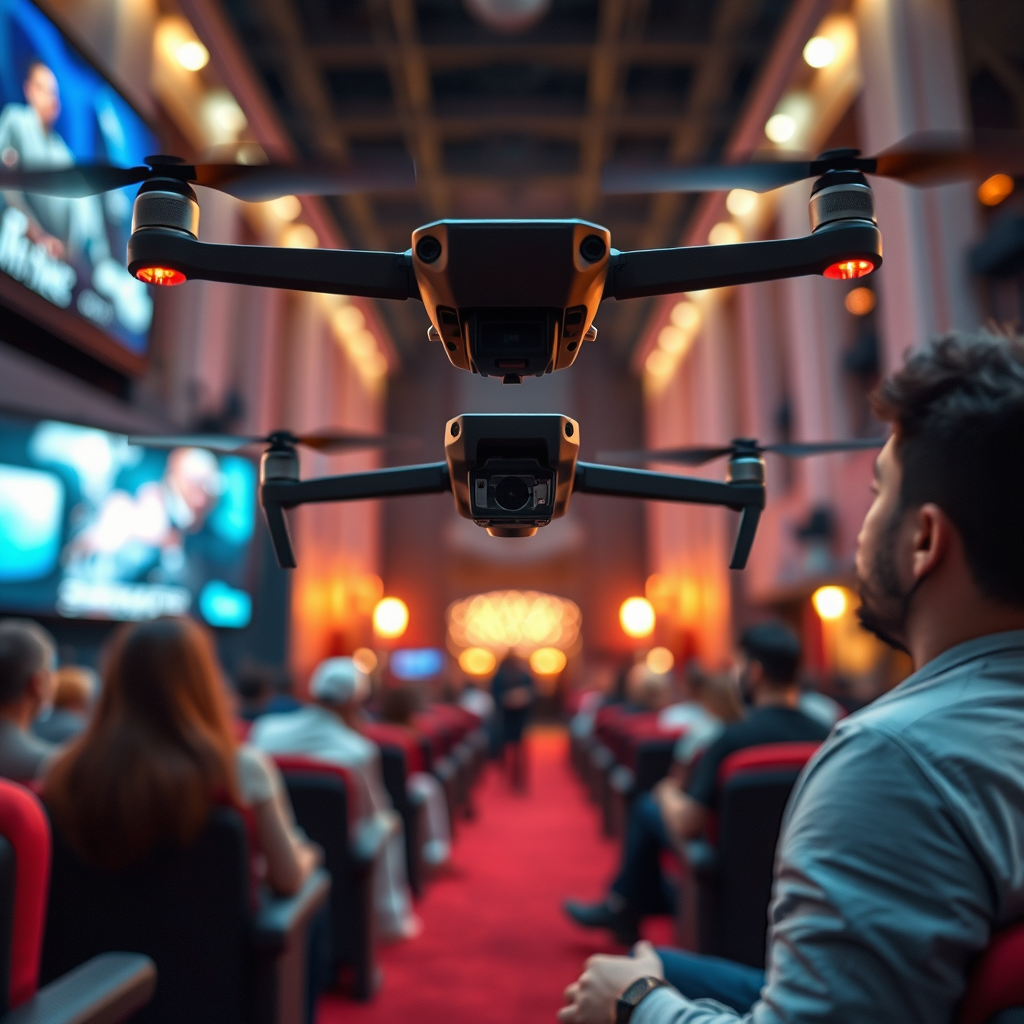
The Freefly Astro Prime and Anzu Raptor V are two leading drones in the enterprise market, each catering to distinct operational needs with their respective ranges of 5km and 7km. The Astro Prime excels in professional cinematography, while the Raptor V is tailored for security and surveillance applications. This article delves deep into the contrasting features, capabilities, and overall performance of these two models, enabling prospective users to make informed decisions based on their specific requirements.
Overview of the Freefly Astro Prime
The Freefly Astro Prime is engineered specifically for professional cinematography and high-end applications. It embodies the essence of creative filmmaking, equipped with cutting-edge technology that ensures unparalleled video quality and stability. The drone boasts a 5km operational range, which, while shorter than its counterpart, is optimized for capturing stunning visuals without compromising on performance. The robust transmission capabilities facilitate high-definition video feeds, allowing filmmakers to monitor their shots in real-time with remarkable clarity. This drone is well-suited for projects that require precision and creative freedom, making it a favorite among filmmakers, advertising agencies, and content creators.
Overview of the Anzu Raptor V
In contrast, the Anzu Raptor V is meticulously designed for enterprise use, focusing primarily on security and surveillance tasks. With an impressive operational range of 7km, it empowers users to conduct extensive missions without the need for frequent repositioning. This extended range is particularly beneficial for applications such as perimeter security, infrastructure inspection, and search and rescue operations. The Raptor V is equipped with advanced sensors and data collection tools that enhance its capabilities in various operational environments, ensuring that it meets the demanding standards of enterprise applications. Its robust design and functionality serve organizations that prioritize reliability and efficiency in their aerial operations.
Performance Comparison
When assessing flight stability and durability, both the Freefly Astro Prime and Anzu Raptor V exhibit remarkable performance, yet they excel in different areas. The Astro Prime is renowned for its stability in windy conditions, making it a reliable option for filmmakers who require smooth footage without interruptions. Its gimbal stabilization technology further ensures that even in challenging conditions, the quality of the captured content remains high.
The Anzu Raptor V, on the other hand, is built with resilience in mind. Its rugged construction allows it to withstand various environmental factors, making it ideal for industrial applications that may involve harsher conditions. In terms of battery life, both drones offer competitive operational times, but the Raptor V’s optimized energy management system allows for extended flight durations, particularly during surveillance missions. Users can expect the Astro Prime to provide around 25-30 minutes of flight time, whereas the Raptor V can manage slightly longer durations, depending on payload and environmental conditions.
Camera and Payload Capabilities
The camera specifications and payload options are critical factors for both drones, reflecting their distinct purposes. The Freefly Astro Prime is equipped with high-quality camera systems capable of capturing 4K and even 6K video, making it ideal for cinematic applications. Its versatility allows users to switch between different camera types, including DSLRs and mirrorless options, thus catering to a range of creative needs. The Astro Prime’s payload capacity is designed to support professional-grade cameras and accessories, ensuring filmmakers can achieve their desired aesthetic without compromise.
Conversely, the Anzu Raptor V features specialized cameras optimized for surveillance and inspection tasks. While it may not match the Astro Prime in video quality, its cameras are equipped with high-resolution imaging capabilities, including thermal and night vision options, which are essential for security and monitoring applications. The payload capacity of the Raptor V is tailored to accommodate various sensors and imaging technologies, making it an excellent choice for enterprises focused on data collection and analysis.
Compliance with NDAA Regulations
NDAA (National Defense Authorization Act) compliance is crucial for enterprises utilizing drones, particularly in sensitive or government-related operations. The act ensures that equipment meets specific security standards and does not utilize components from foreign adversaries. Both the Freefly Astro Prime and Anzu Raptor V have been designed with NDAA compliance in mind, ensuring they meet or exceed the necessary requirements for enterprise use.
The Freefly Astro Prime stands out with its commitment to sourcing components from trusted suppliers, thus ensuring that filmmakers and content creators can utilize this drone without concerns regarding compliance. Similarly, the Anzu Raptor V has been developed with a focus on secure data handling and transmission, making it suitable for critical applications where security and compliance are non-negotiable. Organizations must consider these compliance aspects when selecting drones for their operations, as adherence to NDAA regulations not only mitigates risk but also enhances credibility in the eyes of stakeholders.
User Experience and Support
User experience is a significant factor that can influence the effectiveness of drone operations. The Freefly Astro Prime comes equipped with an intuitive user interface that streamlines the flight experience for cinematographers. The control systems are designed to facilitate easy maneuverability and quick adjustments, allowing users to focus on capturing the perfect shot rather than managing complex controls. Additionally, Freefly offers robust customer support, with a dedicated team available to assist users with technical inquiries and troubleshooting.
In contrast, the Anzu Raptor V is equipped with a more specialized user interface designed for surveillance operations. Its controls are tailored for quick deployment and efficient operation, ensuring that users can respond rapidly to security threats or operational requirements. Anzu also provides comprehensive support to its users, including training resources and community forums, which help facilitate a deeper understanding of the drone’s capabilities and enhance overall user experience.
Pricing and Value Proposition
When it comes to pricing, the Freefly Astro Prime is positioned as a premium offering in the drone market, reflecting its advanced technology and capabilities. While its price point may be higher than that of the Anzu Raptor V, the value it provides in terms of cinematographic quality and creative potential makes it a worthwhile investment for professional filmmakers. The ability to switch between high-end camera systems and the drone’s reliability in various filming conditions justify the cost for users focused on producing exceptional visual content.
The Anzu Raptor V, however, offers a more budget-friendly option without compromising on performance for enterprise applications. Its extended range, coupled with specialized sensors, presents significant value for organizations focused on security and surveillance. The lower price point makes it accessible for a wider range of enterprises, especially those looking to implement drone technology without a substantial initial investment.
Ultimately, the choice between these two models will depend on the intended use and budgetary considerations of the user.
The Freefly Astro Prime and Anzu Raptor V both bring unique strengths to the table, making them suitable for different enterprise needs. Depending on the primary focus—be it cinematography or surveillance—users can make informed decisions based on the performance, compliance, and value outlined in this article. Consider your specific requirements and explore these models further to find the best fit for your operations.
Frequently Asked Questions
What are the key differences between the Freefly Astro Prime and Anzu Raptor V drones?
The primary differences between the Freefly Astro Prime and Anzu Raptor V lie in their design, features, and intended applications. The Astro Prime is known for its robust build and superior camera stabilization, making it ideal for cinematic shoots. In contrast, the Anzu Raptor V offers a longer range of 7km and is tailored for enterprise uses, such as surveying and mapping, due to its advanced sensor capabilities and data collection features.
How does the radio range of the Freefly Astro Prime compare to that of the Anzu Raptor V?
The Freefly Astro Prime typically operates with a radio range of up to 5km, while the Anzu Raptor V boasts an impressive 7km range. This extended range of the Anzu Raptor V allows for greater flexibility during operations, especially in larger areas where uninterrupted signal is crucial for tasks such as search and rescue or extensive aerial surveys.
Why is the NDAA compliance important for drones like the Freefly Astro Prime and Anzu Raptor V?
NDAA compliance is essential for drones used by U.S. government entities and contractors, as it ensures that the equipment meets specific security and operational standards. Both the Freefly Astro Prime and Anzu Raptor V are designed with NDAA compliance in mind, making them suitable for enterprise applications where data security and reliability are paramount, thus addressing concerns over unauthorized access or vulnerabilities.
Which drone is better suited for cinematic production: Freefly Astro Prime or Anzu Raptor V?
The Freefly Astro Prime is generally regarded as the better choice for cinematic production due to its advanced stabilization technology and superior camera payload capabilities. Its design focuses on delivering high-quality footage, making it favored by filmmakers. However, if you require additional features like longer flight times and data collection for mixed-use scenarios, the Anzu Raptor V may also serve your needs.
How can I determine which drone, Freefly Astro Prime or Anzu Raptor V, is best for my specific needs?
To determine the best drone for your requirements, consider factors such as intended use, flight range, payload capacity, and compliance needs. Evaluate whether you prioritize cinematic quality or enterprise functionalities. Additionally, assessing your budget, the availability of accessories, and customer support can also play a significant role in making an informed decision tailored to your specific needs.
References
- National Defense Authorization Act
- https://www.reuters.com/technology/defense-contractors-push-ndaa-funding-2023-09-30/
- https://www.bbc.com/news/technology-45894676
- https://www.theguardian.com/us-news/2021/jul/22/us-drone-laws-ndaa-defense
- https://www.nist.gov/news-events/news/2021/06/us-nist-issues-new-guidelines-secure-5g-networks
- drones | TechCrunch
- https://www.sciencedirect.com/topics/engineering/military-drones
- https://www.wired.com/story/what-is-the-ndaa/
- https://www.nationaldefensemagazine.org/articles/2022/12/1/ndaa-passes-with-strong-support-for-drones-and-robotics
- https://www.darpa.mil/news-events/2021-09-16
