
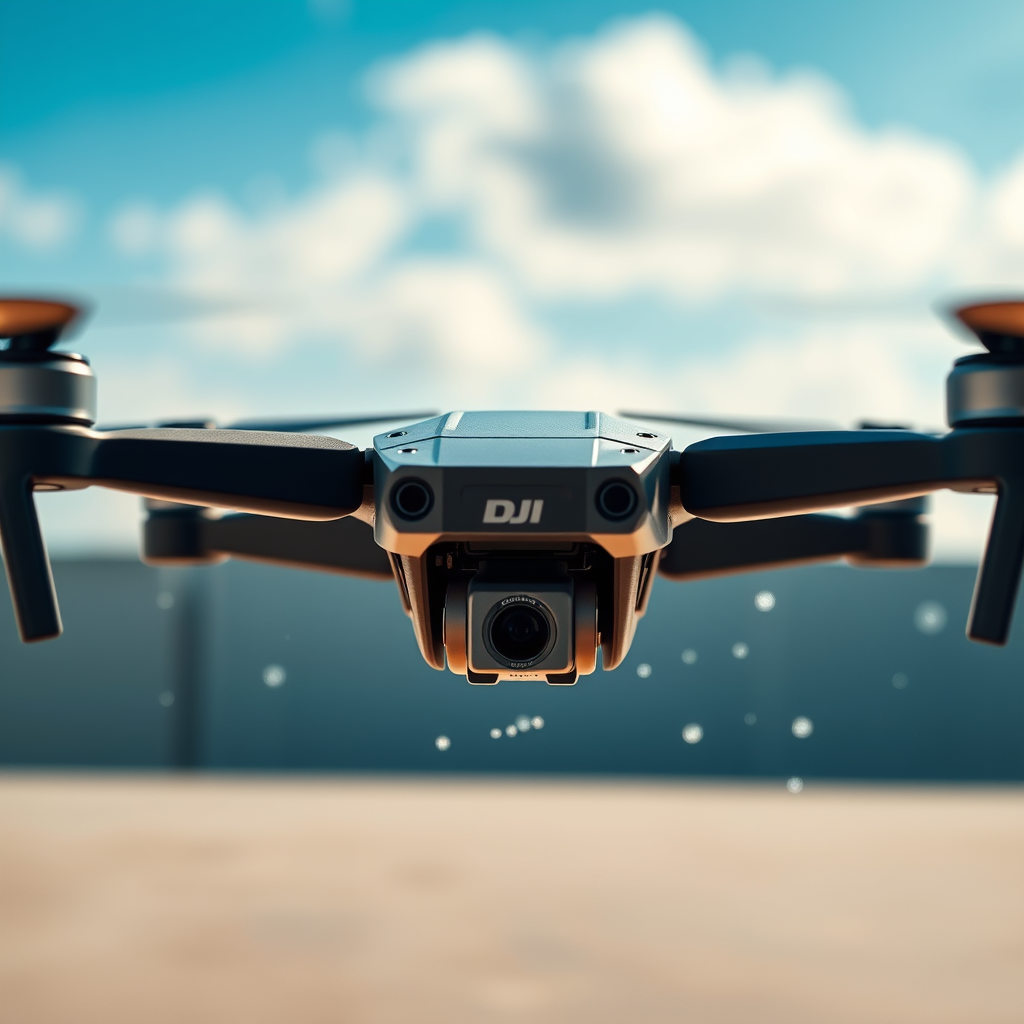
DJI drones are not fully waterproof; however, some models offer water-resistant features that can withstand light rain and splashes. Understanding the capabilities of these drones can enhance your flying experience and protect your investment. In this article, we will delve into the water resistance capabilities of various DJI drones, the impact of moisture on drone performance, and provide practical tips for safe flying in wet conditions.
Understanding Water Resistance Ratings
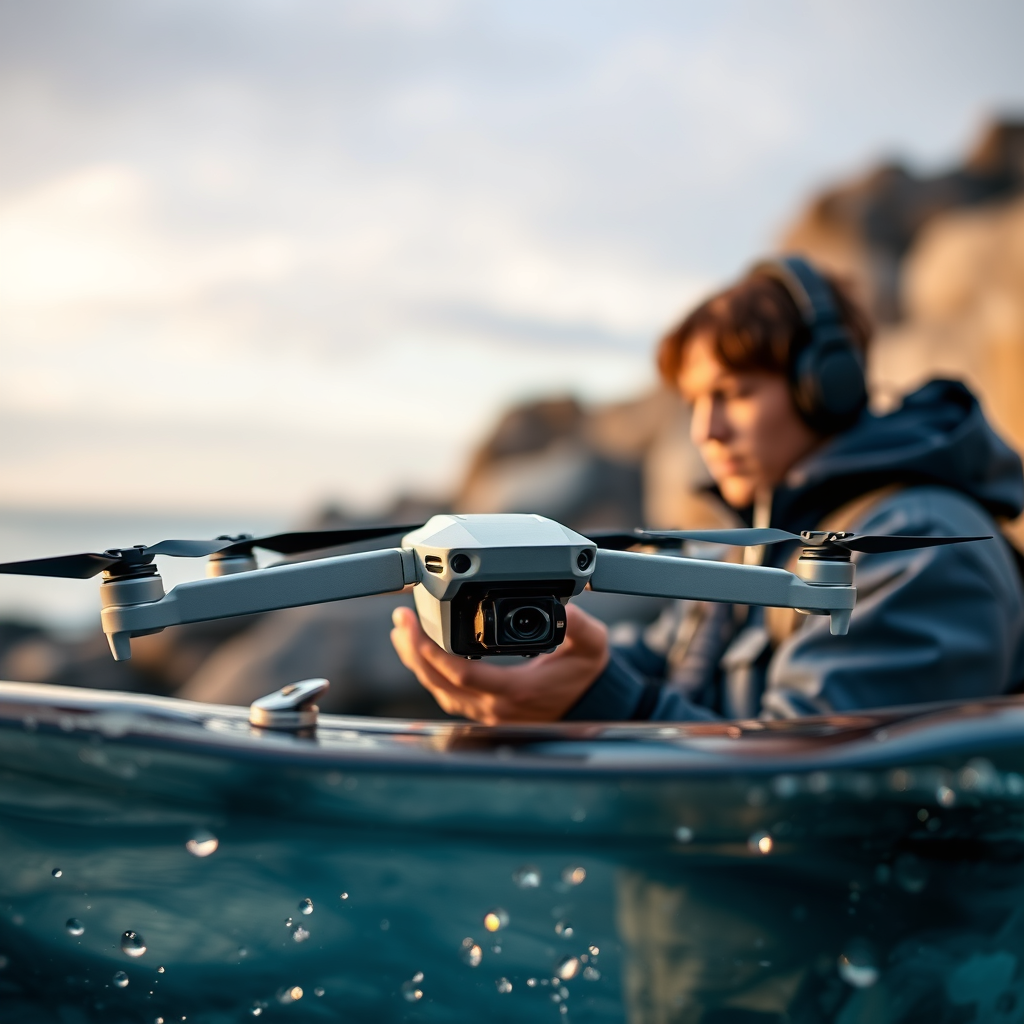
When discussing water resistance in drones, it’s essential to comprehend the IP ratings, which stand for Ingress Protection. These ratings provide a standardized measure of a device’s ability to resist intrusion from solid objects and moisture. The first digit in the IP rating indicates protection against solids, while the second digit refers to protection against liquids. For instance, an IP67 rating signifies that a device is dust-tight and can withstand immersion in water up to 1 meter for 30 minutes.
In the context of DJI drones, models such as the DJI Mavic Air 2 and the DJI Mini 2 have been recognized for their water-resistant features, typically rated around IP43. This means they can handle light rain and splashes but are not designed for submersion or heavy rain. On the other hand, models like the DJI Phantom series do not have explicit water resistance ratings, indicating that they should be kept away from wet conditions to avoid potential damage. Understanding these ratings is crucial for drone operators who wish to fly in variable weather conditions, as it aids in assessing the risk associated with moisture exposure.
DJI Drone Models and Their Capabilities
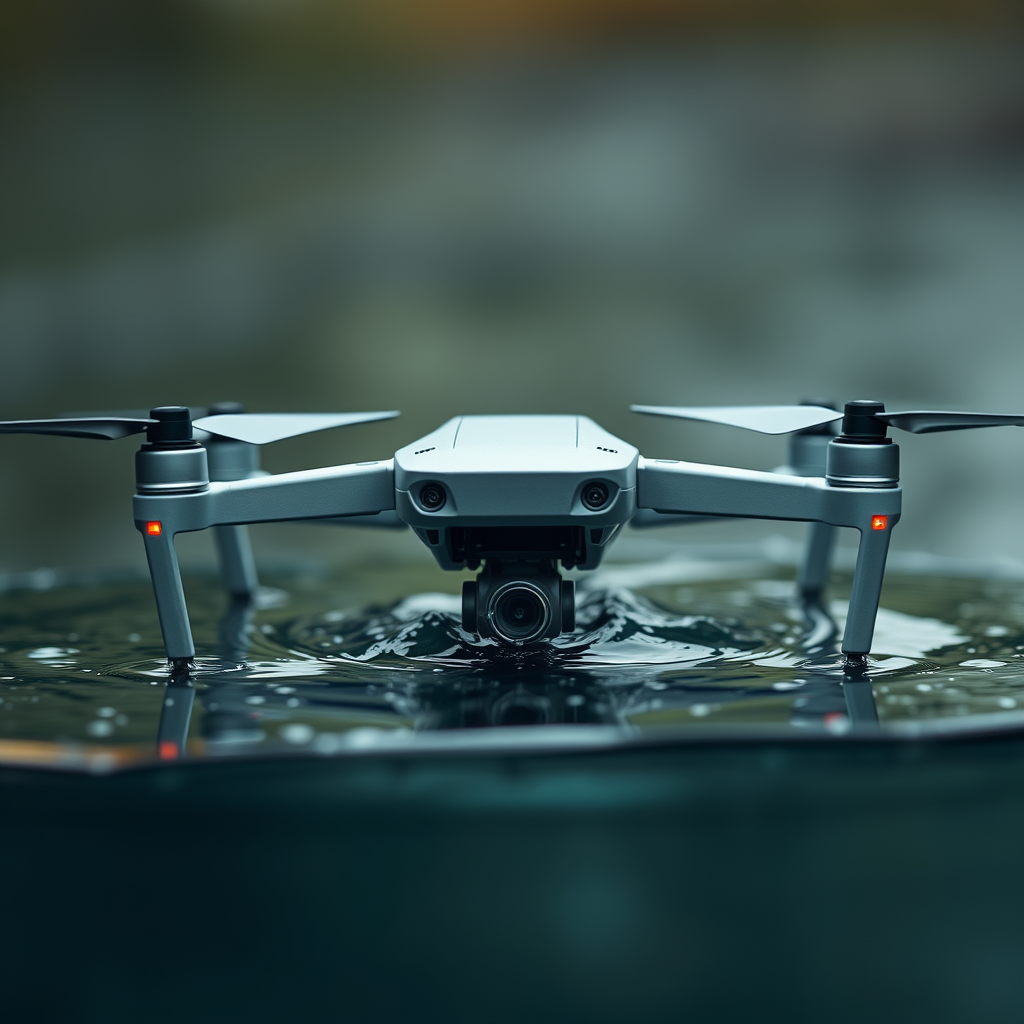
Several DJI models come equipped with water-resistant features that cater to varying needs and flying conditions. For example, the DJI Mavic Air 2 boasts a solid design that can survive light rain, making it suitable for casual outdoor photography under less-than-ideal weather. Similarly, the DJI Mini 2, known for its compact design, can withstand splashes, allowing for some flexibility when flying in cloudy or drizzly conditions.
However, it’s important to note the limitations of water exposure. While these drones can handle light moisture, they are not intended for use in heavy rain, snow, or near large bodies of water without proper precautions. For instance, flying a water-resistant drone in a torrential downpour can lead to moisture seeping into the internal components, risking permanent damage. Therefore, operators should always check the weather conditions and make informed decisions regarding their drone’s capabilities.
Impact of Water on Drone Performance
Moisture can significantly affect the performance of a drone. Electronic components, such as the flight controller, motors, and sensors, are particularly susceptible to water damage. When exposed to moisture, these components may suffer from short circuits or corrosion over time, leading to erratic behavior or total unit failure. Moreover, the accumulation of water on the drone’s body can alter its aerodynamics, affecting flight stability and control.
Flying in wet conditions introduces additional risks. For instance, a drone may become heavier due to water accumulation, leading to reduced flight time and increased energy consumption. Additionally, visibility may be compromised in rainy conditions, making it challenging for operators to maintain a line of sight with the drone. This can heighten the potential for accidents or crashes, underscoring the importance of understanding the risks associated with moisture exposure.
Tips for Flying DJI Drones in Wet Conditions
To safeguard your DJI drone from water damage while flying in less-than-ideal weather, consider implementing the following best practices:
1. Use a Protective Cover: Consider investing in a waterproof drone cover that fits your model. This can provide an extra layer of protection against rain and splashes.
2. Fly Smart: When flying in light rain, try to minimize the exposure of the drone to water. Avoid flying directly into the wind, as this can increase the amount of moisture that hits the drone.
3. Limit Flight Time: In wet conditions, keep your flight time shorter to reduce the risk of moisture buildup on the drone.
4. Avoid Water Landing: Ensure you do not attempt to land on wet surfaces, as this can lead to water seeping into the drone’s components.
Engaging in these practices can enhance the longevity of your drone and improve your overall flying experience, even when the weather is not cooperating.
Maintenance and Care for Water-Exposed Drones
Proper maintenance is crucial for ensuring the longevity of drones that have been exposed to moisture. After each flight in wet conditions, take the following steps:
1. Dry the Drone Thoroughly: Gently wipe down the exterior of the drone with a soft, absorbent cloth to remove any moisture. Pay special attention to the camera and sensors.
2. Inspect for Damage: Regularly check for any signs of corrosion or damage, particularly around the battery compartment and electronic components.
3. Clean the Drone: Use a soft brush or compressed air to clean out any debris that may have accumulated in crevices. This will help prevent corrosion and maintain optimal performance.
4. Store Properly: Always store your drone in a dry, cool place, ideally in a protective case that can prevent moisture from accumulating.
By adhering to these maintenance practices, you can help ensure that your drone remains in peak condition, prolonging its lifespan and performance.
Alternatives for Water-Resistant Flying
If you frequently fly in wet conditions or are interested in aquatic activities, consider exploring fully waterproof drones. Several models are designed specifically for water-related applications, such as the Swellpro Splash Drone. This drone is capable of floating, making it ideal for aerial photography over water and even for dropping payloads like fishing lines.
The benefits of using specialized waterproof drones include enhanced durability in adverse conditions and the ability to engage in unique activities such as underwater photography or search and rescue missions. Investing in these drones can open up new possibilities for enthusiasts and professionals alike.
DJI drones may not be entirely waterproof, but understanding their water-resistant features can help you make informed decisions about flying in different weather conditions. By following the tips provided and considering specialized options for aquatic environments, you can prioritize safety and drone maintenance, ensuring optimal performance in all flying scenarios.
Frequently Asked Questions
Are DJI drones waterproof for flying in the rain?
Most DJI drones are not completely waterproof but are designed to withstand some level of moisture, particularly the DJI Mavic 2 Enterprise and DJI Mavic Mini, which offer better resistance. However, flying in heavy rain or directly through water can damage the drone’s internal components and void the warranty. It’s always best to check the specific model’s specifications and weather conditions before flying.
What should I do if my DJI drone gets wet?
If your DJI drone gets wet, immediately power it off and remove the battery to prevent electrical short circuits. Dry the exterior with a soft cloth and, if possible, place the drone in a bag of uncooked rice or silica gel to absorb moisture. Allow it to dry for at least 24-48 hours before attempting to power it on again, and consider consulting a professional for a thorough inspection.
Which DJI drones are best for water-related activities?
The DJI Mavic 2 Enterprise and the DJI Phantom 4 RTK are among the best options for water-related activities, as they are built with some degree of water resistance and durability. However, for serious aquatic use, such as marine surveys or rescue operations, consider using specialized drones designed specifically for water environments. Always confirm the waterproof rating and usage guidelines before engaging in any water-based operations.
Can I fly my DJI drone over water safely?
Yes, you can fly your DJI drone over water safely, but it is crucial to be aware of your drone’s specifications and limitations. Ensure that you maintain a safe distance from the water’s surface to avoid potential splashes and consider using a drone with a higher water resistance rating. Additionally, always keep your drone within line of sight and ready to return to dry land in case of an emergency.
Why is it important to know if a DJI drone is waterproof?
Knowing whether a DJI drone is waterproof is essential for ensuring its longevity and functionality, especially for users who plan to fly in varying weather conditions or near water bodies. Understanding the waterproof capabilities helps prevent damage from moisture exposure, which can lead to costly repairs or replacements. It also allows users to make informed decisions about their flying environments and activities.
References
- DJI
- https://www.dji.com/ca/dji-fly-safe/faq
- https://www.theverge.com/2021/1/26/22249293/dji-mavic-air-2-review-waterproof-drones
- https://www.sciencedirect.com/science/article/pii/S2212017321000190
- https://www.reuters.com/technology/dji-drone-waterproofing-2023-03-18/
- https://www.nytimes.com/2020/10/10/technology/dji-drone-flying-water.html
- https://www.wired.com/story/dji-drone-waterproof/
- https://www.techradar.com/news/are-drones-waterproof
