
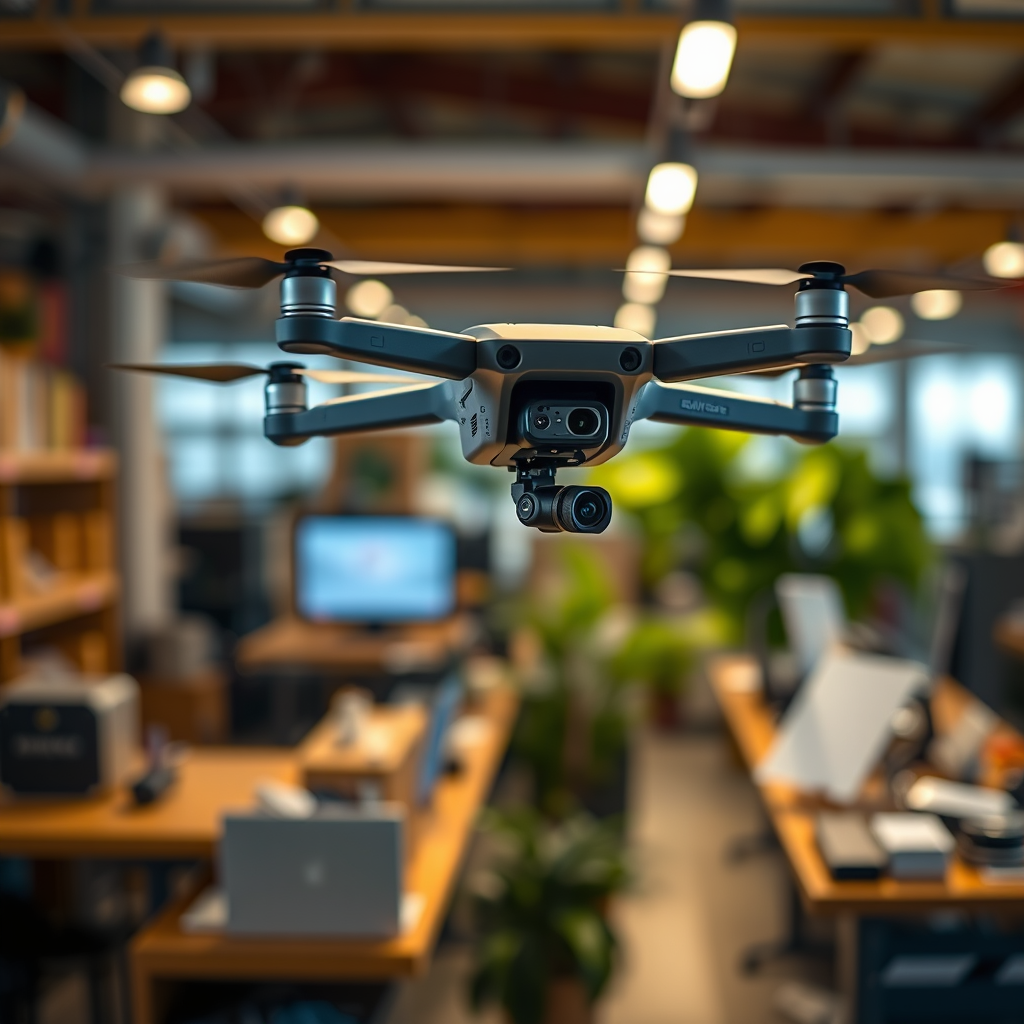
DJI drones are primarily manufactured in China, with the company’s headquarters located in Shenzhen. This city serves as a vital hub for technology and innovation, facilitating the production of high-quality drones that are trusted by professionals and enthusiasts alike. Understanding the nuances of DJI’s manufacturing process, including the facilities involved and the quality control measures in place, not only sheds light on the brand’s reputation but also enhances consumer confidence in its products.
Overview of DJI’s Manufacturing Locations
DJI’s main manufacturing facility is located in Shenzhen, China, a city that has become synonymous with advanced technology and manufacturing prowess. This facility is where much of the assembly and production takes place, allowing the company to maintain close control over the quality and design of its products. In addition to its main facility, DJI collaborates with various subcontractors and suppliers in nearby regions, leveraging the extensive network of technology partners that Shenzhen offers. This strategic approach to manufacturing enables DJI to rapidly adapt to market demands while ensuring that each component meets its stringent quality standards.
The integration of local suppliers into DJI’s supply chain allows for a seamless flow of materials, which is essential for the timely production of its drones. For example, components like camera sensors and flight control systems are often sourced from nearby manufacturers, reducing lead times and transportation costs. This interconnected ecosystem is a critical factor in DJI’s ability to innovate and deliver advanced features in its products.
The Importance of Shenzhen in Tech Manufacturing
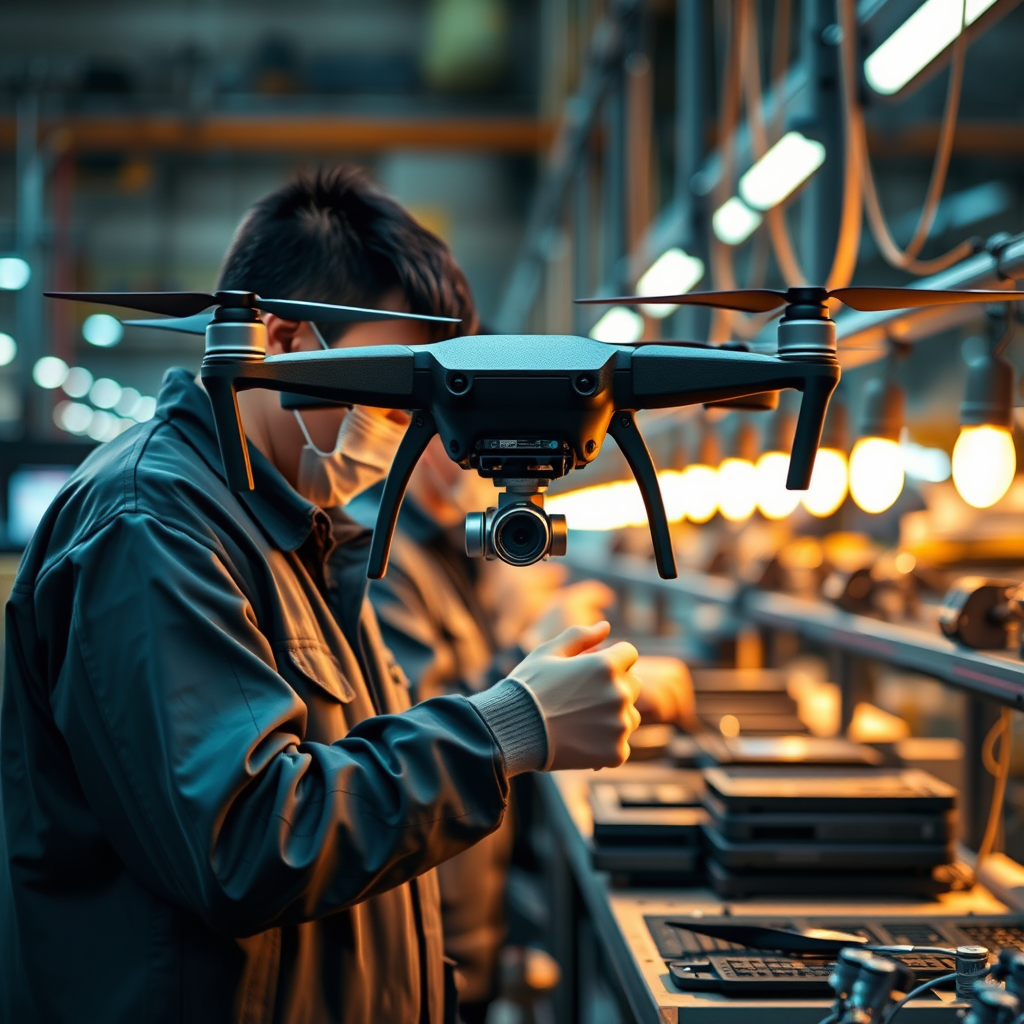
Shenzhen is often referred to as the “Silicon Valley of Hardware” due to its dense concentration of technology companies and manufacturing capabilities. The city is a magnet for tech talent and resources, making it an ideal location for companies like DJI that rely on cutting-edge technology and rapid development cycles. The proximity to suppliers fosters an environment of collaboration and innovation, enabling DJI to iterate on its designs quickly and efficiently.
Moreover, Shenzhen’s infrastructure supports advanced manufacturing techniques, including automation and robotics, which further enhance production efficiency. For instance, the use of automated assembly lines allows DJI to scale its production while minimizing human error, resulting in a more consistent product quality. Additionally, the city’s tech ecosystem encourages a culture of experimentation, where new ideas can be tested and brought to market swiftly, a vital advantage in the competitive drone industry.
DJI’s Commitment to Quality Control
DJI implements strict quality control measures throughout its production process, ensuring that each drone meets the high standards expected by consumers and professionals. The company conducts rigorous testing on every drone before it is released to the market, including flight tests, camera performance evaluations, and software assessments. This comprehensive testing regime is designed to identify and rectify any potential issues before the product reaches consumers.
One notable aspect of DJI’s quality control process is its use of advanced data analytics and machine learning techniques to monitor production quality. By analyzing data collected during manufacturing, DJI can identify trends and potential problems, allowing for proactive adjustments to the production process. This continuous improvement approach not only enhances product reliability but also reinforces DJI’s reputation as a leader in the drone market.
Supply Chain Dynamics
Understanding the role of local suppliers in DJI’s supply chain is crucial for grasping how the company operates on a global scale. The relationships DJI has built with these suppliers allow for a flexible and responsive manufacturing process. For example, if a new technology emerges that could enhance drone performance, DJI can quickly source components from local suppliers and integrate them into its products, maintaining a competitive edge.
However, global events can significantly impact manufacturing and logistics. The COVID-19 pandemic, for instance, disrupted supply chains worldwide, affecting the availability of components and raw materials. DJI, like many other manufacturers, had to navigate these challenges by diversifying its supply chain and exploring alternative sourcing strategies. This adaptability is vital for maintaining production levels and ensuring that customer demand is met, even in the face of external disruptions.
Future of DJI Manufacturing
As DJI continues to grow, the company is exploring potential expansions into other regions and considering diversification of its manufacturing processes. This could involve establishing new facilities in countries with favorable production environments, which may help mitigate risks associated with geopolitical tensions and supply chain disruptions. For example, regions in Southeast Asia or Eastern Europe are becoming increasingly attractive for tech manufacturing due to lower labor costs and favorable trade agreements.
Technological advancements also play a significant role in shaping the future of DJI’s manufacturing. Innovations in automation, artificial intelligence, and additive manufacturing (3D printing) are poised to revolutionize the production landscape. By integrating these technologies, DJI can enhance its production capabilities, reduce costs, and improve product customization options. This could lead to a new era of drone manufacturing that is more efficient and responsive to consumer needs.
The Impact of Manufacturing on Pricing
The location of manufacturing significantly affects the pricing of DJI drones. By producing in Shenzhen, DJI benefits from lower labor and material costs compared to some Western countries, allowing it to offer competitive prices for its high-quality products. Additionally, the efficient supply chain dynamics in Shenzhen enable DJI to minimize logistical costs, which can also be reflected in the pricing strategy.
When compared to competitors, DJI’s manufacturing strategy provides it with a distinct advantage. Companies that rely on higher-cost manufacturing locations may struggle to compete on price, especially in a market where consumers are increasingly price-sensitive. DJI’s ability to maintain high-quality standards while keeping production costs manageable has solidified its position as a market leader in the drone industry.
In conclusion, the manufacturing of DJI drones primarily takes place in Shenzhen, China, a dynamic environment that supports innovation and efficiency. By leveraging local suppliers, implementing rigorous quality control measures, and adapting to global supply chain challenges, DJI has established itself as a leader in the drone market. As the company looks to the future, its commitment to quality, technological advancements, and strategic expansions will continue to shape its manufacturing landscape and pricing strategies. Understanding these factors provides valuable insights for consumers and industry stakeholders alike, enhancing appreciation for the craftsmanship behind DJI’s innovative products.
Frequently Asked Questions
Where are DJI drones manufactured?
DJI drones are primarily manufactured in China, with their main production facilities located in Shenzhen, which is often referred to as the tech capital of the country. The company has invested heavily in advanced manufacturing processes and state-of-the-art technology to ensure high-quality products. While some components may be sourced globally, the final assembly and production processes predominantly occur in these facilities.
Why does DJI manufacture its drones in China?
DJI manufactures its drones in China for several reasons, including cost efficiency, access to a skilled workforce, and proximity to various suppliers of electronic components. China has a well-established infrastructure for tech manufacturing, which allows DJI to streamline its production processes and reduce shipping times. Additionally, being close to suppliers enables quicker adaptation to changes in technology and materials.
What quality control measures does DJI implement in its manufacturing process?
DJI employs rigorous quality control measures throughout its manufacturing process to ensure the reliability and performance of its drones. This includes multiple stages of testing for hardware and software, adherence to international safety standards, and the use of automated inspection systems. These quality assurance protocols help minimize defects and ensure that every drone meets the high standards expected by both consumers and regulatory bodies.
Which DJI drone models are most popular and where are they manufactured?
Some of the most popular DJI drone models include the DJI Mavic series, DJI Phantom series, and DJI Air series. All of these models are manufactured in DJI’s facilities in Shenzhen, China. The popularity of these drones is attributed to their advanced features, ease of use, and high-quality camera systems, making them favored choices for both hobbyists and professionals in aerial photography and videography.
How does the manufacturing location of DJI drones impact their availability and pricing?
The manufacturing location of DJI drones in China significantly impacts their availability and pricing due to lower labor costs and efficient production capabilities. This allows DJI to offer competitive pricing on their products while maintaining high quality. However, international shipping and tariffs can affect the final retail price in various markets, and regional availability may vary based on local regulations and distribution channels.
References
- DJI
- https://www.bbc.com/news/technology-45275634
- https://www.reuters.com/technology/dji-drone-maker-says-it-is-fully-committed-its-chinese-roots-2020-12-31/
- https://www.theguardian.com/technology/2021/jul/01/dji-drone-china-us-manufacturing
- https://www.nytimes.com/2020/07/01/technology/dji-drone-china.html
