
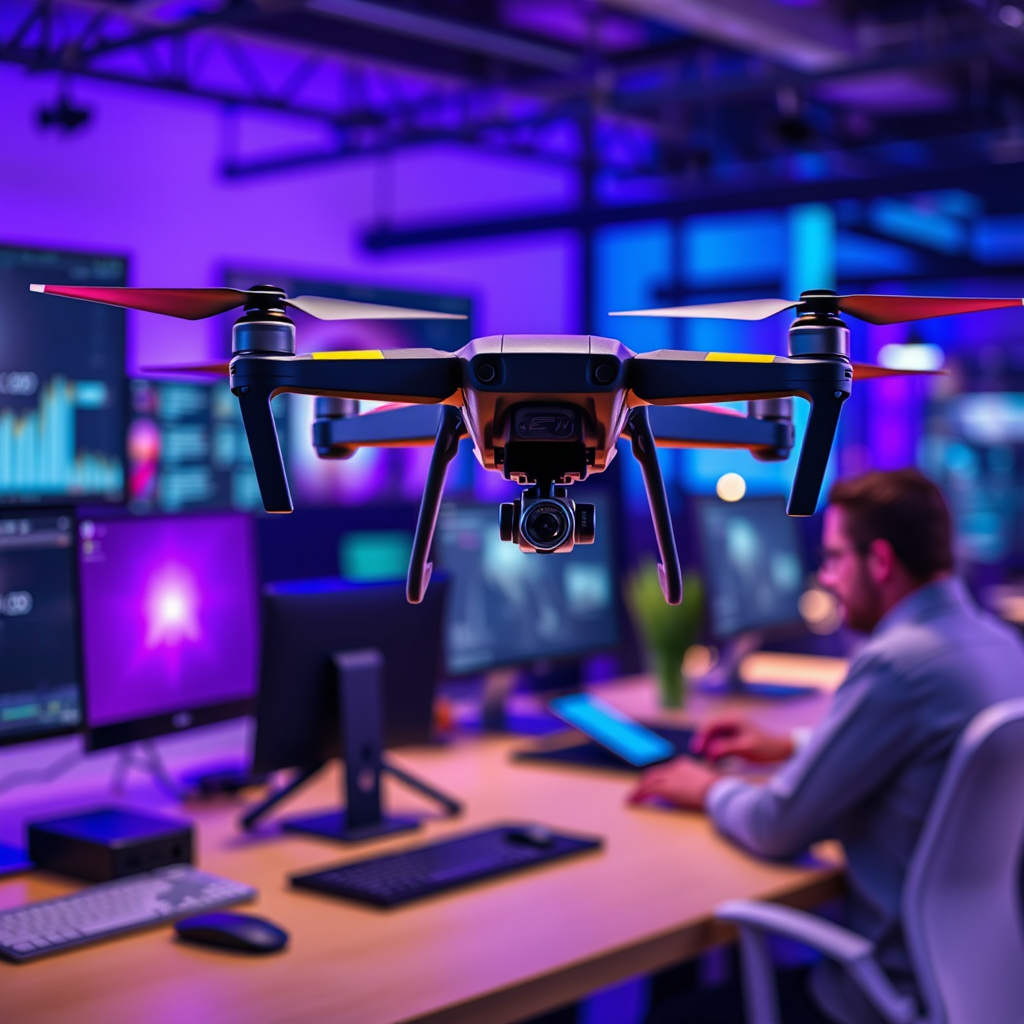
The ownership of DJI drones primarily belongs to DJI Technology Co., Ltd., a Chinese company founded in 2006 by Frank Wang. As a global leader in drone manufacturing, DJI has revolutionized the drone industry with its innovative technology and widespread consumer adoption. This blog post will provide a comprehensive overview of DJI’s ownership structure, key stakeholders, and the implications of its market position, offering valuable insights for consumers, investors, and industry observers.
Understanding DJI Technology Co., Ltd.
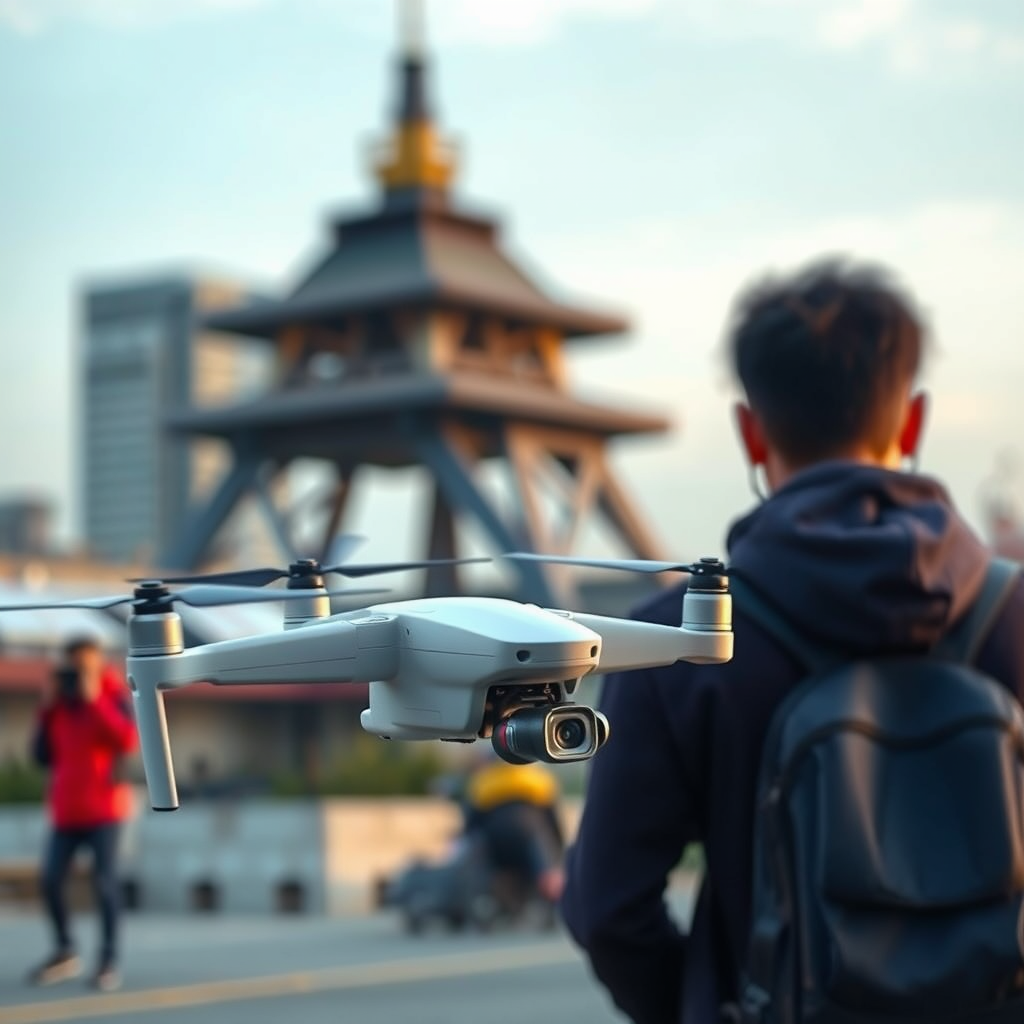
DJI Technology Co., Ltd. was established in 2006 and is headquartered in Shenzhen, China, often referred to as the “Silicon Valley of hardware.” The company specializes in the production of unmanned aerial vehicles (UAVs) designed for various applications, including aerial photography, filmmaking, surveying, and recreational use. DJI’s drones, such as the Phantom series, Mavic series, and Inspire series, have become synonymous with high-quality imaging and user-friendly interfaces. The company’s commitment to innovation has led to the development of cutting-edge technologies, including obstacle avoidance systems, intelligent flight modes, and advanced stabilization features that enhance the user experience.
DJI’s success can be attributed to its focus on research and development, which has allowed it to stay ahead of competitors. By investing heavily in technology, DJI has managed to create a range of products that appeal to both amateur and professional users, establishing its brand as a benchmark in the drone industry.
Ownership Structure of DJI
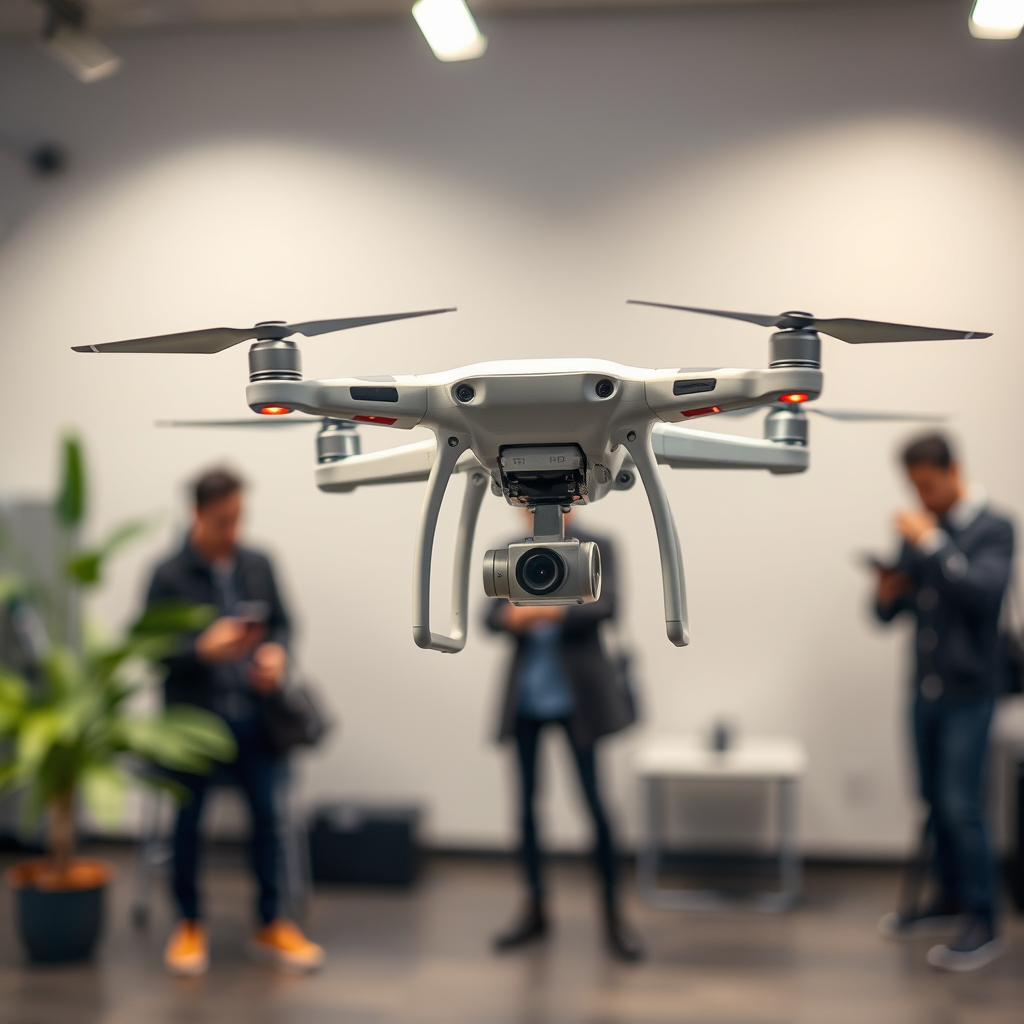
DJI is a privately held company, which significantly shapes its ownership structure. The majority of shares are owned by its founder, Frank Wang, who has been instrumental in driving the company’s vision and strategic direction. Unlike publicly traded companies, DJI is not obligated to disclose detailed financial information or its full ownership structure, leading to a degree of opacity in its operations.
In addition to Frank Wang, DJI has attracted investments from several prominent venture capital firms, including Sequoia Capital and Accel Partners. These investments have provided DJI with the necessary capital to expand its operations, enhance its product offerings, and enter new markets. The backing from such esteemed investors not only validates DJI’s business model but also facilitates access to additional resources and networks that can drive growth.
Key Stakeholders in DJI
Frank Wang, as the founder and CEO, remains the most influential figure within DJI. His vision for the company has been crucial in establishing DJI as a leader in the drone market. Wang’s background in engineering and his passion for technology allow him to make informed decisions that align with the company’s innovative ethos.
Beyond Wang, other key executives play vital roles in shaping DJI’s strategy and operations. The leadership team includes experts in various domains, including engineering, marketing, and global business development. Their combined expertise helps DJI navigate complex market dynamics and respond to consumer needs effectively.
Investors also play a role in influencing DJI’s strategic decisions. While the company retains a significant degree of control due to its private ownership, input from major stakeholders can lead to shifts in company priorities, especially concerning market expansion and product development.
DJI’s Market Position
DJI dominates the consumer drone market, boasting over 70% market share as of late 2023. This commanding position is a result of its focus on quality, innovation, and consumer engagement. The company continually releases new models, each featuring enhancements that set industry standards for performance, ease of use, and reliability.
For instance, the Mavic Air 2 has been widely praised for its compact design and advanced features, such as 4K video capability and intelligent shooting modes. These innovations not only attract hobbyists but also professionals in fields like cinematography, agriculture, and construction, further solidifying DJI’s market leadership.
Moreover, DJI has established a robust ecosystem around its products, including software solutions like DJI Fly and various accessories, enhancing the overall user experience. This comprehensive approach to product development and customer engagement has made DJI a trusted name, creating a loyal customer base that continuously seeks the latest advancements.
Regulatory and International Considerations
As a global company, DJI faces scrutiny from various countries regarding data security and privacy concerns. Governments have raised questions about the potential for data collection and surveillance through DJI products, leading to increased regulatory oversight in regions like the United States, Europe, and India. For example, the U.S. government has expressed concerns over the potential ties between DJI and the Chinese government, prompting calls for stricter regulations on drone imports and usage.
These regulatory challenges can impact DJI’s market expansion strategies and necessitate adjustments in how the company operates internationally. Compliance with different countries’ regulations requires ongoing investment in legal and compliance frameworks, which can be both a challenge and an opportunity for growth.
Additionally, DJI must remain agile in navigating international trade policies that affect its supply chain and manufacturing capabilities. The company’s ability to adapt to these regulatory landscapes is crucial for maintaining its market position and ensuring long-term sustainability.
Future of DJI Ownership
As the drone market evolves, the future of DJI’s ownership could see significant changes. There is speculation about potential public offerings or mergers that could reshape the company’s ownership landscape. A public offering could provide DJI with substantial capital to further its research and development efforts, expand its product lines, and enhance its global presence.
Moreover, emerging trends in drone technology, such as urban air mobility and autonomous systems, present new avenues for growth. Keeping an eye on these trends will be crucial for understanding DJI’s future position in the market. The company’s ability to innovate and adapt to consumer demands will determine whether it maintains its leadership or faces increased competition from new entrants.
Investors and consumers alike should monitor DJI’s strategic decisions closely, as these will provide insights into how the company plans to navigate the evolving landscape of the drone industry.
DJI’s ownership is firmly in the hands of its founder and key stakeholders who have driven its success in the drone industry. By understanding the company’s structure and market influence, consumers and investors can make informed decisions regarding DJI products. If you’re interested in the latest DJI drones or want to learn more about their technology, explore our in-depth reviews and guides.
Frequently Asked Questions
Who is the owner of DJI drones?
DJI drones are owned by DJI Technology Co., Ltd., a Chinese technology company headquartered in Shenzhen, Guangdong. Founded in 2006 by Frank Wang, DJI has become a global leader in drone manufacturing, specializing in aerial photography and videography products. The company is known for its innovation in drone technology, making it a popular choice for both hobbyists and professionals.
How can I find out if a DJI drone is still under warranty?
To check if your DJI drone is still under warranty, you can visit the official DJI website and log into your account. Navigate to the “Service” section where you can enter your drone’s serial number to view warranty status and service history. You can also contact DJI customer support for assistance regarding warranty inquiries and any applicable terms and conditions.
Why did DJI drones become so popular?
DJI drones gained immense popularity due to their advanced technology, user-friendly interfaces, and high-quality camera capabilities that cater to various needs, from recreational flying to professional filmmaking. The company’s commitment to innovation, such as the development of intelligent flight modes and obstacle avoidance systems, has also contributed to their widespread adoption in both consumer and commercial markets.
What are the best DJI drones for beginners?
For beginners, the DJI Mini SE and DJI Mini 2 are highly recommended due to their compact size, ease of use, and excellent camera quality. Both models feature intuitive controls, lightweight designs, and impressive flight times, making them ideal for new users. Additionally, they offer safety features like GPS and altitude hold, making it easier for novice pilots to learn and enjoy flying without overwhelming complexity.
Which DJI drone models are known for their superior camera quality?
The DJI Mavic 3 and the DJI Air 2S are renowned for their superior camera quality in the DJI lineup. The Mavic 3 features a dual-camera system with a Hasselblad sensor capable of capturing 20MP stills and 5.1K video, while the Air 2S boasts a 1-inch sensor that allows for stunning 20MP photos and 4K video at 60fps. Both models are designed for professional photographers and videographers who require exceptional image quality and advanced filming capabilities.
References
- DJI
- https://www.bbc.com/news/technology-53427099
- https://www.reuters.com/article/us-dji-explainer-idUSKBN2A50QE
- https://www.nytimes.com/2020/07/07/business/dji-drone-china.html
- https://www.forbes.com/sites/forbestechcouncil/2021/01/06/understanding-the-drone-ownership-landscape/
- https://www.theguardian.com/technology/2021/jun/25/dji-drone-china-security-concerns
- https://www.techcrunch.com/2020/12/25/dji-drone-cameras/
