
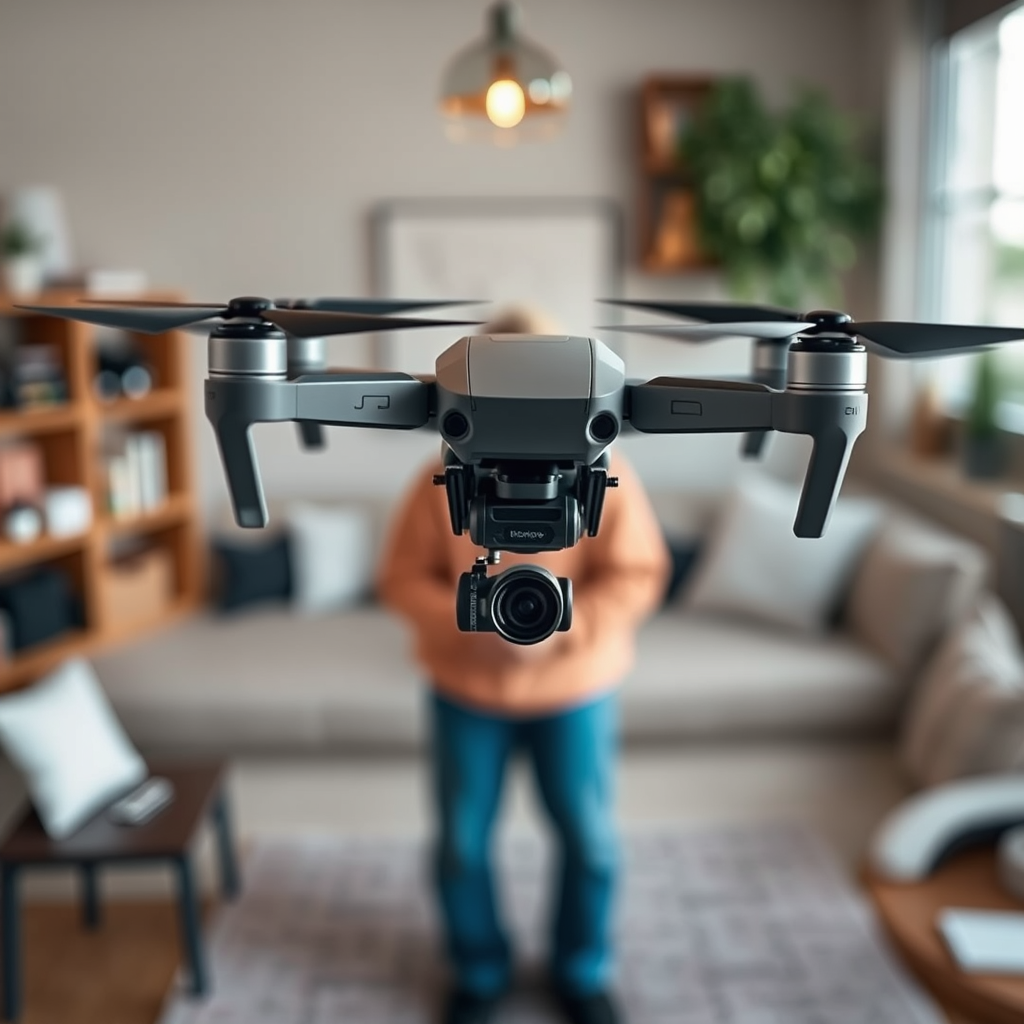
DJI drones are the top choice for both hobbyists and professionals due to their remarkable quality, cutting-edge technology, and user-friendly features. This article will delve into the various reasons that make DJI drones a standout option, exploring their innovative technology, versatility, ease of use, safety measures, cost-effectiveness, real-world applications, and the thriving community that surrounds them.
The Innovative Technology Behind DJI Drones
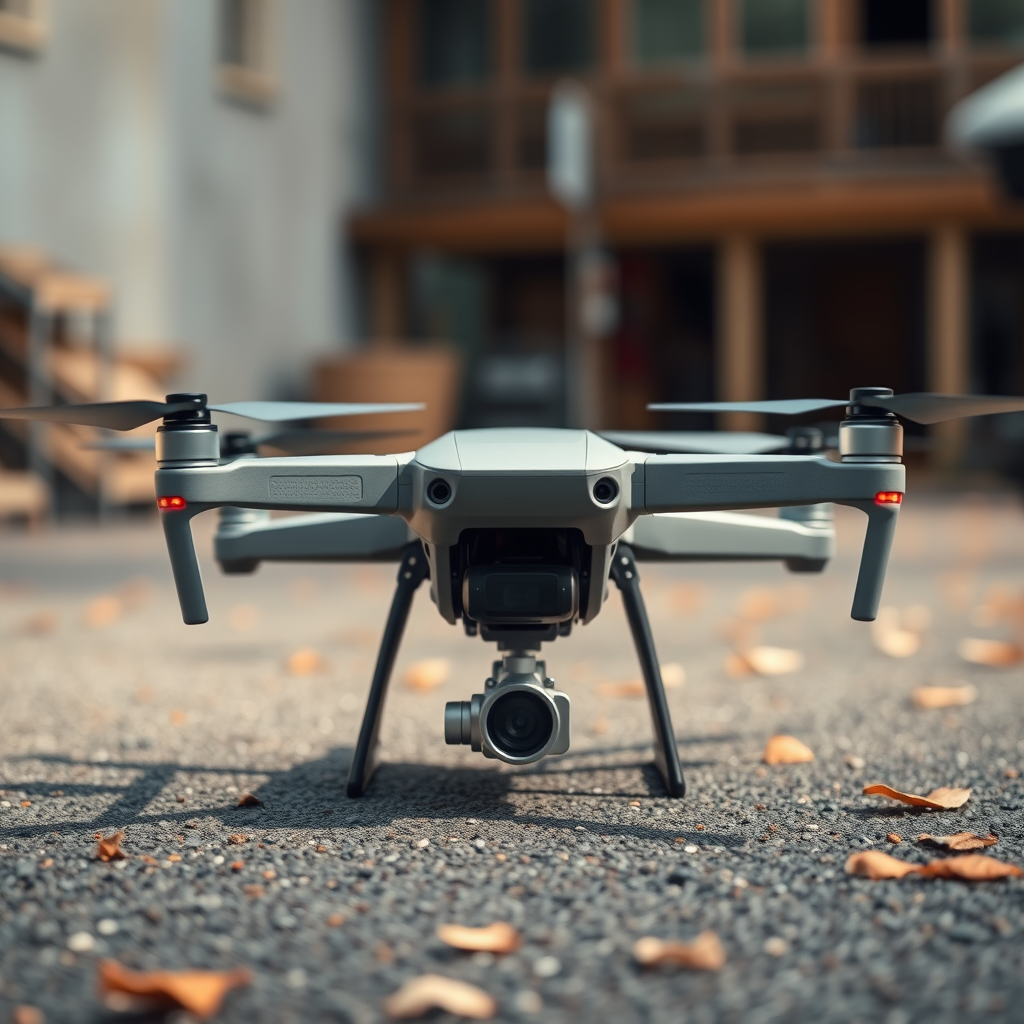
DJI has consistently pushed the boundaries of drone technology, equipping their models with advanced stabilization systems that ensure smooth flight even in challenging conditions. For instance, the DJI Mavic 3 features a sophisticated three-axis gimbal stabilization that allows for incredibly steady shots. This technology minimizes camera shake, providing filmmakers and photographers with high-quality visuals that are both professional and captivating.
In addition to stabilization, DJI drones are known for their high-quality camera capabilities. The cameras on many DJI models, such as the Phantom 4 Pro, are equipped with a 20-megapixel sensor and can shoot 4K video at 60 frames per second. This level of detail and clarity is essential for creating stunning visuals, whether for personal projects or commercial use. The integration of advanced imaging technology positions DJI drones as leaders in the aerial photography and videography market.
Versatility Across Different Models
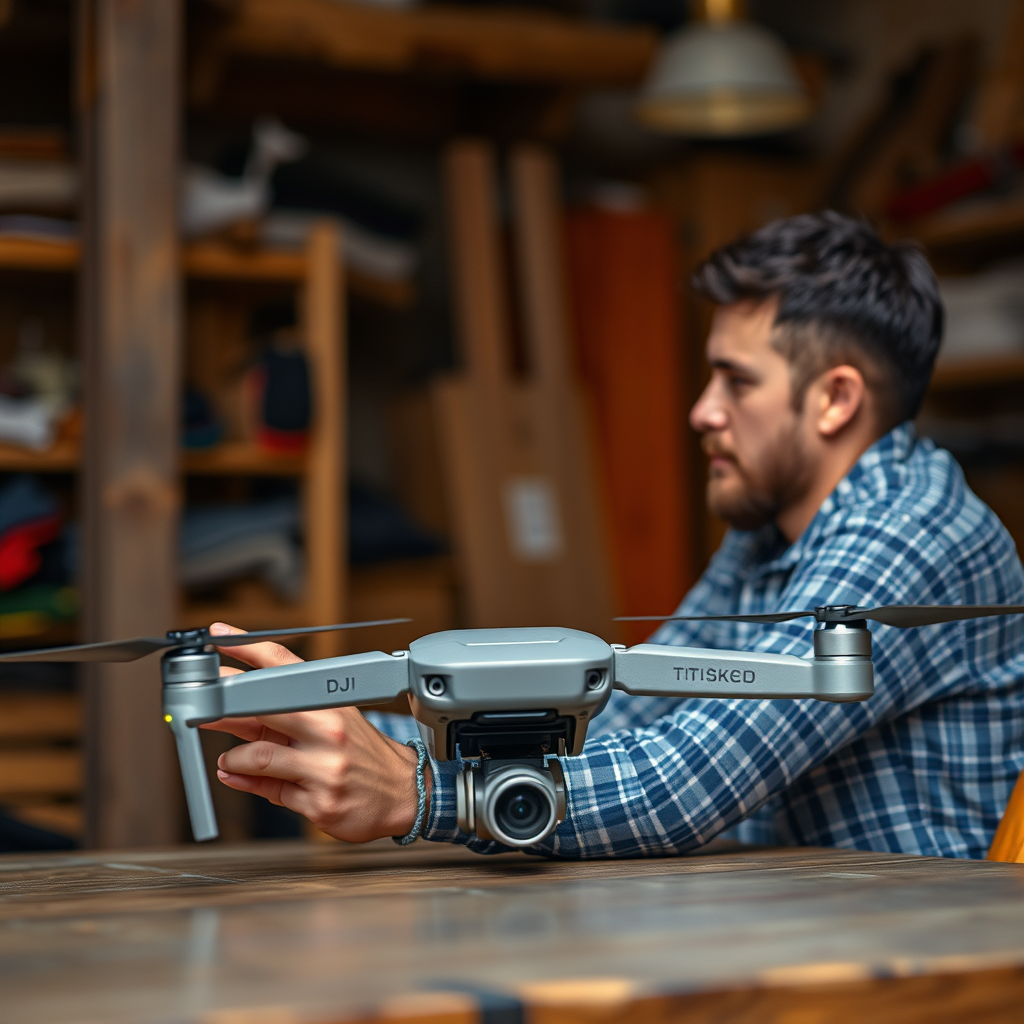
One of the key strengths of DJI is the broad range of models they offer, each tailored to meet different needs and preferences. The Mavic series, for example, is designed for portability and ease of use, making it ideal for travel and recreational users. In contrast, the Phantom series caters to professionals seeking robust features and superior image quality.
Moreover, DJI drones are designed with compatibility in mind. Users can easily upgrade their drones with various accessories, such as additional batteries, filters, and gimbals, enhancing the functionality of their equipment. This versatility ensures that users can select a model that best suits their needs while having the option to adapt as their skills and requirements evolve.
User-Friendly Features for All Skill Levels
DJI has made significant strides in ensuring that their drones are accessible to users of all skill levels. The intuitive app interface, available on both iOS and Android devices, allows for easy control and navigation of the drone. The DJI Fly app, for instance, offers a streamlined experience where users can quickly access flight modes, camera settings, and flight logs.
For beginners, DJI drones come equipped with automated flight modes such as QuickShots and ActiveTrack, which enable users to capture professional-looking shots with minimal effort. These features allow novice users to focus on creativity rather than the complexities of manual flying, while still producing high-quality content that rivals more experienced pilots.
Safety Measures and Reliability
Safety is paramount in the design of DJI drones, which is evident in their built-in obstacle sensors and advanced safety features. Many DJI models are equipped with Forward and Downward Vision Sensors that help detect obstacles in the drone’s flight path, allowing for safer navigation and reducing the risk of crashes.
Additionally, DJI offers robust customer support and an extensive online community that provides resources for troubleshooting and learning. The DJI Forum and various social media groups enable users to share experiences, tips, and best practices, fostering a sense of community among enthusiasts. This support network further enhances the reliability of DJI products, ensuring users can resolve issues promptly and efficiently.
Cost-Effectiveness Compared to Competitors
When evaluating the cost-effectiveness of DJI drones, it’s essential to consider the competitive pricing in relation to the features offered. DJI drones provide high-end specifications, including advanced imaging technology and robust build quality, at prices that often undercut competitors in the market.
Moreover, the durability of DJI drones contributes to their long-term value. Many users find that their DJI drones can withstand wear and tear better than those from other manufacturers, resulting in fewer repairs and replacements over time. This longevity, combined with excellent customer service, translates to reduced long-term costs for users, making DJI a smart investment in the realm of aerial technology.
Real-World Applications of DJI Drones
The versatility of DJI drones extends beyond recreational use, finding applications in various professional fields. In filmmaking, drones like the Inspire 2 are used for capturing breathtaking aerial shots that add depth and perspective to storytelling. Real estate agents utilize DJI drones to create stunning property videos and aerial images, providing potential buyers with a comprehensive view of listings.
Additionally, DJI drones are increasingly popular in sectors such as agriculture, where they are utilized for crop monitoring, surveying land, and optimizing resources. Emergency response teams also leverage DJI drones for search and rescue operations, assessing disaster areas, and delivering critical supplies. The adaptability of DJI drones to different industries showcases their value and relevance in today’s technology-driven world.
The Community and Ecosystem Surrounding DJI
An often-overlooked aspect of DJI’s appeal is the vibrant community and ecosystem that surrounds their products. Numerous online forums and user groups exist where enthusiasts share tips, experiences, and tutorials, fostering a collaborative environment for learning and growth. This sense of community is invaluable for both beginners and seasoned pilots seeking to enhance their skills and knowledge.
Moreover, the marketplace for DJI accessories is vast, with an array of third-party manufacturers offering enhancements such as battery packs, carrying cases, and specialized lenses. This ecosystem ensures that DJI users have access to a wealth of resources and tools to maximize their flying experience and creative potential.
Throughout this article, we have examined the compelling reasons that make DJI drones an excellent investment for anyone interested in aerial technology. From innovative technology and versatile models to user-friendly features and robust community support, DJI stands out as a premier choice in the drone market. Whether you’re a hobbyist looking to explore the skies or a professional aiming to enhance your projects, consider exploring the DJI lineup further to find the perfect model for your needs.
Frequently Asked Questions
What are the benefits of using a case for DJI drones?
Using a case for your DJI drone provides essential protection against impacts, dust, and moisture, ensuring your equipment remains in peak condition. A good case also facilitates organized storage for accessories, such as batteries and propellers, making it easier to transport your gear safely. Additionally, a dedicated drone case can help you comply with travel regulations, particularly for air travel, by keeping your drone secure and easily accessible.
How do I choose the right case for my DJI drone?
When selecting a case for your DJI drone, consider the model of your drone, the level of protection you need, and how you plan to use the case. Look for features like padded compartments, waterproof materials, and portability options like wheels or handles. Additionally, read reviews and check if the case has adequate space for accessories, such as remote controllers and extra batteries, to ensure everything fits comfortably.
Why is it important to have a hard case for my DJI drone?
A hard case is crucial for safeguarding your DJI drone during transport and storage, especially if you frequently travel or hike to remote locations. Unlike soft cases, hard cases offer superior protection against drops, crushes, and environmental factors, preventing potential damage to sensitive components like cameras and gimbals. Investing in a hard case can prolong the lifespan of your drone and ultimately save you money on repairs or replacements.
Which DJI drone models require specific cases?
Different DJI drone models, such as the DJI Mini, Mavic, and Phantom series, each have cases specifically designed to fit their dimensions and features. For example, the DJI Mavic Air requires a compact case that accommodates its foldable design, while the Phantom 4 needs a larger case with sufficient space for its fixed arms. Always check the case specifications to ensure compatibility with your specific drone model and its accessories.
What should I look for in terms of warranty and customer support when buying a drone case?
When purchasing a drone case, consider the warranty period and what it covers, as this can provide peace of mind in case of defects or damage. Look for manufacturers that offer responsive customer support and resources, such as installation guides or troubleshooting assistance. A reputable brand will often provide a satisfaction guarantee or easy return policy, ensuring you can confidently choose a case that meets your needs.
References
- DJI
- Getting Started | Federal Aviation Administration
- https://www.nytimes.com/2021/04/16/technology/dji-drone-regulations.html
- https://www.theguardian.com/technology/2020/jun/11/dji-drone-technology-explained
- https://www.sciencedirect.com/science/article/pii/S2352864821001552
- https://www.techcrunch.com/2021/10/15/dji-drone-tech-advancements/
- https://www.nationalgeographic.com/science/article/what-you-need-to-know-about-drones
- https://www.jstor.org/stable/10.5325/jgeosocieduc.21.1.0053
