
The straightforward answer is yes, DJI drones can be legal in India, but they must comply with specific regulations set by the Indian government. The Indian Ministry of Civil Aviation (MoCA) has established a comprehensive framework that governs the use of drones across the country. As a potential drone operator, it is crucial to understand these regulations to ensure compliance and to enjoy the benefits of aerial technology legally and safely. This article will delve into the legal framework governing drone usage in India, the registration process for DJI drones, and the necessary permissions required to fly these devices within the Indian airspace.
Overview of Drone Regulations in India
In India, the regulation of drone operations is primarily overseen by the Ministry of Civil Aviation (MoCA). The regulatory framework is outlined in the Civil Aviation Requirements (CAR) issued by MoCA, which categorizes drones into various classes based on their weight and intended usage. Drones are classified as Nano (less than 250 grams), Micro (250 grams to 2 kg), Small (2 kg to 25 kg), Medium (25 kg to 150 kg), and Large (over 150 kg). Each category has different operational limitations and requirements.
The introduction of the Digital Sky Initiative has further streamlined the process of drone regulation. This initiative aims to create a safe and secure environment for drone operations through the establishment of a digital platform that integrates various aspects of drone management, including registration, permissions, and compliance checks. Understanding these classifications and their associated regulations is essential for any operator to ensure lawful operation of their DJI drones.
Types of DJI Drones and Their Legal Status
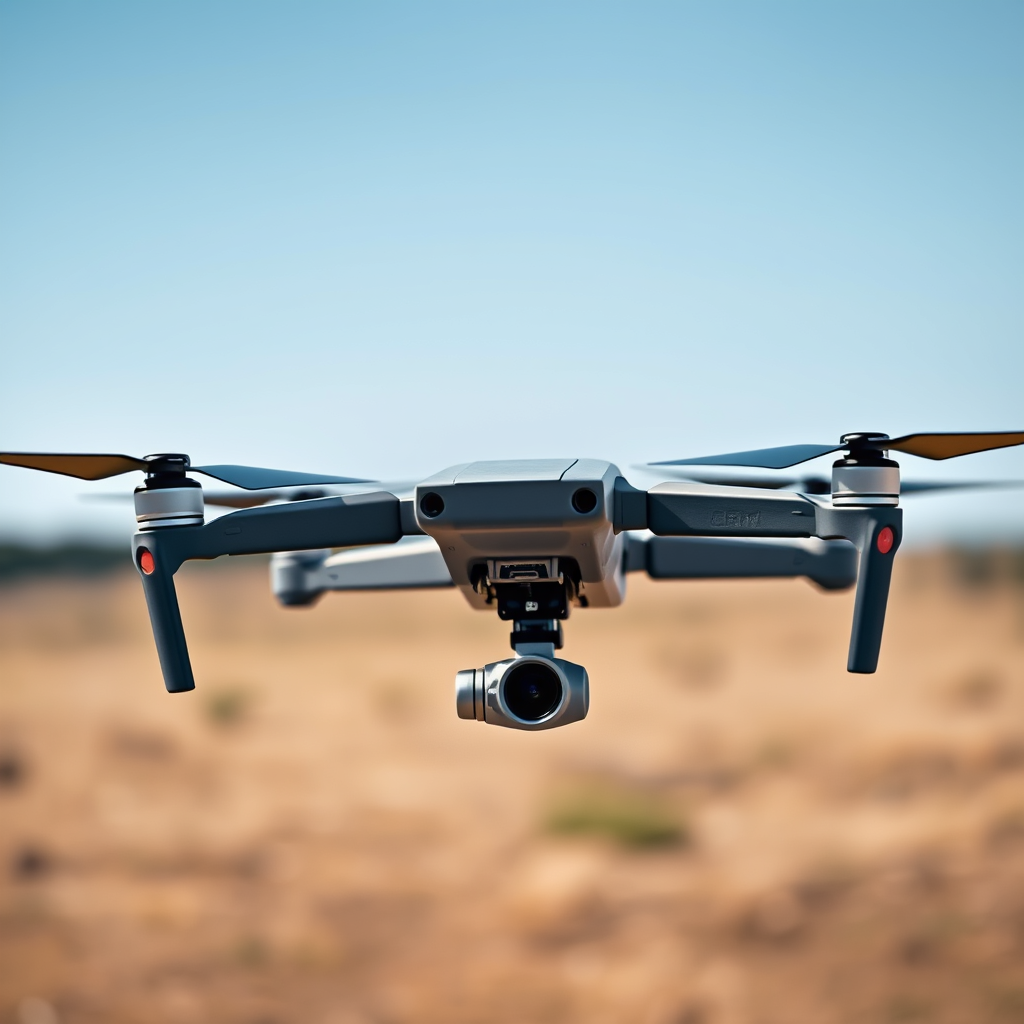
DJI, a global leader in drone manufacturing, offers a wide range of models that cater to both consumer and commercial markets. Popular models include the DJI Mavic Mini, DJI Phantom series, and the DJI Matrice series. Each of these models falls into different weight categories and is subject to specific regulations.
For instance, the DJI Mavic Mini, weighing less than 250 grams, is classified as a Nano drone and enjoys relatively lenient regulations. Operators of this model are not required to obtain a Unmanned Aircraft Operator Permit (UAOP) for recreational use. In contrast, heavier models like the DJI Matrice 600, which is used for professional applications, fall into the Small category and require adherence to stricter guidelines, including obtaining the UAOP for commercial usage. By understanding the classification of their DJI drones, operators can better navigate the compliance landscape.
Registration Requirements for DJI Drones
All drones operating in India, including those manufactured by DJI, must be registered on the Digital Sky Platform. This platform facilitates the registration process and ensures that all drone operators comply with the legal requirements. The registration process involves submitting essential details such as the drone’s specifications, including make, model, and weight, along with the owner’s information.
The registration fee, which varies depending on the drone’s classification, must also be paid. Once registered, operators receive a unique identification number that must be marked on the drone. This identification not only helps in tracking the drone but also serves as proof of legal compliance. Failing to register a drone can lead to significant penalties, including fines and potential legal action.
Necessary Permissions for Flying DJI Drones
For commercial drone operations, obtaining a Unmanned Aircraft Operator Permit (UAOP) is mandatory. The UAOP is issued by the Director General of Civil Aviation (DGCA) and requires operators to submit detailed operational plans, including the purpose of the drone use, safety measures, and risk assessments. The application process can be rigorous, often requiring proof of training and knowledge of drone regulations.
For recreational flyers, while a UAOP is not required for drones weighing less than 2 kg, operators must still adhere to specific guidelines. These include maintaining a maximum altitude of 120 meters (400 feet), ensuring that the drone remains within visual line of sight at all times, and avoiding restricted airspace. By understanding these permissions and guidelines, operators can ensure they are flying legally and safely.
No-Fly Zones and Restricted Areas
In India, certain areas are designated as no-fly zones, and it is imperative for drone operators to be aware of these restrictions. Key no-fly zones include regions surrounding airports, military bases, and areas designated for sensitive installations, such as government buildings or research facilities. Flying a drone in these restricted areas is illegal and can result in severe penalties, including confiscation of the drone and legal action.
Additionally, temporary no-fly zones may be established for events such as public gatherings or emergencies. Operators should always check for the latest updates on no-fly zones through the Digital Sky Platform or relevant governmental announcements to avoid unintentional violations. Familiarizing oneself with these zones is crucial to ensure compliance and uphold public safety.
Compliance with Safety Guidelines
Safety is a paramount concern in drone operations, and operators must adhere to established safety protocols to mitigate risks. Key guidelines include maintaining visual line of sight at all times, avoiding flying over crowds or populated areas, and ensuring that drones are not operated in adverse weather conditions. Operators should also conduct pre-flight checks to ensure that the drone is in good working condition.
Moreover, education and training are vital components of safe drone operations. Operators are encouraged to participate in training programs offered by recognized organizations or the DGCA to gain a thorough understanding of drone handling, safety measures, and regulatory compliance. By following these safety guidelines, operators can reduce the risk of accidents and ensure that drone operations are conducted responsibly.
Consequences of Non-Compliance
Non-compliance with drone regulations in India can lead to serious consequences, including hefty fines and potential legal action. The DGCA has the authority to impose penalties for violations, which can range from warnings to monetary fines depending on the severity of the infraction. In severe cases, operators may face criminal charges, especially if their actions result in harm to individuals or property.
To avoid these repercussions, it is essential for drone operators to stay informed about the latest regulations and best practices. Regularly reviewing updates from the DGCA and participating in community discussions can help operators remain compliant and avoid unintentional violations.
By understanding the legal landscape surrounding DJI drones in India, you can enjoy flying while remaining compliant with local laws. Make sure to register your drone, acquire necessary permissions, and always check for no-fly zones before taking to the skies. Staying informed and adhering to safety guidelines will not only enhance the experience of flying drones but also contribute to the overall safety and security of Indian airspace.
Frequently Asked Questions
Are DJI drones legal to fly in India?
Yes, DJI drones are legal to fly in India, but there are specific regulations and guidelines you must follow. The Indian government has established rules under the Civil Aviation Authority, which requires drone operators to register their drones, obtain a Unique Identification Number (UIN), and follow the operational guidelines set forth in the Digital Sky platform. It’s important to stay updated on these regulations as they can change frequently.
What are the requirements to fly DJI drones legally in India?
To fly DJI drones legally in India, you must adhere to several requirements. First, you need to register your drone on the Digital Sky platform to obtain a Unique Identification Number (UIN). Additionally, you must apply for a Remote Pilot License (RPL) if your drone weighs more than 250 grams. Other regulations include maintaining a maximum altitude of 120 meters, avoiding flying in no-fly zones, and ensuring that you have valid insurance coverage.
How can I register my DJI drone in India?
To register your DJI drone in India, you need to visit the Digital Sky platform and create an account. Once registered, you can provide details about your drone, including its specifications and ownership information. After submitting the necessary documents and paying the registration fee, you will receive a Unique Identification Number (UIN), which is essential for legal flying in the country.
Why is it important to follow drone regulations in India?
Following drone regulations in India is crucial to ensure safety, privacy, and compliance with the law. Non-compliance can lead to penalties, confiscation of your drone, and legal action. Adhering to regulations helps prevent accidents, protects people’s privacy, and promotes responsible drone usage, which is vital for the growth of the drone industry in India.
Which DJI drones are suitable for beginners and compliant with Indian regulations?
For beginners, DJI drones like the DJI Mini SE and DJI Mini 2 are highly recommended as they are lightweight (under 250 grams) and comply with Indian regulations. These drones are user-friendly, equipped with beginner-friendly features such as GPS, automated flight modes, and excellent camera capabilities. Their lightweight nature means they don’t require a Remote Pilot License (RPL), making them a perfect choice for new drone enthusiasts in India.
References
- Welcome! | Ministry of Civil Aviation
- https://www.thehindu.com/news/national/drones-in-india-what-you-need-to-know/article33874606.ece
- https://www.reuters.com/technology/dji-drones-india-legal-status-2021-10-12/
- https://en.wikipedia.org/wiki/Drone_regulation_in_India
- Alliances Will Break Up, Come Together: Kamal Haasan On Tamil Nadu Polls
- https://www.bbc.com/news/world-asia-india-58623337
