
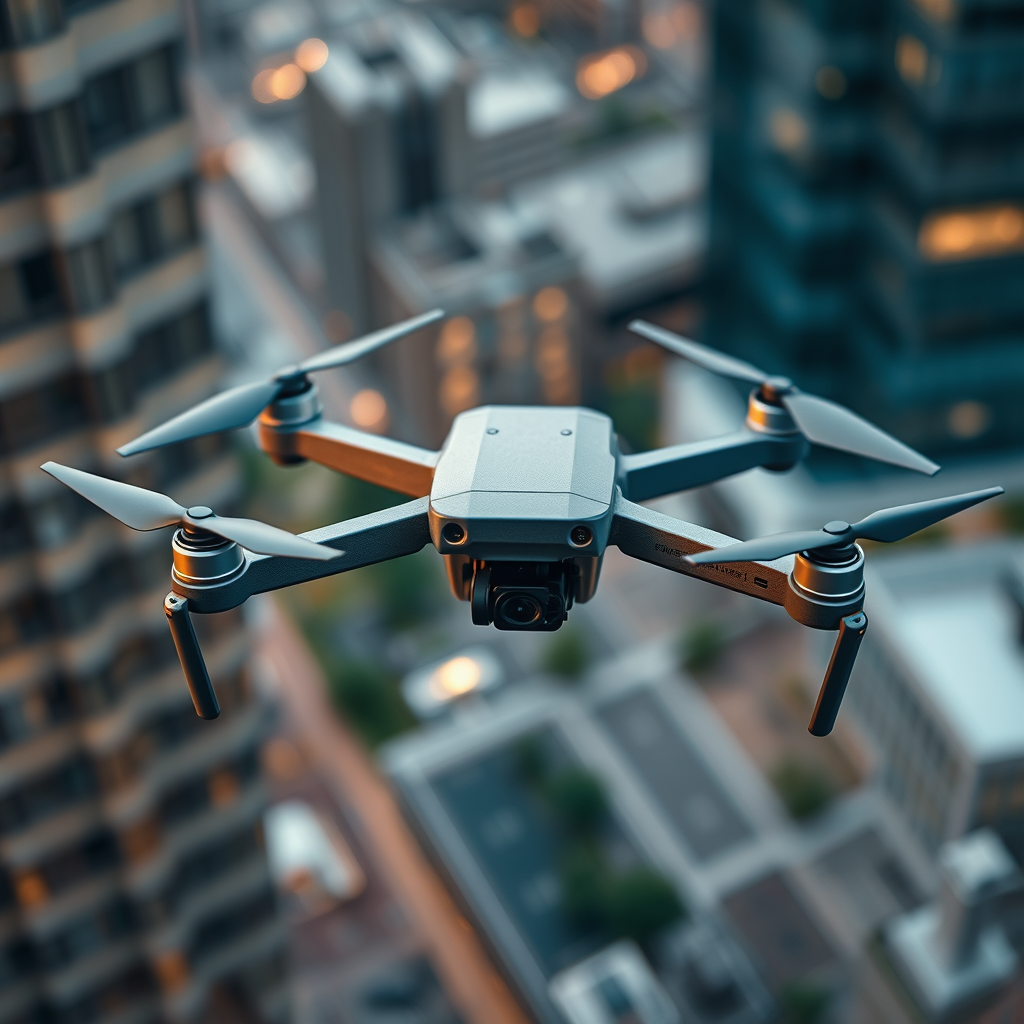
No, DJI drones are not solely for aerial photographers; they are versatile tools that are revolutionizing various industries and applications. While these drones are indeed celebrated for their exceptional photography capabilities, their utility extends far beyond capturing stunning images. From agriculture to environmental monitoring, DJI drones are increasingly becoming indispensable assets in numerous fields, thereby demonstrating their multifaceted potential.
The Versatility of DJI Drones
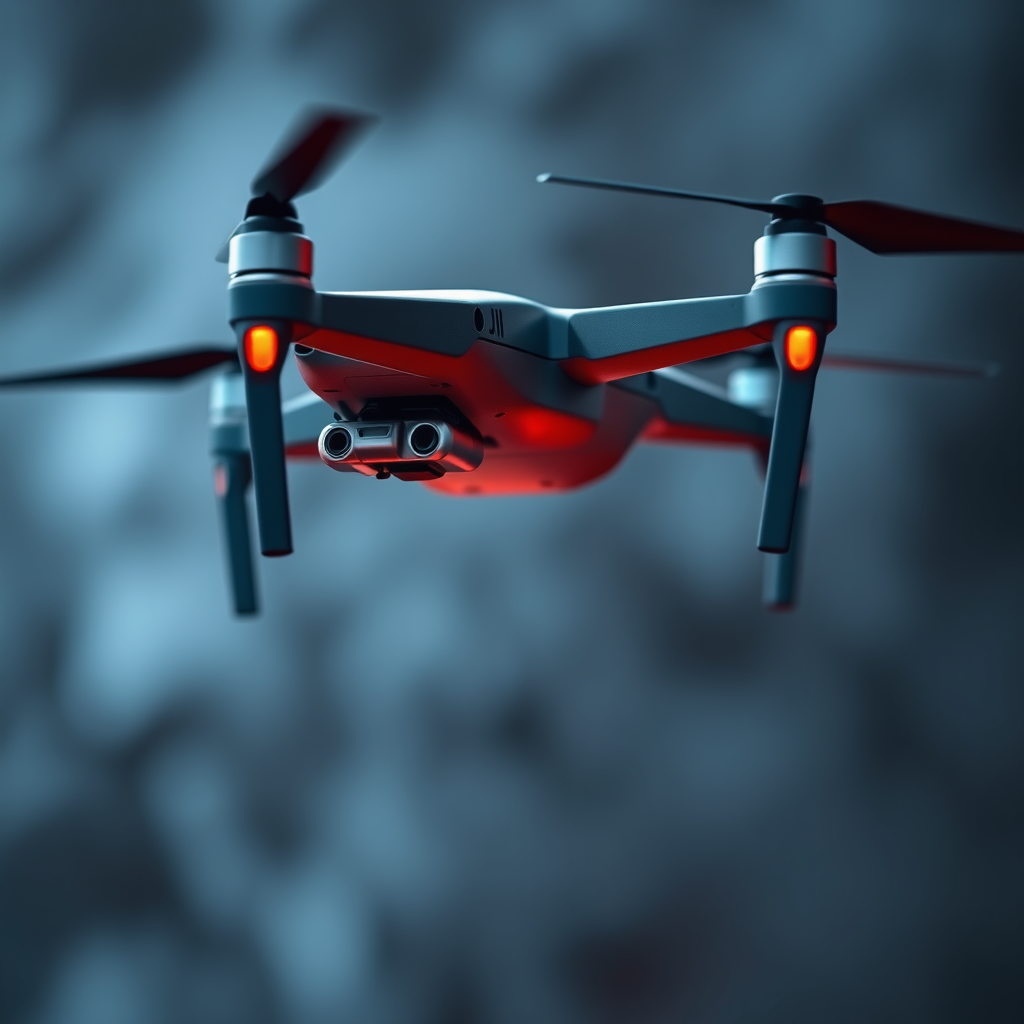
DJI drones are engineered to perform a wide range of tasks, making them invaluable in several sectors. One prominent application is in surveying and mapping. Equipped with advanced imaging technology, DJI drones can gather precise geospatial data that is essential for construction projects, urban planning, and land management. For instance, a drone equipped with LiDAR technology can create highly accurate topographical maps, allowing engineers and planners to visualize terrain changes and make informed decisions before commencing construction.
Additionally, DJI drones excel in inspection tasks. Businesses utilize these drones to conduct aerial assessments of infrastructure such as bridges, power lines, and wind turbines. The ability to capture high-resolution images and videos from unique angles minimizes the need for scaffolding or ladders, significantly reducing costs and enhancing safety. For example, energy companies often deploy DJI drones to inspect power lines, identifying potential issues such as wear and tear before they escalate into costly repairs or outages.
Applications in Agriculture
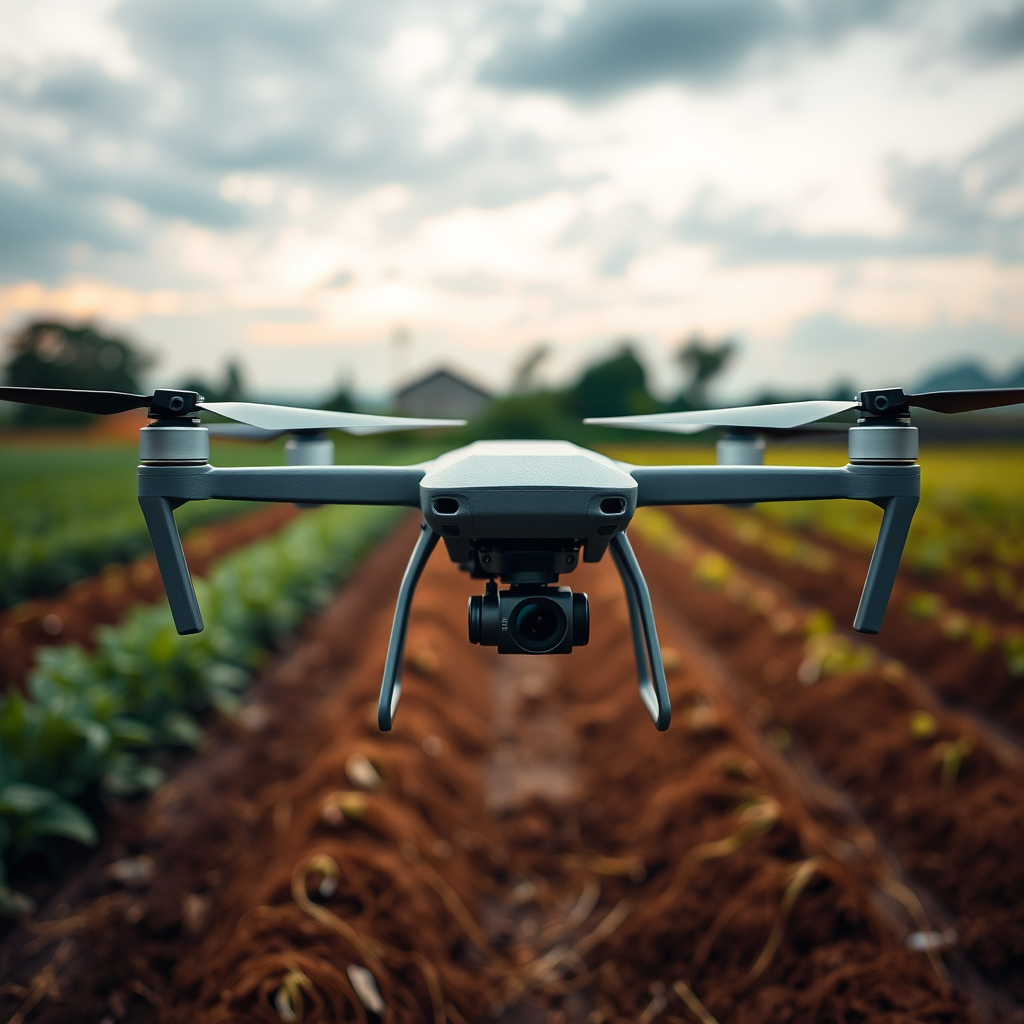
Agriculture has been significantly transformed by the integration of DJI drones, which serve as critical tools for crop monitoring and management. Farmers can use these drones to gather real-time data on plant health, irrigation needs, and soil conditions. Equipped with multispectral cameras, DJI drones can assess the health of crops by analyzing the reflectance of different wavelengths, enabling farmers to identify areas needing attention.
Moreover, precision agriculture benefits greatly from aerial imagery captured by DJI drones. Farmers can utilize this data to make informed decisions regarding resource allocation, such as optimizing fertilizer and pesticide application. By accurately identifying areas that require more or less treatment, farmers can enhance crop yield while minimizing environmental impact and costs. This intelligent approach not only boosts productivity but also supports sustainable farming practices.
Search and Rescue Operations
In emergency situations, DJI drones have proven to be a game-changer in search and rescue operations. Their ability to cover vast areas quickly and efficiently allows rescue teams to locate missing persons more effectively. Aerial views provided by drones can significantly enhance situational awareness, guiding search teams to specific locations that may be challenging to reach by foot.
Additionally, the thermal imaging capabilities of DJI drones are invaluable in low-light conditions. This technology allows emergency responders to detect body heat, making it easier to locate individuals in dense forests or disaster-stricken areas. For instance, during natural disasters like floods or earthquakes, drones can be deployed to assess damage and locate survivors, effectively saving lives and resources.
Environmental Monitoring
DJI drones are also pivotal in environmental monitoring and conservation efforts. Environmental researchers utilize these drones to track wildlife populations and monitor changes in ecosystems, providing critical data that supports conservation strategies. For example, drones equipped with high-resolution cameras can survey large areas of land to monitor animal movements and behaviors, aiding in the understanding of species interactions and habitat requirements.
Furthermore, DJI drones play a crucial role in mapping environmental hazards. They can efficiently identify and document incidents such as oil spills, deforestation, and illegal dumping. By providing real-time data, these drones assist in environmental protection efforts, enabling authorities and organizations to respond promptly to mitigate damage and implement necessary interventions.
Recreational Uses Beyond Photography
While many associate DJI drones with photography, they have also become popular among hobbyists for recreational activities. Drone racing has gained substantial traction, with enthusiasts partaking in competitive events where speed and agility are tested. This exciting aspect of drone technology has spawned a community of racers who engage in friendly competitions and share their experiences online.
Moreover, users enjoy exploring new landscapes from an aerial perspective. Activities such as geocaching, where participants use GPS coordinates to find hidden treasures, have been enhanced by the capabilities of drones. These recreational uses not only highlight the fun aspect of drone technology but also foster a sense of adventure and exploration.
Educational Purposes
DJI drones have found their way into educational institutions, where they are integrated into curriculums to teach students about technology, engineering, and environmental science. Schools and universities are leveraging drone technology to provide hands-on learning experiences that foster critical thinking and problem-solving skills. For example, students studying geography can utilize drones to conduct field surveys, analyze terrain, and create maps, thereby enhancing their understanding of spatial concepts.
Additionally, the use of drones in educational settings encourages students to explore fields like robotics and data analysis. Programs that focus on drone technology not only prepare students for future careers in STEM (Science, Technology, Engineering, and Mathematics) fields but also inspire creativity and innovation.
Regulatory Considerations
As the use of drones expands across various sectors, understanding regulatory considerations becomes paramount for all users, including photographers, farmers, and hobbyists. Compliance with local laws and regulations is essential to ensure safety and mitigate risks associated with drone operations. DJI acknowledges this importance and offers resources to help users navigate the complex landscape of drone regulations effectively.
For instance, DJI provides comprehensive guides on airspace regulations, flight restrictions, and safety protocols. This emphasis on responsible drone ownership empowers users to fly their drones lawfully and ethically, promoting a culture of safety and respect within the drone community.
DJI drones offer a wide array of applications that extend far beyond aerial photography, impacting various industries and enhancing recreational activities. With their versatility, they serve as valuable tools in agriculture, emergency response, education, and more. If you’re interested in exploring the expansive world of DJI drones, consider diving into these diverse applications and discovering how they can benefit you or your business. Whether you are a professional seeking to enhance your operational efficiency or a hobbyist looking for new adventures, DJI drones present a multitude of opportunities waiting to be explored.
Frequently Asked Questions
Are DJI drones only suitable for aerial photography?
No, DJI drones are not exclusively for aerial photography; they offer a wide range of applications that extend beyond capturing stunning visuals. Users can employ DJI drones for purposes such as surveying land, monitoring crops in agriculture, conducting inspections in construction and infrastructure, and even for search and rescue operations. Their versatility makes them valuable tools in various industries, including real estate, filmmaking, and environmental monitoring.
What other uses do DJI drones have besides photography?
Besides photography, DJI drones can be utilized for mapping and surveying, allowing professionals to create detailed 3D models of terrain and structures. They are also used in agriculture for crop monitoring and management, enabling farmers to assess plant health and optimize yields. Moreover, DJI drones serve in public safety roles, such as firefighting and disaster response, providing aerial views that assist in critical decision-making during emergencies.
How can I use a DJI drone for professional applications?
To use a DJI drone for professional applications, start by identifying the specific industry needs—such as real estate marketing, agricultural monitoring, or infrastructure inspection. Ensure you acquire the appropriate drone model that suits your requirements, such as the DJI Matrice series for industrial inspections or the DJI Phantom for mapping. Additionally, familiarize yourself with local regulations, invest in training or certification if necessary, and utilize accompanying software for data analysis and project management.
Why are DJI drones popular among non-photographers?
DJI drones are popular among non-photographers due to their advanced technology, ease of use, and versatility in various applications. Features like obstacle avoidance, GPS stability, and automated flight modes make them accessible for beginners and professionals alike. Moreover, the ability to integrate with other technologies and software allows users to leverage drones for data collection, monitoring, and analysis, catering to a broad audience beyond just aerial photographers.
Which DJI drone is best for non-photographic use?
The best DJI drone for non-photographic use largely depends on your specific application. For agricultural purposes, the DJI Agras series is highly recommended for crop spraying and monitoring. For surveying and mapping, the DJI Phantom 4 RTK offers high precision and is favored for its reliability. If you require a versatile drone for inspections and general tasks, the DJI Mavic 3 Enterprise series provides a compact form factor with robust capabilities, making it ideal for various commercial applications.
References
- Aerial photography
- https://www.npr.org/2021/06/22/1008678593/what-drones-can-do-beyond-aerial-photography
- https://www.faa.gov/uas/media/uas_fact_sheet.pdf
- https://www.sciencedirect.com/science/article/pii/S2210670717300356
- https://www.theguardian.com/technology/2020/jul/24/drones-not-just-for-photographers
- https://www.nasa.gov/feature/nasa-s-drones-helping-in-wildfire-research
- https://www.wired.com/story/drones-beyond-aerial-photography/
- https://www.techrepublic.com/article/how-drones-are-changing-the-way-we-work/
