
Flying DJI drones is still possible, but there are important considerations to keep in mind. Changes in regulations, safety guidelines, and technological updates may affect how and where you can operate your drone. Understanding these factors is crucial for both recreational and professional pilots who wish to continue enjoying this innovative technology. In this article, we will explore the current landscape of flying DJI drones, including key regulations, essential safety tips, legal flight locations, popular models available in 2023, advice for new pilots, technological advancements, and community resources.
Current Regulations for DJI Drones
The regulations governing drone flight can vary significantly across different countries and regions. Many countries have specific laws that may include requirements for registration and pilot certification. For instance, in the United States, the Federal Aviation Administration (FAA) mandates that recreational drone pilots adhere to certain guidelines and must follow the Part 107 rules for commercial use. Under these rules, drone operators must pass a knowledge test and obtain a Remote Pilot Certificate, ensuring they understand airspace classifications, weather, and operational limitations.
In addition to federal regulations, many states and local jurisdictions have enacted their own drone laws. These can include restrictions on flying drones in certain public spaces, educational institutions, or near critical infrastructure. It is essential for drone pilots to remain updated on these regulations, as they can change frequently. For example, new legislation may emerge in response to safety incidents or technological advancements, impacting where and how you can fly your DJI drone.
Safety Guidelines for Flying Drones
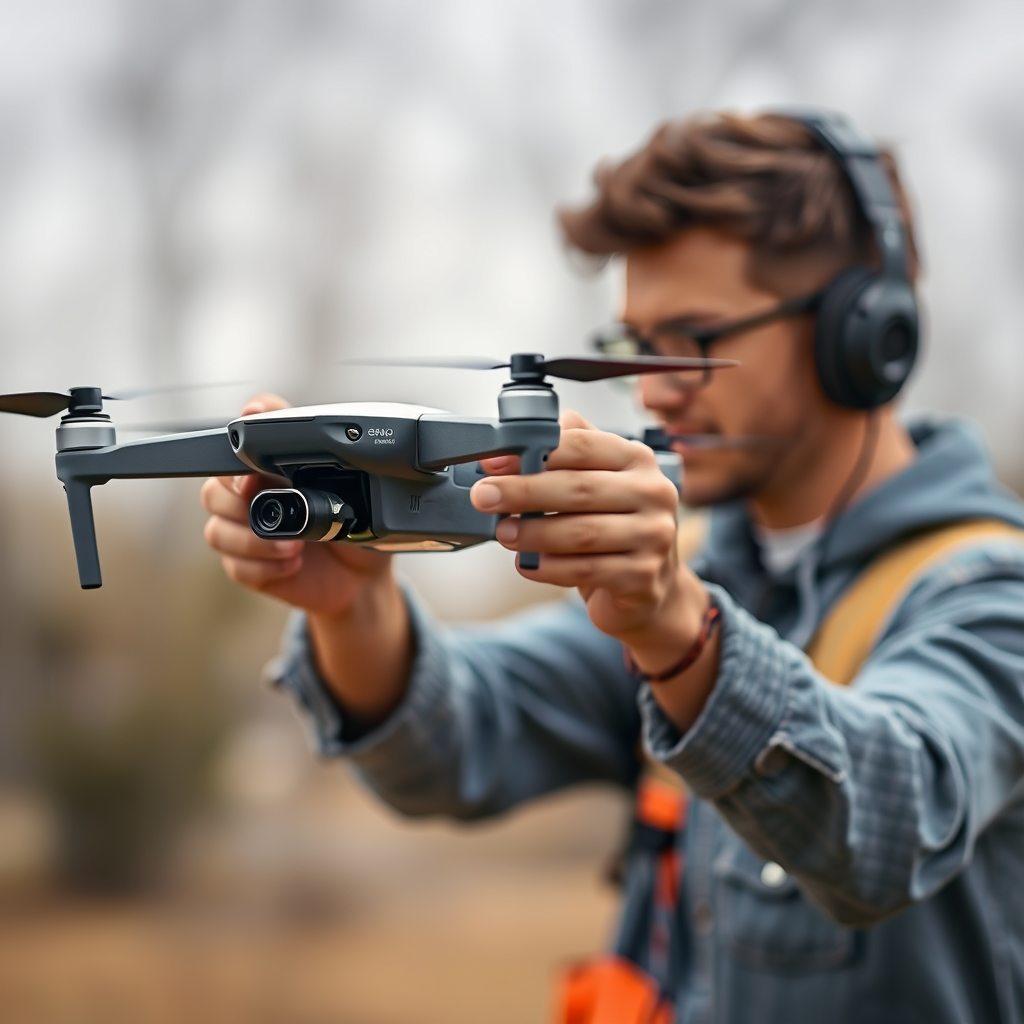
Safety is paramount when operating any drone, particularly in populated areas or near sensitive environments. Before each flight, pilots should conduct a thorough pre-flight check to ensure that their drone is in optimal condition. This includes inspecting the propellers, battery levels, and camera functionality. Pilots should also ensure that the firmware is up to date, as manufacturers often release updates that enhance safety features.
Maintaining a safe distance from people and property is critical to avoid accidents and potential legal repercussions. The FAA recommends that drone operators keep their aircraft within visual line of sight and avoid flying over groups of people, moving vehicles, or densely populated areas. Additionally, understanding and respecting no-fly zones, such as those near airports, military bases, and other critical infrastructure, is essential for safe drone operation.
Where You Can Legally Fly DJI Drones
Identifying where you can legally fly your DJI drone is crucial for compliance with regulations and for ensuring safety. Each country has designated no-fly zones, which often include areas around airports, military installations, and urban centers. In the United States, the FAA provides an interactive map called the B4UFLY app, which helps drone pilots identify restricted airspace and local laws before their flight.
Moreover, national parks and many urban locations have specific restrictions on drone usage. For example, most U.S. national parks prohibit drone flights to protect wildlife and natural landscapes. Pilots should also be aware of local ordinances that may impose additional restrictions. Researching local laws can save pilots from fines or penalties and ensure a more enjoyable flying experience.
Popular DJI Drone Models in 2023
As of 2023, DJI continues to lead the market with a range of innovative drone models suitable for various skill levels and purposes. The DJI Mini 3 Pro stands out for its compact design and advanced features, making it an ideal choice for beginners and hobbyists. This model boasts an impressive camera system capable of capturing stunning 4K video and 48MP stills, along with intelligent shooting modes that simplify the creative process.
For professional drone pilots, the DJI Mavic 3 is a top-tier model that offers exceptional camera quality and flight performance. Equipped with a dual-camera system, including a 4/3 CMOS Hasselblad sensor, the Mavic 3 excels in low-light conditions and provides unparalleled image clarity. Its extended flight time and advanced obstacle sensing make it a reliable choice for capturing high-quality aerial footage in demanding environments.
Tips for New Drone Pilots
For those who are new to drone flying, starting can feel overwhelming. It is advisable to begin practicing in open areas that are free from people and obstacles. This allows pilots to build confidence and improve their flying skills without the added pressure of navigating around others.
Utilizing DJI’s flight simulator applications can also be incredibly beneficial for beginners. These simulators provide a realistic flying experience without the risk of damaging an actual drone. Pilots can practice various maneuvers and learn to manage different flight scenarios in a controlled environment. Additionally, new pilots should familiarize themselves with the drone’s controls and settings before taking to the skies.
Technological Updates Impacting Flight
Technological advancements play a significant role in enhancing the performance and safety of DJI drones. Recent firmware updates often introduce new features or improve existing functionalities, making it crucial for pilots to stay informed about these changes. For example, updates may include enhanced flight modes, improved battery management systems, or advanced safety measures that help prevent collisions.
Furthermore, new accessories, such as higher capacity batteries and advanced camera systems, can significantly improve the flying experience. Pilots can extend their flight time or enhance the quality of their aerial photography and videography by investing in these upgrades. Staying informed about the latest technological trends will help drone pilots maximize the capabilities of their equipment.
Community and Resources for DJI Pilots
Engaging with the drone community can provide valuable insights and support for both novice and experienced pilots. Joining online forums or local clubs can facilitate connections with other drone enthusiasts who share tips, experiences, and advice. These communities often provide a wealth of knowledge that can help pilots navigate challenges and improve their skills.
Additionally, DJI offers a variety of resources, including tutorials and user guides on their website. These resources can assist pilots in understanding their drone’s features and capabilities, as well as best practices for flying and maintenance. Taking advantage of these educational tools can significantly enhance a pilot’s flying experience and ensure compliance with regulations.
Flying DJI drones is still an exciting hobby and profession, but staying informed about regulations, safety practices, and technological advancements is essential. By understanding the current landscape, you can enjoy flying your DJI drone responsibly and effectively. As you engage with the drone community and explore available resources, you will not only improve your skills but also enrich your overall flying experience.
Frequently Asked Questions
Can you still fly DJI drones in 2023?
Yes, you can still fly DJI drones in 2023, but it’s crucial to adhere to local aviation regulations and guidelines. Many countries have specific laws regarding drone usage, including registration requirements, maximum altitude limits, and no-fly zones. Always check the Federal Aviation Administration (FAA) regulations if you’re in the U.S., or your local aviation authority, to ensure compliance before flying.
What are the restrictions for flying DJI drones in crowded areas?
Flying DJI drones in crowded areas is subject to strict regulations to ensure public safety. Most countries require operators to maintain a certain distance from people and populated areas, often around 150 feet or more. Additionally, it’s important to avoid flying over large gatherings, festivals, or events where you could pose a risk to others. Always consult local laws and DJI’s own guidelines to stay compliant.
How can I ensure my DJI drone is safe to fly?
To ensure your DJI drone is safe to fly, conduct a thorough pre-flight check before each use. This includes inspecting the drone for physical damage, checking battery levels, and ensuring all firmware is updated. Additionally, familiarize yourself with the location you plan to fly in, including any potential hazards like trees or power lines, and confirm that your drone’s GPS and sensors are functioning properly.
Why is it important to register my DJI drone?
Registering your DJI drone is important for both legal compliance and accountability. In many countries, including the U.S., the FAA requires drones over a certain weight to be registered to help ensure safety in air traffic management. Registration also provides a way to identify and recover your drone if it gets lost or crashes, making it a crucial step for responsible drone operation.
What is the best DJI drone for beginners wanting to learn how to fly?
The best DJI drone for beginners is often the DJI Mini SE or the DJI Mini 2. These models are user-friendly, lightweight, and have a range of features that make them ideal for novice pilots. With easy-to-use controls, stable flight performance, and built-in safety features, they offer a great balance of quality and accessibility, allowing beginners to gain confidence while learning to fly safely.
References
- Remote Identification of Drones | Federal Aviation Administration
- https://www.nytimes.com/2021/04/30/business/drones-faa.html
- https://www.bbc.com/news/technology-57306655
- https://www.nationalgeographic.com/science/article/what-you-need-to-know-about-drones
- https://www.reuters.com/technology/drone-flying-rules-2021-09-16/
- https://www.wired.com/story/new-faa-drone-rules-implications/
- https://www.dronepilotgroundschool.com/drone-faa-regulations/
- https://www.ncbi.nlm.nih.gov/pmc/articles/PMC7220662/
