
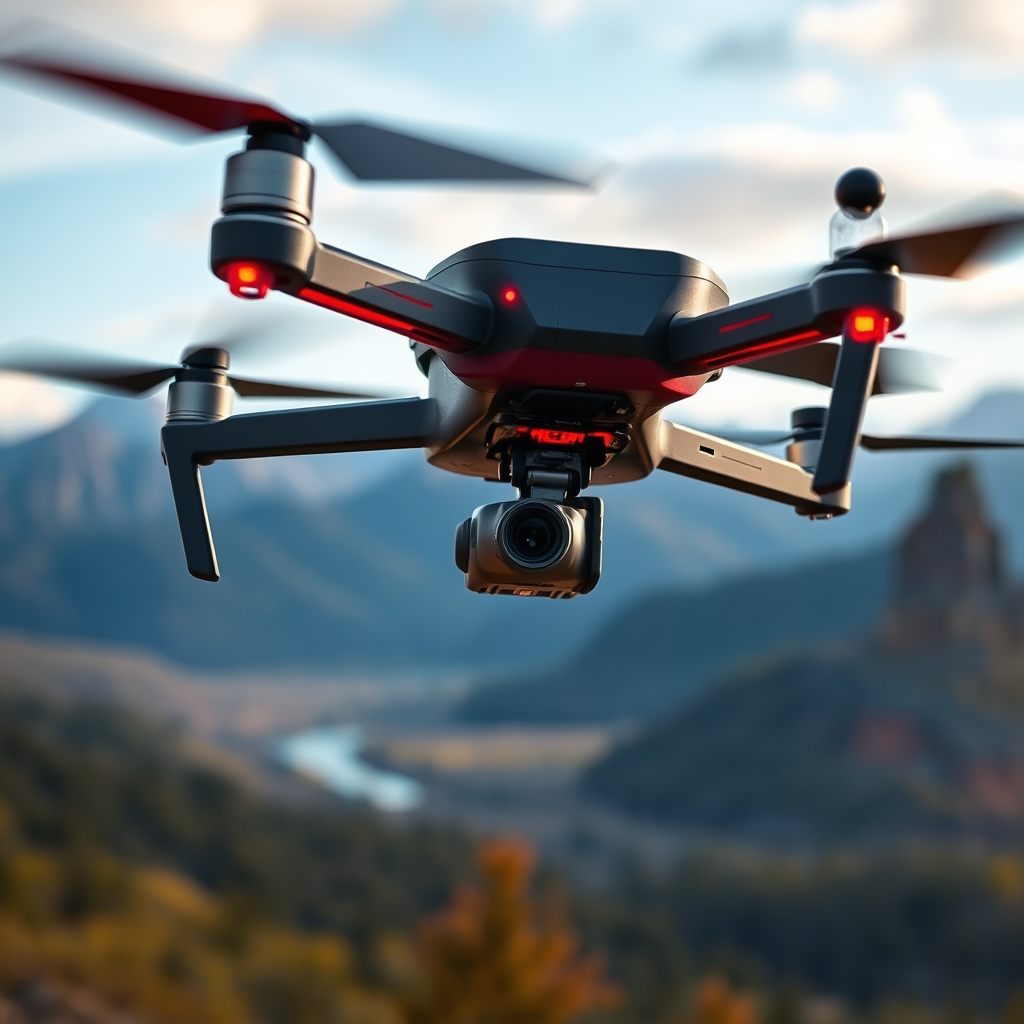
The rise of thermal imaging drones is largely attributed to their unparalleled versatility and efficiency across various sectors. These advanced aerial tools are transforming industries by facilitating tasks that require precision and safety, from inspections to emergency response. As organizations increasingly recognize the numerous advantages of integrating thermal imaging technology into their operations, the popularity of these drones continues to surge. This article will delve into the reasons behind the growing adoption of thermal imaging drones, highlighting the benefits they provide across diverse fields.
Enhanced Safety and Efficiency in Inspections
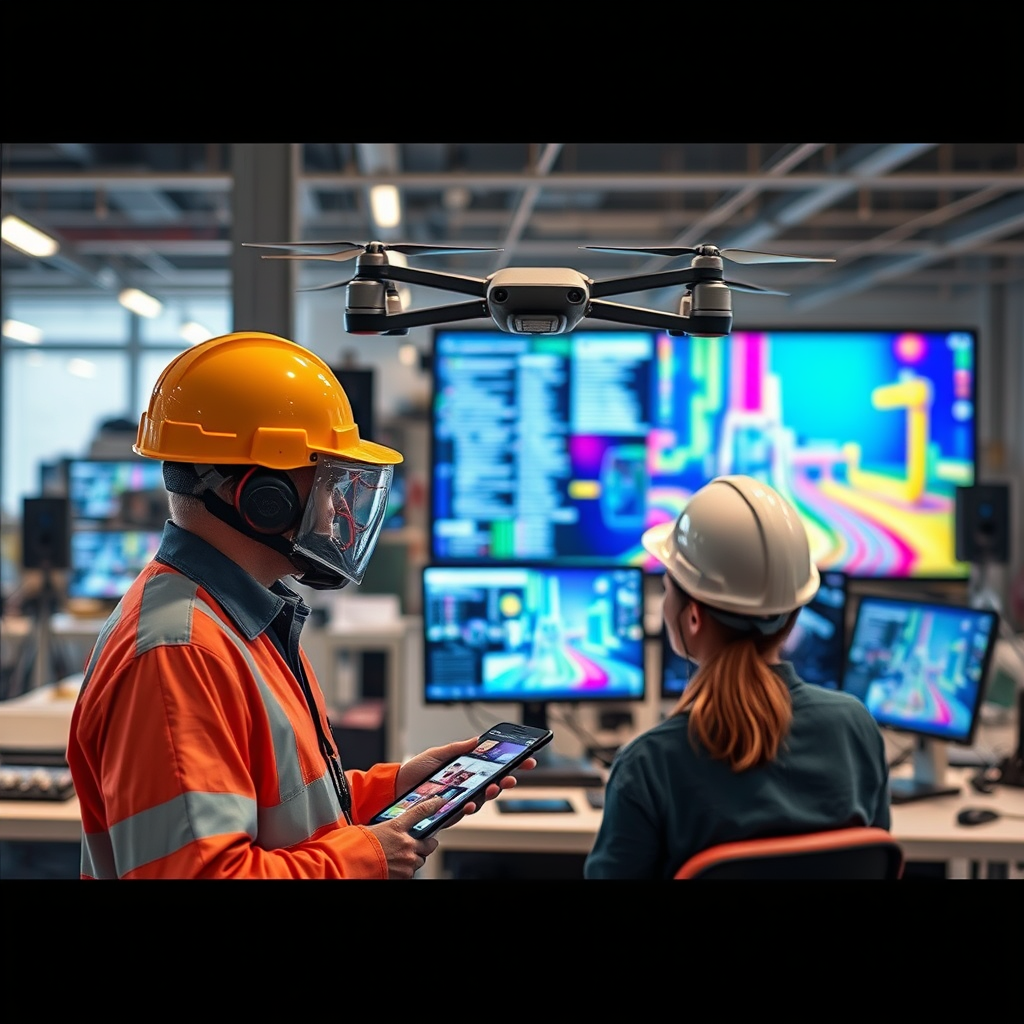
Thermal imaging drones are revolutionizing the inspection process by enabling rapid identification of heat leaks, electrical faults, and structural issues. For example, in the energy sector, utility companies employ drones equipped with thermal cameras to conduct inspections of power lines and substations. These drones can swiftly detect hotspots that indicate overheating equipment, allowing for immediate intervention before a potential failure occurs. This capability not only enhances efficiency but also significantly increases safety, as workers can avoid hazardous environments that would otherwise necessitate manual inspections.
Drone technology reduces the need for personnel to climb towers, enter confined spaces, or work at heights, thereby protecting them from accidents and injuries. Furthermore, the data collected by these drones can be analyzed in real-time, allowing companies to make informed decisions quickly. The ability to conduct inspections from a safe distance lessens the risk of accidents, ultimately contributing to a safer workplace.
Versatile Applications Across Industries
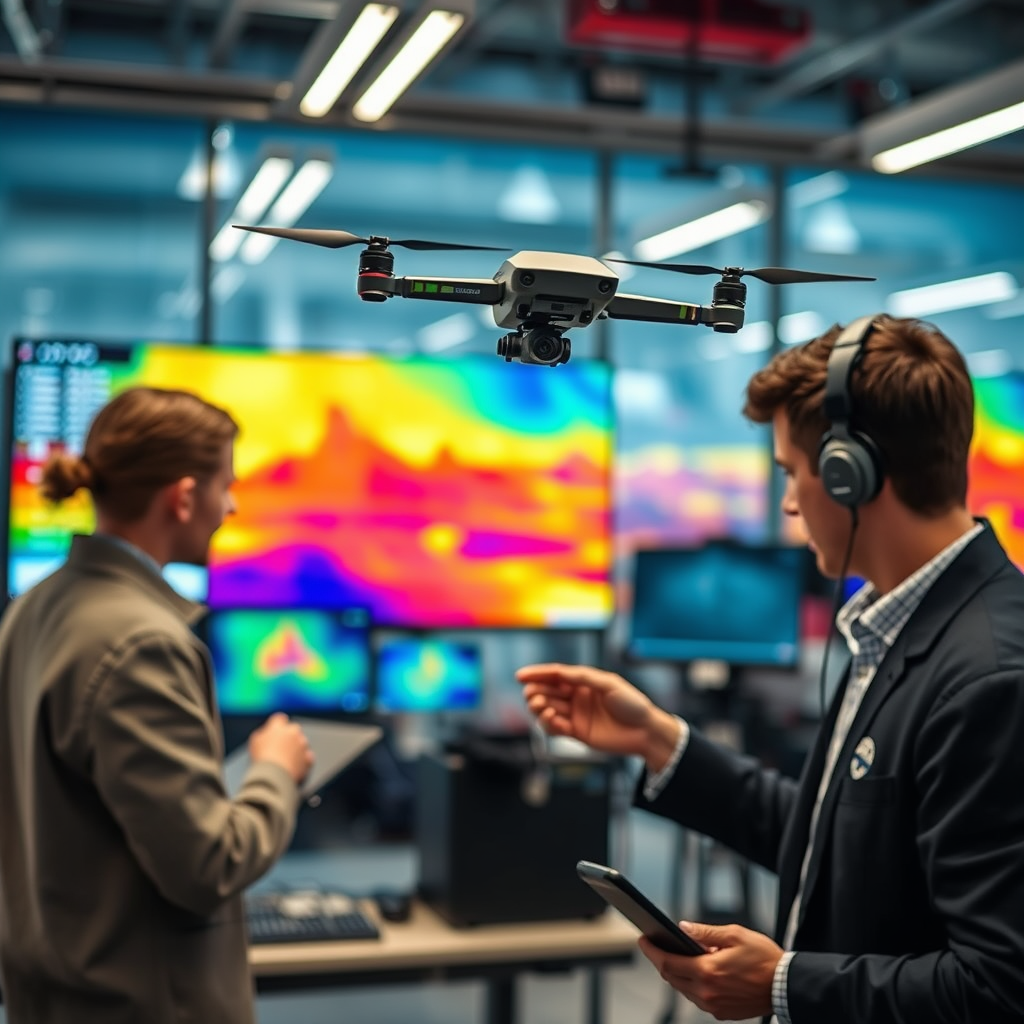
The versatility of thermal imaging drones has led to their widespread adoption in various sectors, including construction, agriculture, and emergency services. In the construction industry, these drones are utilized for monitoring the thermal performance of buildings during the construction phase, ensuring compliance with energy efficiency standards. They can identify areas where insulation is lacking, enabling contractors to address issues before project completion, which ultimately saves time and costs.
In agriculture, thermal imaging drones play a crucial role in precision farming. Farmers use them to monitor crop health, assess irrigation efficiency, and detect pest infestations. By capturing thermal data, these drones help farmers make timely decisions about resource allocation, leading to increased crop yields and reduced waste.
Emergency services also benefit from the capabilities of thermal imaging drones. In search and rescue operations, drones can cover large areas quickly, locating missing persons or assessing disaster-struck regions. Their ability to see through smoke or darkness allows first responders to identify hotspots and make critical decisions more effectively, thereby saving lives.
Cost-Effectiveness Compared to Traditional Methods
Investing in thermal imaging drones can lead to significant cost savings when compared to traditional inspection methods. The operational costs associated with manual inspections can be high, particularly when factoring in labor, equipment, and the time required to complete such tasks. Thermal imaging drones streamline this process, allowing for faster inspections and reducing the need for extensive manpower.
For instance, a utility company that previously relied on ground crews to inspect power lines can now deploy a single drone to cover vast areas in a fraction of the time. This not only reduces labor costs but also minimizes downtime, leading to increased productivity. Moreover, frequent monitoring facilitated by drones enables early detection of potential issues, which can prevent costly repairs and unplanned outages.
The cost-effectiveness of thermal imaging drones is further enhanced by their ability to provide accurate data that informs maintenance programs. By identifying problems early, companies can implement preventative measures that extend the lifespan of their assets and reduce the frequency of major repairs.
Advancements in Drone Technology
The rapid advancements in drone technology have significantly improved the effectiveness of thermal imaging capabilities. Innovations in battery life allow drones to operate for extended periods, covering larger areas without the need for frequent recharging. This is particularly beneficial for industries such as agriculture and infrastructure, where extensive monitoring is required.
In addition to enhanced battery performance, improvements in image resolution and thermal sensitivity have made it possible to capture highly detailed thermal images. High-resolution cameras can distinguish between subtle temperature variations, enabling more accurate assessments during inspections. This level of detail is invaluable in identifying potential problems that might be overlooked in lower-quality images.
Furthermore, advancements in software development have transformed how thermal data is analyzed. Modern software solutions offer advanced analytics, allowing users to interpret thermal images more effectively and integrate them with existing systems for comprehensive insights. This capability enhances decision-making processes, ensuring that organizations can respond swiftly to identified issues.
Growing Awareness and Acceptance
As industries become increasingly aware of the benefits of thermal imaging drones, acceptance of this technology is expanding. Organizations that have traditionally relied on manual methods are now recognizing the efficiency and safety improvements that drones offer. Training programs and resources are being developed to educate users about the operation and advantages of thermal imaging drones, making it easier for businesses to adopt this technology.
For instance, many companies are partnering with drone service providers to harness the expertise of trained pilots and thermal imaging specialists. This collaboration not only accelerates the learning curve but also ensures that organizations can leverage the full potential of thermal imaging technology without the need for extensive in-house training.
Moreover, case studies and success stories are increasingly being shared across industries, demonstrating the tangible benefits of thermal imaging drones. As more businesses witness the positive impact on their operations, the momentum for adoption continues to build.
Regulatory Developments and Support
The growing popularity of thermal imaging drones is further supported by evolving regulations that facilitate their safe integration into various industries. Governments around the world are recognizing the potential of drone technology and are working to establish guidelines that promote safe operations while fostering innovation.
In many regions, regulatory bodies are streamlining the process for obtaining drone licenses and permits, making it easier for companies to incorporate drones into their workflows. Additionally, partnerships between government agencies and industry leaders are facilitating research and development, leading to advancements in drone technology and its applications.
As regulatory frameworks mature, industries can expect clearer guidelines that promote the safe use of thermal imaging drones, encouraging more organizations to adopt this technology. This support is crucial in building trust and ensuring that companies can operate drones safely and effectively.
In summary, the increasing popularity of thermal imaging drones can be attributed to their efficiency, versatility, and cost-effectiveness across a wide range of applications. With advancements in technology, growing awareness, and supportive regulatory developments, these innovative tools are poised to become integral to various industries. Organizations looking to enhance their operations should consider exploring the benefits of thermal imaging drones and seek expert guidance for successful implementation. As the landscape of drone technology continues to evolve, those who embrace this advancement will likely gain a competitive edge in their respective fields.
Frequently Asked Questions
What are thermal imaging drones used for?
Thermal imaging drones are utilized in various applications including search and rescue operations, building inspections, wildlife monitoring, and agricultural assessments. They provide infrared imagery that can detect heat signatures, making them invaluable for identifying issues such as roof leaks, electrical hotspots, or even locating missing persons in dark or dense environments.
How do thermal imaging drones benefit the construction industry?
In the construction industry, thermal imaging drones streamline the inspection process by quickly identifying thermal anomalies that may indicate insulation failures, air leaks, or moisture intrusion. This technology reduces inspection time and costs while increasing safety, as drones can access hard-to-reach areas without the need for scaffolding or ladders, ensuring that any construction issues can be addressed promptly.
Why are thermal imaging drones becoming more affordable?
The declining costs of drone technology and advancements in thermal imaging sensors have made thermal imaging drones more accessible to a wider range of users. Increased competition among manufacturers and the growing demand for drone applications in various industries have contributed to lower prices, enabling even small businesses and individual users to invest in this powerful technology for enhanced operational efficiency and safety.
What features should I look for in the best thermal imaging drone?
When searching for the best thermal imaging drone, consider factors such as image resolution, flight time, sensor sensitivity, and ease of use. Drones that offer high thermal resolution (at least 320×240 pixels) and good low-light performance will provide clearer imagery, while features like automated flight planning and real-time data transfer can enhance usability and efficiency for both professionals and hobbyists.
Which industries are seeing the most significant adoption of thermal imaging drones?
Industries such as agriculture, construction, public safety, and energy are experiencing significant adoption of thermal imaging drones. In agriculture, these drones help monitor crop health and irrigation efficiency; in construction, they assist with inspections; while in public safety, they enhance search and rescue operations. Energy companies use them for inspecting power lines and identifying heat losses in infrastructure, underscoring the versatility of this technology across sectors.
References
- Thermography
- https://www.sciencedirect.com/science/article/pii/S2090123221000046
- https://www.nist.gov/news-events/news/2021/02/thermal-imaging-drones-help-fight-wildfires
- https://www.theguardian.com/environment/2021/jun/15/thermal-imaging-drones-climate-change
- https://www.nasa.gov/feature/nasa-drones-using-thermal-imaging-to-study-wildfires
- https://www.ijrr.org/index.php/ijrr/article/view/36
- Robotics | NSF – U.S. National Science Foundation
