
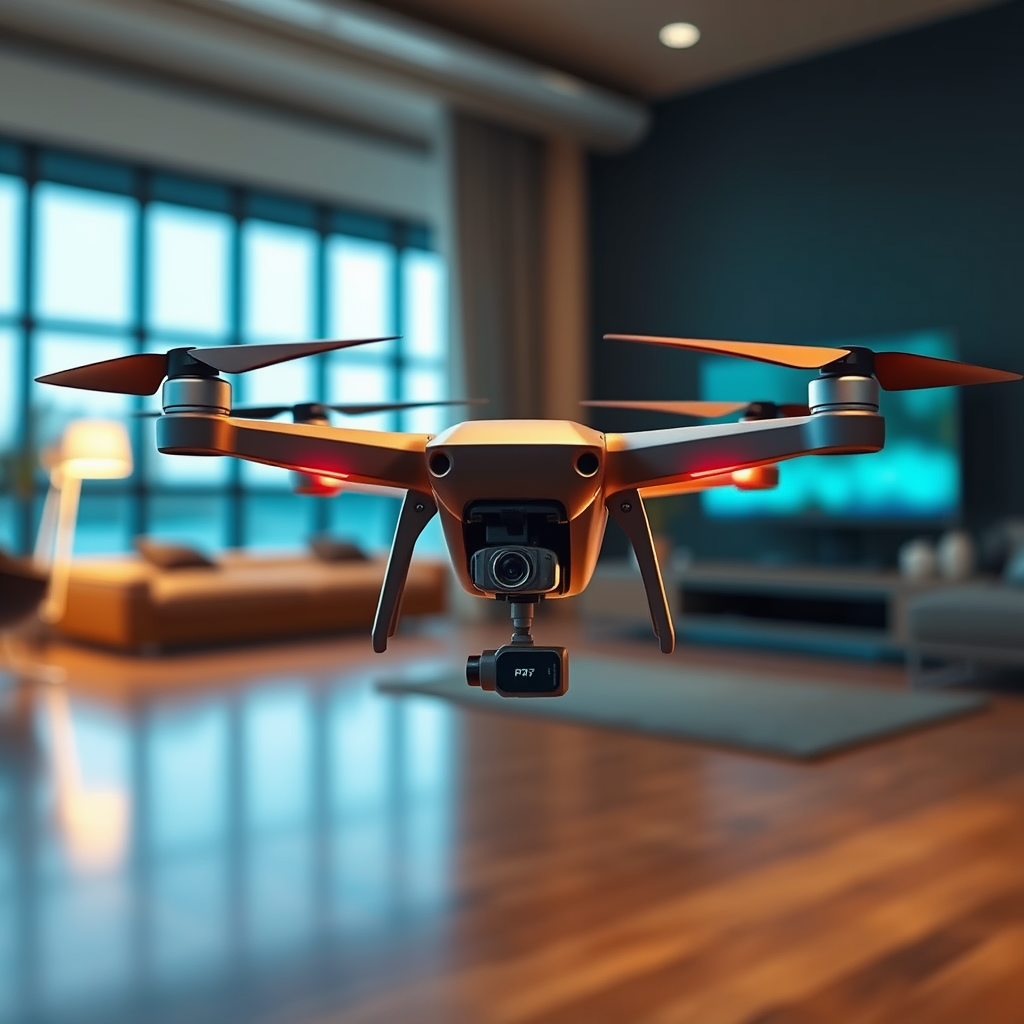
The integration of gesture control systems in drones is transforming how pilots operate these unmanned aerial vehicles (UAVs). By allowing intuitive control through natural hand movements, gesture control technology simplifies flying and enhances the user experience while unlocking new potential for various applications across industries. This article will delve into the mechanics of gesture control systems in drones, their benefits, various applications, the technological components involved, the challenges faced, and future trends in this innovative field.
Understanding Gesture Control Systems
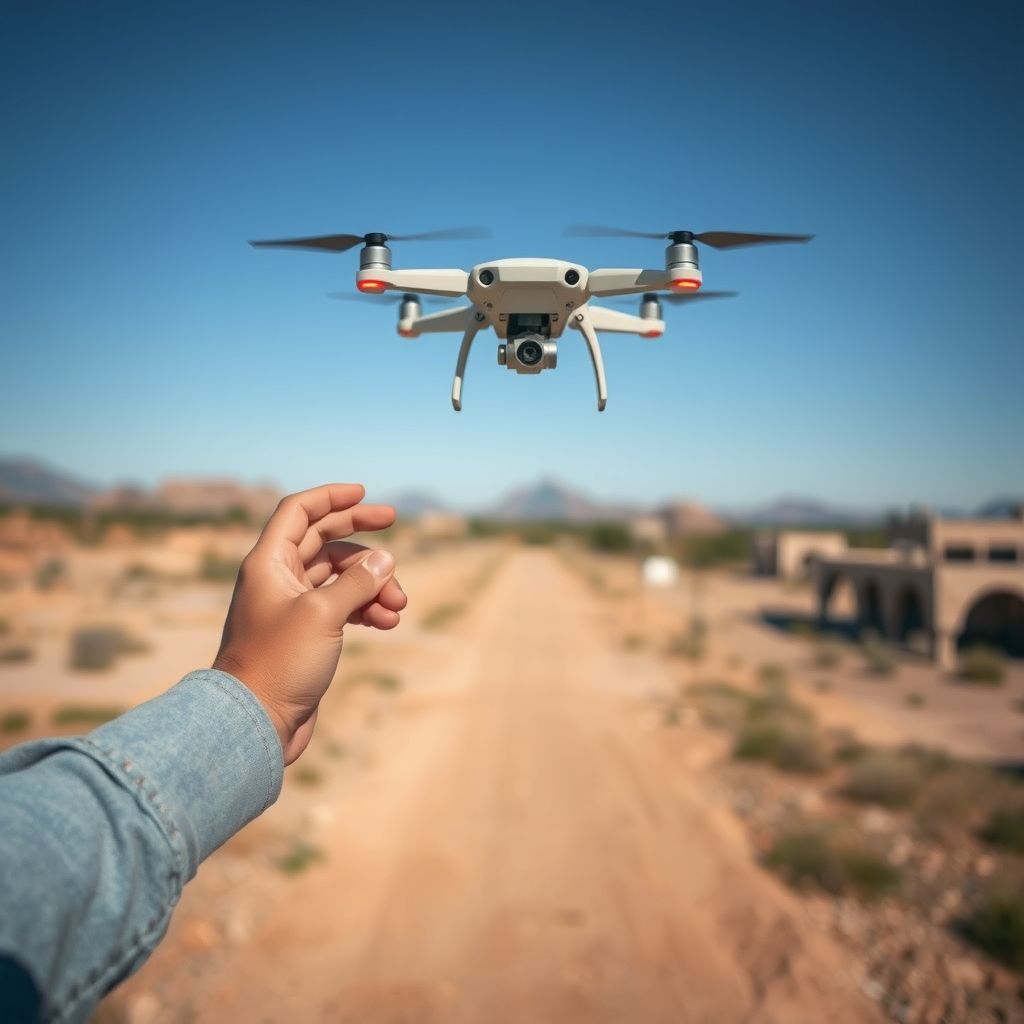
Gesture control systems function by utilizing advanced sensors and cameras to interpret hand movements, translating these into commands that the drone can execute. This technology often employs complex algorithms that analyze the positioning and motion of the user’s hands, allowing for a seamless interaction between the pilot and the drone. For instance, specific gestures, such as raising a hand or moving a finger, can direct the drone to ascend, descend, or change direction. The result is a more fluid flying experience that mimics human interaction rather than relying on conventional sticks or buttons, which can be less intuitive.
Recent developments in computer vision and machine learning have significantly enhanced the accuracy and responsiveness of these systems. With improved algorithms, drones can distinguish between various gestures, thus enabling multi-functional commands. This capability is particularly useful in environments where traditional control methods may be cumbersome or ineffective, such as in tight spaces or during complex maneuvers.
Benefits of Gesture Control in Drones
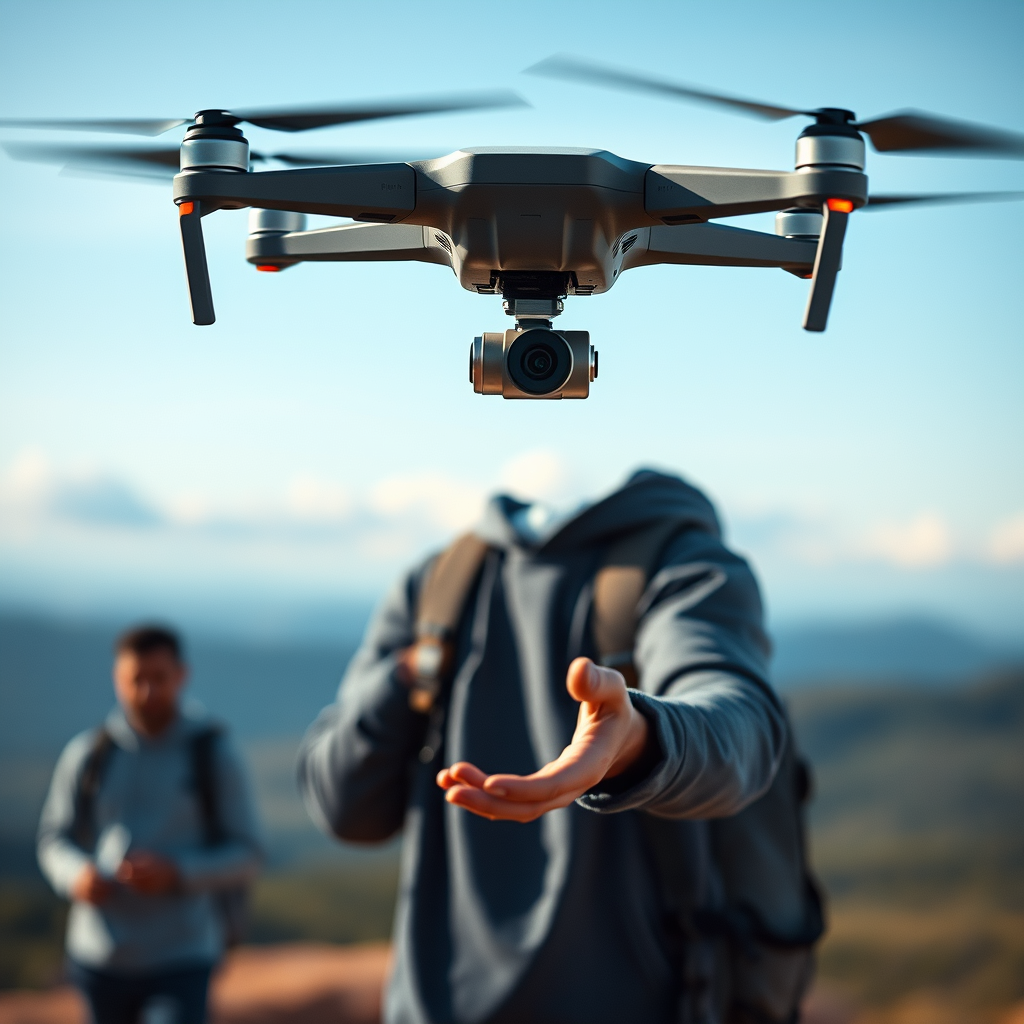
The adoption of gesture control in drones offers a multitude of benefits, primarily by enhancing the user experience. One of the most significant advantages is the more natural way of interacting with technology. For instance, novice pilots often find traditional remote controls intimidating, whereas gesture control systems can make flying more accessible and enjoyable, as they align with the user’s instinctive movements.
In addition, gesture control increases accessibility for users who may have physical limitations that hinder their ability to use standard remote controls. By utilizing hand movements, individuals with disabilities can participate in drone flying, expanding the user base and promoting inclusivity within the technology community. Moreover, the ease of use can lead to quicker learning curves, allowing more people to operate drones effectively in a shorter amount of time.
Applications of Gesture-Controlled Drones
Gesture-controlled drones are finding applications across various fields, showcasing their versatility and effectiveness. In the realm of aerial photography and videography, for example, filmmakers can operate drones with a simple wave of their hand to capture stunning aerial shots without needing to fiddle with complicated controls. This facilitates a level of creativity and spontaneity that is particularly appealing in fast-paced environments such as film sets and live events.
Additionally, gesture-controlled drones have significant implications in emergency response scenarios. In search and rescue missions, where time is of the essence, the ability to quickly issue commands through gestures can prove crucial. For example, rescuers can deploy drones to survey disaster-stricken areas or locate missing persons without the distraction of traditional controls, allowing them to maintain focus on the task at hand. The intuitive nature of gesture control can significantly improve response times and outcomes in critical situations.
Technological Components of Gesture Control Systems
To understand the effectiveness of gesture control systems in drones, one must recognize the technological components that underpin this innovation. Primarily, these systems rely on sensors, such as accelerometers and gyroscopes, which detect movement and orientation. These sensors track the user’s hand positions in real-time, ensuring that the drone responds accurately to commands.
Additionally, software algorithms play a crucial role in interpreting the data collected from these sensors. Machine learning techniques are often employed to enhance the system’s ability to recognize specific gestures and distinguish them from background noise or unintended movements. For instance, advanced algorithms can be trained to ignore minor hand movements caused by wind or user jitters, focusing solely on deliberate gestures that signify commands. This integration of hardware and software is what allows gesture-controlled drones to operate effectively and reliably.
Challenges and Limitations
Despite the promising advancements in gesture control technology, several challenges and limitations persist. One of the primary concerns is the accuracy and reliability of gesture recognition, particularly in varying environmental conditions. Factors such as lighting, weather, and background interference can impact the system’s ability to correctly interpret gestures. For instance, bright sunlight may create glare that obscures camera sensors, leading to misinterpretations of user commands.
Moreover, there is a learning curve associated with transitioning from traditional controls to gesture-based systems. While gesture control is designed to be intuitive, users accustomed to conventional remote controls may find it initially challenging to adapt. Manufacturers and developers must invest in creating user-friendly interfaces and providing comprehensive training resources to facilitate this transition.
Future Trends in Gesture Control Technology
The future of gesture control technology in drones appears promising, with several trends on the horizon that may enhance its capabilities. One key area of development is the integration of artificial intelligence (AI) and machine learning. These advancements are expected to improve gesture recognition accuracy by enabling systems to learn from user behavior and adapt to individual preferences over time.
Furthermore, there is potential for integrating gesture control with augmented reality (AR), providing users with an enriched navigation experience. For instance, AR overlays could display real-time flight data or environmental information, allowing pilots to make informed decisions based on visual cues while maintaining control through gestures. Such innovations could further revolutionize how users interact with drones, making operations more effective and engaging.
As the technology continues to evolve, we can anticipate increased adoption across a range of industries, including agriculture, construction, and entertainment, among others. The potential applications are vast, and as gesture control becomes more refined, it may redefine standard operating procedures for drone usage in various sectors.
The integration of gesture control systems in drones represents a significant leap forward in drone technology. This innovation not only enhances user experience and accessibility but also opens up new avenues for application in diverse fields. As the technology progresses and becomes more widely adopted, it promises to make drone operation more intuitive and efficient. For those interested in exploring this technology further, engaging with online tutorials or hands-on workshops can provide valuable insights and allow enthusiasts to experience gesture-controlled drones firsthand.
Frequently Asked Questions
What are gesture control systems in drones and how do they work?
Gesture control systems in drones utilize advanced sensor technology, such as cameras and infrared sensors, to interpret human hand movements as commands. When a user makes specific gestures, such as waving or pointing, the drone’s onboard software translates these motions into flight actions, allowing for intuitive control without the need for traditional remote controls. This technology enhances the user experience, making drone operation more accessible, especially for beginners.
How can I set up gesture control for my drone?
Setting up gesture control for your drone typically involves updating the drone’s firmware and downloading a compatible app that supports gesture recognition. Once installed, you’ll need to calibrate the system by following on-screen instructions to ensure the drone accurately interprets your gestures. It’s essential to familiarize yourself with the specific gestures recognized by your drone model, as these can vary between manufacturers.
Why should I choose a drone with gesture control systems over traditional remote controls?
Choosing a drone with gesture control systems offers several advantages, including enhanced maneuverability and ease of use, particularly for those new to flying drones. Gesture control allows for a more immersive experience, enabling pilots to focus on capturing stunning footage or images without the distraction of a physical controller. Additionally, this technology can improve safety, as users can maintain visual contact with the drone while controlling it through natural hand movements.
What are the best drones available with gesture control features?
Some of the best drones with gesture control features include the DJI Spark, which offers intuitive hand gestures for takeoff, landing, and selfies, and the Parrot Anafi, known for its impressive camera capabilities and gesture recognition. Other notable models include the Holy Stone HS720 and the Yuneec Breeze, both of which provide user-friendly gesture controls while delivering stable flight performance. When selecting a drone, consider factors like camera quality, flight time, and range to find the best fit for your needs.
Which industries benefit the most from gesture-controlled drones?
Several industries benefit significantly from gesture-controlled drones, including film and photography, where filmmakers can capture dynamic shots with minimal setup. Additionally, the agriculture sector utilizes gesture-controlled drones for crop monitoring and surveying, allowing for efficient data collection. Other areas like search and rescue operations and surveying also take advantage of this technology, as it enables quick and intuitive responses in critical situations, enhancing operational effectiveness.
References
- Drone
- https://www.sciencedirect.com/science/article/pii/S0360835218300604
- https://www.researchgate.net/publication/331025456_Gesture_Control_for_Drones
- https://www.wired.com/story/gesture-control-drone-flying/
- https://www.techrepublic.com/article/gesture-control-drones-are-the-next-evolution-in-unmanned-aerial-vehicles/
- https://www.bbc.com/news/technology-45511577
- https://www.nature.com/articles/s41598-019-41708-9
- https://www.darpa.mil/news-events/2019-05-16
- https://www.nist.gov/news-events/news/2021/05/gesture-control-drones-may-be-future-aviation
