
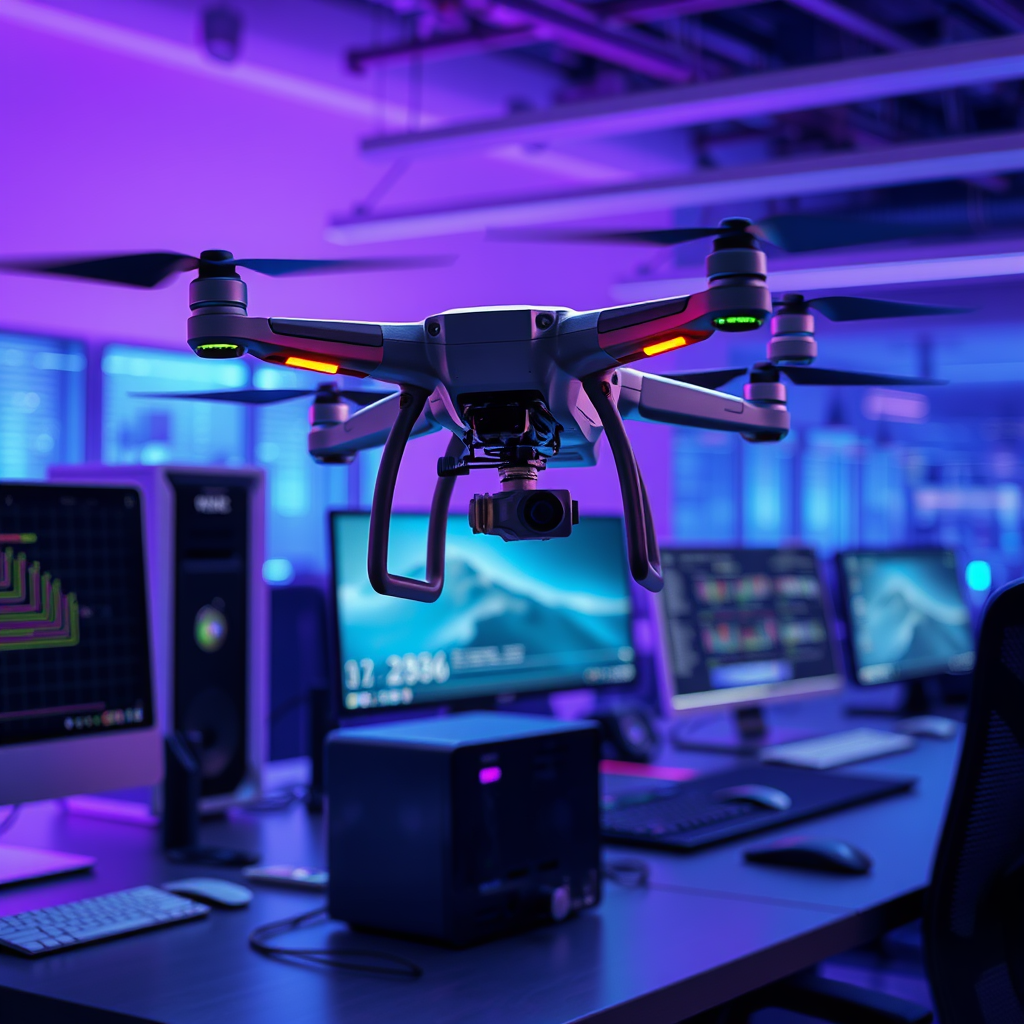
The latest advancements in drone stabilization technology are transforming aerial photography and videography, providing smoother and more stable images even in the most challenging conditions. These innovations enable both hobbyists and professionals to capture high-quality footage, enhancing the overall experience and effectiveness of drone operations. In this article, we will explore cutting-edge techniques and developments in stabilization technology that are making drones more reliable and versatile.
Understanding Drone Stabilization
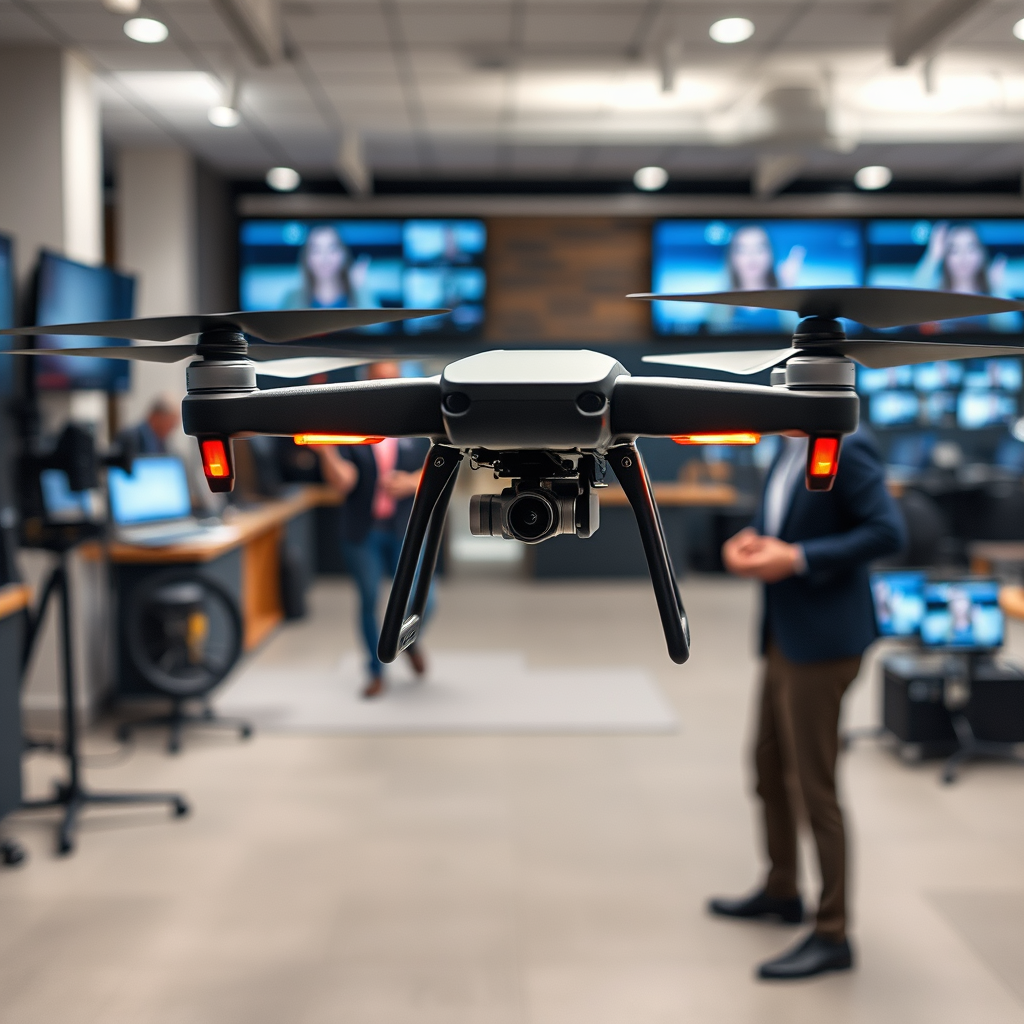
Drone stabilization technology is critical to the operation of unmanned aerial vehicles (UAVs), as it helps eliminate unwanted vibrations and movements during flight. Stabilization ensures that the camera remains steady, allowing for clearer, more professional-looking images and videos. The importance of this technology cannot be overstated, as shaky footage can detract significantly from the viewer’s experience and compromise the intended message, whether in filmmaking, surveying, or recreational use. By utilizing advanced stabilization methods, drones can operate effectively in diverse environments, including windy conditions or while navigating complex terrains, ultimately leading to enhanced image quality.
Active vs. Passive Stabilization Techniques
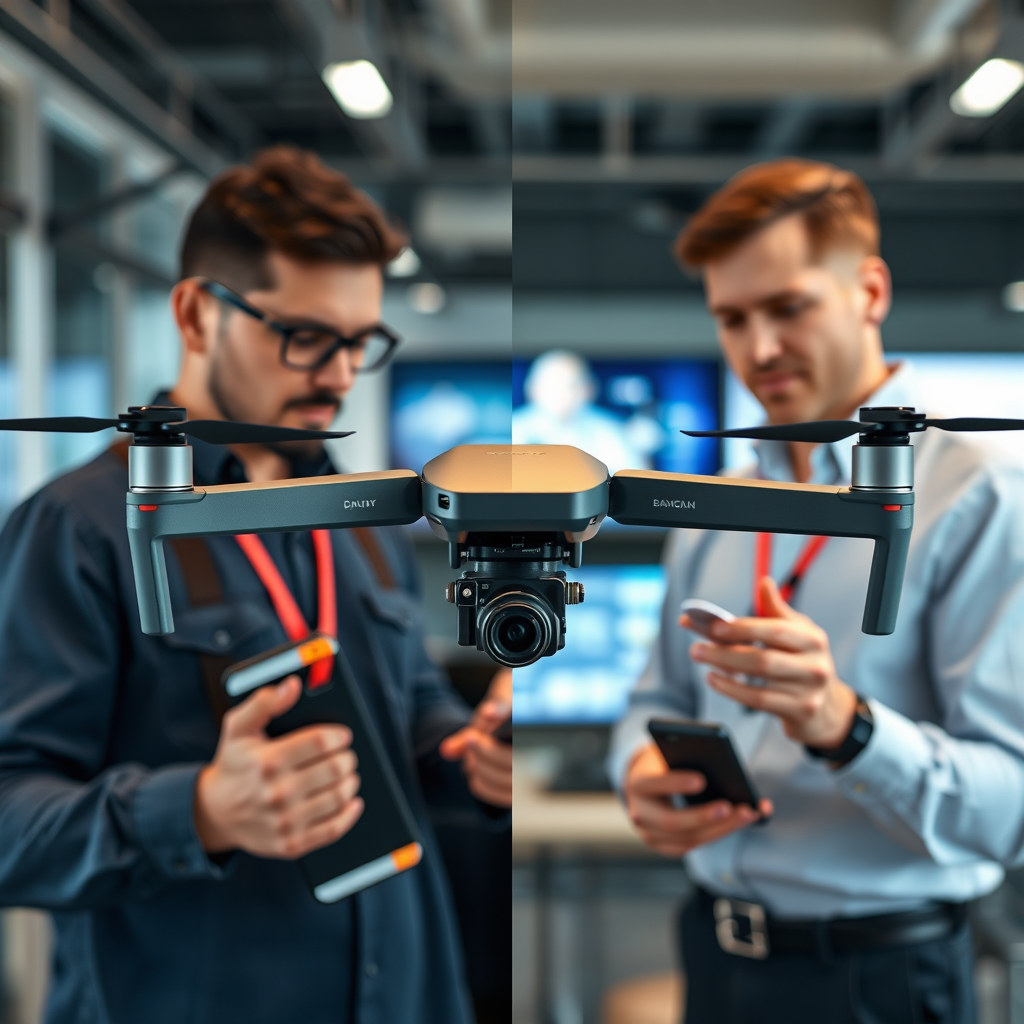
There are two primary categories of stabilization techniques: active and passive stabilization. Active stabilization involves the use of electronic systems, such as gyroscopes and accelerometers, to continuously adjust the drone’s position and compensate for movements in real-time. This method is often found in high-end drones, such as the DJI Mavic series, which utilize sophisticated algorithms to maintain stability during flight.
In contrast, passive stabilization relies on mechanical components like gimbals or mounting systems that absorb vibrations and dampen movements. An example of a drone using passive stabilization is the Parrot Anafi, which employs a lightweight gimbal to provide stabilization, making it a suitable option for casual users seeking smooth footage without the complexities of active systems.
The choice between active and passive stabilization largely depends on the user’s needs, with active systems offering enhanced performance for demanding applications, while passive systems provide simplicity and sufficient stabilization for general use.
The Role of Gimbals in Stabilization
Gimbals are essential components in the stabilization process, designed to keep the camera level and steady during flight. These three-axis systems allow the camera to pivot freely, counteracting movements along the roll, pitch, and yaw axes. Gimbals can significantly improve the quality of captured footage, providing smooth transitions and eliminating unwanted shaking.
Recent advancements in gimbal technology have led to improved performance and compatibility with various camera systems. For instance, the latest brushless gimbals offer reduced weight and increased responsiveness, enabling drones to maintain stability even at higher speeds or in turbulent conditions. Innovations such as dual gimbal systems, which provide additional stabilization, are also gaining traction, further enhancing the capabilities of drone-mounted cameras. As gimbal technology continues to evolve, users can expect even greater improvements in aerial footage quality.
Innovations in Software Stabilization
Software stabilization techniques have become increasingly relevant in the drone industry, particularly for post-capture editing. These methods utilize algorithms to analyze footage and compensate for any unwanted movements after the video has been recorded. Software solutions like Adobe Premiere Pro’s Warp Stabilizer and GoPro’s ReelSteady have gained popularity for their ability to transform shaky footage into smooth, cinematic content.
The emergence of artificial intelligence (AI) in software stabilization is also noteworthy. AI-driven solutions can intelligently predict and correct movements, resulting in enhanced stabilization without the need for extensive manual adjustments. This technology not only streamlines the editing process but also empowers users to achieve professional results with minimal effort. As software stabilization continues to advance, we can expect new tools that will further simplify the post-production process for drone operators.
Future Trends in Drone Stabilization Technology
Looking ahead, several trends indicate where drone stabilization technology is headed. First, the integration of machine learning algorithms is expected to improve stabilization systems significantly. These algorithms can learn from various flight conditions and adapt stabilization techniques accordingly, providing tailored solutions for different environments.
Additionally, miniaturization of components will likely lead to lighter and more compact stabilization systems, further enhancing the flight performance of drones. As battery technology improves, drones will be able to support more advanced stabilization systems without compromising flight time.
Moreover, as the drone industry continues to expand, we may see the development of hybrid stabilization systems that combine both active and passive techniques, offering users the best of both worlds. These innovations will enable drones to maintain stability in increasingly complex scenarios, paving the way for new applications and capabilities.
Real-World Applications of Stabilization Technology
Enhanced drone stabilization technology has numerous applications across various industries. In filmmaking, for instance, directors and cinematographers have leveraged drones to capture breathtaking aerial shots that were previously challenging to achieve. The stable footage allows for dynamic storytelling without the distraction of shaky images.
In agriculture, drones equipped with advanced stabilization systems are used to monitor crop health and assess field conditions. The ability to capture clear, detailed images is crucial for data analysis and decision-making, leading to increased efficiency and productivity.
Surveying and construction industries also benefit significantly from stabilized drone footage. High-quality images and videos enable professionals to conduct accurate site assessments and progress tracking, reducing the need for cumbersome ground-based surveys. Case studies have demonstrated how the integration of stabilization technology can lead to improved project outcomes and cost savings.
Choosing the Right Drone for Stabilization Needs
When selecting a drone based on stabilization features, it is essential to consider specific requirements based on the intended use. Key specifications to evaluate include the type of stabilization system employed—active, passive, or a combination of both—the quality of the gimbal, and the camera capabilities.
For filmmakers and content creators, investing in drones with advanced active stabilization systems and high-quality gimbals is crucial for achieving professional results. In contrast, casual users might prioritize ease of use and affordability, making drones with reliable passive stabilization suitable for their needs. Additionally, considering features such as flight time, payload capacity, and compatibility with various camera systems can help users make informed decisions tailored to their unique applications.
The advancements in drone stabilization technology are pushing the boundaries of what is possible in aerial photography and videography. By understanding the latest innovations and techniques, you can make informed decisions when purchasing or utilizing drones for your projects. Explore these technologies further to elevate your drone experience today!
Frequently Asked Questions
What are the latest advancements in drone stabilization technology for aerial photography?
The latest advancements in drone stabilization technology include the integration of advanced gimbal systems, which use multiple axes to minimize vibrations and ensure smooth footage. Additionally, innovations like electronic image stabilization (EIS) and AI-driven algorithms are enhancing the ability to compensate for movement in real-time, resulting in clearer, more professional-quality images and videos. These technologies are particularly beneficial for aerial photographers and videographers seeking to capture dynamic shots without compromising quality.
How do gimbal systems improve drone stability during flight?
Gimbal systems improve drone stability by providing a mechanical platform that counteracts movements and vibrations from the drone’s motors and the surrounding environment. Typically, gimbals operate on three axes—pitch, roll, and yaw—allowing the camera to remain level and steady even when the drone experiences turbulence or sudden maneuvers. This stabilization is crucial for achieving high-quality video recordings and sharp images, making gimbals an essential feature for both hobbyists and professionals in drone photography.
Why is drone stabilization technology important for filmmakers and content creators?
Drone stabilization technology is vital for filmmakers and content creators because it directly impacts the quality of visual content. Smooth, stable footage enhances the viewer’s experience, making the final product more engaging and professional. In high-stakes environments like wildlife filming or action sports, effective stabilization minimizes the risk of shaky or unusable shots, allowing creators to capture dynamic scenes without compromising on quality.
What are the best drones with advanced stabilization features available in 2023?
As of 2023, some of the best drones with advanced stabilization features include the DJI Mavic 3, which boasts a 3-axis gimbal and advanced EIS, and the Autel Robotics EVO Lite+, known for its excellent low-light performance and stabilization capabilities. Another standout is the Skydio 2, which uses AI technology for obstacle avoidance and maintaining stability in complex environments. These drones are ideal for both amateur and professional videographers seeking high-quality aerial footage.
Which factors should I consider when choosing a drone for optimal stabilization?
When choosing a drone for optimal stabilization, consider factors such as the type of gimbal system it employs, the quality of the camera, and whether it features electronic image stabilization. Additionally, look for drones with a robust flight control system that can handle windy conditions and provide smooth flight paths. Battery life and ease of use are also important, as longer flights and user-friendly interfaces contribute to a more successful shooting experience.
References
- https://en.wikipedia.org/wiki/Drone_stabilization
- https://www.nasa.gov/feature/nasa-s-drones-are-tackling-air-quality-research
- https://www.sciencedirect.com/science/article/pii/S235286481730120X
- https://www.reuters.com/technology/drones-are-changing-how-we-see-world-2021-12-29/
- https://www.techcrunch.com/2023/08/10/the-future-of-drone-stabilization-technology/
- https://www.bbc.com/future/article/20220909-how-drones-are-changing-pictures-of-the-world
- https://www.usgs.gov/science-support/osqi/remote-sensing/drone-technology
- https://www.nist.gov/news-events/news/2022/11/how-drones-are-improving-disaster-response
