
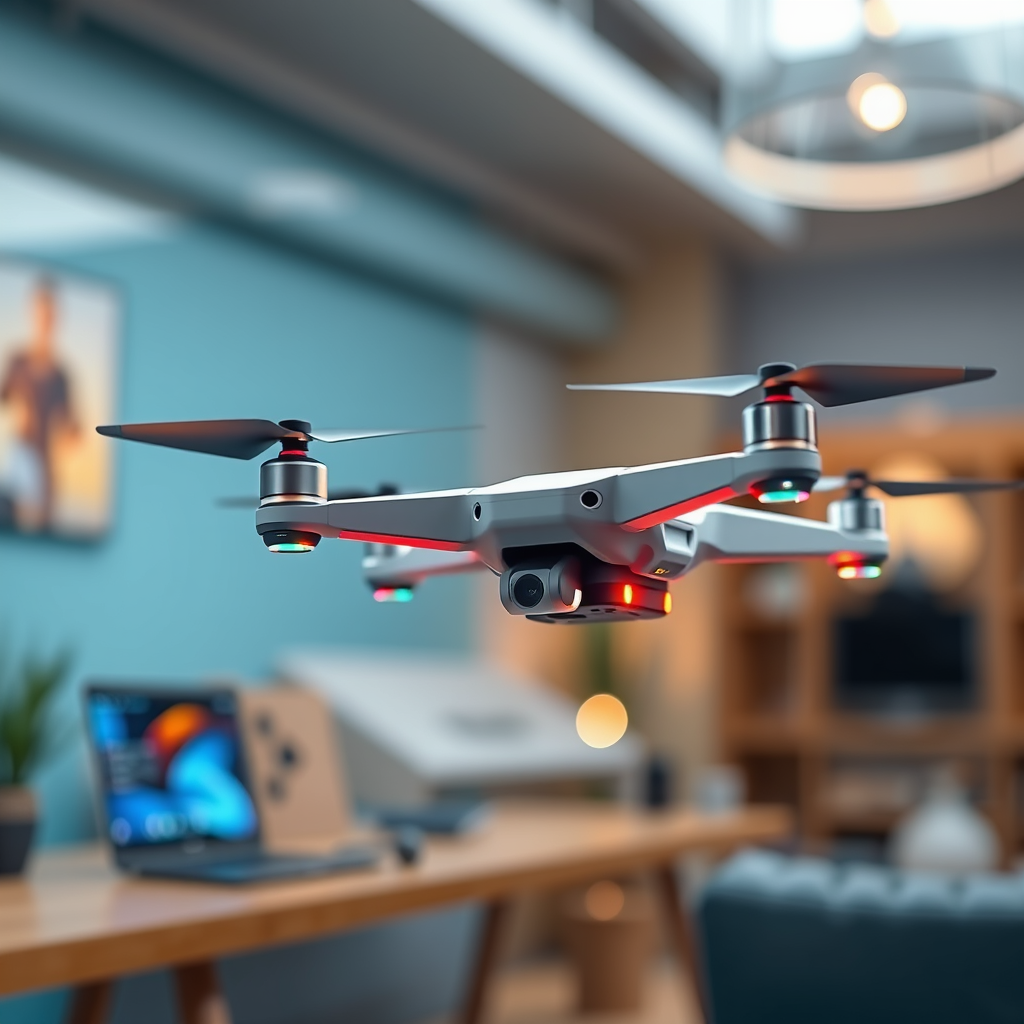
The integration of flexible electronics is fundamentally transforming drone design by enabling the creation of lighter, more efficient, and versatile aircraft. This technological advancement not only facilitates innovative shapes and functionalities that were previously unattainable but also enhances the capabilities of drones across various applications, from agriculture to surveillance. This article explores how flexible electronics are reshaping drone technology and the implications for future designs.
Reducing Weight and Increasing Efficiency
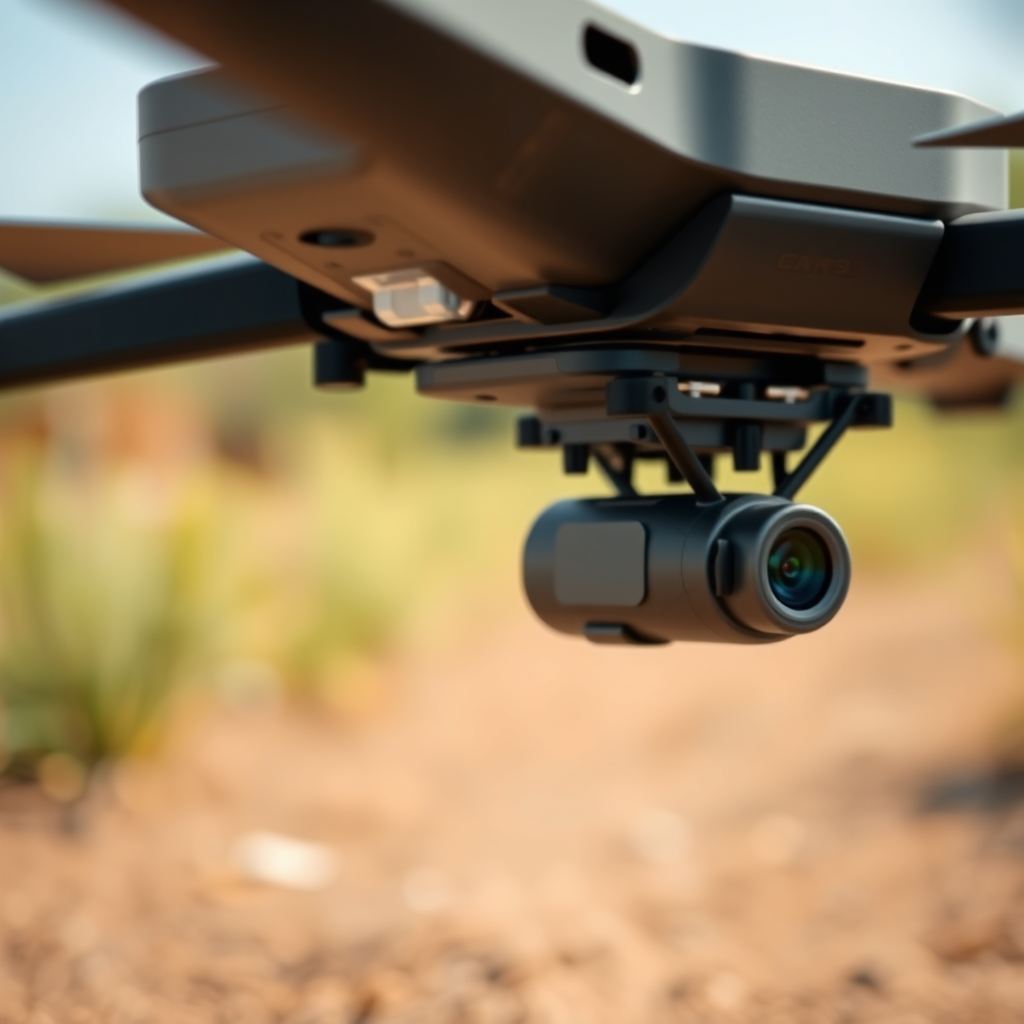
One of the most significant advantages of flexible electronics is their lightweight nature compared to traditional electronic components. Conventional drones often rely on rigid, bulky circuits and components, which contribute to their overall weight. In contrast, flexible electronics can be made from materials such as conductive polymers and lightweight substrates, significantly reducing the mass of the electronics incorporated into drones.
For instance, a study conducted by researchers at the University of California demonstrated that drones equipped with flexible electronics could achieve up to 30% weight reduction. This decrease in weight directly translates to improved flight efficiency and longer battery life, as the drone requires less energy to maintain lift and navigate. As a result, operators can enjoy extended flight times, which is particularly beneficial for applications such as delivery services and agricultural monitoring, where prolonged aerial presence is crucial.
Enhanced Design Flexibility
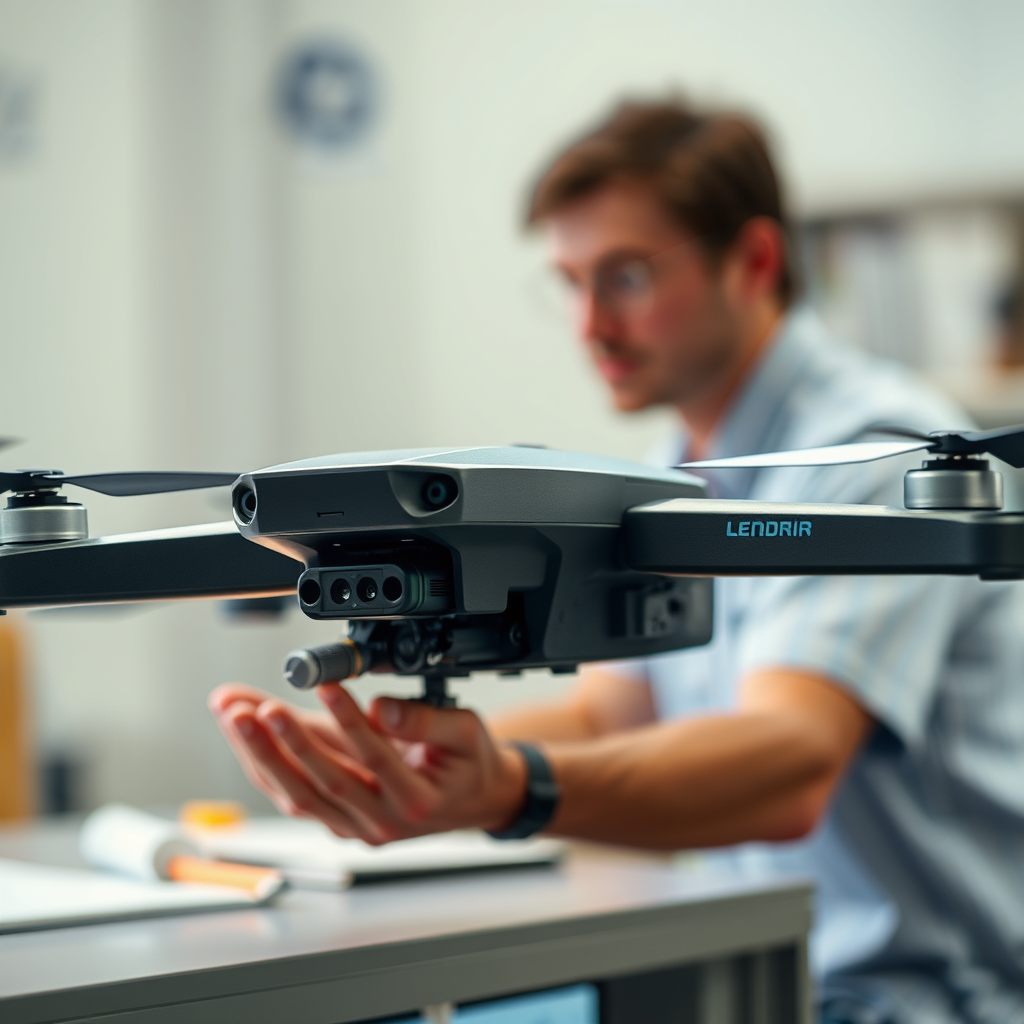
The malleability of flexible electronics allows designers to think beyond the conventional drone shapes and configurations. Traditional drones often follow a fixed architectural design that adheres to standard aerodynamic principles. However, flexible electronics enable the integration of circuits directly into the drone’s structure, facilitating innovative designs that optimize aerodynamic performance.
For example, researchers have developed drones with wings that can bend and change shape during flight, adapting to varying air conditions to maximize lift and reduce drag. This capability not only improves flight stability but also enhances maneuverability in complex environments. Furthermore, by embedding electronics into the drone’s body, designers can eliminate the need for bulky enclosures, resulting in a more streamlined and efficient design. Such advancements provide opportunities for custom-tailored drones that can fulfill specific mission requirements, whether that involves search and rescue operations or precise agricultural assessments.
Improved Performance and Functionality
The integration of flexible electronics into drone design significantly enhances the performance and functionality of these aerial vehicles. Flexible sensors can be seamlessly embedded into the drone’s surface, allowing for real-time data collection and interaction with the environment. These sensors can monitor various parameters, such as temperature, humidity, and atmospheric pressure, enabling the drone to respond proactively to changing conditions.
One notable application of this technology is in precision agriculture, where drones equipped with flexible sensors can gather detailed data about crop health and soil conditions. By analyzing this data, farmers can make informed decisions about irrigation, fertilization, and pest control, ultimately leading to increased crop yields and reduced resource waste. Additionally, the integration of advanced navigation systems, such as obstacle detection and avoidance, is greatly enhanced by flexible electronics, allowing drones to navigate complex environments safely and efficiently.
Cost-Effective Manufacturing
The manufacturing processes associated with flexible electronics can be more cost-effective than traditional methods. Since flexible electronics often utilize printing technologies, such as inkjet or screen printing, they generate less material waste and can simplify assembly processes. This not only reduces production costs but also shortens the time from conception to market.
For example, companies like Thinfilm Electronics have pioneered the production of flexible, printed electronics that can be easily integrated into various applications, including drones. By leveraging such advancements, manufacturers can produce affordable drones that are accessible to a wider range of consumers and businesses. Lower costs also enable companies to invest in research and development, further pushing the boundaries of what drones can achieve.
Environmental Impact and Sustainability
As environmental concerns gain prominence, the shift to flexible electronics offers a more sustainable alternative to traditional electronic components. Many flexible electronics are designed using less harmful materials and environmentally friendly processes. This shift is particularly relevant as the drone industry seeks to reduce its ecological footprint.
Moreover, flexible electronics have the potential to incorporate recyclable materials, contributing positively to sustainability efforts within the drone manufacturing sector. For instance, research is ongoing into biodegradable conductive materials that could replace conventional plastics and metals, thus minimizing electronic waste. As the drone industry continues to grow, embracing sustainable practices through the use of flexible electronics will be essential for maintaining regulatory compliance and public trust.
Future Trends in Drone Design
The future of drone design is poised for significant transformation as ongoing research and development in flexible electronics continue to unfold. Emerging trends suggest that we may see advancements in swarm technologies, where multiple drones equipped with flexible electronics can work together to perform complex tasks, such as search and rescue missions or environmental monitoring.
Additionally, improved integration of artificial intelligence (AI) with flexible electronics can lead to the development of autonomous drones capable of adapting to their environments in real-time. These drones could learn from their surroundings, optimizing their flight paths and operational strategies based on data collected during previous missions. Such capabilities promise to revolutionize industries ranging from logistics to disaster response, making drones an invaluable asset in various fields.
The integration of flexible electronics into drone design is set to reshape the future of aerial technology, making drones lighter, more functional, and environmentally friendly. As the technology continues to evolve, staying informed about these advancements is essential for anyone involved in the drone industry. By exploring further innovations in flexible electronics, stakeholders can position themselves at the forefront of this rapidly changing field and harness the full potential of drone technology.
Frequently Asked Questions
What are flexible electronics and how do they influence drone design?
Flexible electronics refer to electronic circuits that can be bent, folded, or stretched without losing functionality. In drone design, these materials allow for lighter, more compact structures, enabling manufacturers to create drones that can achieve greater agility and enhanced performance. By integrating flexible displays, sensors, and batteries, drones can become more versatile and efficient, ultimately improving their operational capabilities in various environments.
How can flexible electronics improve the battery life of drones?
Flexible electronics can contribute to improved battery life in drones by enabling the integration of lightweight, high-capacity batteries that occupy less space. These flexible battery designs can be molded to fit the drone’s shape, reducing overall weight and enhancing aerodynamics. Additionally, advancements in flexible solar cells can allow drones to harness solar energy during flight, further extending their operational time without the need for frequent recharging.
Why are flexible sensors important for drone functionality?
Flexible sensors are crucial for enhancing drone functionality because they can be seamlessly integrated into various surfaces of the drone, allowing for a more comprehensive data collection and environmental interaction. These sensors can monitor parameters such as temperature, pressure, and humidity in real-time, which is essential for applications like agricultural monitoring, search and rescue missions, and environmental studies. The ability to gather more data improves decision-making and mission effectiveness for drone operators.
What are the best applications of flexible electronics in drone technology?
The best applications of flexible electronics in drone technology include enhanced wearable drones for personal use, flexible sensor arrays for environmental monitoring, and lightweight drone components for improved maneuverability. Additionally, flexible displays can be used for real-time data visualization and control interfaces, making it easier for operators to manage drone operations. These applications highlight the transformative potential of flexible electronics in making drones more efficient and adaptable.
Which challenges do manufacturers face when integrating flexible electronics into drones?
Manufacturers face several challenges when integrating flexible electronics into drones, including ensuring durability and reliability under various environmental conditions. Flexible materials can be more susceptible to wear and tear compared to traditional components, necessitating advancements in material science. Additionally, the complexity of circuit design and the need for specialized manufacturing processes can increase production costs and lead times, making it essential for manufacturers to balance innovation with practicality in drone design.
References
- Flexible electronics
- https://www.sciencedirect.com/science/article/pii/S0168597217304050
- https://www.nature.com/articles/s41598-020-73536-0
- News | American Association for the Advancement of Science (AAAS)
- https://www.researchgate.net/publication/334567890_Flexible_Electronics_in_Drones
- https://www.uspto.gov/learning-and-resources/newsletter/2021/impact-flexible-electronics-drone-design
- MIT News | Massachusetts Institute of Technology
- https://www.nist.gov/news-events/news/2021/06/flexible-electronics-drone-technology-revolutionize-aircraft-design
- https://www.bbc.com/future/article/20210702-the-drones-that-could-transform-our-world
