
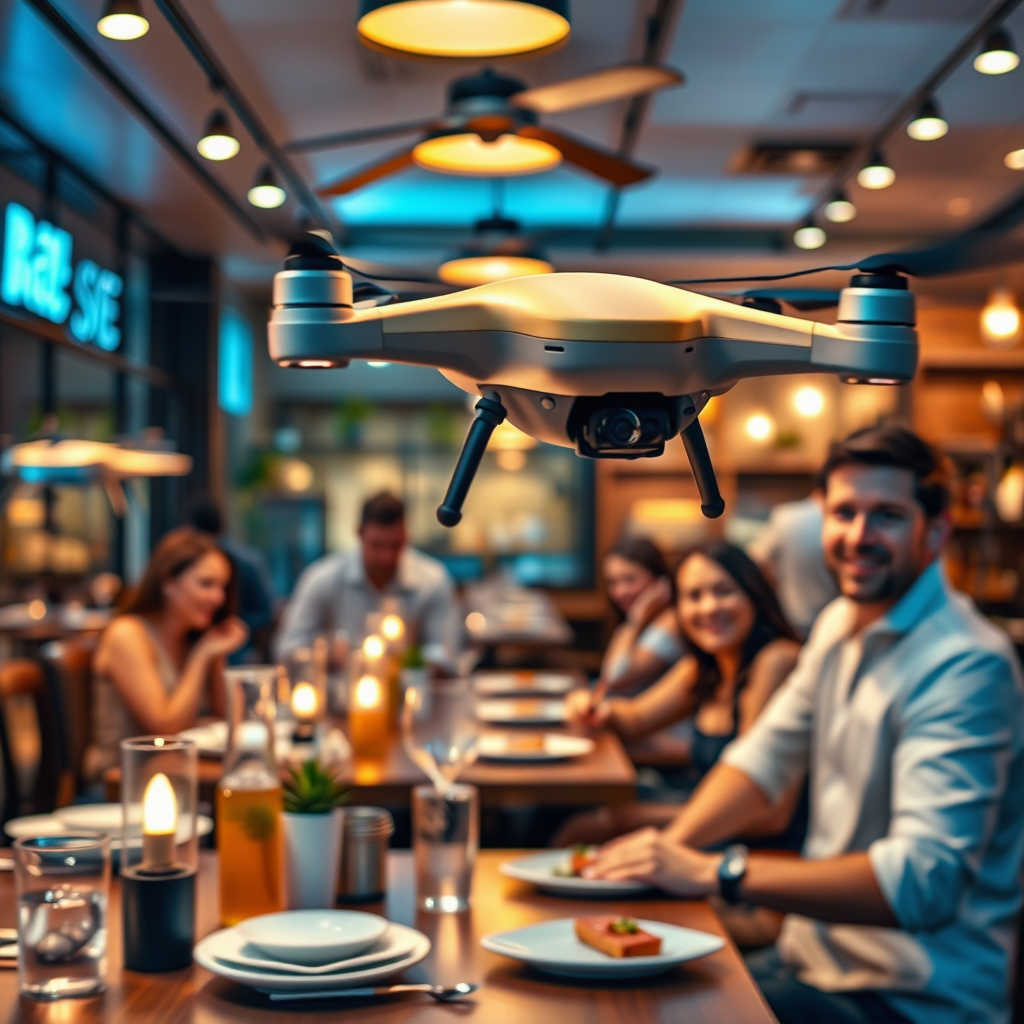
The answer is a cautious yes; delivery drones are on track to become scalable by 2025, driven by technological advances, regulatory changes, and increasing demand for rapid delivery services. As the logistics landscape evolves, businesses are exploring drone delivery as a viable solution to meet consumer expectations for speed and efficiency. In this article, we’ll explore the factors influencing the scalability of delivery drones and what businesses can expect in the near future.
Current State of Delivery Drones
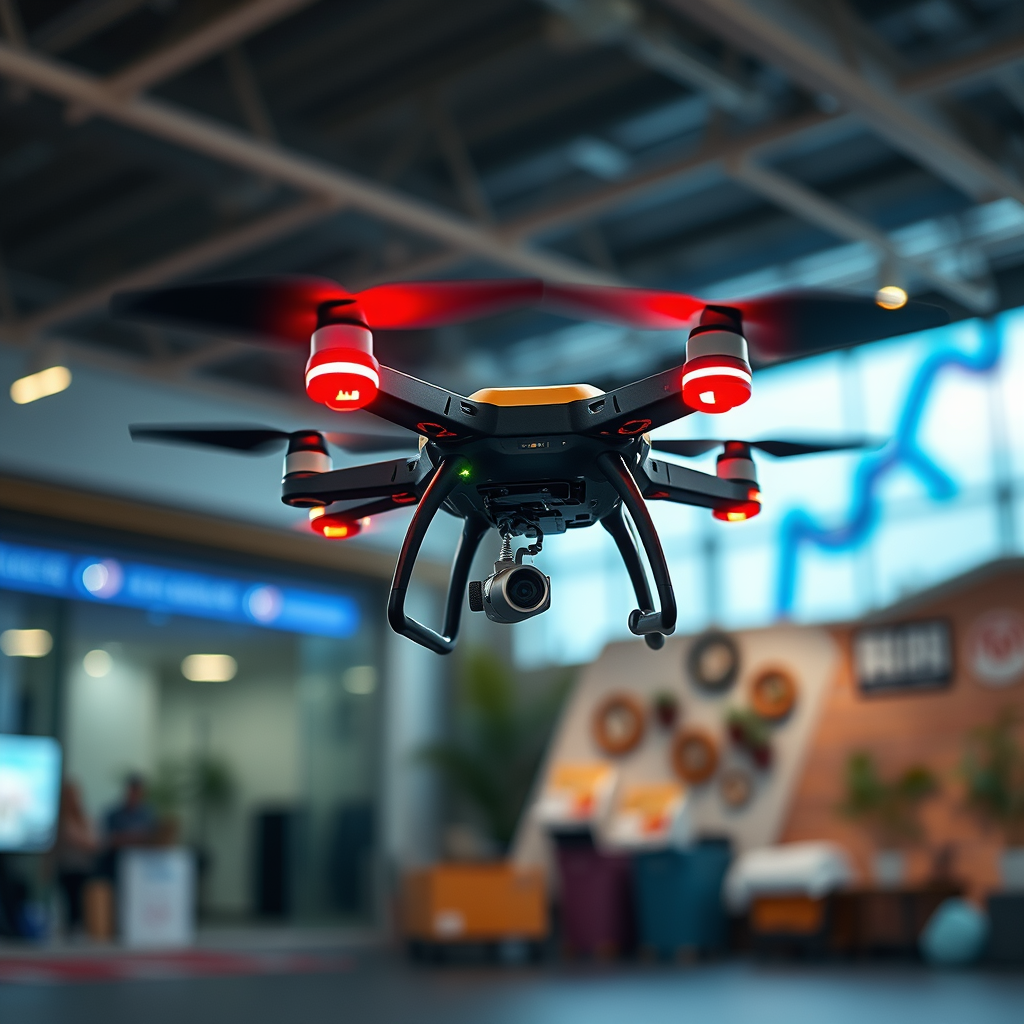
As of now, several companies, including Amazon, Google, and UPS, have launched pilot programs for drone delivery services, showcasing the potential for rapid logistics solutions. However, these services face operational challenges, such as limited range, payload capacity, and the need for precise delivery mechanisms. Weather conditions and technical malfunctions can also disrupt operations, necessitating robust contingency plans.
Market adoption rates for drone deliveries remain modest, with consumers showing a mixed response. While some embrace the convenience of drone deliveries, others express concerns regarding safety, noise pollution, and the environmental impact of drones. According to a recent survey, around 60% of consumers are interested in drone delivery, but only 30% would use the service regularly. This indicates that while acceptance is growing, significant barriers remain.
Technological Advancements
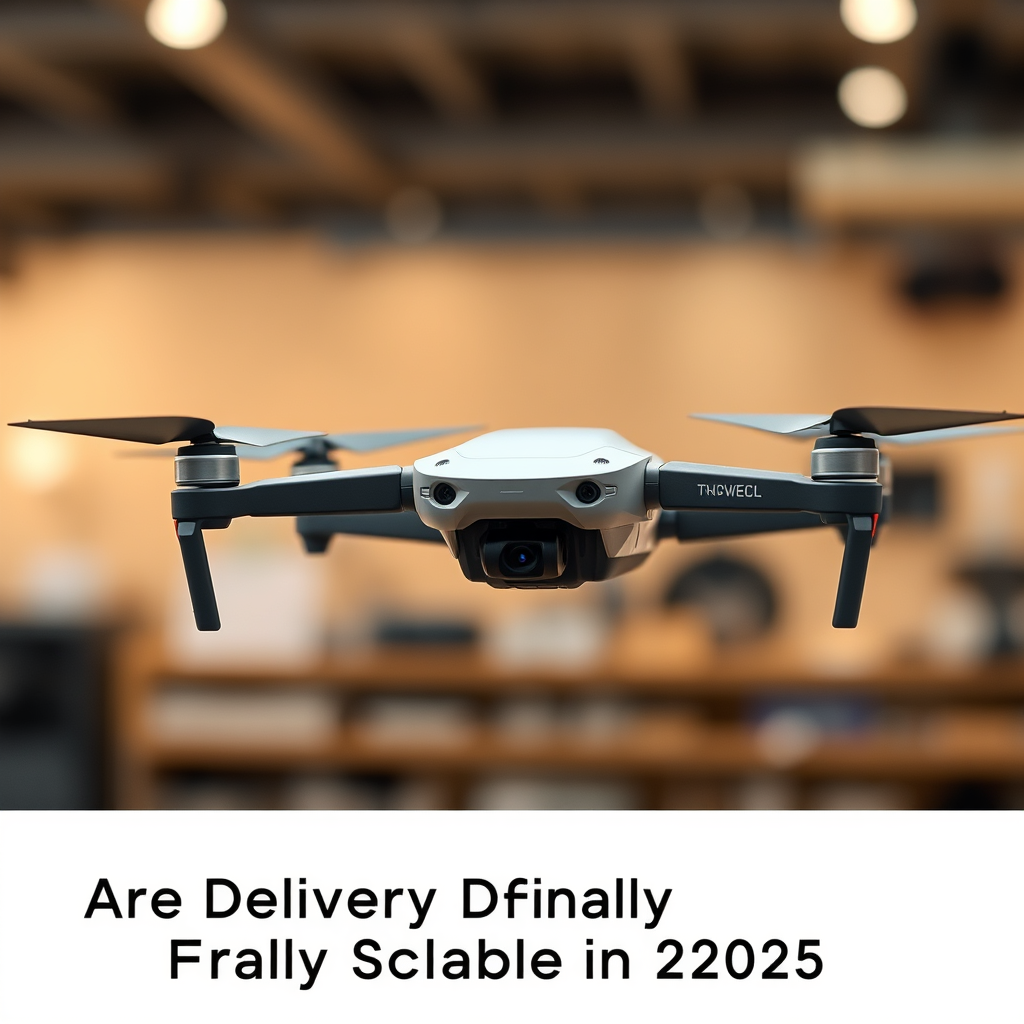
Innovations in drone technology are addressing many of the limitations currently faced in delivery systems. Manufacturers are developing drones with improved efficiency, longer ranges, and larger payload capabilities. For instance, advancements in materials science have led to lighter, more durable designs that enhance flight performance.
Battery technology is also evolving, with companies like QuantumScape working on solid-state batteries that promise significantly longer life and faster charging times. These developments could enable drones to cover greater distances on a single charge, thus expanding their operational areas and improving service reliability. Furthermore, enhancements in autonomous navigation capabilities, such as computer vision and real-time obstacle detection, are allowing drones to navigate complex urban environments safely and efficiently.
Regulatory Landscape
The regulatory environment for drone operations is currently fragmented, with different countries and jurisdictions implementing varying regulations. In the United States, the Federal Aviation Administration (FAA) has established guidelines that govern drone usage, including restrictions on flight altitude and requirements for pilot certification.
Looking ahead, significant changes are anticipated in the regulatory landscape. The FAA is expected to introduce more flexible regulations that could streamline drone operations, such as Remote Identification requirements and the integration of drones into the national airspace system. These changes could facilitate broader adoption of drone delivery services and address safety concerns, paving the way for scalability.
Market Demand and Consumer Trends
The surge in e-commerce has fundamentally altered consumer expectations regarding delivery services. Shoppers increasingly demand faster delivery options, with many willing to pay a premium for same-day or even hour-based deliveries. A report from McKinsey & Company found that 75% of consumers expect delivery within three hours of placing an order, underscoring the need for rapid logistics solutions.
As e-commerce continues to grow—projected to reach $8 trillion by 2025—the demand for innovative delivery methods will only increase. Drone deliveries present businesses with the opportunity to enhance their logistics capabilities and meet these rising consumer expectations. Companies that invest in drone technology now may gain a substantial competitive edge as the market evolves.
Key Players and Industry Partnerships
Several key players are shaping the drone delivery landscape. Amazon has established Prime Air, aiming to deliver packages within 30 minutes, while UPS is collaborating with companies like Matternet to expand its drone delivery capabilities in urban areas.
Furthermore, partnerships between technology firms and logistics providers are becoming more prevalent. For instance, Zipline, a company known for its medical supply deliveries in remote areas, has partnered with various health organizations to expand its operations. These collaborations not only enhance technological capabilities but also provide critical insights into operational requirements and consumer behavior, driving the scalability of drone delivery services.
Challenges to Scalability
Despite the promising outlook for drone delivery, several challenges must be addressed to achieve scalability. Logistical concerns, such as the efficient management of delivery routes and the coordination with existing transport systems, remain significant hurdles. Additionally, safety and privacy issues are paramount; public concerns about drone accidents or unauthorized surveillance could hinder widespread acceptance.
Air traffic management is another critical barrier. As drone operations increase, integrating them safely into congested airspace will be essential. Solutions such as drone traffic management systems need to be developed to ensure safe and efficient operations. Furthermore, public perception will play a crucial role in the adoption of drone delivery services; addressing concerns through transparent communication and community engagement will be vital.
Future Outlook for Delivery Drones
The market landscape for delivery drones in 2025 and beyond is expected to be dynamic and transformative. As technology continues to evolve and regulations adapt, we anticipate a more integrated approach to drone logistics. Businesses that proactively invest in drone technology, navigate regulatory changes, and understand consumer preferences will likely thrive in this emerging market.
Opportunities for innovation abound, from improving drone design and functionality to developing software solutions that optimize delivery routes. Additionally, as urbanization increases, drones may play a pivotal role in addressing the logistical challenges associated with densely populated areas.
As we look ahead, the potential for delivery drones to achieve scalability by 2025 appears promising, though not without its hurdles. It’s essential for businesses to stay informed and adapt to the evolving landscape of drone technology and regulations. Engaging with industry developments now can prepare companies for a future where drone delivery could become a standard practice.
Frequently Asked Questions
What advances in technology make delivery drones scalable in 2025?
In 2025, delivery drones are expected to leverage advancements in battery life, navigation systems, and automation technologies. These improvements will allow drones to cover longer distances, operate in various weather conditions, and navigate complex urban environments efficiently. Additionally, the integration of artificial intelligence for better route optimization and real-time tracking will enhance the scalability of drone delivery services, making them more reliable for businesses and consumers alike.
How are regulatory changes impacting the scalability of delivery drones in 2025?
Regulatory changes are crucial for the scalability of delivery drones in 2025, as governments worldwide are increasingly establishing frameworks that support drone operations. This includes clearer guidelines on airspace management, safety protocols, and operational limitations. As regulations become more favorable, businesses will find it easier to deploy drone delivery systems, leading to wider acceptance and integration into existing logistics networks.
Why are delivery drones considered an eco-friendly solution in 2025?
Delivery drones are seen as eco-friendly solutions in 2025 due to their lower carbon footprint compared to traditional delivery vehicles. They typically rely on electric power, which significantly reduces greenhouse gas emissions, especially when the energy comes from renewable sources. Furthermore, drones can optimize delivery routes, resulting in reduced traffic congestion and less energy consumption, aligning with global sustainability goals and consumer preferences for greener delivery options.
What industries could benefit the most from scalable delivery drones in 2025?
Several industries stand to benefit significantly from scalable delivery drones in 2025, particularly e-commerce, healthcare, and food delivery. E-commerce companies can utilize drones for rapid last-mile delivery, improving customer satisfaction. The healthcare sector can leverage drones for urgent medical supplies and pharmaceuticals, especially in remote areas. Meanwhile, the food delivery industry can enhance service speed and efficiency, appealing to a growing demand for convenience among consumers.
Which challenges still exist for the widespread adoption of delivery drones by 2025?
Despite progress, several challenges remain for the widespread adoption of delivery drones by 2025. Key issues include air traffic management, ensuring safety in crowded urban environments, and addressing privacy concerns from the public. Additionally, the need for substantial investment in infrastructure, such as charging stations and maintenance facilities, is crucial for supporting a scalable drone delivery ecosystem. Overcoming these hurdles will be essential for the successful integration of drones into the logistics landscape.
References
- https://en.wikipedia.org/wiki/Drone_delivery
- https://www.nytimes.com/2023/01/01/technology/drone-delivery.html
- https://www.reuters.com/business/aerial-delivery-drones-face-hurdles-2025-04-14/
- https://www.bbc.com/news/technology-64012345
- https://www.sciencedirect.com/science/article/pii/S0968090X20303783
- Unmanned Aircraft Systems (UAS) | Federal Aviation Administration
- https://www.nasa.gov/aeroresearch/technology/drones
- https://www.techcrunch.com/2023/06/15/are-drones-the-future-of-delivery/
- MIT News | Massachusetts Institute of Technology
