
Drone-to-drone communication is poised to transform aerial operations by facilitating seamless data exchange and collaboration among unmanned systems. This innovation promises to enhance efficiency across various sectors, including logistics, agriculture, and emergency response. As we delve into the technologies driving this transformation, we will examine their potential applications and the challenges that must be addressed to fully realize this revolutionary capability.
The Technology Behind Drone-to-Drone Communication
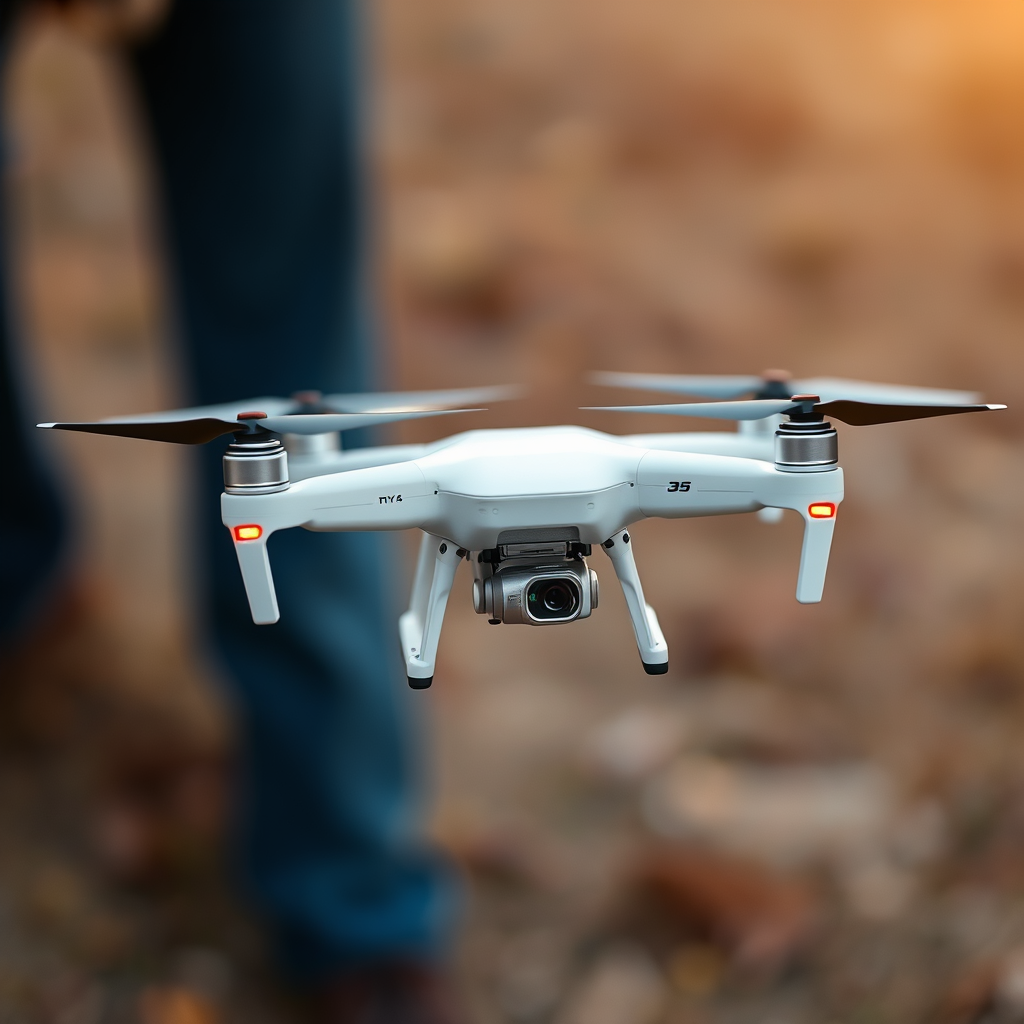
In the realm of drone-to-drone communication, various protocols serve as the backbone of interaction. Protocols such as Wi-Fi, Bluetooth, and Dedicated Short-Range Communications (DSRC) enable drones to exchange vital information in real-time. Wi-Fi offers high-speed data transfer, making it suitable for applications requiring substantial bandwidth, such as video streaming and data-intensive tasks. Bluetooth, while more limited in range and speed, provides a power-efficient solution for simpler communication needs. DSRC, designed specifically for vehicular communication, offers low-latency connections over short distances, making it an excellent choice for drones operating in densely populated areas.
The advent of 5G technology is another significant leap forward for drone-to-drone communication. With its ultra-reliable low-latency communication (URLLC) and enhanced mobile broadband (eMBB) capabilities, 5G networks will enable real-time communication and rapid data transfer between drones. This improvement is crucial for applications where timely information is critical, such as in search and rescue missions or emergency response scenarios. The integration of these technologies is paving the way for a more interconnected and efficient drone ecosystem.
Applications in Various Industries
The potential applications of drone-to-drone communication are vast, with significant implications for various industries. In the logistics sector, for example, drones equipped with this technology can optimize delivery routes by sharing real-time data about traffic conditions, weather, and package status. This collaborative approach not only enhances operational efficiency but also improves customer satisfaction by providing accurate delivery estimates.
In agriculture, drone-to-drone communication can transform crop monitoring and precision farming practices. Drones can work in tandem to survey large fields, collect data on crop health, and even coordinate the application of fertilizers or pesticides. For instance, a fleet of drones can divide a large acreage into manageable sections, communicate their findings to one another, and adjust their actions based on collective data insights. This collaboration can lead to increased yields and reduced resource waste, marking a significant advancement in agricultural productivity.
Enhancing Safety and Navigation
Safety is a paramount concern in drone operations, particularly as their use becomes more widespread. Collision avoidance systems powered by drone-to-drone communication are crucial for maintaining safe navigation. Drones can share their locations, speeds, and intended flight paths with one another, allowing them to anticipate and avoid potential collisions. This capability is particularly vital in urban environments, where the density of aerial traffic is increasing.
Moreover, coordinated flight operations can enhance the effectiveness of complex missions such as search and rescue operations. Imagine a scenario where multiple drones are deployed to locate missing persons in a vast wilderness. By communicating with one another, these drones can cover more ground efficiently, share vital information about their findings, and adjust their search patterns in real-time. This level of collaboration not only expedites the search process but also increases the chances of successful outcomes.
Regulatory and Security Considerations
As drone-to-drone communication technology advances, regulatory frameworks must evolve to accommodate these innovations. Currently, aviation authorities around the world have established regulations governing drone operations, but the unique challenges posed by inter-drone communication require further consideration. Governments will need to address issues such as airspace management, communication protocols, and the integration of these technologies into existing aviation systems. Collaboration between industry stakeholders and regulatory bodies will be essential to create a comprehensive regulatory environment that promotes safety and innovation.
Cybersecurity is another critical aspect of drone-to-drone communication. As drones become more interconnected, they also become more vulnerable to hacking and unauthorized access. Securing communication channels is paramount to protect sensitive data and ensure the integrity of operations. Implementing robust encryption protocols, authentication measures, and regular security audits will be essential to safeguarding drone communications and mitigating potential risks.
Future Trends and Innovations
Looking ahead, the integration of artificial intelligence (AI) and machine learning into drone-to-drone communication will significantly enhance decision-making capabilities and operational efficiencies. AI algorithms can analyze vast amounts of data in real-time, allowing drones to make informed decisions about flight paths, obstacle avoidance, and task allocation. This advanced level of autonomy will enable drones to respond to dynamic conditions and adapt to changing environments.
Fully autonomous operations are on the horizon, where drones can collaborate without human intervention. This shift will have profound implications for industries such as logistics, agriculture, and disaster response. Imagine fleets of drones operating independently, dynamically adjusting their strategies based on real-time data and communication with one another. This level of autonomy will not only increase efficiency but also reduce human error, ultimately leading to safer and more effective aerial operations.
Challenges to Overcome
Despite the promising advancements in drone-to-drone communication, several challenges must be addressed to achieve reliable and widespread adoption. Technical barriers, such as ensuring compatibility between different communication protocols and overcoming bandwidth limitations, need to be tackled. Moreover, the development of standardized communication frameworks will be crucial to facilitate interoperability among various drone models and manufacturers.
Public perception and acceptance of drone technology also pose challenges. Concerns regarding privacy, safety, and the potential for misuse can hinder the adoption of drone-to-drone communication systems. Engaging with communities, educating the public about the benefits of these technologies, and addressing safety concerns will be essential for fostering acceptance and promoting the responsible use of drones.
The advancements in drone-to-drone communication hold immense potential for improving efficiency and safety across multiple industries. By understanding the technologies, applications, and challenges involved, stakeholders can better prepare for the future of aerial operations. As innovations continue to unfold, staying informed and engaged with developments in this exciting field will be crucial for harnessing the full potential of drone-to-drone communication.
Frequently Asked Questions
What are the key benefits of drone-to-drone communication?
Drone-to-drone communication offers several key benefits, including enhanced coordination for complex tasks, improved data sharing for real-time decision-making, and increased operational efficiency. By allowing drones to share information such as location, altitude, and mission objectives, they can work collaboratively, reducing the risk of collisions and optimizing flight paths for tasks such as surveillance, package delivery, or disaster response.
How does drone-to-drone communication work?
Drone-to-drone communication typically works through various wireless technologies, including Wi-Fi, Bluetooth, and dedicated radio frequencies. These methods enable drones to exchange data packets with minimal latency, allowing them to coordinate movements and share real-time information. Advanced algorithms and protocols govern this communication, ensuring drones can autonomously adjust their actions based on the information received from each other.
Why is drone-to-drone communication important for future applications?
As drone technology continues to evolve, drone-to-drone communication is crucial for future applications such as autonomous delivery systems, agricultural monitoring, and search and rescue operations. It enhances the drones’ ability to operate as a cohesive unit, leading to increased safety, reduced operational costs, and the ability to tackle more complex missions. With the rise of smart cities and automated logistics, efficient drone communication will be a cornerstone of future urban infrastructure.
Which industries could benefit most from drone-to-drone communication?
Several industries stand to benefit significantly from drone-to-drone communication, including logistics and supply chain management, agriculture, public safety, and energy. In logistics, drones can communicate to optimize delivery routes and reduce transit times. In agriculture, they can collaborate to monitor crop health and assess land conditions. Meanwhile, in public safety, drones can coordinate during emergency responses, enabling faster and more effective operations.
What challenges does drone-to-drone communication face today?
Today, drone-to-drone communication faces several challenges, including regulatory hurdles, cybersecurity risks, and technological limitations. Regulatory bodies are still developing frameworks to safely integrate drones into national airspace, while cybersecurity concerns arise from the potential for interference or hacking. Additionally, current communication technology may not always provide reliable connectivity, particularly in densely populated or remote areas, hindering the full potential of coordinated drone operations.
References
- https://en.wikipedia.org/wiki/Drone_communication
- https://www.nist.gov/news-events/news/2022/06/nist-supports-development-drone-communications
- https://www.researchgate.net/publication/330456789_The_Future_of_Drone_to_Drone_Communication
- https://www.sciencedirect.com/science/article/pii/S2352146518301289
- https://www.nasa.gov/press-release/nasa-s-drone-delivery-research-aims-to-improve-urban-air-mobility
- https://www.bbc.com/news/technology-48722401
- https://www.techrepublic.com/article/how-drone-communication-is-evolving-in-the-21st-century/
- Applications of Unmanned Aerial Systems (UAS): A Delphi Study Projecting Future UAS Missions and …
