
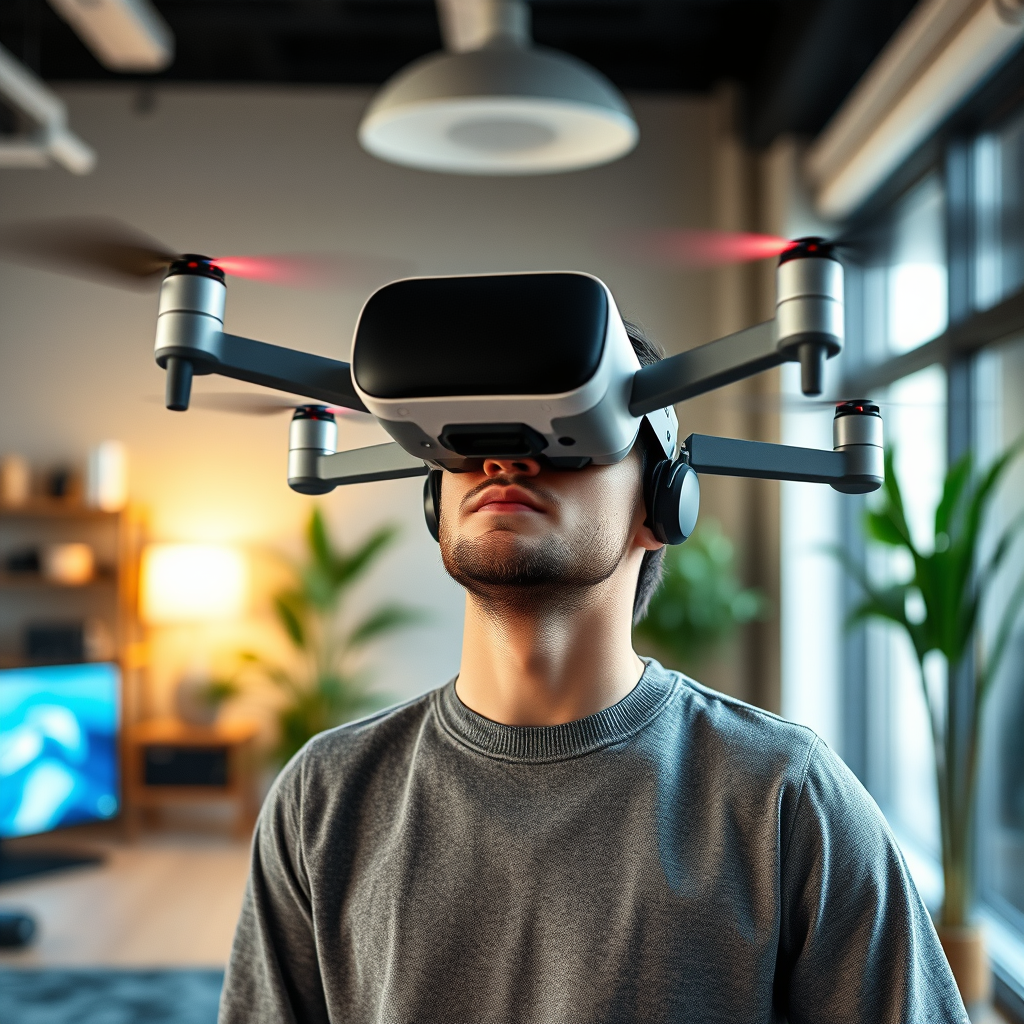
Drones are revolutionizing virtual reality (VR) experiences by providing immersive, real-time aerial footage that enhances user engagement and realism. By integrating drone technology with VR, users can explore environments from unique perspectives, leading to richer and more interactive experiences. The convergence of these two technologies not only elevates entertainment and education but also opens up new avenues in industries such as real estate and tourism. In this article, we’ll delve into the ways drones are transforming VR, the benefits they bring, and the applications across various fields.
The Integration of Drones and Virtual Reality
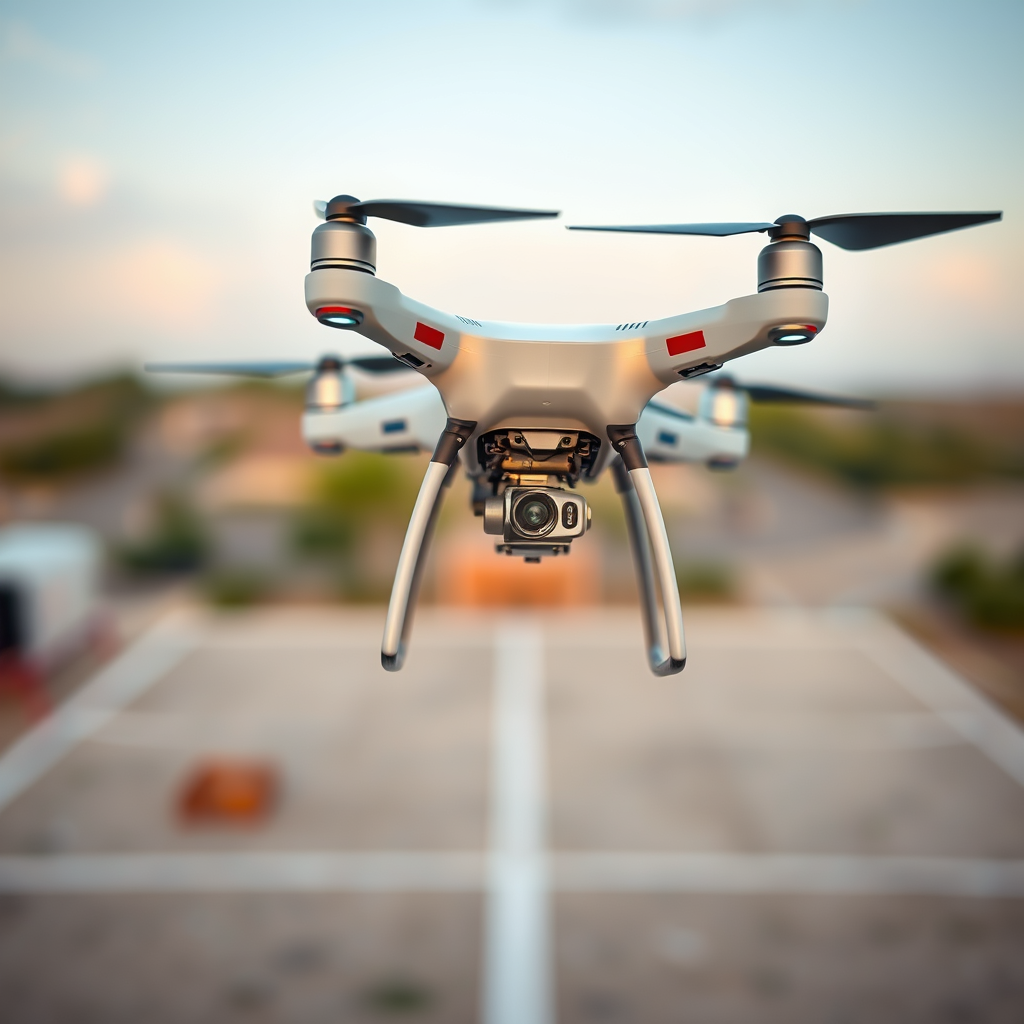
The integration of drones and virtual reality is a game-changer, allowing for the capture of high-quality aerial imagery and video that can be seamlessly incorporated into VR environments. Drones equipped with advanced cameras can capture stunning landscapes, cityscapes, and events from unique aerial viewpoints, providing content that is often unattainable through traditional filming methods. This synergy enables users to experience locations and events that may be physically inaccessible—such as remote natural wonders or exclusive events—creating a profound sense of presence and exploration.
For instance, companies like DJI are pioneering drone technology that offers 4K video capabilities, which can be directly fed into VR systems. This allows users to not only view but also interact with the environment in real time, enhancing the overall experience. The seamless integration of drone footage into VR headsets enables users to feel as if they are truly “there,” fostering a deeper emotional connection to the content.
Enhanced Realism and Immersion
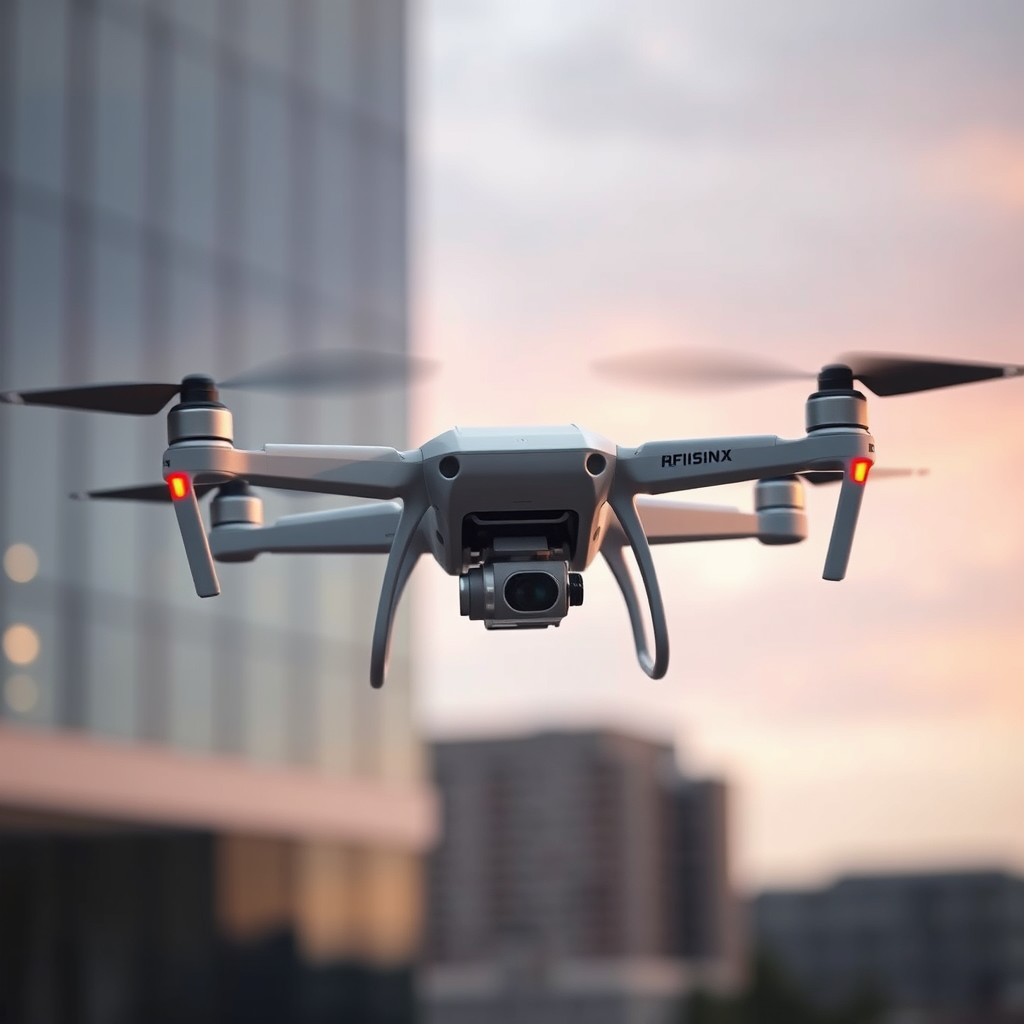
One of the most significant advantages of incorporating drone footage into virtual reality is the enhanced realism and immersion it offers. Aerial footage from drones provides a dynamic perspective that static or ground-level VR environments simply cannot match. Unlike traditional VR experiences that may rely on pre-rendered graphics or limited viewpoints, drone-captured content allows for fluid, real-world visuals that react to user movements and interactions.
Users can enjoy dynamic views that shift with their gaze, making virtual experiences feel substantially more lifelike and engaging. For example, a VR experience that simulates a hike through the Grand Canyon can utilize drone footage to give users an authentic sense of scale and distance, as they can look down into the canyon’s depths or scan the horizon for vistas. This level of interactivity not only captivates users but also encourages exploration and discovery, transforming passive viewing into active participation.
Applications in Various Industries
The application of drones in virtual reality spans multiple industries, each benefiting from the unique capabilities that this technology brings.
In the real estate sector, for instance, drones can provide breathtaking aerial tours of properties, allowing potential buyers to explore homes and neighborhoods from above before committing to an in-person visit. This not only saves time for both buyers and agents but also enhances the decision-making process by offering a more comprehensive view of the property and its surroundings.
The entertainment industry has also embraced drone technology to create innovative VR content. Concerts, sports events, and festivals are now being filmed from aerial perspectives, allowing audiences to experience these events as if they were right in the middle of the action. Companies like Intel have utilized drones to create stunning light shows that merge with VR experiences, providing users with a multi-sensory engagement that traditional filming cannot achieve.
Furthermore, the tourism industry is capitalizing on this technology by offering virtual travel experiences. Users can explore famous landmarks or hidden gems from around the world without ever leaving their homes. This not only caters to those unable to travel but also serves as a marketing tool for destinations looking to attract visitors.
Educational Uses of Drones in VR
The educational potential of drones combined with virtual reality is vast and transformative. In fields like geography, archaeology, and environmental science, drones can facilitate immersive learning experiences that enhance understanding and retention. For instance, students studying geography can virtually fly over topographical features, examining the landforms and ecosystems in ways that textbooks cannot replicate.
Archaeology is another field where this technology shines. Drones can be used to map and visualize historical sites, allowing students to explore ancient ruins from various vantage points. This interactive approach fosters a deeper connection to the material and encourages critical thinking and analysis.
Additionally, environmental science students can use drone-captured data to study ecosystems, monitor wildlife, and even track environmental changes over time. By placing learners in a virtual environment enriched with real-time data, educators can create a more engaging and impactful educational experience.
The Future of Drones and Virtual Reality
The future of drones and virtual reality is promising, with ongoing advancements in technology that will likely lead to even more sophisticated applications. Improvements in drone battery life, camera quality, and AI integration will enhance the capabilities of both drones and VR systems.
One exciting prospect is the potential for real-time interaction with drone-captured environments. Imagine a scenario where users can not only view a landscape but also manipulate elements within it—changing weather patterns, altering lighting conditions, or even interacting with virtual wildlife. Such advancements would further blur the lines between virtual and reality, creating experiences that are not only immersive but also personalized.
Moreover, as the technology matures, we can expect to see a broader range of applications across industries—from disaster response training simulations to virtual shopping experiences that incorporate drone views of products. The possibilities are virtually limitless.
Safety and Regulatory Considerations
As drones become more prevalent in virtual reality applications, understanding safety regulations and guidelines is essential for responsible use. Users and developers must stay informed about local laws governing drone flights, especially in populated areas, to ensure compliance and safety.
Regulatory bodies such as the Federal Aviation Administration (FAA) in the United States have established rules around drone usage, including restrictions on flight heights, no-fly zones, and requirements for drone registration. It is crucial for businesses and individuals engaging in drone-based VR experiences to adhere to these regulations to avoid legal repercussions and ensure the safety of both operators and the public.
Additionally, ethical considerations must be taken into account, particularly regarding privacy rights. Developers should implement measures to protect the privacy of individuals when capturing footage in residential or crowded areas, fostering trust and responsibility within the community.
Conclusion
Drones are significantly enhancing virtual reality experiences by providing new dimensions of immersion and interaction. From real estate and education to entertainment and tourism, the integration of drone technology with VR is opening up new horizons for user engagement. As technology progresses, we can expect even more innovative applications across various fields. To explore these advancements further, consider trying out VR experiences that incorporate drone technology or stay updated on the latest trends in this exciting intersection. The future promises to be an exhilarating blend of reality and imagination, driven by the capabilities of drones and virtual reality.
Frequently Asked Questions
How are drones used to enhance virtual reality experiences?
Drones enhance virtual reality (VR) experiences by providing immersive aerial footage and real-time data collection from hard-to-reach locations. By capturing high-definition video and images from various angles, drones allow developers to create more realistic and engaging environments in VR applications, particularly for tourism, gaming, and training simulations. This integration of drone technology enriches the user’s experience by offering a sense of presence and exploration that static images cannot achieve.
What are the benefits of combining drones with virtual reality technology?
The combination of drones and virtual reality offers several benefits, including improved engagement and interactivity for users. Drones can capture live data and streaming video, enabling users to explore remote locations virtually as if they were physically present. This synergy also provides valuable applications in fields such as real estate, education, and emergency response, where immersive simulations can lead to better decision-making and enhanced learning experiences.
Which industries are leveraging drones to improve VR experiences?
Various industries are leveraging drones to enhance VR experiences, including real estate, tourism, entertainment, and education. In real estate, drones provide stunning aerial imagery that can be integrated into virtual tours, allowing potential buyers to visualize properties more effectively. In tourism, drones offer immersive experiences of destinations, while in education, they create interactive learning environments that engage students in ways traditional methods cannot.
Why are drones important for creating lifelike virtual environments?
Drones are crucial for creating lifelike virtual environments because they provide dynamic, real-time visuals that traditional photography cannot replicate. They can capture vast landscapes and intricate details from multiple perspectives, enriching the VR experience by adding depth and realism. This capability allows users to explore environments in a more engaging way, fostering a deeper connection to the virtual world and enhancing the overall immersive experience.
How can I choose the best drone for enhancing my VR projects?
To choose the best drone for enhancing VR projects, consider factors such as camera quality, flight time, stability, and ease of use. Look for drones equipped with high-resolution cameras that can capture 4K video or higher, as this will ensure better visual quality in your VR content. Additionally, consider the drone’s GPS capabilities and features like obstacle avoidance for safe operation. Research user reviews and professional recommendations to find a model that best fits your specific VR needs.
References
- Drone
- https://www.reuters.com/technology/drones-virtual-reality-2022-06-01/
- https://www.sciencedirect.com/science/article/pii/S2096579621000396
- https://www.nytimes.com/2020/10/07/technology/drones-virtual-reality.html
- https://www.bbc.com/future/article/20210127-how-drones-could-help-rebuild-the-world
- https://www.wired.com/story/augmented-reality-drones/
- https://www.techcrunch.com/2021/09/15/drone-vr-interaction/
- https://www.itu.int/en/ITU-T/focusgroups/ai4good/Pages/default.aspx
