
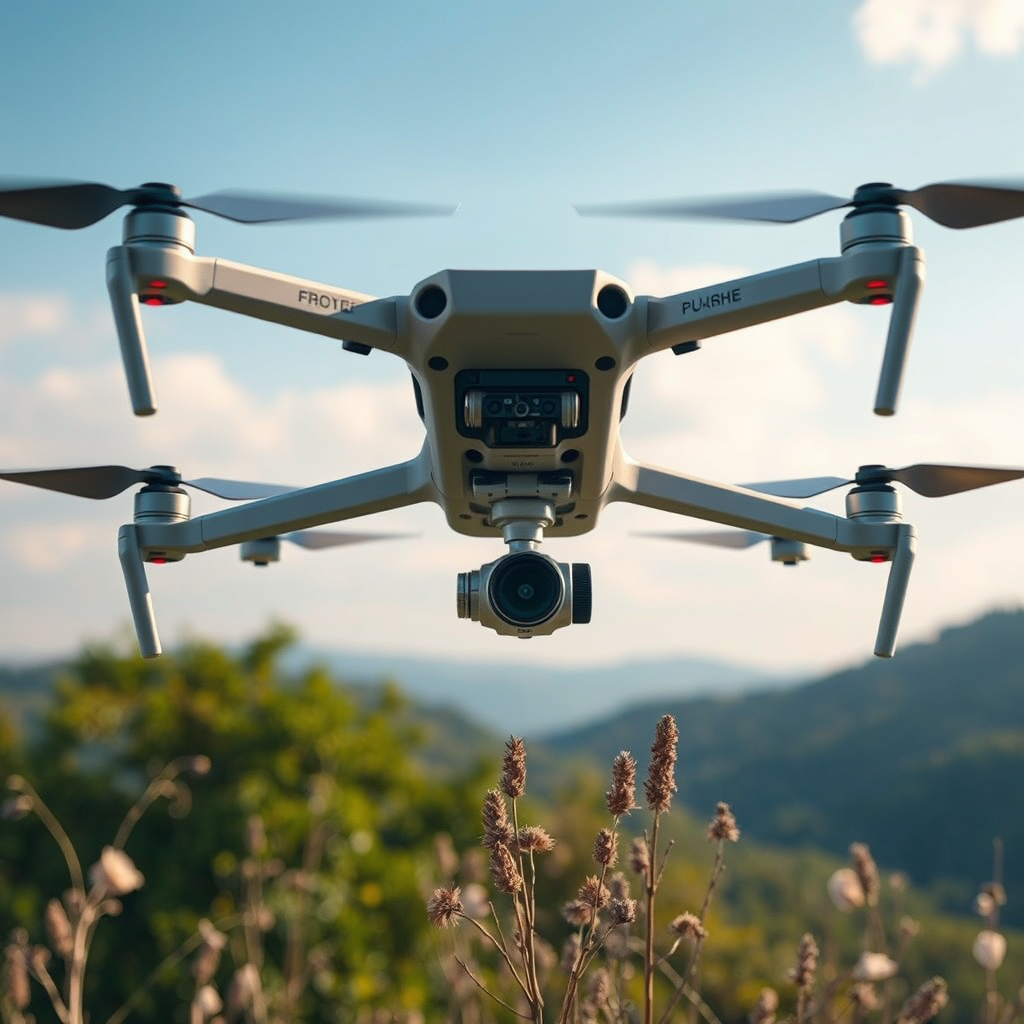
Bio-inspired drones enhance efficiency by emulating the unique adaptations found in nature, such as the flight patterns of birds and the maneuverability of insects. By harnessing the principles of biomimicry, these technological marvels are revolutionizing aerial capabilities, optimizing performance across various sectors, and paving the way for sustainable solutions. This article delves into the intricacies of bio-inspired drones, examining how nature serves as an invaluable blueprint for innovation.
The Concept of Biomimicry in Drone Design
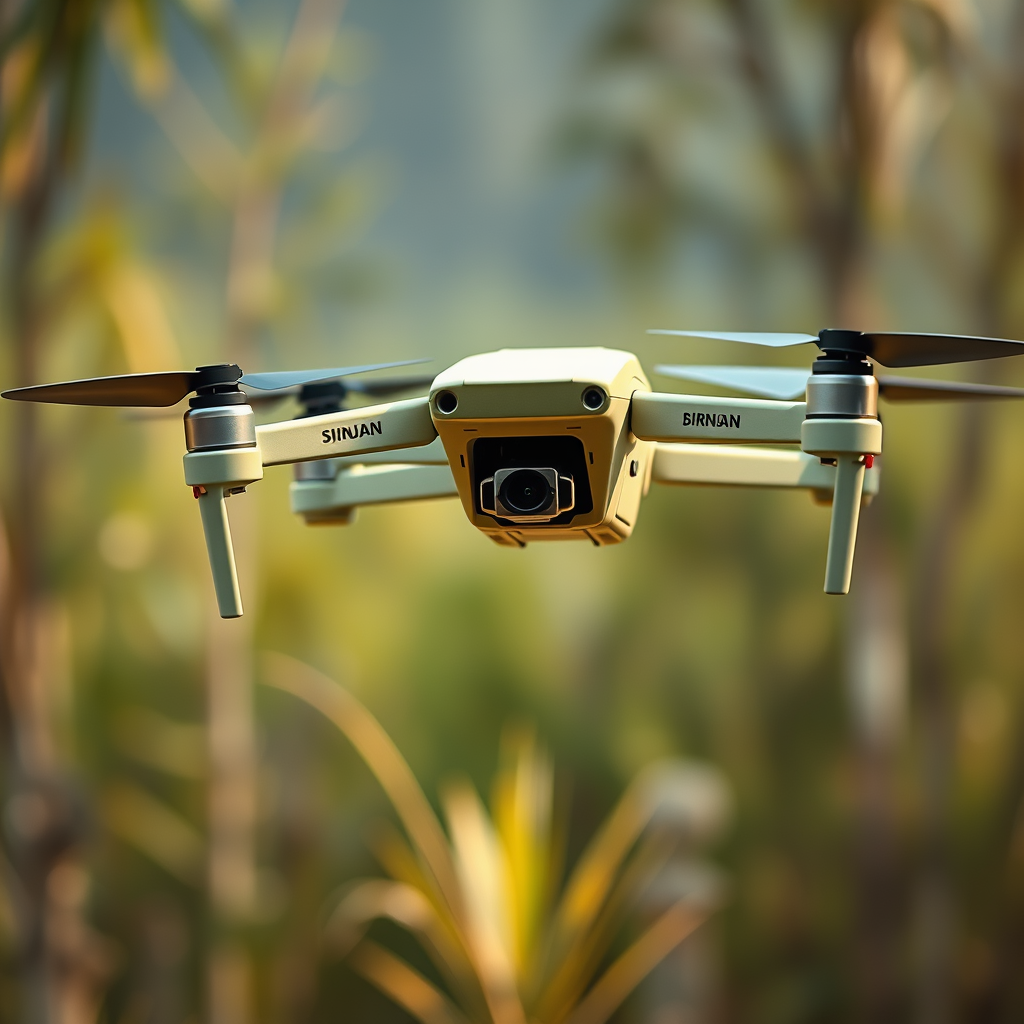
Biomimicry refers to the practice of drawing inspiration from the natural world to solve human challenges, particularly in technology and design. This approach is increasingly relevant in the development of drones, as engineers and designers study the complexities of animal behavior and physiology to enhance aerial performance. For instance, the way birds glide on air currents or how insects navigate through dense environments provides critical insights for crafting drones that can operate effectively in similar conditions.
Natural phenomena that inspire drone designs include the aerodynamic shapes of birds’ wings, the unique flight patterns of various species, and the structural efficiencies observed in insects. The albatross, known for its long-distance gliding, teaches us about energy conservation in flight, while the agility of dragonflies informs the design of drones that require rapid directional changes. By replicating these biological systems, engineers are developing drones that not only perform better but also reduce energy consumption and increase operational range.
Key Features of Bio-Inspired Drones
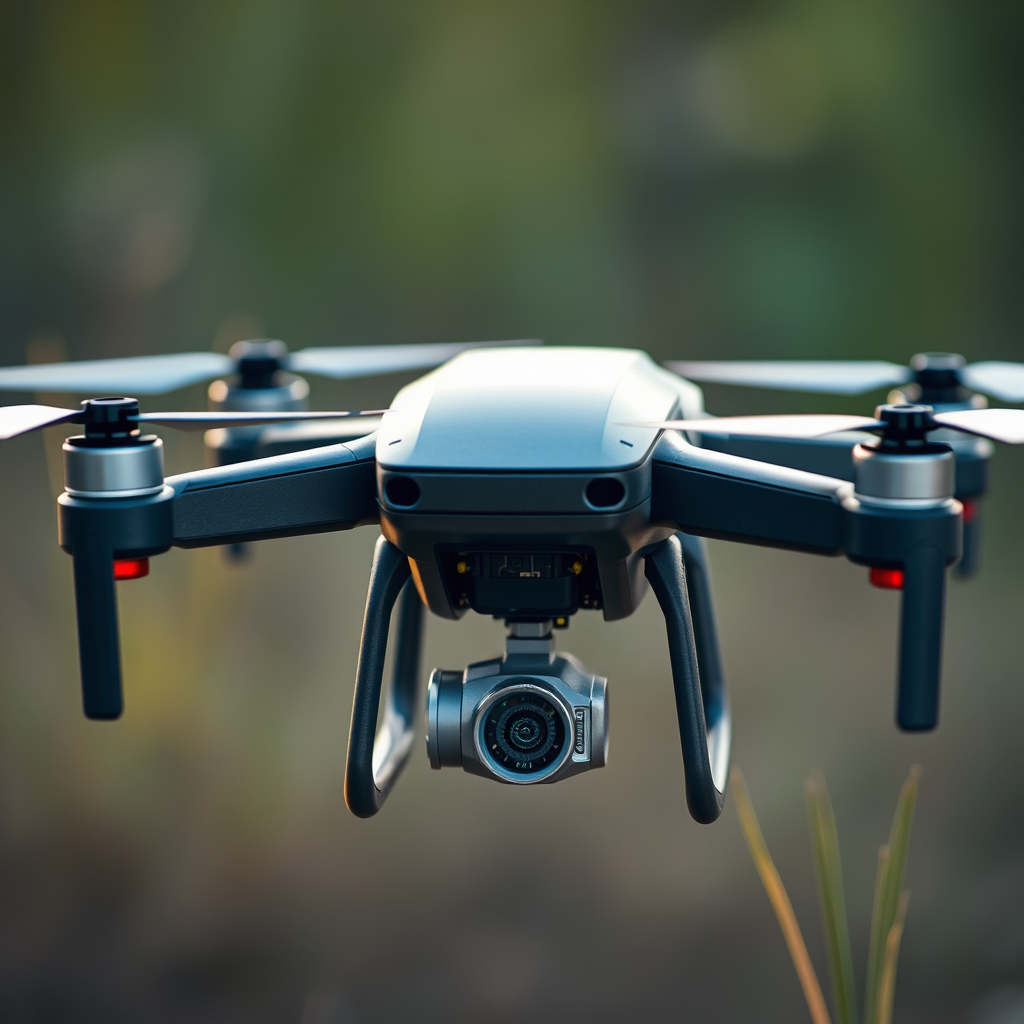
One of the standout features of bio-inspired drones is their flapping wings, which are inspired by birds. These wings allow for enhanced lift and agility, enabling drones to take off and land in tighter spaces while maintaining stability in the air. For example, the use of wing flapping mimics the flight of hummingbirds, which can hover in place and change direction with remarkable precision. This capability is particularly useful in applications requiring precise movements, such as surveillance and monitoring.
Additionally, bio-inspired drones often incorporate flexible structures that mimic the bodies of insects. These designs enable the drones to bend and twist, allowing them to navigate through complex environments with ease. For instance, drones modeled after the bodies of butterflies can maneuver through narrow passageways and around obstacles, making them ideal for tasks such as search and rescue missions in urban settings. The combination of flapping wings and flexible bodies enhances the overall performance and versatility of these drones.
Advantages of Nature-Inspired Designs
The advantages of nature-inspired designs are manifold, with increased energy efficiency being one of the most significant benefits. By optimizing flight mechanics based on natural models, bio-inspired drones can operate with less power. For instance, drones that emulate the gliding techniques of birds can travel longer distances without the need for constant propulsion, thereby conserving battery life and reducing operational costs.
Moreover, bio-inspired drones exhibit enhanced adaptability to diverse environments and conditions. The structural innovations derived from nature allow these drones to perform effectively in various weather scenarios, from strong winds to heavy rain. This adaptability not only extends the operational capabilities of drones but also broadens their potential applications across different industries, including agriculture, surveillance, and disaster response.
Applications of Bio-Inspired Drones
Bio-inspired drones are making significant strides in various fields, notably agriculture and search and rescue operations. In agriculture, these drones are utilized for crop monitoring, where they can efficiently survey large areas to identify health issues in plants or detect pest outbreaks. By mimicking the flight patterns of birds, these drones can cover extensive fields quickly, providing farmers with timely data to make informed decisions.
In the realm of search and rescue operations, bio-inspired drones equipped with advanced navigation systems can navigate through challenging terrains, such as forests or urban environments. For instance, drones modeled after the flight patterns of dragonflies can maneuver through dense vegetation to locate missing persons or deliver supplies in disaster-stricken areas. Their ability to adapt to complex environments enhances their effectiveness in critical situations, ultimately saving lives.
Challenges and Limitations
Despite their potential, bio-inspired drones face several challenges and limitations. One primary hurdle is the technical difficulties associated with replicating complex biological systems. The intricate mechanics of natural flight, including the coordination of wing flapping and body movements, require sophisticated engineering solutions that are not always easy to achieve. Additionally, creating drones that can mimic the adaptability of insects demands extensive research and development.
Environmental concerns also play a role in the development of bio-inspired drones. As the demand for drone technology grows, the need for sustainable materials becomes increasingly important. Manufacturers must consider the environmental impact of the materials used in constructing these drones, which can lead to additional challenges in terms of cost and accessibility. Ensuring that bio-inspired drones are not only efficient but also environmentally friendly is crucial for their long-term viability.
Future Trends in Bio-Inspired Drone Technology
Emerging research areas in bio-inspired drone technology indicate promising advancements on the horizon. Researchers are exploring the integration of artificial intelligence with biomimetic designs, enabling drones to learn from their environments and adapt their flight strategies in real time. This could lead to drones that not only mimic nature but also evolve their capabilities based on experience.
Predictions for the next generation of drones suggest enhancements in autonomy, flight efficiency, and multi-environment adaptability. Future drones may incorporate advanced sensors and machine learning algorithms that allow them to recognize and respond to complex environmental stimuli, further enhancing their operational capabilities. As the field of bio-inspired drone technology continues to evolve, we can expect to see more innovative applications that leverage the remarkable efficiencies found in nature.
The advancements in bio-inspired drones highlight the incredible potential of nature as a blueprint for technological innovation. As this field continues to evolve, it promises to lead to more efficient, sustainable, and versatile aerial solutions. Explore these developments to stay informed and consider how they may impact your industry or interests. With each innovation, bio-inspired drones are not just enhancing our capabilities; they are forging a path towards a more sustainable and efficient future in aerial technology.
Frequently Asked Questions
What are bio-inspired drones and how do they mimic nature for efficiency?
Bio-inspired drones are unmanned aerial vehicles designed using principles and characteristics observed in nature. For example, researchers study the flight patterns of birds, insects, and even fish to create drones that can maneuver more efficiently in various environments. By imitating natural designs, such as the wings of a bird or the flapping motion of a dragonfly, these drones achieve superior aerodynamics and energy efficiency, making them ideal for tasks like surveillance, delivery, and environmental monitoring.
How do bio-inspired drones improve energy efficiency compared to traditional drones?
Bio-inspired drones enhance energy efficiency through their design and movement patterns that are modeled after natural creatures. For instance, drones that mimic the gliding ability of birds can soar longer distances with less power, while those designed like insects can utilize flapping flight to generate lift with minimal energy expenditure. This leads to longer flight times and reduced operational costs, making bio-inspired drones a more sustainable option for various applications.
Why are bio-inspired drones considered a breakthrough in drone technology?
Bio-inspired drones represent a significant breakthrough in drone technology because they leverage centuries of evolutionary optimization found in nature. By incorporating features such as flexible wings, adaptive flight patterns, and enhanced maneuverability, these drones can perform complex tasks that traditional drones struggle with. This innovation not only opens up new possibilities for drone applications in agriculture, search and rescue, and environmental monitoring but also addresses limitations in efficiency and performance seen in conventional designs.
What are the best applications for bio-inspired drones in real-world scenarios?
The best applications for bio-inspired drones include environmental monitoring, agricultural assessments, search and rescue operations, and wildlife tracking. For instance, drones that mimic birds can be used for surveying landscapes or monitoring wildlife without disturbing natural habitats, while insect-inspired drones can navigate through densely vegetated areas to gather data. Their ability to operate efficiently in diverse environments makes them invaluable tools across various sectors, enhancing both productivity and sustainability.
Which natural creatures are most commonly used as inspiration for drone design?
Some of the most commonly used natural creatures for bio-inspired drone design include birds, insects, and fish. Birds like hawks and eagles offer insights into efficient gliding and soaring, while insects such as bees and dragonflies provide lessons on agility and maneuverability during flight. Additionally, fish offer inspiration for underwater drones with their streamlined bodies, which facilitate movement through water. By studying these creatures, engineers can innovate drone designs that maximize performance and energy efficiency across different environments.
References
- https://en.wikipedia.org/wiki/Biomimicry
- https://www.nature.com/articles/s41598-020-79055-1
- https://www.sciencedirect.com/science/article/pii/S2096579621000574
- https://www.bbc.com/future/article/20210303-how-bio-inspiration-is-shaping-drones
- https://www.nasa.gov/feature/nasa-takes-inspiration-from-nature-for-drone-design
- https://www.researchgate.net/publication/331917078_Bio-inspired_drones_and_their_applications
- https://www.sciencedaily.com/releases/2017/06/170619093027.htm
