
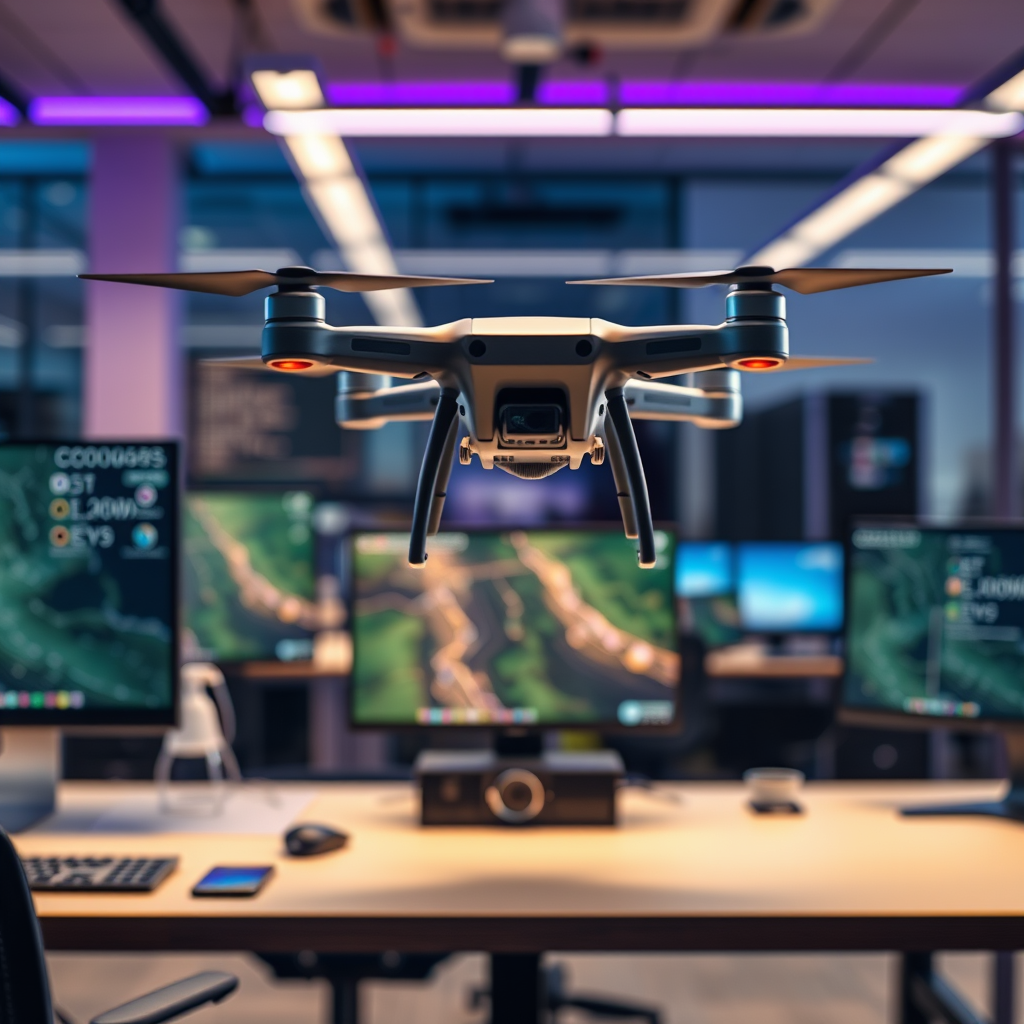
Drones are revolutionizing terrain mapping by integrating advanced AI technologies, allowing for greater accuracy and efficiency in capturing geographical data. By leveraging machine learning and sophisticated algorithms, drones equipped with AI are transforming the way we understand and manage landscapes, making significant strides in fields ranging from environmental monitoring to urban planning. This article delves into the multifaceted benefits and applications of AI-driven drone mapping, while also addressing the challenges and future trends in this rapidly evolving technological landscape.
The Role of AI in Drone Technology
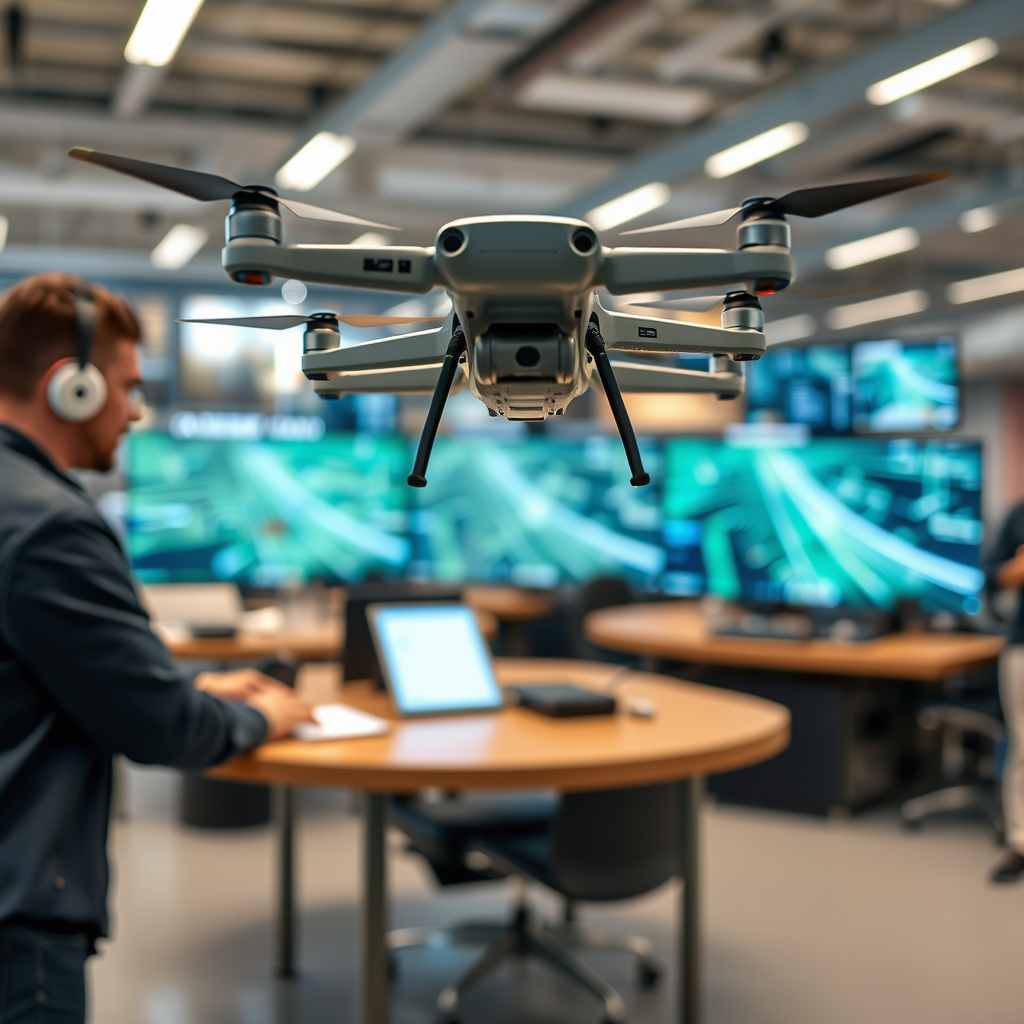
AI algorithms play a pivotal role in enhancing the capabilities of drone technology, particularly in the realms of image processing and data analysis. High-resolution aerial imagery captured by drones can be analyzed using AI techniques that automatically identify patterns, classify terrain features, and extract vital geographical data. For example, convolutional neural networks (CNNs) are frequently employed to detect changes in land use or vegetation cover, significantly increasing the accuracy of terrain representation.
Furthermore, machine learning allows drones to improve mapping accuracy over time by learning from previous datasets. As drones gather more information about specific terrains, they can refine their algorithms to produce even more precise maps. This iterative process not only enhances the quality of the data collected but also helps in predicting changes in landscapes, such as erosion or development, thus providing invaluable insights for future planning and management.
Benefits of Using Drones for Terrain Mapping

The use of drones for terrain mapping offers numerous benefits that traditional mapping methods cannot match. One significant advantage is the ability of drones to cover large areas quickly, drastically reducing the time and labor required for comprehensive mapping. Traditional survey methods often involve extensive ground crews and can take weeks or even months to complete, whereas drones can capture vast amounts of data in a matter of hours.
Additionally, the high-resolution imagery provided by drones enables detailed analysis of terrain features, such as elevation changes, vegetation health, and land use patterns. This level of detail can facilitate more informed decision-making in various sectors, including agriculture, forestry, and urban planning. For instance, farmers can use drone-captured data to monitor crop health, while urban planners can analyze land use to optimize infrastructure development.
Applications of AI-Driven Drone Mapping
AI-driven drone mapping has found applications in diverse fields, significantly enhancing operational efficiency and data accuracy. In environmental conservation, drones equipped with AI can provide precise data on land use and vegetation health, enabling organizations to monitor ecosystems and manage resources effectively. For example, the use of drones in tracking deforestation rates or assessing the health of coral reefs has proven invaluable in conservation efforts.
Infrastructure planning and maintenance also benefit from detailed topographical maps generated by drones. By producing accurate 3D models, planners can visualize potential development sites and assess the impacts of proposed projects on the environment. Moreover, utilities companies utilize drone mapping for inspecting power lines, pipelines, and roads, ensuring timely maintenance and reducing the risk of outages or accidents.
Challenges in AI Terrain Mapping with Drones
Despite the many advantages of using drones for terrain mapping, several challenges remain. One major concern is the impact of weather conditions on drone functionality and data accuracy. Rain, wind, and fog can hinder the ability of drones to capture clear images, leading to potential gaps in data collection. It is crucial for operators to conduct thorough weather assessments before deployment to ensure optimal conditions for mapping.
Additionally, data security and privacy concerns pose significant challenges. Drones often capture sensitive geographical information, which can raise issues regarding data ownership and privacy rights. Ensuring that collected data is secure and used responsibly is imperative for maintaining public trust and compliance with regulatory frameworks.
Future Trends in Drone Terrain Mapping
Looking ahead, the integration of AI with emerging technologies such as 5G is set to transform drone terrain mapping even further. The enhanced bandwidth and reduced latency offered by 5G networks will facilitate real-time data sharing and analysis, allowing for immediate decision-making based on the latest information. This capability is particularly important in time-sensitive applications, such as disaster response and environmental monitoring.
Moreover, the increased use of autonomous drones is expected to revolutionize continuous monitoring of terrains across various industries. These drones can be programmed to conduct regular surveys without human intervention, providing ongoing insights into changing landscapes. This trend will be particularly beneficial in sectors like agriculture and urban development, where consistent data is crucial for effective management.
Case Studies of Successful AI Drone Mapping
Numerous case studies illustrate the successful application of AI-driven drones in terrain mapping. One notable example is the use of drones in conservation projects, such as the monitoring of endangered species and their habitats. For instance, organizations have employed drones to track the migration patterns of wildlife while simultaneously assessing the health of their habitats. This data has led to more effective conservation strategies and policies.
In urban planning, cities like San Francisco have successfully utilized drones to gather data for land development projects. By employing drone mapping, planners have gained critical insights into existing infrastructure and land use patterns, enabling them to make informed decisions about future developments. This approach not only streamlines the planning process but also fosters community engagement by providing residents with accurate visualizations of proposed changes.
The advancements in AI technology paired with drone capabilities are reshaping terrain mapping, offering unprecedented accuracy and efficiency. As these technologies continue to evolve, they will play a crucial role in various sectors, from environmental management to urban development. By understanding the implications of AI-driven drone mapping, organizations can leverage these innovations for their own mapping needs, ensuring more effective and sustainable solutions for the challenges of tomorrow.
Frequently Asked Questions
How do drones utilize AI for terrain mapping?
Drones leverage AI by integrating advanced algorithms that process data collected from various sensors, such as LiDAR and cameras. This technology allows for the automatic identification and classification of terrain features, enabling quicker and more accurate mapping. By analyzing terrain elevation, vegetation types, and other geographical characteristics, AI enhances drone mapping efficiency, producing detailed 3D models and topographical maps with minimal human intervention.
What are the benefits of using AI-equipped drones for terrain mapping?
The primary benefits of using AI-equipped drones for terrain mapping include increased accuracy, reduced processing time, and cost-effectiveness. AI algorithms can quickly analyze vast amounts of data, allowing for real-time processing and immediate insights. Additionally, drones can access hard-to-reach areas, providing precise mapping of diverse terrains that traditional methods may struggle with, ultimately improving decision-making in land management and urban planning.
Why is AI important in the field of drone terrain mapping?
AI is vital in drone terrain mapping because it enhances data analysis and interpretation, which are crucial for accurate mapping. By employing machine learning techniques, drones can learn from past data, improving their performance over time. This capability leads to better feature recognition, such as identifying obstacles, land contours, and vegetation types, making terrain mapping not only faster but also more reliable.
Which industries benefit the most from AI-driven drone terrain mapping?
Several industries benefit significantly from AI-driven drone terrain mapping, including agriculture, forestry, construction, and environmental monitoring. In agriculture, farmers use detailed terrain maps to optimize crop management, while the construction industry relies on accurate site assessments for planning. Environmental agencies utilize these maps for habitat conservation and biodiversity studies, showcasing the versatility and importance of this technology across sectors.
What challenges do drones face when implementing AI for terrain mapping?
While drones equipped with AI offer numerous advantages, they face challenges such as data privacy concerns, regulatory restrictions, and the need for high-quality data input. Ensuring data accuracy can be difficult, especially in complex terrains or variable weather conditions. Moreover, operators must navigate legal frameworks that govern drone usage, which can vary widely by location, potentially limiting the deployment of AI-enhanced drones for terrain mapping.
References
- Robotic mapping
- https://www.nasa.gov/feature/nasa-s-uavs-and-drones-help-with-disaster-response
- https://www.sciencedirect.com/science/article/pii/S2351978919311089
- https://www.geospatialworld.net/blogs/ai-and-drones-in-terrain-mapping/
- A New Approach of the Global Navigation Satellite System Tomography for Any Size of GNSS Network …
- https://www.researchgate.net/publication/332489663_The_use_of_drones_for_terrain_mapping_and_monitoring
- Frontiers | Altering One’s Body-Perception Through E-Textiles and Haptic Metaphors
- https://www.nationalgeographic.com/science/article/how-drones-are-revolutionizing-natural-resource-management
- https://www.usgs.gov/land-resources/remote-sensing/drones-remote-sensing-and-mapping
- https://www.geospatial-engineering.com/how-ai-is-transforming-the-use-of-drones-in-mapping/
