
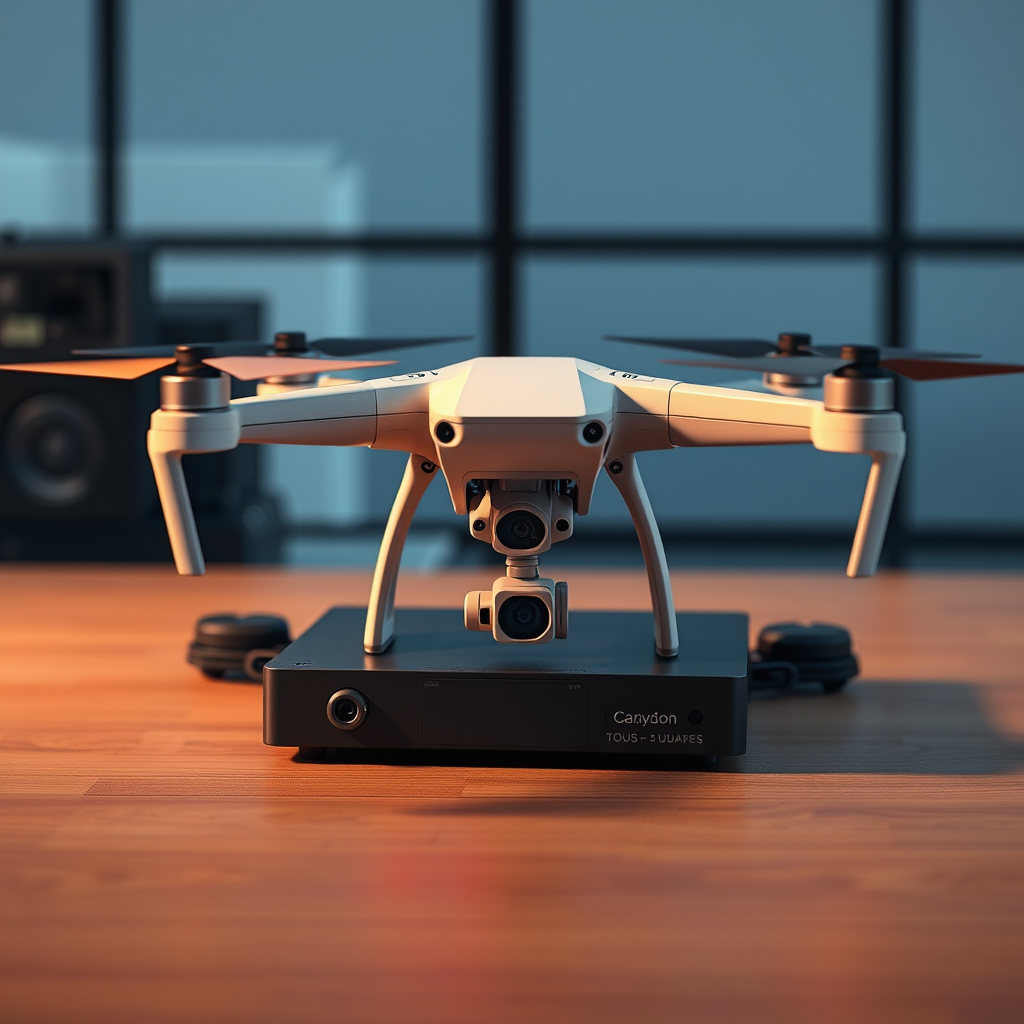
The future of drone docking stations is set to transform continuous operations across various industries by automating recharging and payload changes, thus enhancing efficiency and minimizing downtime. As organizations increasingly adopt drone technology for tasks ranging from agriculture to logistics, the evolution of docking stations is becoming critical for maximizing operational capabilities. This article delves into advancements in drone docking technology, the benefits of continuous operations, key industries leveraging these systems, existing challenges, future trends, and successful case studies to illustrate the impact of drone docking stations.
Advancements in Drone Docking Technology
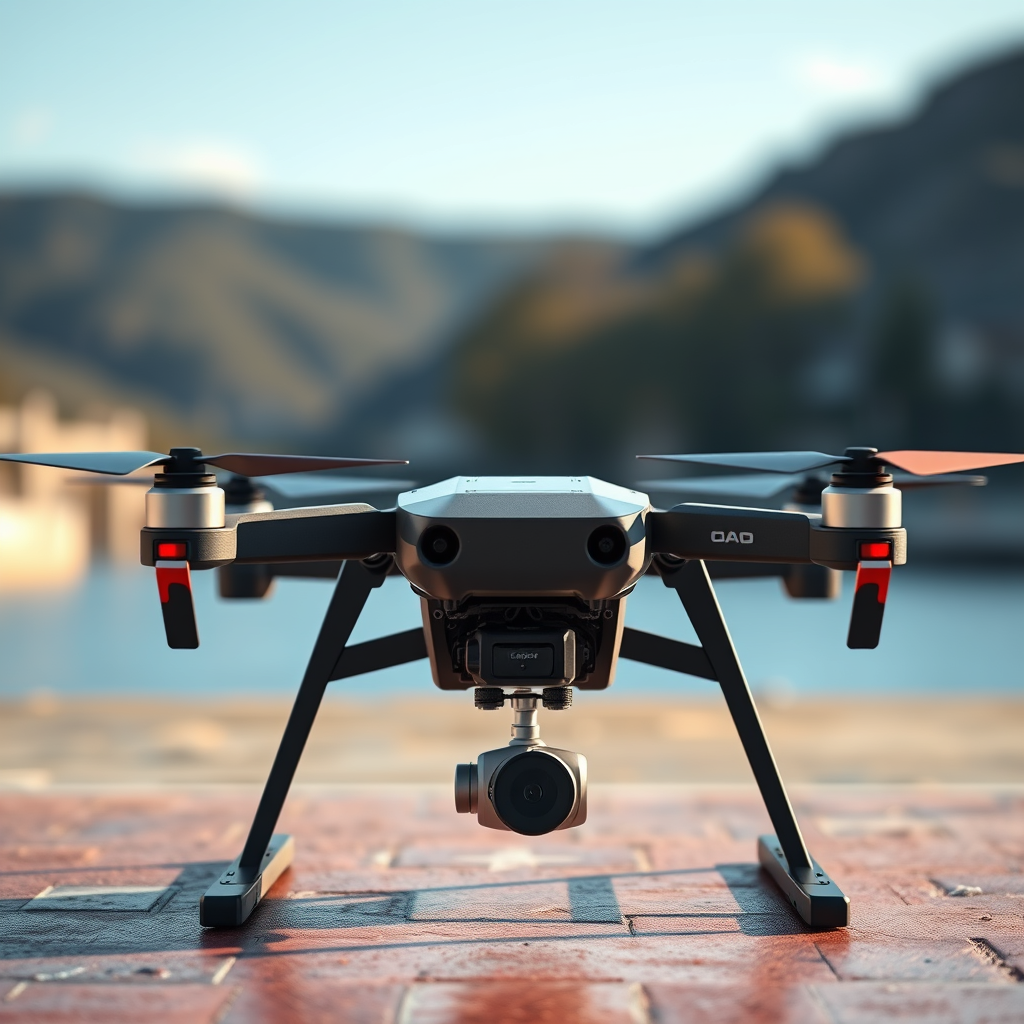
The integration of artificial intelligence (AI) and automation into drone docking systems marks a significant advancement in the realm of drone technology. AI algorithms can optimize docking processes by enabling drones to identify docking points, assess environmental conditions, and execute precise landing maneuvers. This level of automation reduces human error and ensures a faster, safer docking experience.
Furthermore, the development of smart docking stations allows for real-time communication between drones and the docking station. These stations can monitor the drone’s battery levels, collect operational data, and even manage payload adjustments autonomously. For instance, a drone equipped with a sensor may communicate its battery status to the docking station, prompting it to prepare for an efficient recharge while simultaneously downloading captured data. This intelligence not only streamlines workflows but also enhances data integrity and operational reliability.
Benefits of Continuous Drone Operations
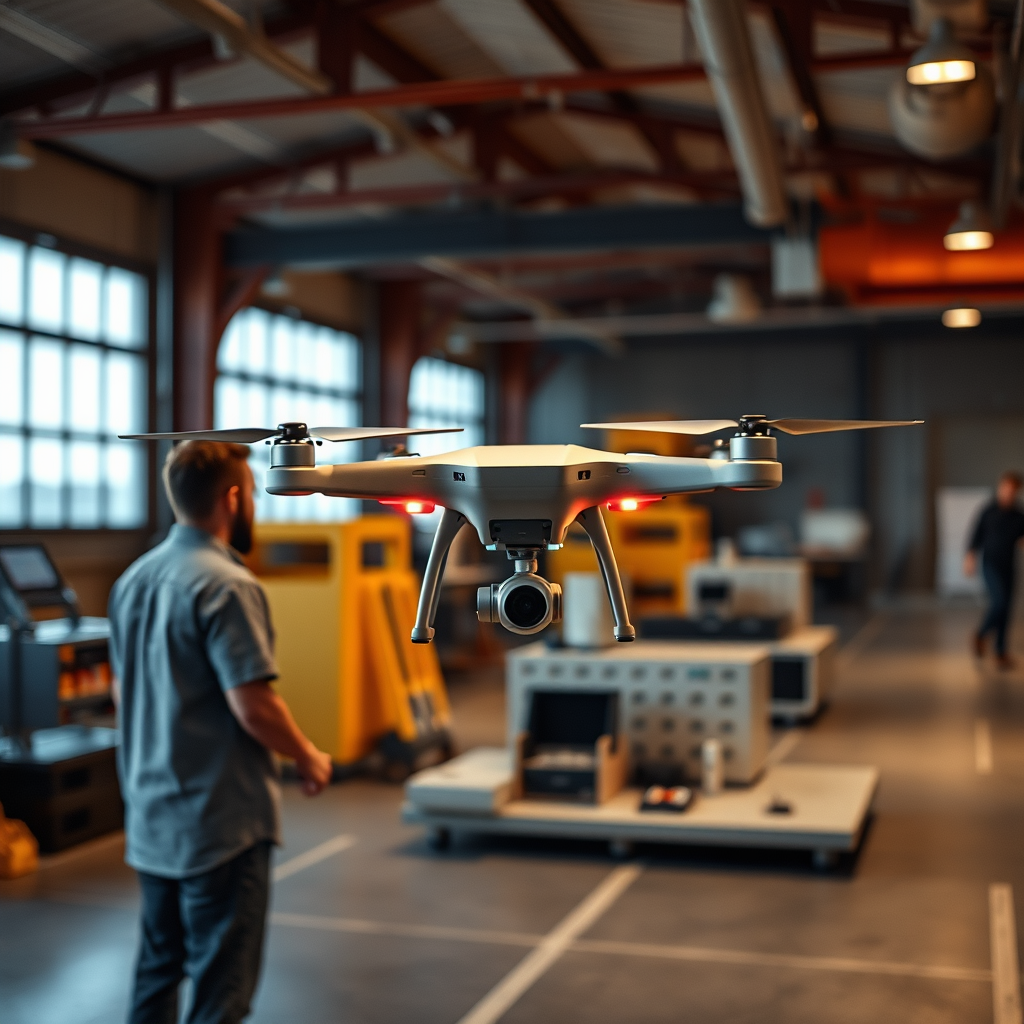
Continuous operations facilitated by drone docking stations yield numerous benefits, most notably increased operational efficiency. By minimizing downtime typically associated with recharging or maintenance, organizations can maintain a more consistent operational flow. For example, in emergency response scenarios, having drones that can autonomously recharge and redeploy allows for rapid assessments and timely assistance, ultimately saving lives.
Moreover, uninterrupted aerial surveillance and monitoring capabilities significantly enhance data collection. Drones equipped with high-resolution cameras and sensors can continuously relay information back to command centers, providing valuable insights for decision-making. In sectors such as environmental monitoring, continuous data feeds can help in tracking changes in ecosystems, enabling timely interventions and more effective resource management.
Key Industries Leveraging Drone Docking Stations
Several industries are already harnessing the potential of drone docking stations to improve operational efficiency.
In agriculture, for example, farmers utilize drones equipped with multispectral cameras for crop monitoring. Continuous operations allow these drones to conduct regular assessments of crop health, delivering real-time data that can inform irrigation and fertilization strategies. By employing drone docking stations, farmers can ensure that their drones remain charged and ready for deployment, thus optimizing crop management practices.
In the logistics sector, companies like Amazon and UPS are exploring the use of drones for last-mile delivery. With autonomous drone docking stations strategically placed throughout urban areas, these companies can improve delivery times by allowing drones to recharge and dispatch without human intervention. This operational model not only enhances efficiency but also reduces costs associated with labor and vehicle maintenance.
Challenges Facing Drone Docking Stations
Despite the promising outlook for drone docking stations, several challenges must be addressed to facilitate their widespread adoption. One of the primary obstacles is the infrastructure requirements necessary for implementation, particularly in urban areas where space is limited. Developing dedicated docking stations that are easily accessible to drones while ensuring safety for pedestrians and vehicles poses a significant challenge.
Additionally, regulatory hurdles surrounding airspace management and drone operations must be navigated. Governments around the world are still formulating regulations to govern the usage of drones in various contexts. Organizations aiming to implement drone docking stations must stay abreast of these regulations to ensure compliance and avoid potential legal issues.
Future Trends in Drone Docking Stations
The future of drone docking stations is likely to see advancements in battery technology that will further reduce charging times. Innovations such as solid-state batteries promise faster charging capabilities and longer operational durations, making it feasible for drones to complete more tasks in a given timeframe.
Moreover, the expansion of drone docking stations into remote and hard-to-reach areas will enhance accessibility for industries such as mining, forestry, and disaster management. Mobile or portable docking stations could be deployed in challenging terrains, allowing drones to operate where traditional methods might be impractical.
Case Studies: Successful Implementations
Several companies have successfully integrated drone docking stations into their operations, showcasing the potential benefits. For instance, Zipline, a drone delivery service, has implemented docking stations in remote regions to deliver medical supplies. By using autonomous drones that can recharge at these stations, Zipline has significantly reduced delivery times for essential goods, demonstrating a remarkable return on investment (ROI) through improved service efficiency.
Another notable example is the agricultural technology firm, PrecisionHawk, which has deployed drone docking stations on farms to facilitate continuous crop monitoring. The implementation of these systems has resulted in better data-driven decisions, leading to enhanced crop yields and reduced operational costs.
In both cases, the operational improvements have been clear, highlighting the potential for drone docking stations to revolutionize various sectors.
In summary, the future of drone docking stations holds great promise, with significant enhancements in efficiency and operational capabilities across numerous industries. As the technology continues to evolve, staying informed about these advancements will be crucial for businesses looking to leverage drones effectively. Organizations should consider exploring the integration of drone docking systems into their operations to maintain a competitive edge and capitalize on the benefits of continuous drone operations.
Frequently Asked Questions
What are drone docking stations and how do they work for continuous operations?
Drone docking stations are automated hubs designed to charge, maintain, and store drones when they are not in use. They facilitate continuous operations by allowing drones to autonomously return to the station for recharging and data transfer after completing their missions. This setup minimizes downtime, enabling drones to operate in a more efficient and productive manner, particularly in industries like agriculture, surveillance, and delivery services.
How can businesses benefit from implementing drone docking stations?
Businesses can significantly enhance their operational efficiency by using drone docking stations. These stations enable drones to conduct long-duration missions without manual intervention for recharging or maintenance, thereby reducing labor costs and increasing the frequency of operations. Additionally, they allow for real-time data collection and analysis, leading to better decision-making and improved service delivery in sectors such as logistics, emergency response, and infrastructure inspection.
Why are drone docking stations considered essential for the future of drone technology?
Drone docking stations are seen as essential for the future of drone technology due to their role in scaling operations and enabling advanced autonomous functions. As industries increasingly rely on drones for various applications, the need for continuous, round-the-clock operations becomes paramount. Docking stations alleviate battery life constraints, allowing drones to operate for extended periods and adapt to evolving demands in sectors like urban air mobility and environmental monitoring.
What are the best features to look for in a drone docking station?
When selecting a drone docking station, consider features such as automated charging capabilities, weather resistance, and integration with software for flight management. Additionally, look for stations equipped with advanced sensors for obstacle detection and navigation, as well as those that offer data storage and retrieval solutions. These features ensure that the docking station meets operational needs while enhancing the safety and efficiency of drone missions.
Which industries are most likely to adopt drone docking stations for continuous operations?
Industries that are poised to adopt drone docking stations for continuous operations include agriculture, logistics, public safety, and infrastructure inspection. In agriculture, drones can monitor crop health and optimize resource usage, while logistics companies can streamline deliveries with minimal human intervention. Similarly, public safety agencies can utilize drones for surveillance and emergency response, and infrastructure firms can conduct regular inspections of assets, all benefiting from the efficiency of automated docking solutions.
References
- Delivery drone
- https://www.sciencedirect.com/science/article/pii/S2352146517303030
- https://www.nasa.gov/feature/nasa-s-newest-drone-dock
- https://www.reuters.com/technology/future-drones-charging-and-recharging-2021-06-14/
- https://www.techrepublic.com/article/how-drone-docking-stations-could-transform-delivery-operations/
- https://www.bbc.com/news/technology-58021695
- Unmanned Aircraft Systems (UAS) | Federal Aviation Administration
- https://www.nist.gov/news-events/news/2022/05/nist-aims-define-safety-standards-drones-docking-stations
- https://www.jstor.org/stable/10.5325/jdrone.3.1.0015
